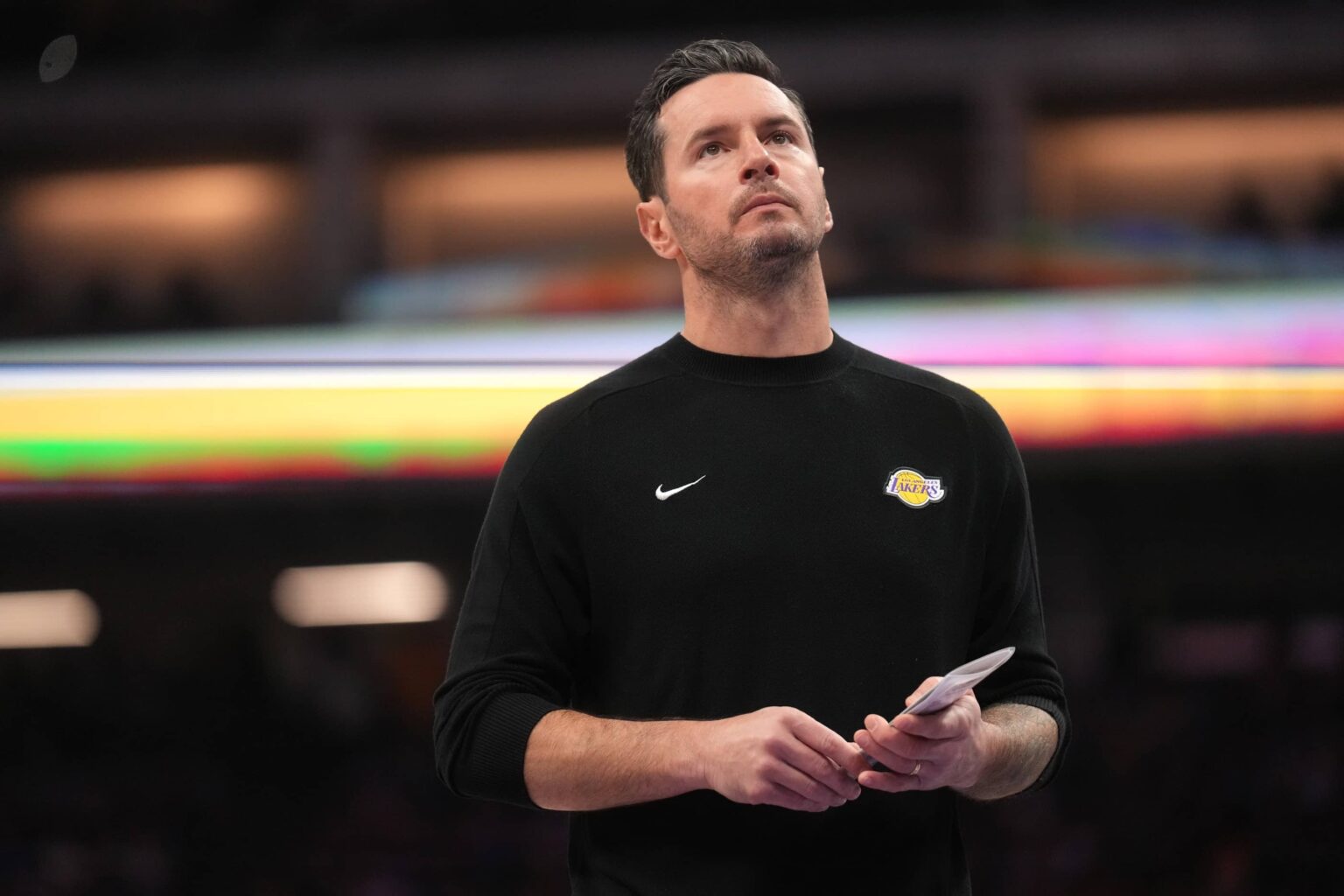
Charlamagne Tha God does not do subtle, and when he turned his attention to JJ Redick, the gloves came off. On The Brilliant Idiots podcast, Charlamagne questioned why Redick has largely avoided scrutiny despite being the head coach of the Los Angeles Lakers, calling him flatly ‘not a good coach’ and suggesting his hiring was more about appeasing LeBron James than basketball merit.
“One thing that never gets talked about, and I don’t understand why. You hired LeBron James’ podcast co-host as the head coach of your organization. A person who has never had any coaching experience, seemingly to appease him. And he’s not a good coach.”
“But for whatever reason, JJ Redick ducks all smoke. Why does JJ Redick not get criticism for not being a good coach?”
From the outside, the task feels harsh. The Lakers are 27–17, sitting fifth in the Western Conference in Redick’s second season, and their offense has been legitimately strong, ranked ninth in offensive rating. Ball movement, spacing, and late-game execution on that end have often looked sharp, which aligns with Redick’s reputation as a modern offensive thinker.
The problem is defense, where the Lakers are ranked 25th in the league. They have struggled to guard consistently, and that weakness has shown up against good teams.
Charlamagne, however, framed those struggles as a reflection of coaching, not just personnel.
The reality is more complicated. The Lakers’ defensive issues are heavily tied to roster makeup. This is not a deep, switchable, elite defensive group, and Redick inherited those limitations. Even so, his approach has been to publicly challenge his players, sometimes aggressively. That has fueled the perception that he is quick to call out effort and execution rather than shielding the locker room.
A clear example came after a late-game collapse against Milwaukee. Redick did not point fingers. He took full responsibility for a broken end-of-game process, admitting he skipped a step and failed to execute his own timeout protocol. It was a rare moment of accountability from a second-year coach, and one that complicates the idea that he avoids criticism. He owned the mistake immediately and publicly.
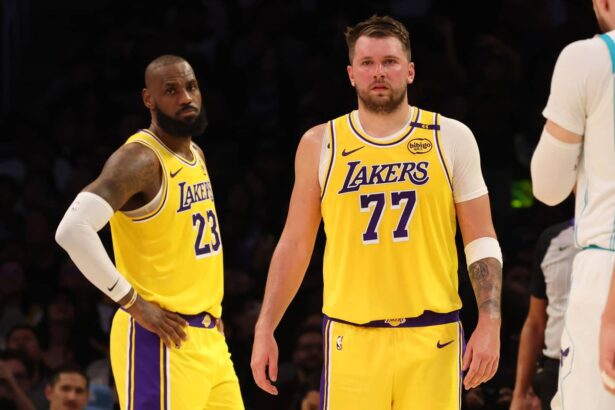
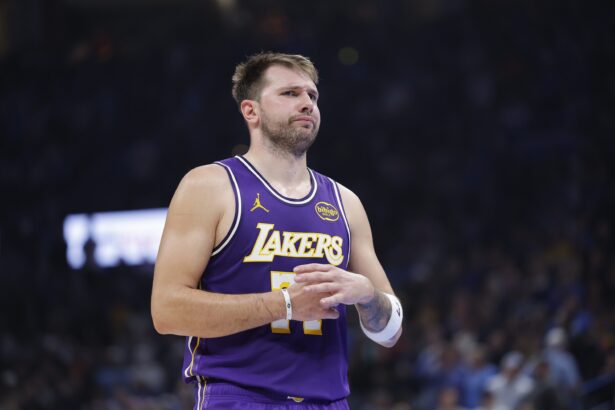
Redick has also been candid after losses to the Clippers, calling out a lack of trust, poor passing, and defensive disconnection. In one instance, he directly challenged Luka Doncic to trust the pass more, even after Luka posted a monster stat line. That willingness to critique stars is not usually associated with a coach hiding from blame.
Still, Charlamagne’s larger point taps into a real tension. Redick was hired under unusual circumstances, with an undeniable relationship to LeBron and the organization’s broader direction. Fair or not, that invites skepticism. When the defense collapses, when communication breaks down, and when the locker room noise grows, the spotlight naturally shifts to the head coach.
Where Charlamagne may overreach is in dismissing results and context. Redick is learning on the job, but he has kept the Lakers competitive in a loaded conference while navigating injuries, expiring contracts, and constant scrutiny. That does not make him immune to criticism. It does mean the evaluation should be balanced.
The truth sits in the middle. Redick has earned praise for the offense and accountability. He has also earned questions about defense, messaging, and long-term identity. Charlamagne forced the conversation into the open. Whether Redick answers it over the rest of the season will determine if the ‘bad coach’ label sticks or fades.