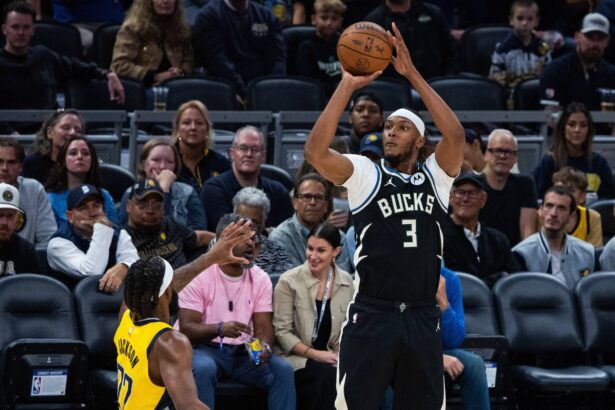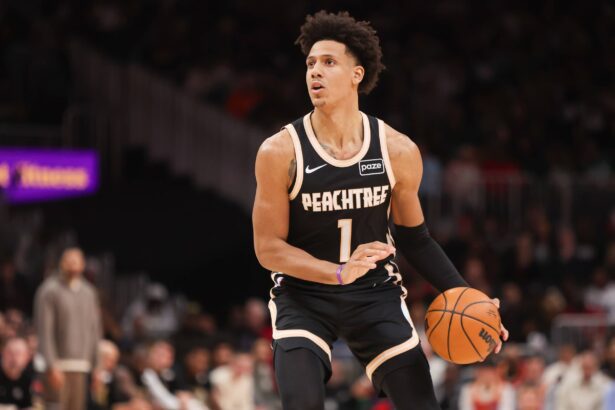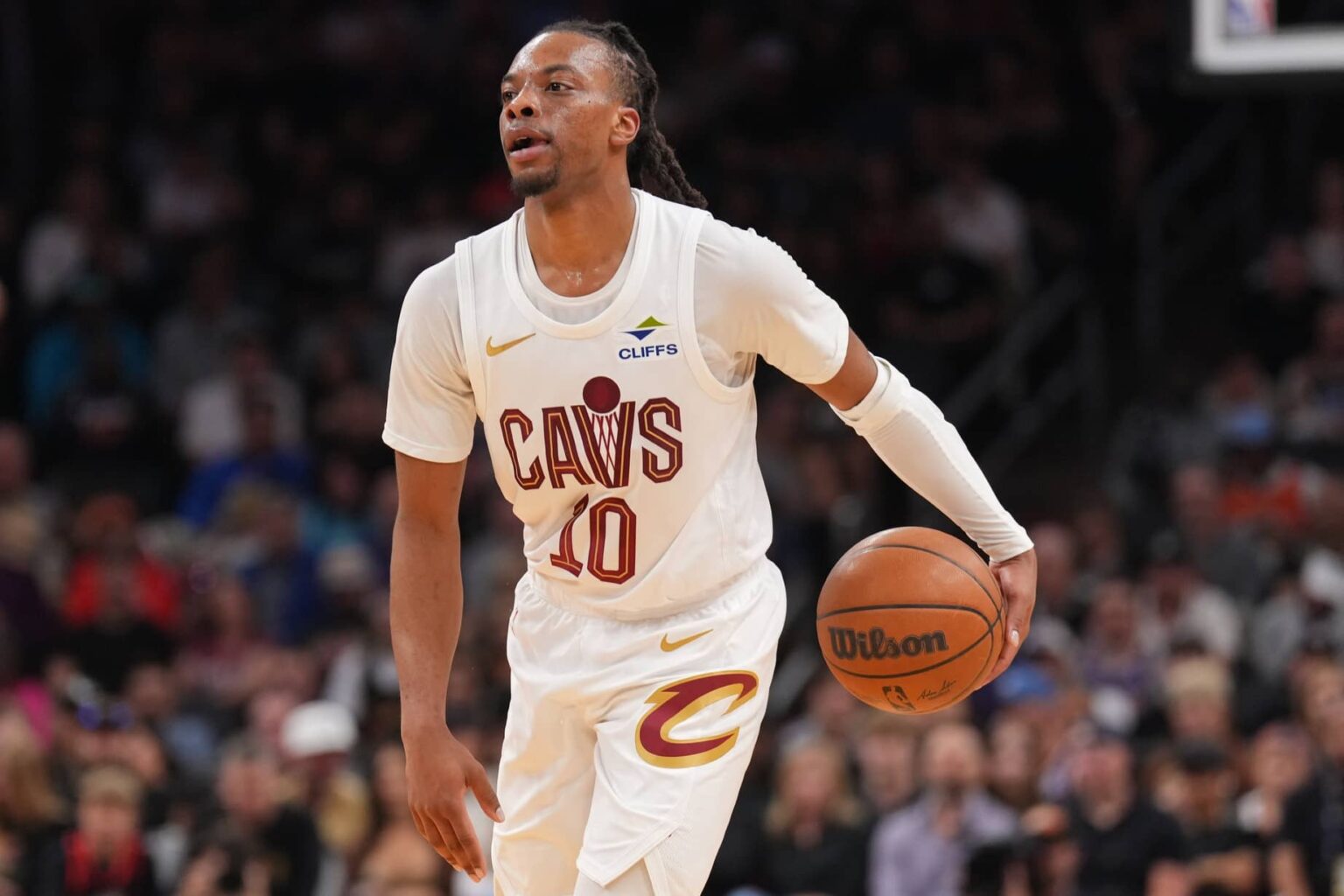
When Darius Garland was traded to the Los Angeles Clippers in exchange for James Harden, it sent shockwaves through both franchises. For Garland, it marked the end of a seven-year run with the Cleveland Cavaliers and the beginning of something far more ambitious in Los Angeles.
In an interview with Marc J Spears of Andscape, Garland made it clear he has no bitterness toward Cleveland.
“I tip my hat off to the whole Cleveland organization. They did put a lot in me, invested a lot in me and took a lot of risk. So, I tip my hat off to them. But now I’m in another good situation over here in L.A. trying to do something, trying to rebuild this whole brand of the Clippers, and try to make it one of the biggest teams in L.A.”
That last part is where things get interesting.
Making the Clippers one of the biggest teams in Los Angeles is not just a basketball challenge. It is a cultural one. The city already belongs, historically and emotionally, to the Los Angeles Lakers. Add in the Los Angeles Dodgers and the Los Angeles Rams, and the competition for attention becomes even steeper.
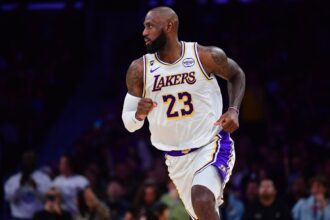
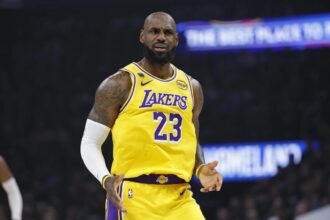
The Lakers are not just popular, they are global. 17 championships, 32 Finals appearances, and 34 division titles. Decades of icons, from Magic Johnson and Kareem Abdul-Jabbar to Kobe Bryant and LeBron James. Even now, they have Luka Doncic positioned as the bridge to the post-LeBron era. Their brand is layered with history and sustained relevance.
The Clippers, meanwhile, have spent most of their existence in that shadow.
Things improved when Steve Ballmer took over as owner. The franchise became more aggressive, more stable, and more competitive. There were stretches where they consistently finished above the Lakers in the standings. The Kawhi Leonard and Paul George era was supposed to signal a shift in power. For a moment, it felt possible.
Then came the bubble collapse, injuries, and another reset.
The Clippers have three Pacific Division titles and one Western Conference Finals appearance. That is progress, but it is nowhere near enough to flip the balance of power in a city where banners define relevance.
Garland understands the scale of the mission. At 26, he is entering his prime and stepping into a larger offensive role, especially alongside Kawhi Leonard. He has spoken about embracing the change, about enjoying the energy of Los Angeles, about the opportunity to build something meaningful.
But overtaking the Lakers is not about one All-Star guard.
It would require sustained playoff success, at least one championship, and a generation of fans growing up identifying with the Clippers instead of defaulting to purple and gold. The Clippers have moved into a new arena and are trying to reshape their identity. That matters. Yet brand dominance in Los Angeles has been built over decades, not seasons.
Garland’s confidence is admirable as every contender needs belief before results follow. Still, turning the Clippers into the biggest team in L.A. is a mountain that has broken far more established stars than him.