Undrafted players are supposed to be margin pieces: training-camp fliers, two-way contracts, emergency depth. The league keeps proving the opposite year after year. Every season, a handful of undrafted names move from “good story” to “real leverage,” forcing coaches to adjust rotations and opponents to adjust coverage.
The common thread is not luck. It is a bankable NBA skill that survives scouting, physicality, and playoff pace: creation, shooting gravity, switchable defense, or a modern big’s spacing.
This list focuses on the current undrafted tier that has crossed that line. Austin Reaves has become a primary creator for the Lakers. Naji Marshall has turned into a dependable two-way wing for the Mavericks. Naz Reid remains one of the cleanest spacing big fits in the sport.
None of this erases draft night. It simply makes it less predictive. So here are the best undrafted players of the 2025-26 NBA season.
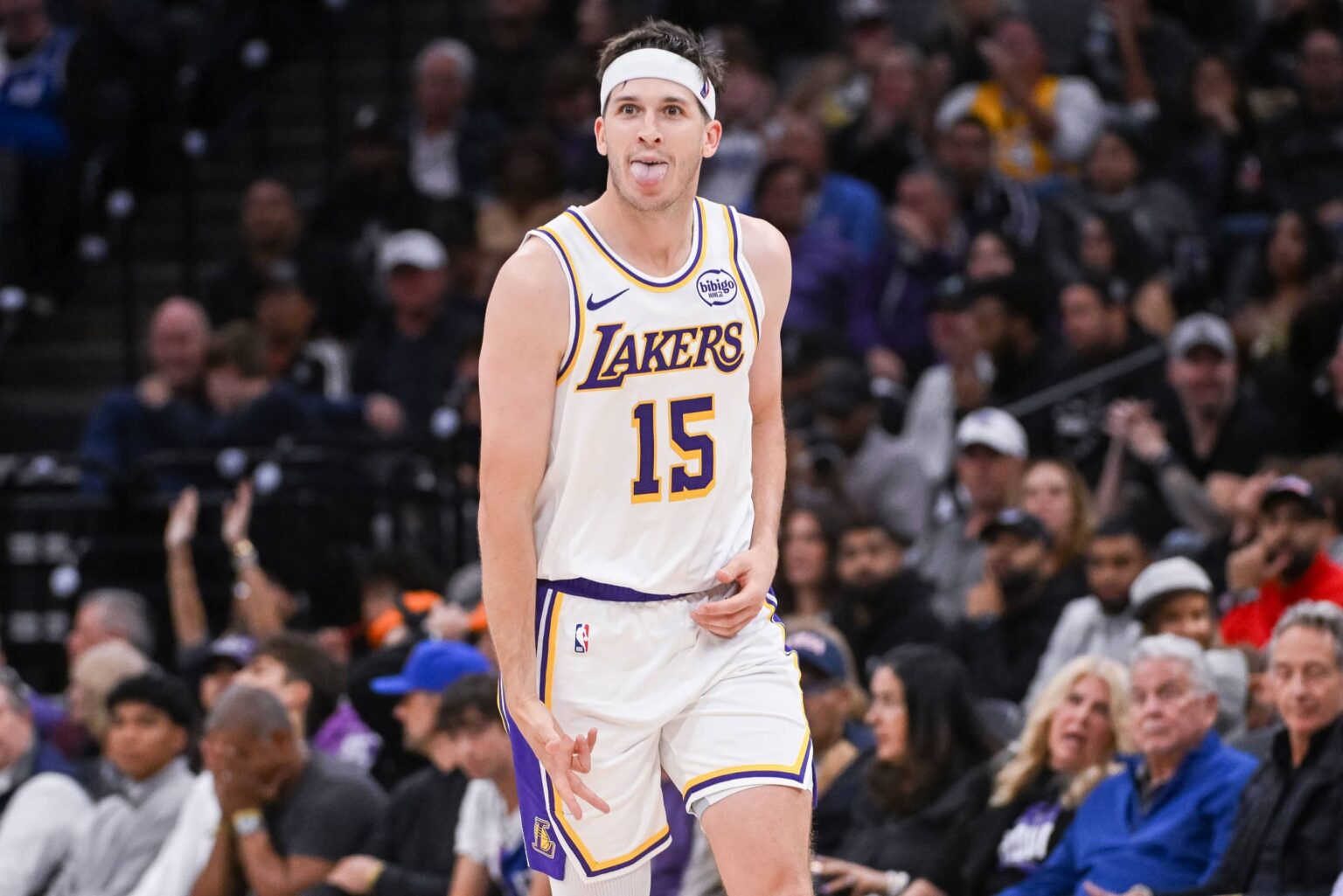
1. Austin Reaves
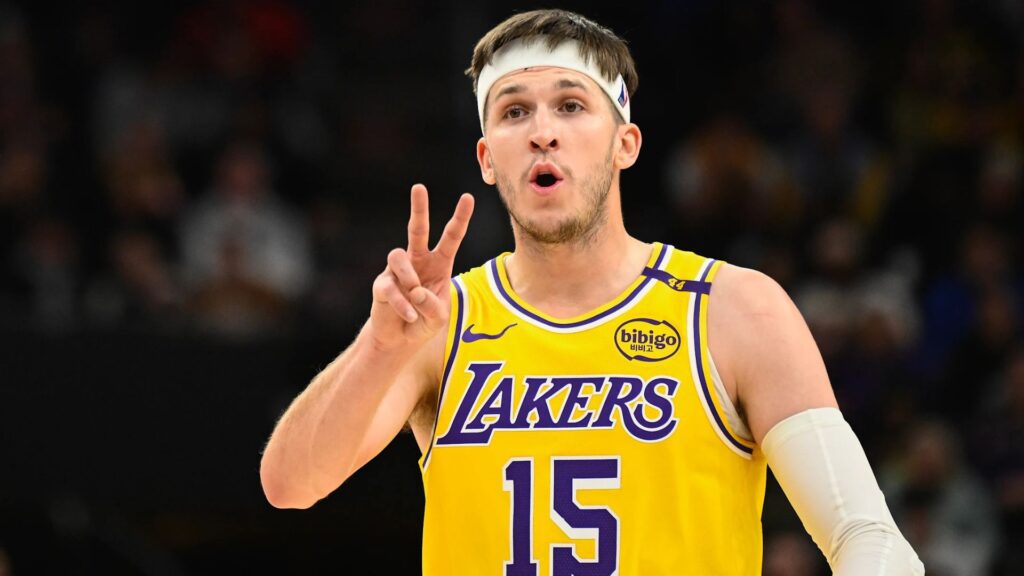
Austin Reaves entered the league the hard way. He went unselected in the 2021 NBA Draft, then signed with the Lakers on a two-way contract. That deal is the league’s lowest-commitment entry point: limited NBA games, frequent movement, and an implicit message that nothing is guaranteed. Reaves played well enough to move from that evaluation slot into a standard roster contract, then later earned a long-term commitment when the Lakers re-signed him in 2023.
The 2025-26 production is star-level for a lead guard. Reaves is averaging 25.4 points, 5.0 rebounds, and 6.0 assists. His efficiency has held with volume: 50.8% from the field, 36.3% from three, and 86.7% from the line.
Context matters because the scoring is not coming from low-responsibility touches. Reaves is creating offense in the half-court, handling pick-and-roll possessions, and taking on the type of decision-making that usually belongs to drafted guards with a longer runway. The free-throw rate and the assist number are the tell. They reflect control, not randomness.
Reaves is the cleanest example of what teams actually mean when they say “undrafted success.” The outcome is not “rotation player.” The outcome is a player opponents game-plan for, and a player the Lakers treat as a foundational piece rather than a surprise.
2. Naji Marshall
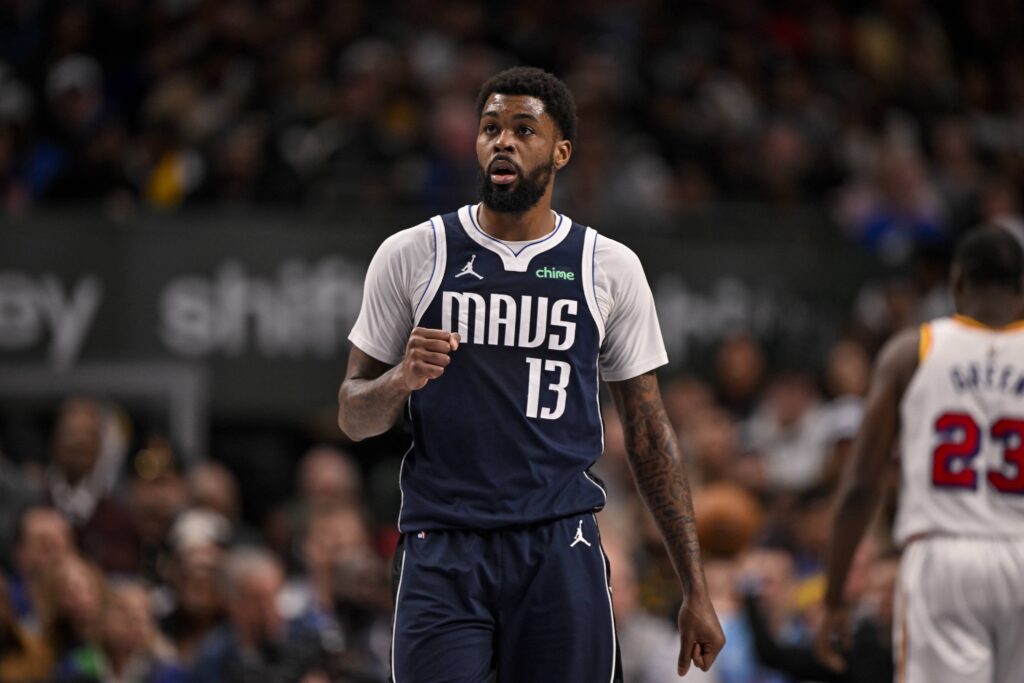
Naji Marshall went undrafted in 2020, then signed a two-way contract with the Pelicans in December of his rookie year. That is the narrowest path into the league for a wing, because the job description is immediate: defend, rebound, and avoid mistakes. Marshall did enough to earn a conversion to a multi-year standard deal in 2021, which is the real inflection point for a two-way player. He later reached the Mavericks through free agency, signing a three-year contract in the summer of 2024.
This season, Marshall is averaging 15.1 points, 4.9 rebounds, and 3.0 assists. He is at 53.3% from the field, 30.8% from three, and 77.5% from the line.
The Mavericks are not using him as a primary scorer. They are using him as a functional two-way wing: guard multiple matchups, finish plays without needing called actions, and keep the ball moving when the advantage is created by someone else. That is why the field-goal percentage is the headline. It signals that his offense is built on shot quality and decisiveness.
Among undrafted wings, Marshall’s value is that he stays playable. If the jumper is average, the defense still carries the minutes. If the jumper is merely respectable, he becomes the kind of wing that closes games because he does not force a coach to choose between offense and stops.
3. Naz Reid
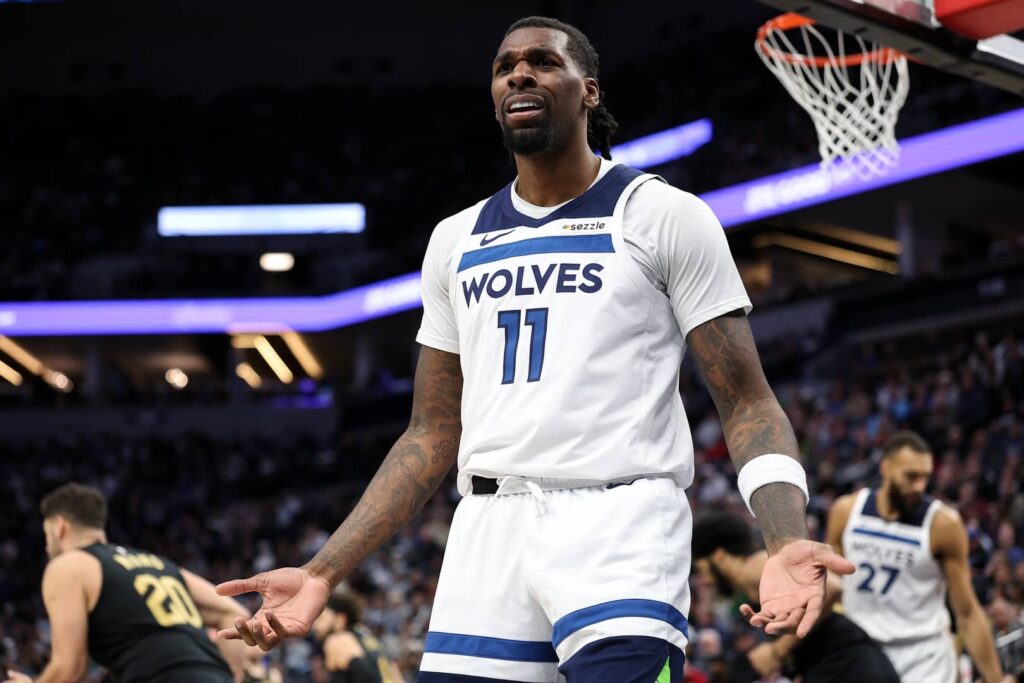
Naz Reid entered as an undrafted free agent in 2019 and immediately signed a two-way contract with the Timberwolves. Within weeks, the Timberwolves moved him onto a standard multi-year deal, which is an early indicator that the evaluation was decisive rather than speculative. Reid has remained with the franchise and, in 2025, agreed to a reported five-year, $125.0 million contract to stay long-term.
In 2025-26, Reid is averaging 14.2 points, 6.4 rebounds, and 2.5 assists. He is shooting 46.9% from the field and 38.5% from three on 6.3 attempts per game, with a 73.8% free-throw mark.
Reid is not just “a big who can shoot.” The volume is high enough to force coverage changes, and that shifts how opponents can defend the Timberwolves’ second-unit minutes. If a defense plays conservative drop, Reid has the pull-up and trail-three to punish it. If a defense switches, he has enough strength and touch to keep the possession alive without it becoming empty.
Reid’s undrafted label matters because centers with this shooting profile usually cost draft capital or premium salary. The Timberwolves found him for nothing, developed him into a spacing weapon, and kept him because his skill set changes the geometry of the floor every time he plays.
4. Collin Gillespie
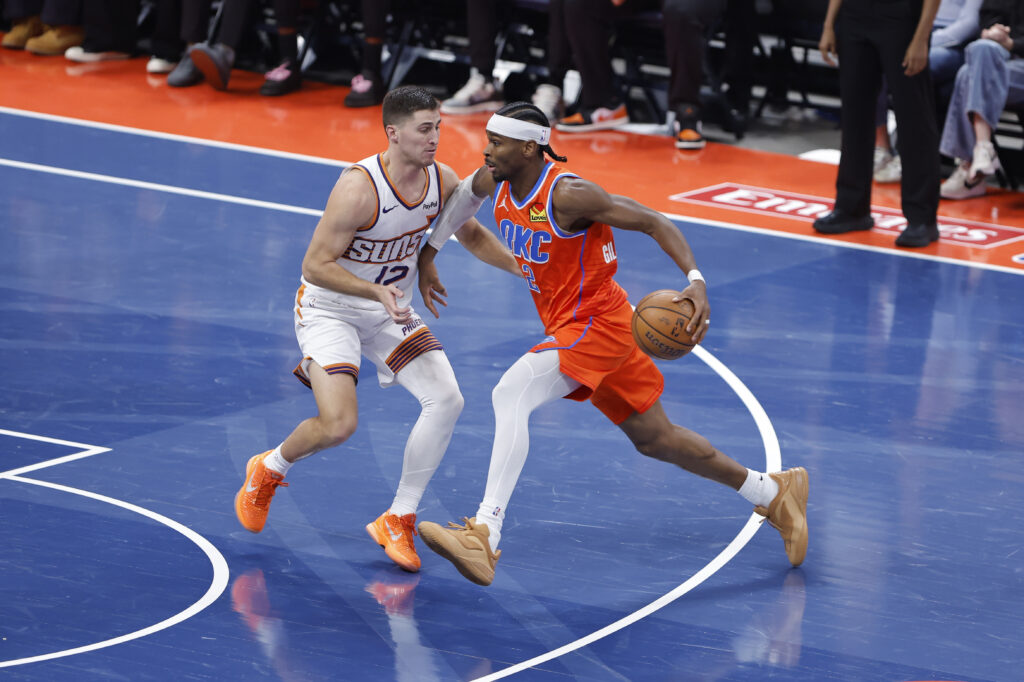
Collin Gillespie went undrafted in 2022, then signed a two-way contract with the Nuggets. That is a developmental contract by design: limited protection, heavy internal evaluation, and a constant fight for a future roster spot. He later joined the Suns on a two-way deal, played well enough to earn organizational trust, and was re-signed in 2025 on a guaranteed one-year contract.
This season, Gillespie is averaging 13.3 points, 4.2 rebounds, and 4.7 assists. The shooting is what changes his profile: 43.4% from the field, 42.3% from three on 7.1 attempts per game, and 84.6% from the line.
Gillespie is not producing as a low-minute specialist. He is producing while handling real guard duties: keeping spacing intact, organizing possessions, and still threatening the defense with volume shooting. That blend is rare in the undrafted pool because most undrafted guards either shoot without creating or create without shooting.
For the Suns specifically, this is the type of player that stabilizes a rotation. When a guard can stretch the floor at this volume and still deliver assists, the offense stays coherent even when lineups change and touches are redistributed.
5. Brandon Williams
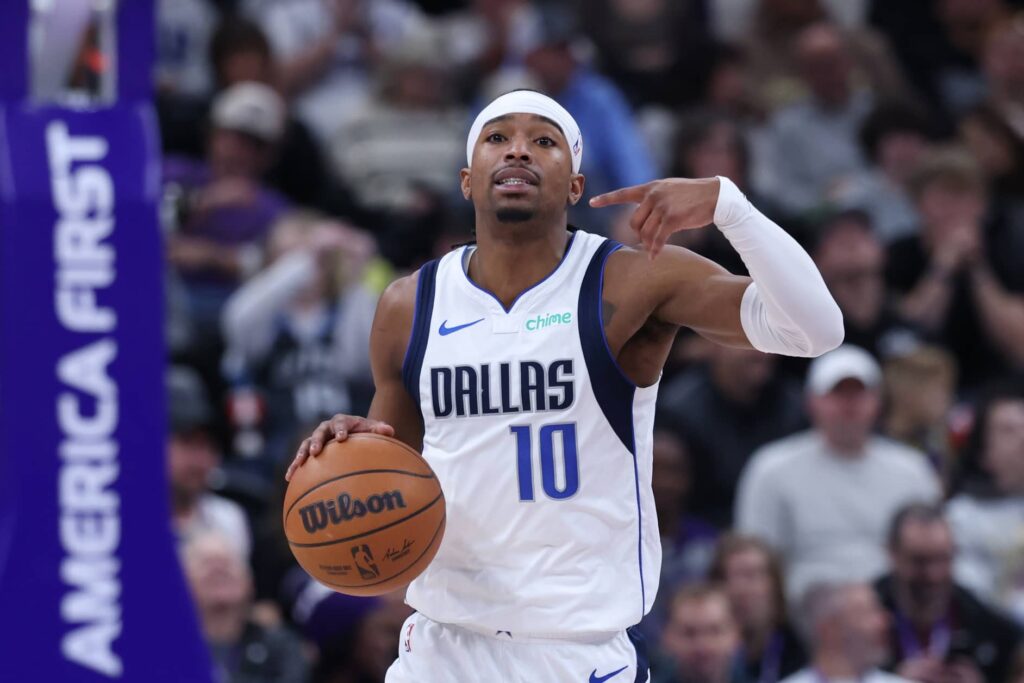
Brandon Williams entered the league undrafted and had to climb through short-term NBA opportunities. He landed a two-way contract with the Trail Blazers in 2022, which is typically the first real foothold for a small guard without draft status.
He later signed a two-way contract with the Mavericks in December 2023, then played his way into a standard deal. In April 2025, the Mavericks converted his two-way contract into a two-year standard contract, a practical move tied to the two-way active-game limit and his on-court importance to the rotation.
In 2025-26, Williams is averaging 12.7 points, 2.9 rebounds, and 3.7 assists. He is shooting 46.6% from the field, 22.0% from three, and 88.9% from the line.
Williams can get into the paint, force defensive help, and keep possessions alive when the first action is stalled. That matters for second units, where structure is often weaker and advantages are harder to manufacture.
The limitation is also clear, and it shapes his ceiling. At 22.0% from three, defenses have a reason to go under screens and shrink the floor. The reason he remains one of the best undrafted guards anyway is that he has already proven the hardest part: he can generate offense against NBA athletes. If the jumper rises even to merely respectable, his overall profile becomes far more difficult to scheme against.
6. Duncan Robinson
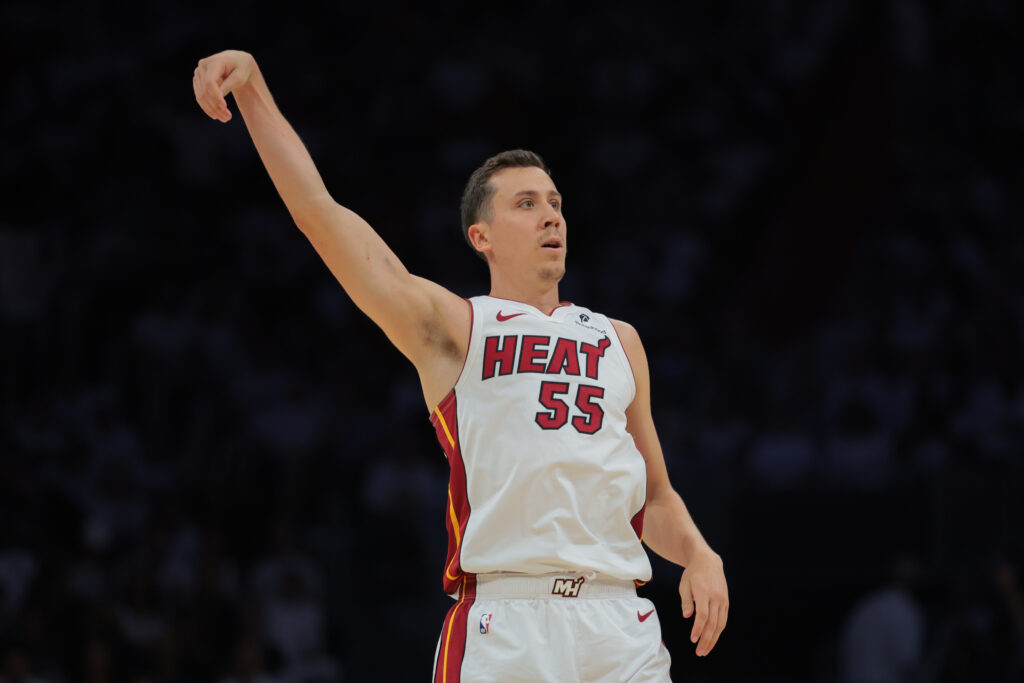
Duncan Robinson’s NBA entry is a textbook case of the two-way pipeline working at its most extreme. He went undrafted in 2018, then signed a one-year two-way contract with the Heat on July 10, 2018.
That meant his first season was largely an audition split between the NBA roster and the organization’s G League program, with no long-term security attached. In April 2019, the Heat converted him from that two-way status to a standard NBA contract, a clear signal they believed the shooting would translate at volume.
He is with the Pistons now because of a sign-and-trade in July 2025. Robinson declined his early termination option, entered free agency, then landed a three-year, $48.0 million deal that was executed via sign-and-trade from the Heat, with Simone Fontecchio going the other way.
In 2025-26, Robinson is averaging 12.3 points, 2.7 rebounds, and 1.9 assists in 28.2 minutes per game. His shooting splits remain the central value proposition: 44.1% from the field, 40.1% from three on 7.3 attempts per game, and 74.0% at the line.
Robinson is not a high-usage initiator, but he changes the geometry of half-court offense in a way few role players can. Defenses top-lock him, switch actions early, and send help higher up the floor than they want to. That creates cleaner driving lanes for the Pistons’ primary handlers and forces opponents to defend movement, not just the ball. His impact is less about the raw point total and more about the defensive concessions he reliably extracts.
7. Jock Landale
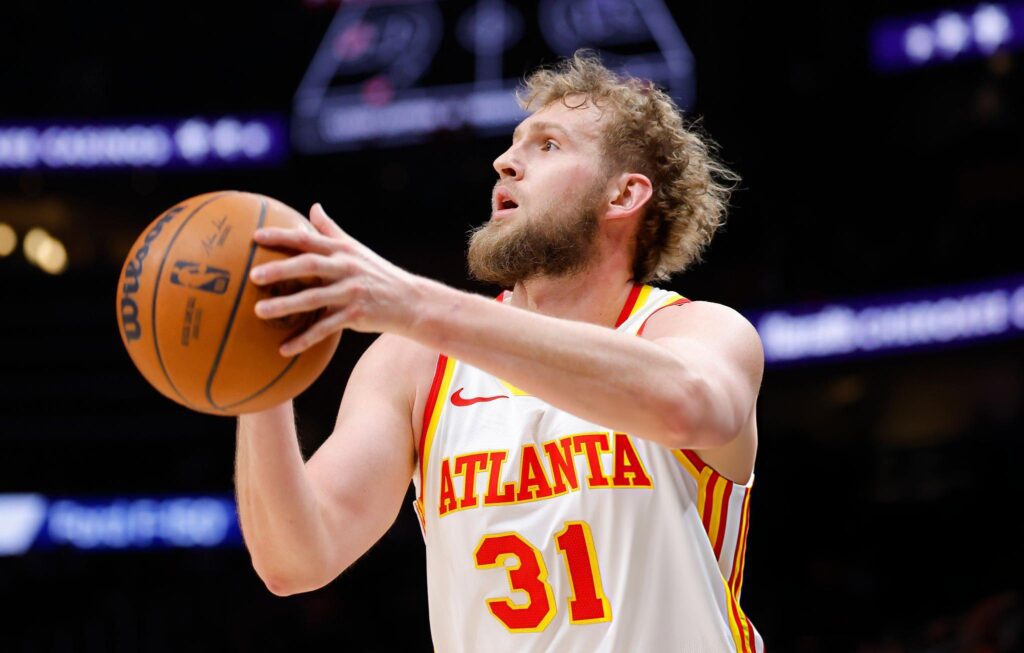
Jock Landale did not enter the NBA through a two-way contract or a training-camp roulette. He went undrafted in 2018, spent years building a résumé outside the league, and then signed his first NBA contract with the Spurs in 2021 on a two-year deal. That path is materially different from most undrafted stories because it reflects delayed entry, not immediate development inside an NBA system.
His current team situation is the product of deadline movement. Landale began this season with the Grizzlies, was sent to the Jazz as part of a larger deal, and then was moved again to the Hawks. He stepped into a major role immediately in his Hawks debut, posting a season-high 26 points with 11 rebounds, five assists, and four blocks.
For the full 2025-26 season, Landale is averaging 11.4 points, 6.4 rebounds, and 1.7 assists in 23.4 minutes per game. The efficiency profile is the key: 52.8% from the field and 39.9% from three on 2.9 attempts per game, with 66.0% at the line.
He is not providing “backup center” minutes in the traditional sense. The three-point rate forces opposing fives to defend above the break, and that single element opens up spacing for cutters and ball-handlers who would otherwise be driving into a loaded paint. On a roster that has needed frontcourt stability, Landale’s value is functional and tactical: he keeps lineups structurally sound while still stretching the floor enough to punish conservative coverage.
8. Julian Champagnie
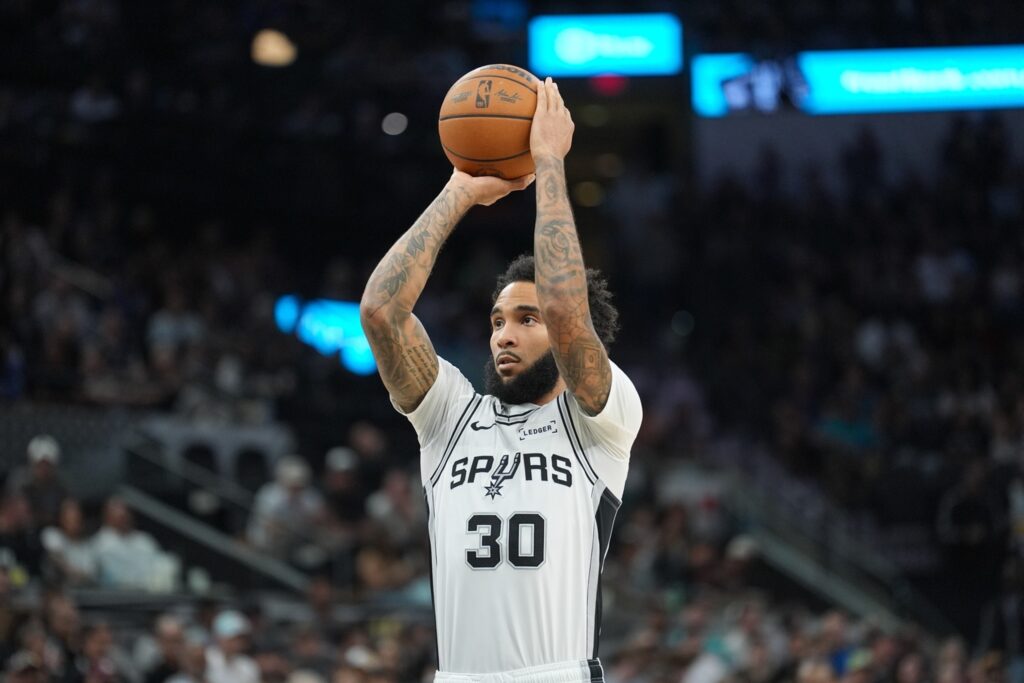
Julian Champagnie’s route to the Spurs was a sequence of small, high-risk contract steps. He went undrafted in 2022, signed a two-way deal with the 76ers, then had that two-way ended in February 2023.
Two days later, the Spurs claimed him off waivers on a two-way contract.
He turned that two-way foothold into standard-rotation credibility. The key detail is that his role did not come from a single hot month. It came from sustained minutes and repeated responsibilities, the exact thing undrafted wings rarely receive unless they can defend and shoot without breaking offensive structure.
In 2025-26, Champagnie is averaging 11.1 points, 5.9 rebounds, and 1.4 assists in 27.9 minutes per game. The shooting is respectable and stable: 42.2% from the field, 36.9% from three on 6.5 attempts per game, and 84.6% at the line.
Champagnie is valuable because he is not a “specialist who must be protected.” He rebounds enough to keep lineups from collapsing, he takes threes at real volume, and he plays within the Spurs’ spacing rules without needing touches to stay engaged. That combination is what turns an undrafted wing from a story into a rotation fixture.
9. Caleb Love
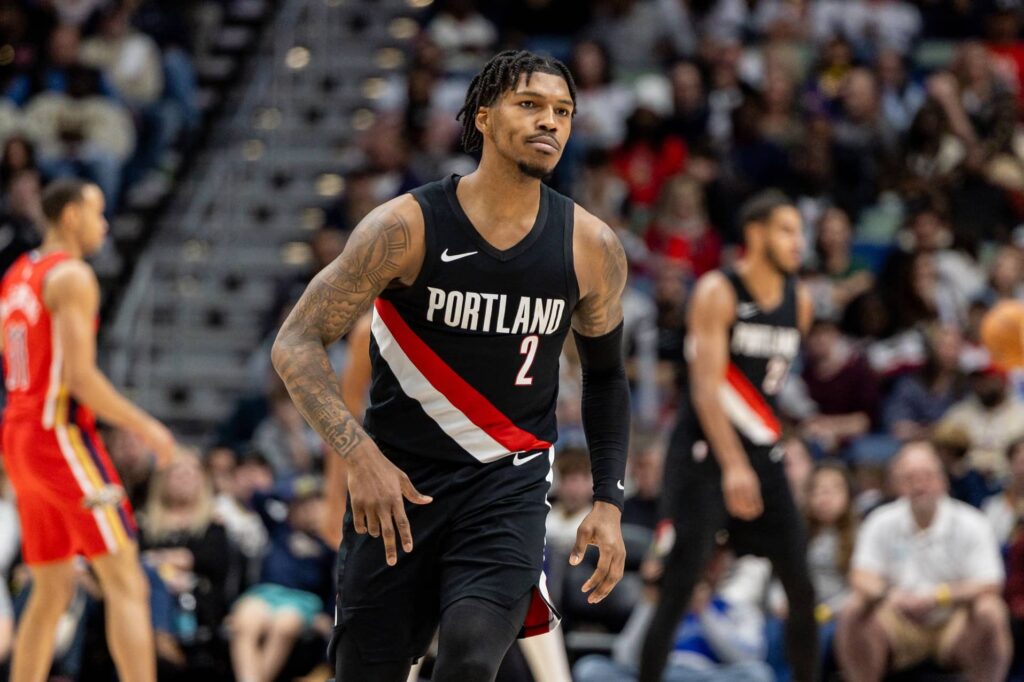
Caleb Love’s entry is clean and well-documented: he went undrafted in the 2025 NBA Draft and signed a two-way contract with the Trail Blazers. A two-way deal is a defined contract tier with a built-in constraint: a player can only be active for up to 50 NBA games, which forces the team to eventually choose between conversion to a standard deal or managed inactivity. As of early February, he was still being tracked as a two-way player with limited active games remaining.
That contract matters because Love has not been treated like a deep-bench placeholder. He has played real minutes in a real guard rotation, and he has become one of the season’s more impactful undrafted rookies.
On the floor in 2025-26, Love is averaging 11.2 points, 2.7 rebounds, and 2.6 assists in 21.9 minutes per game. The efficiency is still developing, which is normal for a rookie guard: 39.4% from the field, 33.5% from three on 6.3 attempts per game, and 74.4% at the line.
Love is taking a high share of threes for his minutes, and he is doing it while handling real on-ball reps, not just spotting up in the corner. The swing point for him is obvious: if the finishing and overall shot quality stabilize, the two-way label becomes an administrative detail rather than a reflection of his NBA standing.
10. AJ Green
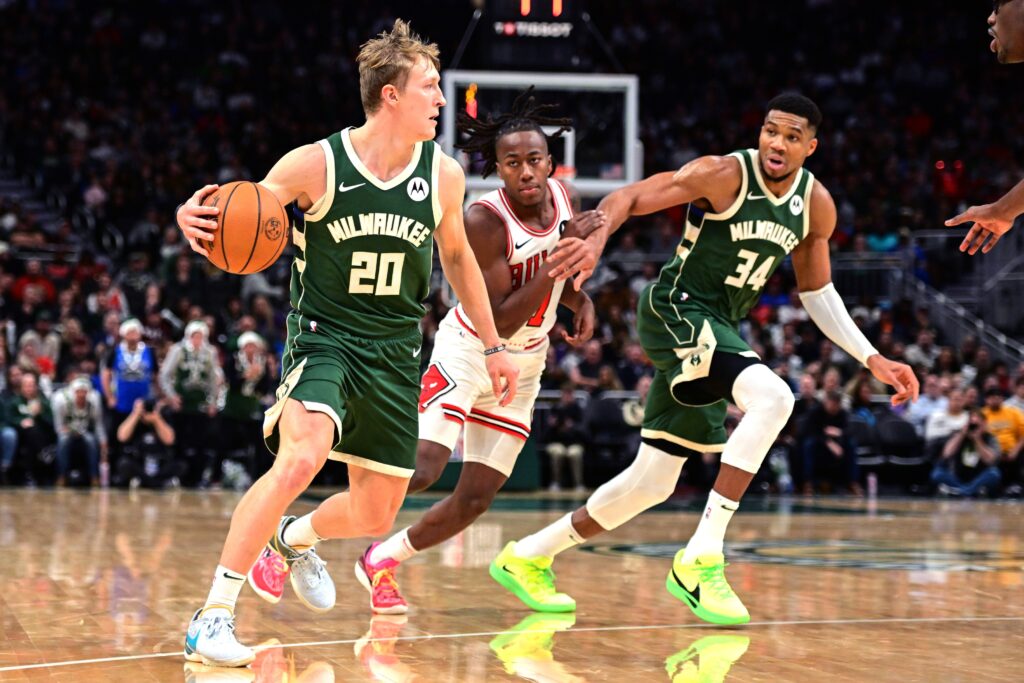
AJ Green’s rise is a direct, organization-built progression. He went undrafted in 2022 and signed a two-way contract with the Bucks on July 1, 2022. That placed him in a development track built around shooting and decision-making, with the G League affiliate serving as the primary minutes engine.
The long-term outcome is what separates him: in October 2025, the Bucks committed to him with a four-year, $45.0 million extension, a rare financial statement for an undrafted guard.
Green does not require the ball to matter, and he does not need defensive scheming to hide him every possession. His offensive role is simple but demanding: shoot at high volume, relocate, and punish help decisions. That is the kind of job that gets harder, not easier, when the calendar turns to postseason basketball.
This season, Green is averaging 10.7 points, 2.6 rebounds, and 2.0 assists in 30.2 minutes per game. The shooting splits are the selling point: 44.0% from the field, 43.1% from three on 7.1 attempts per game, and 79.4% at the line.
His three-point volume is not a fluke. Defenses have to treat him as a priority, and that changes where help can come from. For an undrafted player, that is the highest form of validation: a single elite skill that forces opponent behavior, plus enough baseline competence everywhere else to stay on the floor in meaningful minutes.