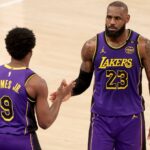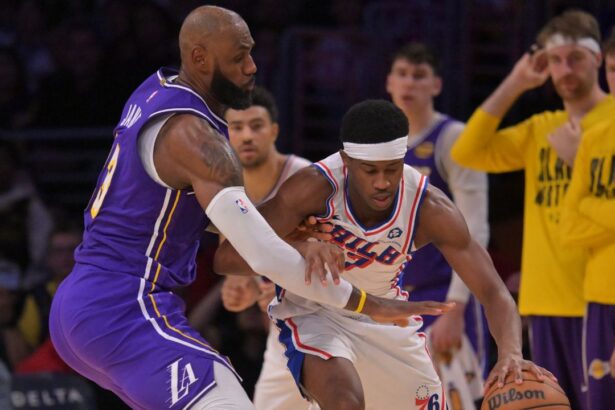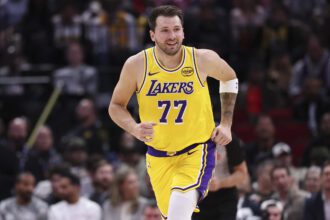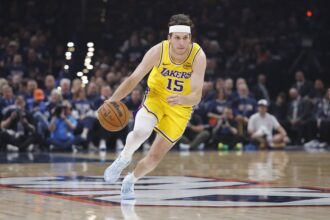
The Los Angeles Lakers opened their playoff series with a commanding 107-98 win over the Houston Rockets.
Despite Houston’s edge on the glass, Los Angeles dictated the game flow, leading for 93% of the contest and never allowing the Rockets to establish consistent rhythm offensively.
Behind elite shooting, strong playmaking, and a balanced scoring effort, the Lakers looked like the more experienced and playoff-ready team. Here’s what we learned.
1. Lakers’ Elite Efficiency Sets The Tone
The Lakers were nearly unstoppable offensively, shooting a blistering 61% from the field and 53% from three (10-19). Every possession felt deliberate, with the ball moving crisply and players consistently finding high-quality looks.
That efficiency created constant pressure on Houston’s defense. Even without overwhelming shot volume, Los Angeles maximized nearly every opportunity, forcing the Rockets into a game of catch-up.
2. LeBron James Controls The Game Without Forcing Scoring
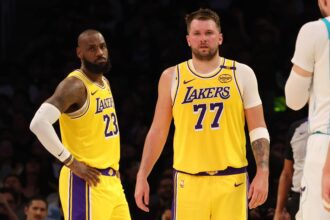
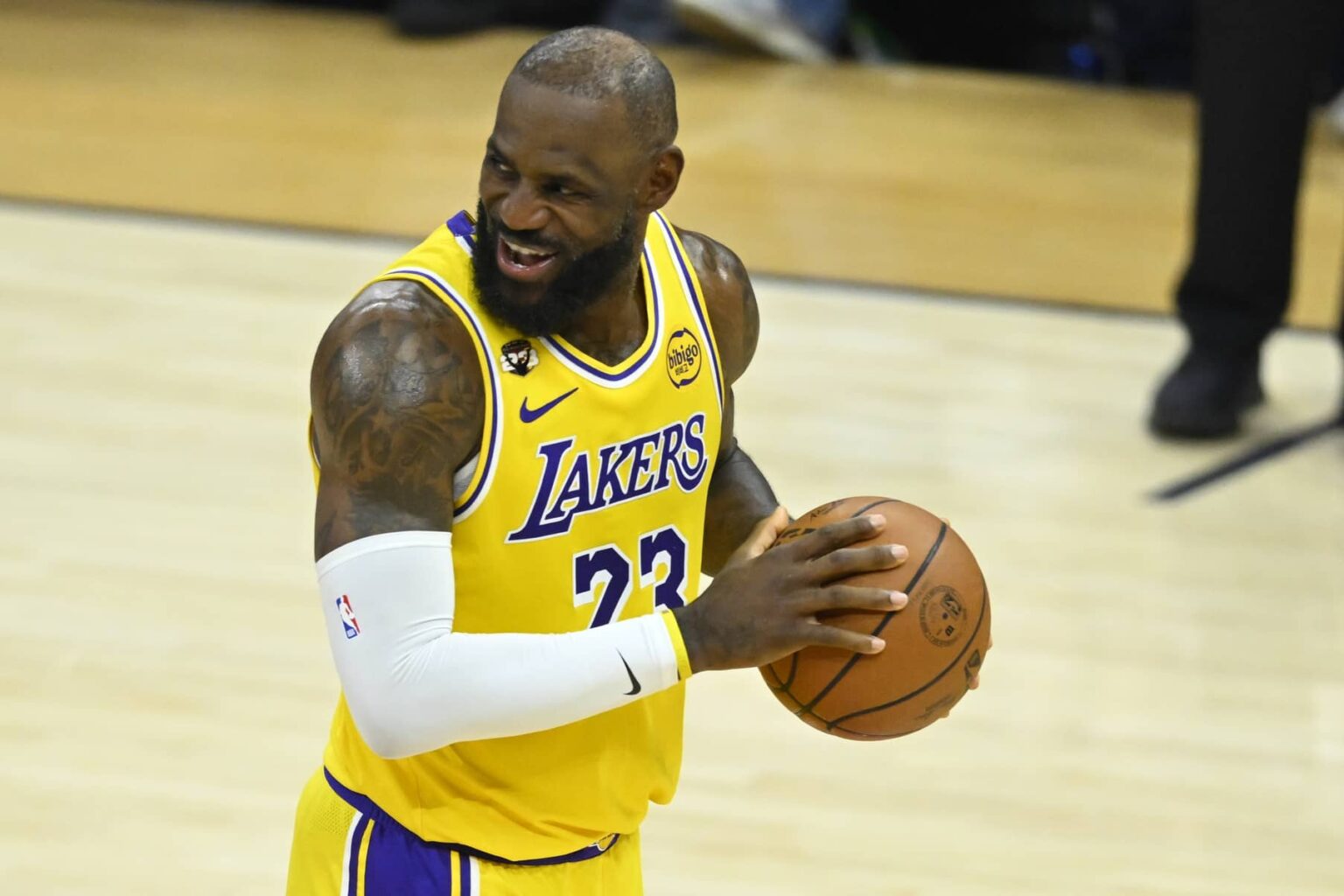
LeBron James delivered a masterclass in control, finishing with 19 points, 13 assists, and 8 rebounds. Rather than dominating as a scorer, he orchestrated the offense, ensuring teammates were involved and the pace remained in the Lakers’ favor.
His ability to read the defense and make the right play repeatedly neutralized Houston’s athleticism. By prioritizing playmaking over volume scoring, LeBron dictated the game in a way that kept the Rockets off balance all night.
3. Balanced Scoring Overwhelms Houston’s Defense
The Lakers featured five players in double figures, led by Luke Kennard’s 27 points on 9-13 shooting (5-5 from three). Deandre Ayton added 19 points and 11 rebounds, providing interior dominance to complement the perimeter attack.
This balance made it nearly impossible for Houston to key in on any one player. Every time the Rockets adjusted defensively, another Laker stepped up, maintaining offensive flow and preventing any sustained defensive success.
4. Rockets’ Inefficiency And Shot Selection Hurt Them
Houston struggled mightily from the field, shooting just 38% overall despite generating a high number of attempts. Players like Alperen Sengun and Reed Sheppard had solid counting stats but required significant volume to get there.
The Rockets’ inability to convert efficiently wasted their advantage in offensive rebounds (21) and limited their ability to close the gap. Too many empty possessions ultimately neutralized their hustle and second-chance opportunities.
5. Defense And Rim Protection Give Lakers Control
The Lakers had a structured defense, while their offense stood out. They were able to defend the interior and rotate to force contested rounds of scoring.
The Lakers’ defense withstood the Rockets’ offensive rebounds and defensive transitions. The Rockets were held to a discouraging number of scoring opportunities. The combination of defense with rim protection established significant control that would carry the Lakers throughout the series.