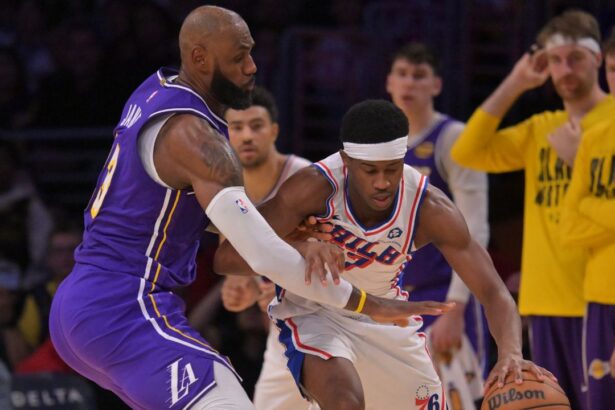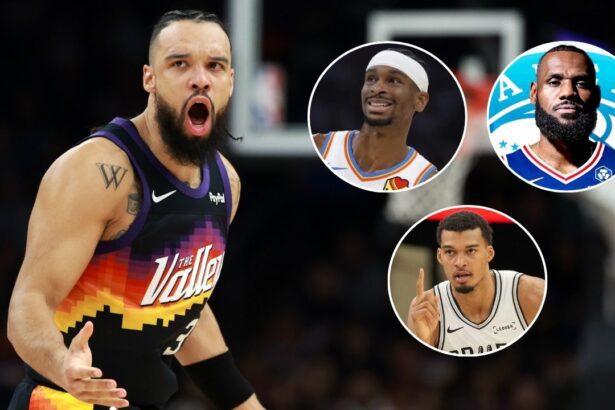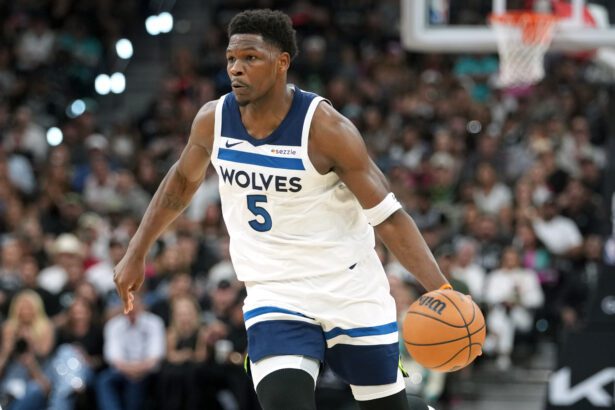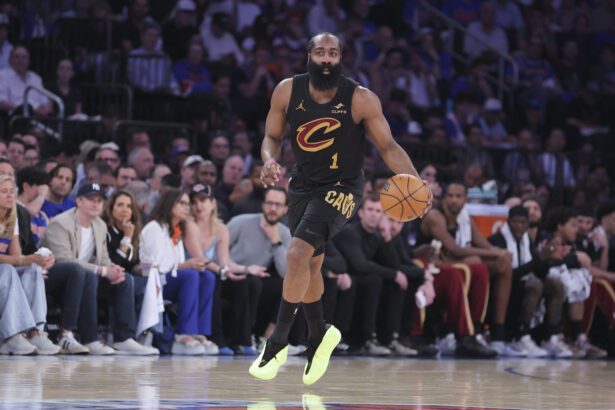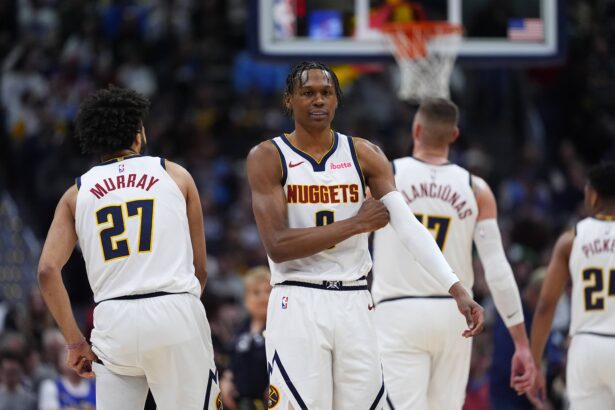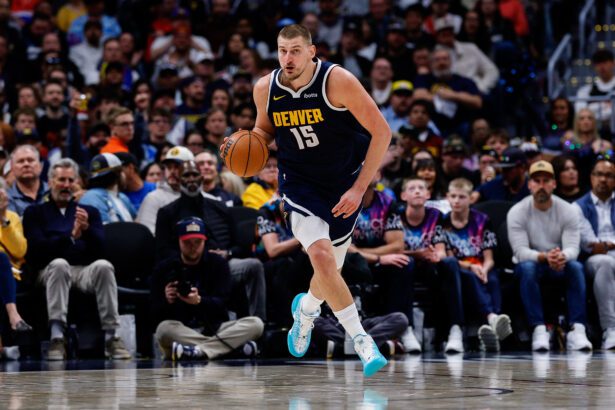
The absence of Austin Reaves already tilts the margin for error, but when LeBron James joined him on the sideline, that margin disappeared entirely.
What followed was a long, disjointed night in San Antonio, where the Lakers never found traction and slipped to a 91-107 loss that felt heavier than the final score.
The Spurs controlled the tone early, dictated the pace throughout, and never allowed the game to turn into a real fight.
This wasn’t about one bad stretch or a cold quarter. The Lakers were outworked, out-spaced, and out-executed for most of the night, struggling to create clean looks while giving up easy ones on the other end. Even with a massive individual performance from Luka Doncic, the gaps around him were impossible to ignore.
Luka Doncic Did Everything And Then Some
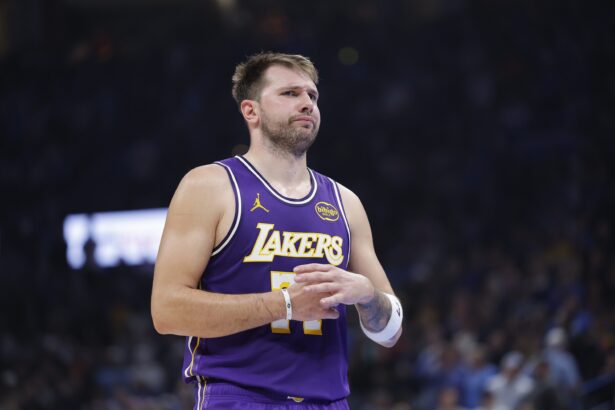
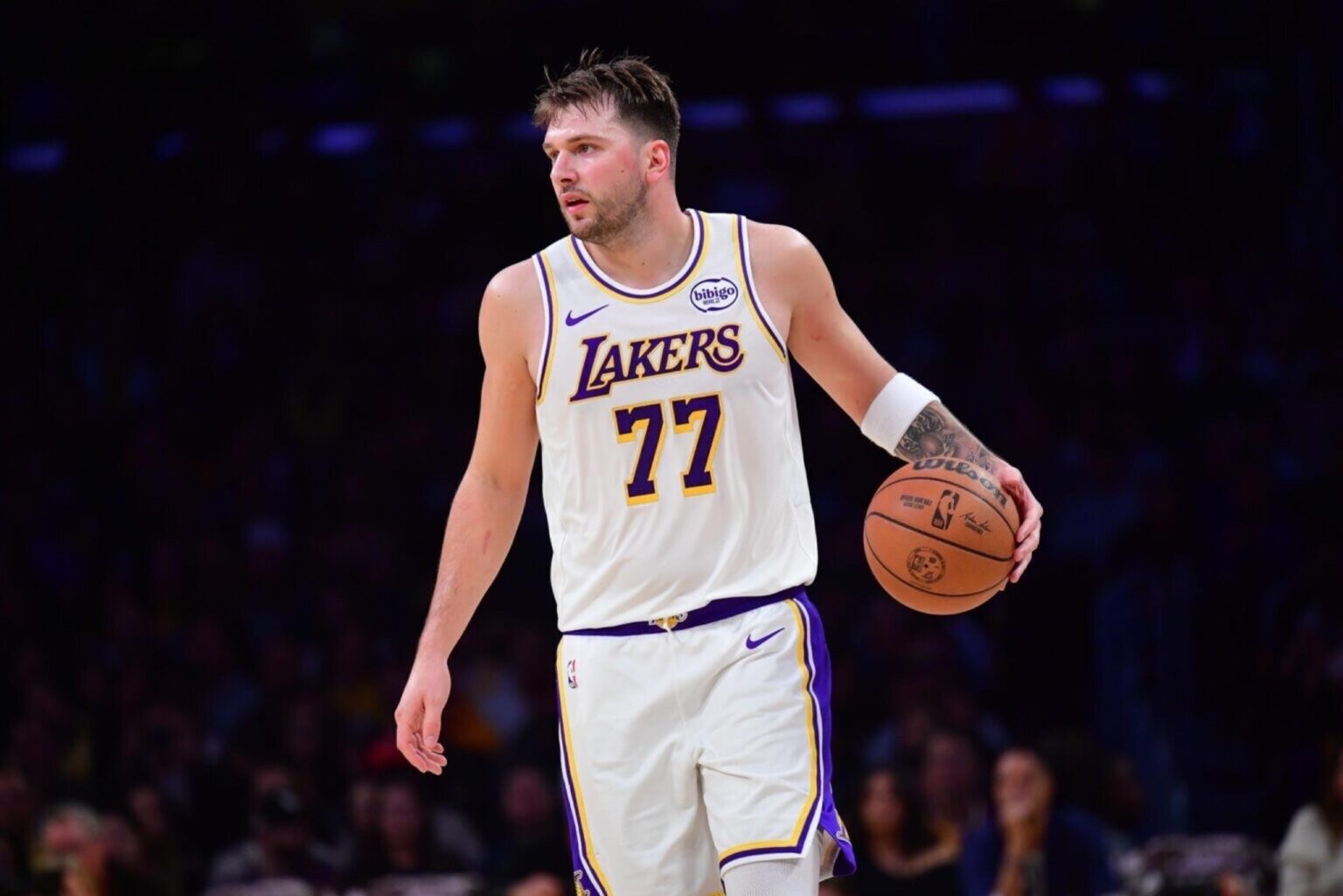
If the Lakers were hoping for a superstar to carry them through adversity, Luka Doncic delivered exactly that. He poured in 38 points on 13-of-26 shooting, added 10 rebounds and 10 assists, and lived at the free-throw line with 16 attempts. Nearly every functional possession ran through him, and for long stretches, he was the only reason the offense stayed afloat at all.
The problem was that Luka’s brilliance came in isolation. He finished with seven turnovers, many of them the result of defenders loading up on him with no fear of punishment elsewhere. San Antonio sent help early, late, and often, knowing the Lakers lacked secondary creators. Luka could bend the defense, but without consistent spacing or cutting around him, those bends never snapped.
The Supporting Cast Couldn’t Sustain Offense
Outside of Doncic, the Lakers shot just 21-for-60 from the field. As a team, they finished at 39.5% overall and an ugly 9-for-39 from three-point range. Jake LaRavia provided some perimeter shooting with four made threes, but there was no steady second scorer to relieve pressure when San Antonio keyed in on Luka.
Marcus Smart struggled mightily, scoring just two points on six shots while committing four turnovers. Dalton Knecht and Gabe Vincent combined to shoot 4-for-14, and the bench as a whole failed to generate momentum. With Reaves out, the Lakers lacked the connective playmaking that usually keeps their offense from stalling into stagnant isolations.
San Antonio Owned The Paint And The Glass
While the Spurs didn’t shoot well enough to beat the Lakers, they controlled the two most important aspects of the game. They scored 66 points in the paint while allowing the Lakers only 40 points in the paint. They also won the rebounding battle 50-45.
Luke Kornet, Julian Champagnie, and Keldon Johnson all carved out space inside, while Wembanyama added 14 rebounds and four blocks off the bench. The Lakers managed just two total blocks as a team, a stark indicator of how little resistance they provided near the rim. Once San Antonio established inside control, the game tilted permanently.
The Margin For Error Without LeBron Is Razor Thin
This loss wasn’t just about missing star power; it was about structure. Without LeBron James organizing possessions and Austin Reaves smoothing out rough stretches, the Lakers’ offense lacked rhythm and direction. They finished with only 16 assists on 34 made field goals, a sign of how often possessions ended with forced shots late in the clock.
Defensively, the discipline wasn’t there either. The Lakers committed 17 turnovers that led to 14 Spurs points, while San Antonio played clean, controlled basketball for most of the night. Against elite teams, those numbers get punished even harder. If this game showed anything, it’s that without their full core, the Lakers don’t just lose star power – they lose identity.