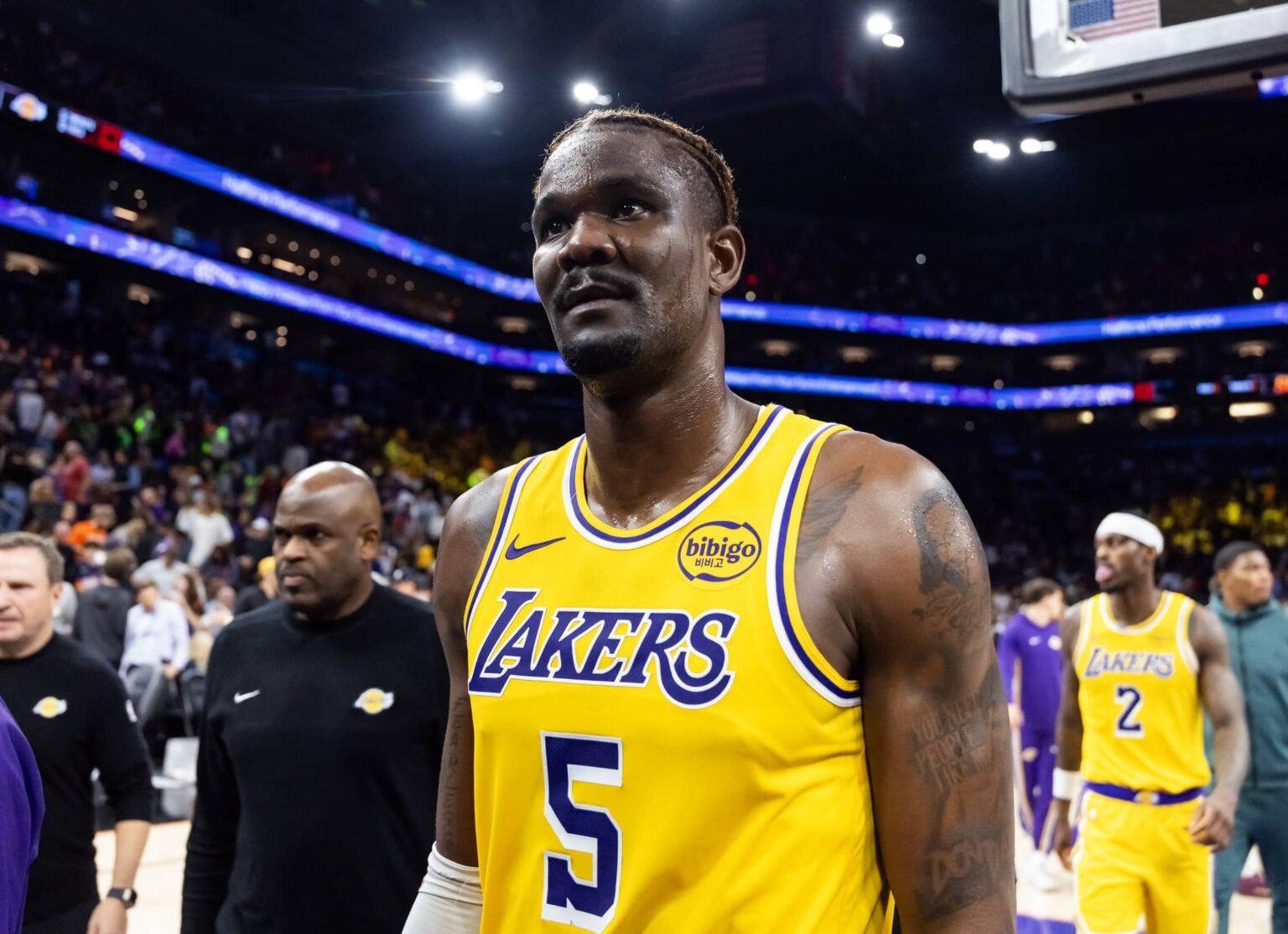
Deandre Ayton shared a glimpse into the Los Angeles Lakers locker-room dynamics when he addressed the idea of calling out LeBron James. Speaking after practice on Saturday, Ayton made it clear that accountability in a locker room sounds simple in theory but is far more complicated in reality, especially when the player involved is one of the most powerful figures the league has ever seen.
“Not everybody could go up to LeBron James and think they could tell LeBron how to do certain things and, you know, do certain, certain ways. It’s all about personnel, and knowing, and taking constructive criticism. That’s all about togetherness.”
“And, you know, I think once we get a feel of how to really bring each other up, we’re going to get rolling here in a second. I just feel like we, as a team, collectively talking is getting there, to be honest. It’s just that we always have different groups out there every day.”
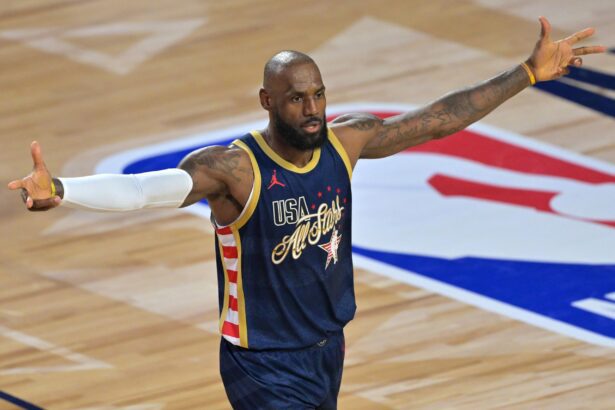
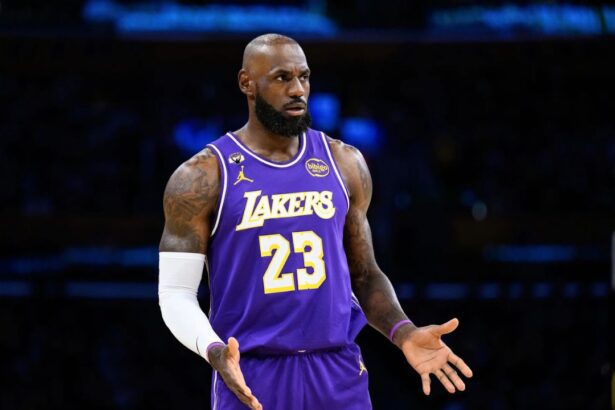
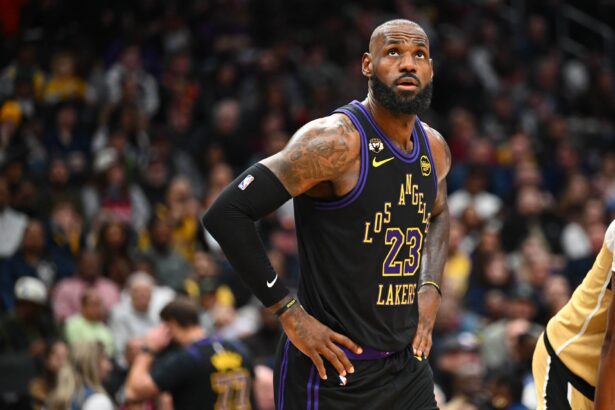
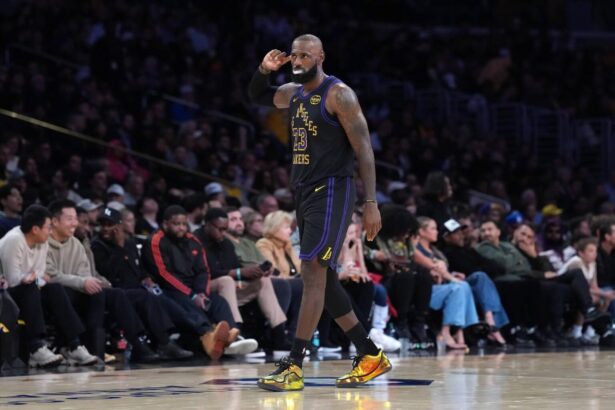
These statements matter, as they acknowledge something that many players never say out loud. LeBron James is not just any other teammate. LeBron is universally regarded as one of the two greatest players of all-time. The King is a four-time champion, a four-time Finals MVP, a four-time MVP, and the NBA’s All-Time leading scorer.
Ayton’s comments come at a time when the Los Angeles Lakers are under fire. Head coach JJ Redick recently delivered a straight message, openly questioning the Lakers’ desire and effort.
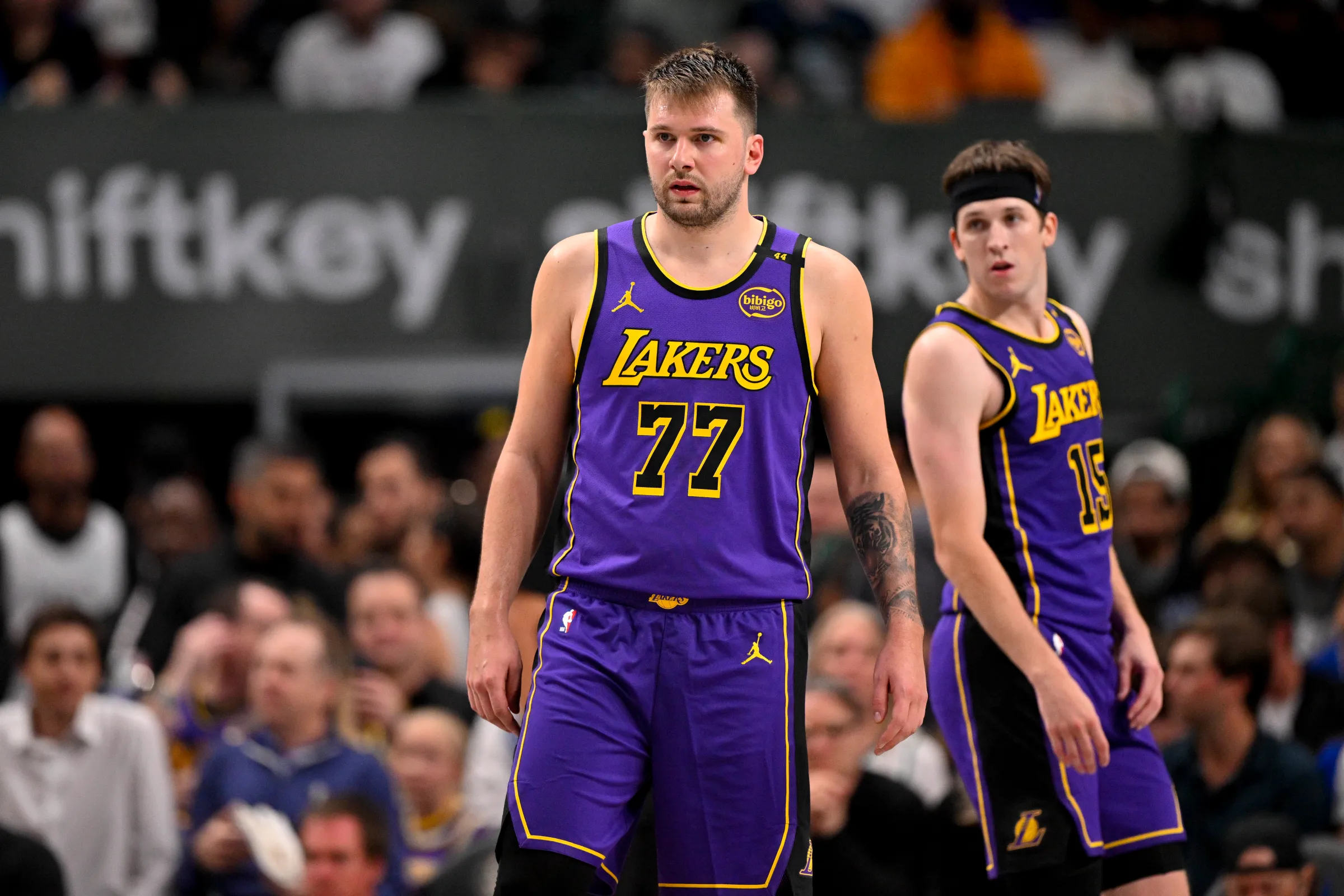
The NBA World believes that this was directly aimed at LeBron, Luka Doncic, and Austin Reaves. One rival coach even suggested Redick’s comments were intentionally directed at the stars, not the role players.
LeBron’s own play is another talking point. At age 40, in Year 23, he is no longer immune to criticism. His season averages of 20.2 points, 5.1 rebounds, and 6.8 assists are strong, but moments of defensive disengagement have gone viral. Redick’s frustration did not come out of nowhere. It was fueled by repeated breakdowns, missed rotations, and effort lapses that no scheme can cover.
Ayton’s point is not that LeBron should not be challenged. It is how you challenge him that matters more than what you say. Constructive criticism only works when trust exists, and trust takes time. You cannot shortcut that process, especially when dealing with a player who has seen every version of accountability imaginable over two decades.
For the Lakers, that may be the real battle ahead. The talent is there. The expectations are sky-high. But unless the locker room finds a way to hold everyone accountable without fracturing trust, the tension will linger. Ayton’s comments reveal that players know this. They are aware of the tightrope they are walking.
Calling out LeBron James is not about courage. It is about timing, respect, and intent. Ayton just explained why not everyone is built to do it, and why doing it the wrong way can cost more than it fixes.