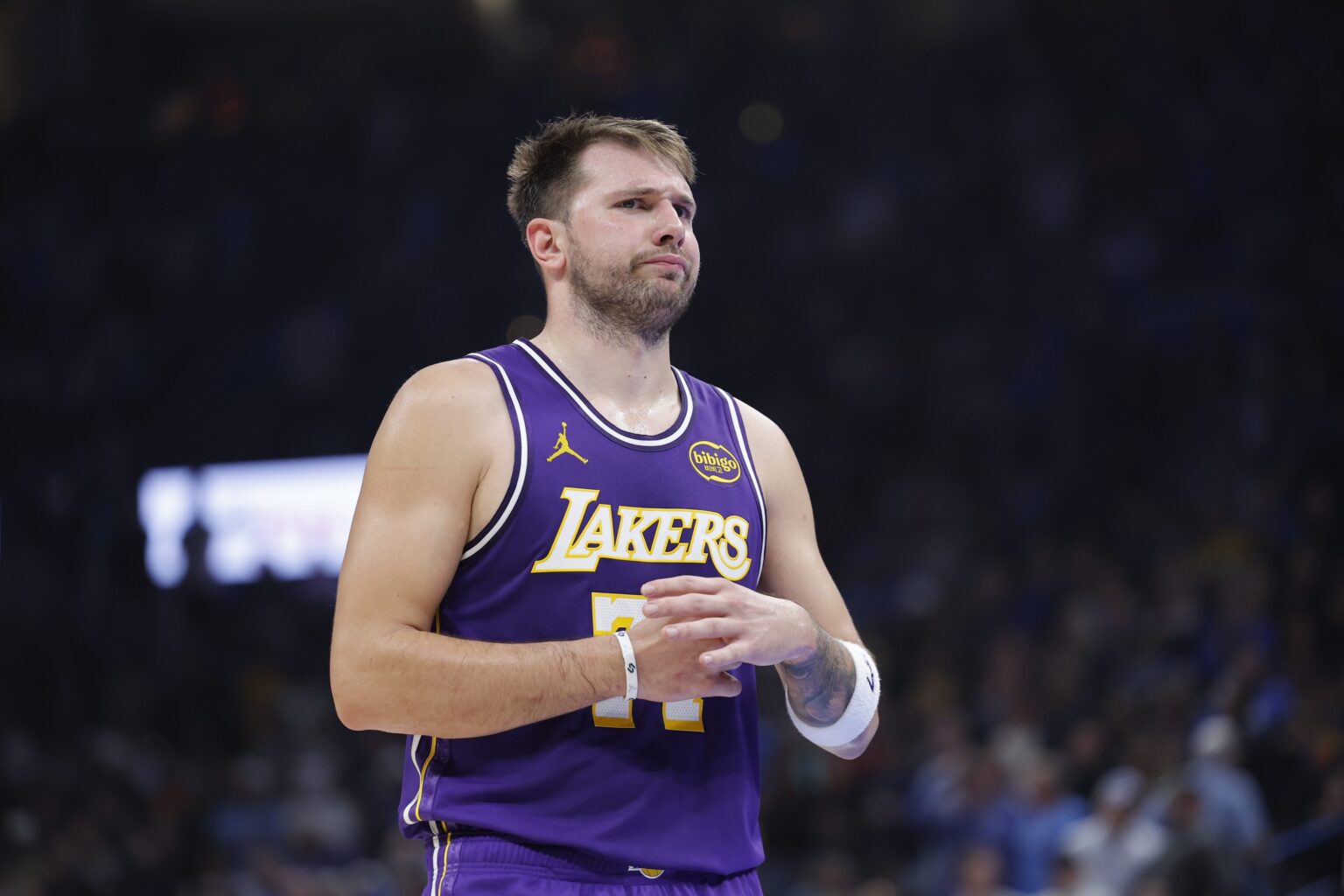
Jeanie Buss has shed new light on one of the most shocking deals in recent NBA history, revealing how secrecy played a decisive role in the Luka Doncic trade to the Los Angeles Lakers. Speaking on the Pretty Tough podcast with Maria Sharapova, Buss made it clear that the move only worked because it stayed completely under wraps, even suggesting that Mark Cuban would have done everything possible to stop it.
“Those conversations started the beginning of January I’ll never forget. That’s when all of Los Angeles was on fire.”
“In order to trade somebody like Anthony Davis, it would have to be with approval. And certainly getting a player of Luka’s caliber and being at the beginning end of his career was just an extraordinary opportunity. But it required a lot of strategy and a lot of small steps in order to pull it off. Rob Pelinka was able to do that, all with it out leaking to the media, because I think Mark Cuban might have jumped in front of a train to keep it from happening.”
“We had a game in New York that night. The coach knew that this was going to happen, but he still had to play the game, and we won the game that night. Then all world, you know, turned upside down.”
That secrecy proved critical. Buss openly stated that if word had reached Cuban, who still held influence within the Dallas Mavericks organization at the time, he might have ‘jumped in front of a train’ to block the deal. While dramatic, the comment reflects how valuable Doncic was viewed internally and how quickly external pressure could have derailed negotiations.
The scale of the move cannot be overstated. There was no public trade request. There were no rumors suggesting Doncic was available. Both franchises were operating as usual until conversations escalated behind the scenes. When Mavericks executive Nico Harrison initially reached out to Pelinka, the idea reportedly sounded unrealistic.
As talks progressed, the opportunity became real, and the stakes rose with it. Any leak could have triggered league-wide chaos, with multiple teams entering the race and fan backlash intensifying instantly.
That fear was not misplaced. After the trade became official, Mavericks fans reacted with outrage. The franchise had just moved a generational talent, and the backlash was immediate. In hindsight, Buss’ comments underline why the Lakers treated the situation with such caution.
Even internal operations were handled carefully. On the night the deal was finalized, JJ Redick knew, but the team still had to play a game in New York. They won, even as the basketball world was about to shift.
The aftermath has been complex for both sides. Dallas, which viewed the move as a win-now strategy, struggled with injuries and inconsistency. The team missed the playoffs and eventually reset its direction, later landing the number one pick and drafting Cooper Flagg. Harrison, the architect of the trade, was dismissed as general manager, and the roster underwent further changes, including moving Davis as part of a broader rebuild.
For the Lakers, the transition has been uneven but promising. Doncic showed flashes of elite form and returned to MVP-level production this season, even as roster flaws remained. Injuries to Doncic and Austin Reaves late in the year created setbacks, but the team still surged into the postseason.
Now, Los Angeles holds a 3-1 lead over the Houston Rockets in the first round. Reaves is expected to return soon, while Doncic’s timeline points toward a potential comeback in the next round. Buss’ comments offer a rare look into how that opportunity came together, driven by timing, discipline, and complete silence.