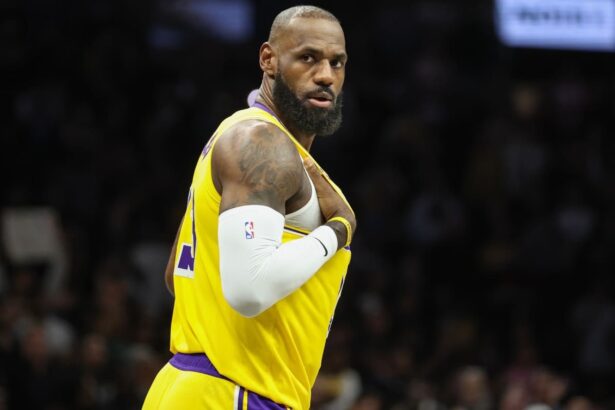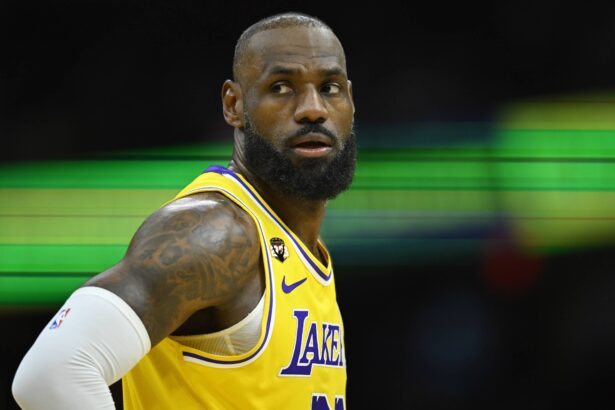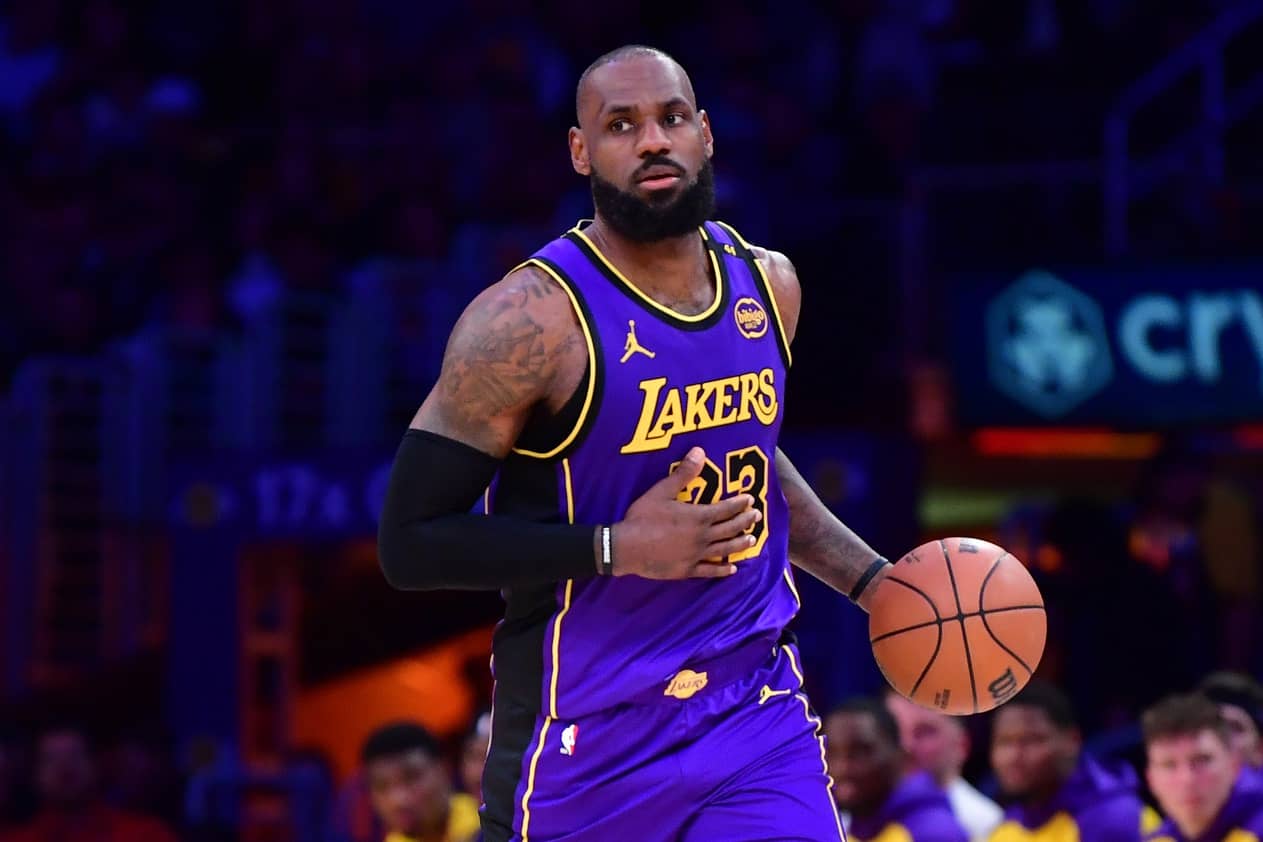
LeBron James has made a habit of turning long shots into certainties, and that skill clearly extends far beyond the basketball court. One of the clearest examples sits across the Atlantic, where a relatively quiet investment he made more than a decade ago has ballooned into one of the smartest financial plays any active athlete has ever made.
Back in 2011, while most of the sports world was obsessed with the Miami Heat’s Big Three era, LeBron invested $6.5 million for a two percent stake in Liverpool FC. At the time, it barely made headlines. To many, it looked like a superstar athlete dabbling in European soccer out of curiosity. In reality, it was the start of a long-term equity play rooted in patience, brand growth, and global scale.
Fast forward to 2021, and that original stake became even more powerful. LeBron chose to convert his Liverpool equity into ownership within Fenway Sports Group, the parent company that owns Liverpool, the Boston Red Sox, the Pittsburgh Penguins, and RFK Racing. That move didn’t just diversify his portfolio. It multiplied its reach. One decision turned a single-club investment into exposure across multiple leagues, continents, and revenue streams.
By 2025, the numbers tell a staggering story. Liverpool’s valuation has surged dramatically thanks to consistent on-field success, global fanbase expansion, commercial partnerships, and Premier League media deals. Combine that growth with Fenway Sports Group’s broader portfolio appreciation, and LeBron’s initial $6.5 million investment is now estimated to be worth over $108 million, as the club is valued at $5.4 billion. That is a return north of 1,500 percent.
What makes this even more impressive is the timing. LeBron didn’t buy into a finished product. He invested when Liverpool were still rebuilding, before Champions League dominance, before global commercial expansion fully exploded, and before sports franchises began accelerating in valuation the way they have over the last decade. He bet early, stayed patient, and avoided the temptation to cash out quickly.
What puts this in even sharper perspective is how it compares to LeBron’s basketball earnings. Over his NBA career, LeBron has earned over $580 million in salary alone across stints with the Cleveland Cavaliers, Miami Heat, and Los Angeles Lakers, placing him only behind Kevin Durant in the NBA’s all-time earnings.
This is a consistent theme in LeBron’s business philosophy. He has repeatedly chosen equity over quick endorsement checks. Beats by Dre. SpringHill. Fenway Sports Group. Even his Nike lifetime deal follows the same logic: align with brands that scale globally and hold value over decades, not seasons.
The Liverpool investment also underscores how LeBron thinks differently from most athletes. Many players focus on preserving wealth. LeBron focuses on compounding it. By reinvesting his success into ownership rather than consumption, he has quietly positioned himself among the most powerful figures in modern sports business. His net worth now comfortably sits at $1.76 billion, with the majority of that coming from off-court ventures.
What makes the story even more striking is that this financial dominance is happening alongside elite on-court production. LeBron is still performing at a high level in his 40s, still driving ratings, still anchoring franchises, while simultaneously overseeing an investment portfolio that rivals those of seasoned Wall Street veterans.
The Liverpool stake is not just a flex. It is a blueprint. It shows how athletes can leverage global brands, long-term ownership, and patience to create generational wealth. LeBron didn’t just become a billionaire by playing basketball. He became one by thinking several moves ahead, long before most people even realized the game had changed.
In every sense, LeBron James has mastered leverage. On the court. In business. And now, across global sports ownership.