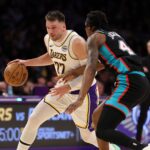
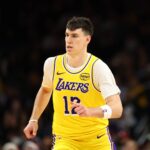
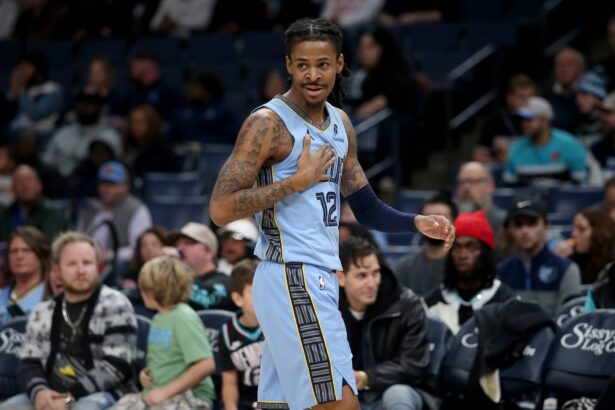
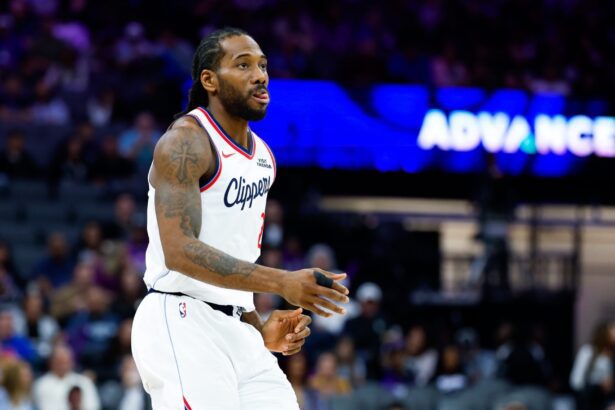
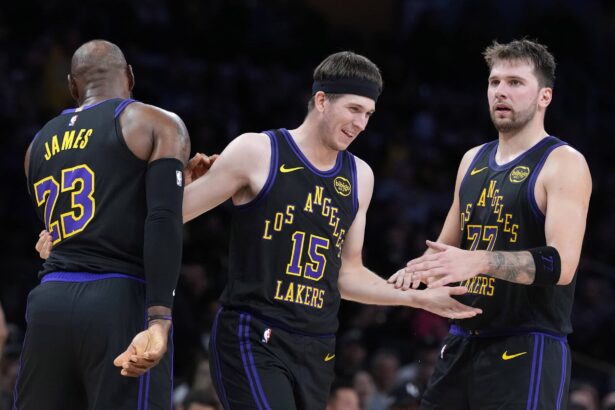
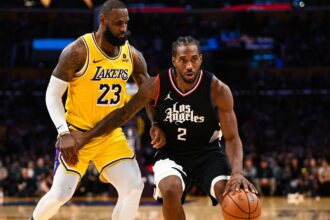
There was no moment where this game felt settled, even when the Lakers were in front. Every small surge came with resistance, every cushion felt temporary, and the Grizzlies made sure nothing came easy. Yet when the night reached its most fragile possessions, Los Angeles looked comfortable living there. The 120-114 final didn’t reflect domination so much as control, which shows up when a team understands how to manage pressure without rushing through it.
That composure carried the Lakers through the closing minutes. Instead of chasing separation, they trusted spacing, clock management, and decision-making. The Grizzlies kept swinging, fueled by extra possessions and physical play, but Los Angeles never blinked. The difference was the Lakers’ ability to execute when the game narrowed, and every mistake carried weight.
1. The Lakers Won The Game Where It Usually Slips Away
This wasn’t a night where the Lakers overwhelmed Memphis with shot-making or pace. They won it in the narrow margins, the possessions that usually decide games like this one the other way. Down the stretch, Los Angeles slowed the tempo, protected the ball, and forced the Grizzlies to score against a set defense. That showed up in the final numbers: Memphis shot just 42.3% overall and only 24.4% from three (10-for-41), struggling to find clean looks when the game tightened.
What mattered more was how the Lakers avoided self-inflicted damage. Despite Memphis grabbing 16 offensive rebounds, Los Angeles limited second-chance damage when it counted and held the Grizzlies to just 6 points off Lakers turnovers. Those details kept the lead intact late, even when Memphis had multiple chances to flip momentum.
2. Free Throws Quietly Became The Difference
The scoreboard doesn’t scream it at first glance, but the free-throw line tilted this game. The Lakers attempted 41 free throws and converted 33 of them, while Memphis finished 20-of-22. That gap mattered in a six-point game, especially during stretches when neither team could buy a perimeter shot. When the offense stalled, Los Angeles kept the clock moving and the scoreboard ticking.
The Lakers also drew fouls without forcing contact. They attacked mismatches, sealed defenders in the post, and stayed patient on drives rather than barreling into traffic. Memphis, by contrast, racked up 31 fouls, many of them coming on late rotations or bailout reach-ins, the kind of mistakes that don’t feel dramatic in the moment but stack up by the final horn.
3. Defense at the Rim Kept Memphis From Ever Fully Catching Fire
Even with Memphis generating extra possessions, they struggled to turn them into easy points. The Lakers finished with six blocks, repeatedly meeting drives at the rim and forcing kick-outs late in the shot clock. Jaren Jackson Jr. and Jock Landale combined for 23 points, but neither consistently punished Los Angeles inside despite the rebounding advantage.
The paint numbers told the story. Memphis scored 58 points in the paint, but many came early or off broken plays. In the fourth quarter, those looks dried up. The Lakers stayed vertical, rotated early, and trusted help defense instead of gambling. That discipline prevented Memphis from ever stringing together the kind of run that flips a close game.
4. This Looked Like A Team That Knew How To Close
There was no panic in the final five minutes. The Lakers didn’t rush shots, didn’t settle early in the clock, and didn’t abandon spacing. They assisted on 30 baskets, continuing to move the ball even as pressure mounted. That trust showed – the offense stayed organized instead of devolving into isolation possessions.
Most telling was how the Lakers managed time. They forced Memphis into late-clock decisions, avoided empty trips, and made the Grizzlies work for everything. The result wasn’t flashy, but it was effective. In a game where momentum swung constantly, Los Angeles owned the final stretch, and that’s usually the hardest part to teach.