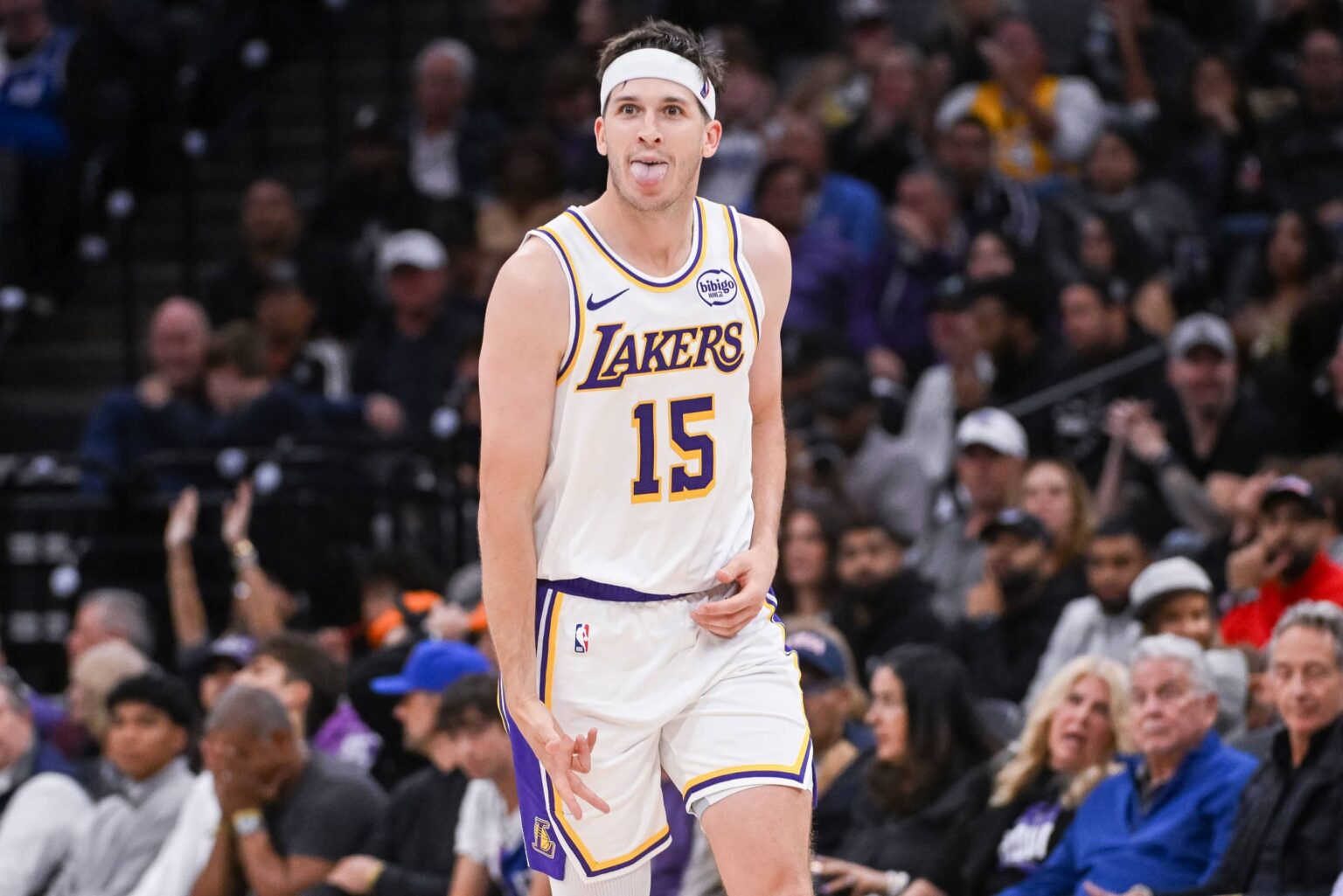
Tension around the Los Angeles Lakers spilled into public view this week when one of Austin Reaves’ agents confronted Rich Paul directly over his recent trade comments. According to Dave McMenamin of ESPN, Reaves’ agent Reggie Berry approached Paul at halftime of the Lakers’ win over the Hawks and spoke with him for more than five minutes near half court. The topic was clear: Paul’s public suggestion that the Lakers should trade Reaves.
That moment matters because it almost never happens in the open. Agents argue behind closed doors all the time. They do not usually confront each other on the sideline of a nationally televised game unless something has gone badly wrong.
From Reaves’ camp’s perspective, it is easy to understand the frustration. Reaves is in a contract year and playing the best basketball of his career. He is averaging 26.6 points, 5.2 rebounds, and 6.3 assists while carrying a massive offensive load next to LeBron James and Luka Doncic. Around the league, executives already view him as a future max or near max player, with expectations that his next deal could approach $200 million in total value.
That context makes Paul’s comments explosive. Paul went on his podcast and floated the idea of trading Reaves for Jaren Jackson Jr., framing it as a basketball move that could help the Lakers defensively while also positioning Reaves to get paid elsewhere. From a purely theoretical standpoint, it was a debate topic. From a business standpoint, it directly undercut Reaves’ leverage in Los Angeles.
When an agent representing one superstar publicly discusses trading another player who is negotiating his next contract, lines get crossed. Reaves’ camp saw it as interference, plain and simple. Berry stepping in was about protecting his client’s value and sending a message that Reaves is not a throw-in or a convenient talking point.
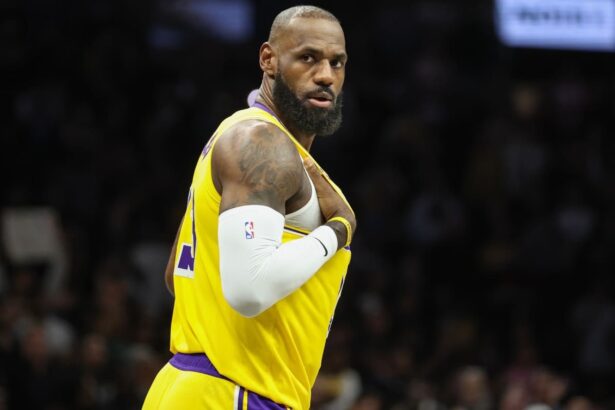
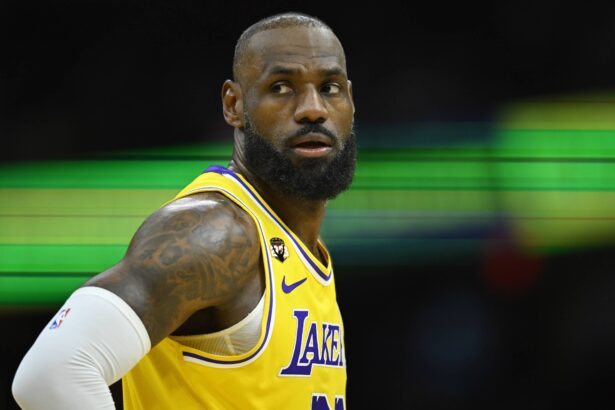
The situation became even more awkward because of Paul’s proximity to LeBron. Any time Paul speaks, people assume he is echoing LeBron’s thoughts. That forced LeBron to address the issue publicly, distancing himself from the trade idea and making it clear Paul was speaking only for himself. LeBron emphasized that he and Reaves talk daily and that Reaves knows exactly how highly he is valued inside the locker room.
Still, the damage was already done. Around the league, agents noticed. Front offices noticed. And clearly, Reaves’ representation noticed enough to confront Paul face-to-face.
This is not just about hurt feelings. It is about money, power, and timing. Reaves is on the verge of a career-defining payday. Any narrative suggesting he is expendable or merely a trade asset weakens his negotiating position, even if only slightly. Agents exist to eliminate that risk.
It also adds to a broader pattern. The Lakers organization has already shown visible frustration with Paul’s increasingly public commentary about roster construction, championship odds, and specific trade frameworks. The sideline exchange with Berry is another sign that Paul’s media presence is creating friction not just with fans, but within NBA power circles.
For now, nothing changes on the surface. Reaves remains a cornerstone in the Lakers’ plans. Paul remains LeBron’s agent. But moments like this linger. When agents start confronting each other during games, it signals that the noise has become impossible to ignore.
In a league where perception shapes value, Reaves’ camp made one thing clear. If anyone is going to speak on Austin Reaves’ future, it will be them.