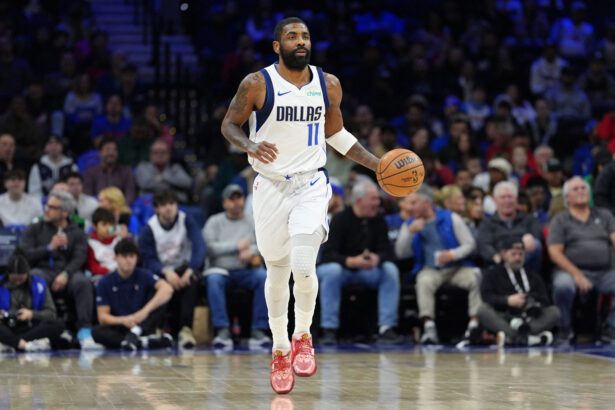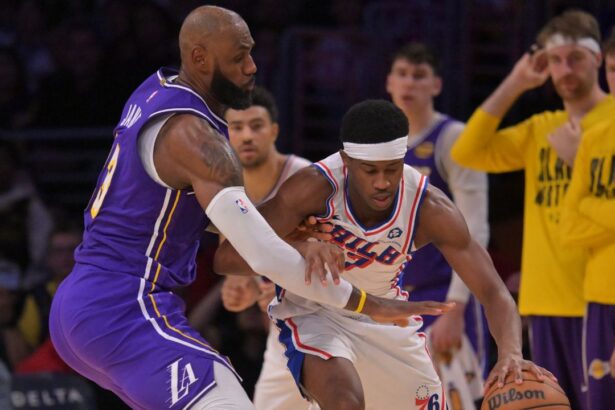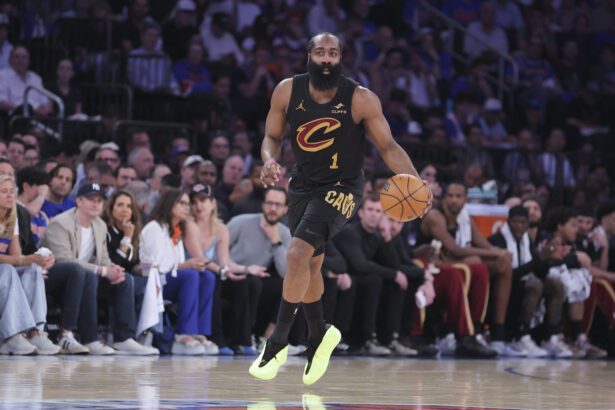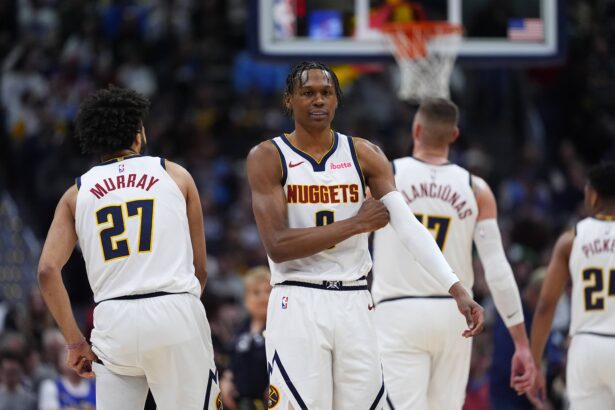
The Suns host the Heat at PHX Arena on Sunday, January 25, at 8:00 PM ET.
The Suns are 27-18, while the Heat are 24-22. Both teams arrive with momentum in opposite directions: the Heat just blew out the Jazz 147-116 to close a road trip swing, while the Suns dropped a 110-103 game to the Hawks in a night that turned when Devin Booker exited with a right ankle injury.
These teams already met once this season, with the Heat taking a 127-121 win on January 13 after nearly letting a big lead slip. Now they run it back with the injury report shaping everything, especially with Booker ruled out and multiple Heat guards compromised.
Even so, there’s still plenty of production on the floor. Booker is putting up 25.4 points, 4.0 rebounds, and 6.2 assists (but won’t play), while Dillon Brooks has been a steady secondary scorer at 20.2 points and 3.5 rebounds.
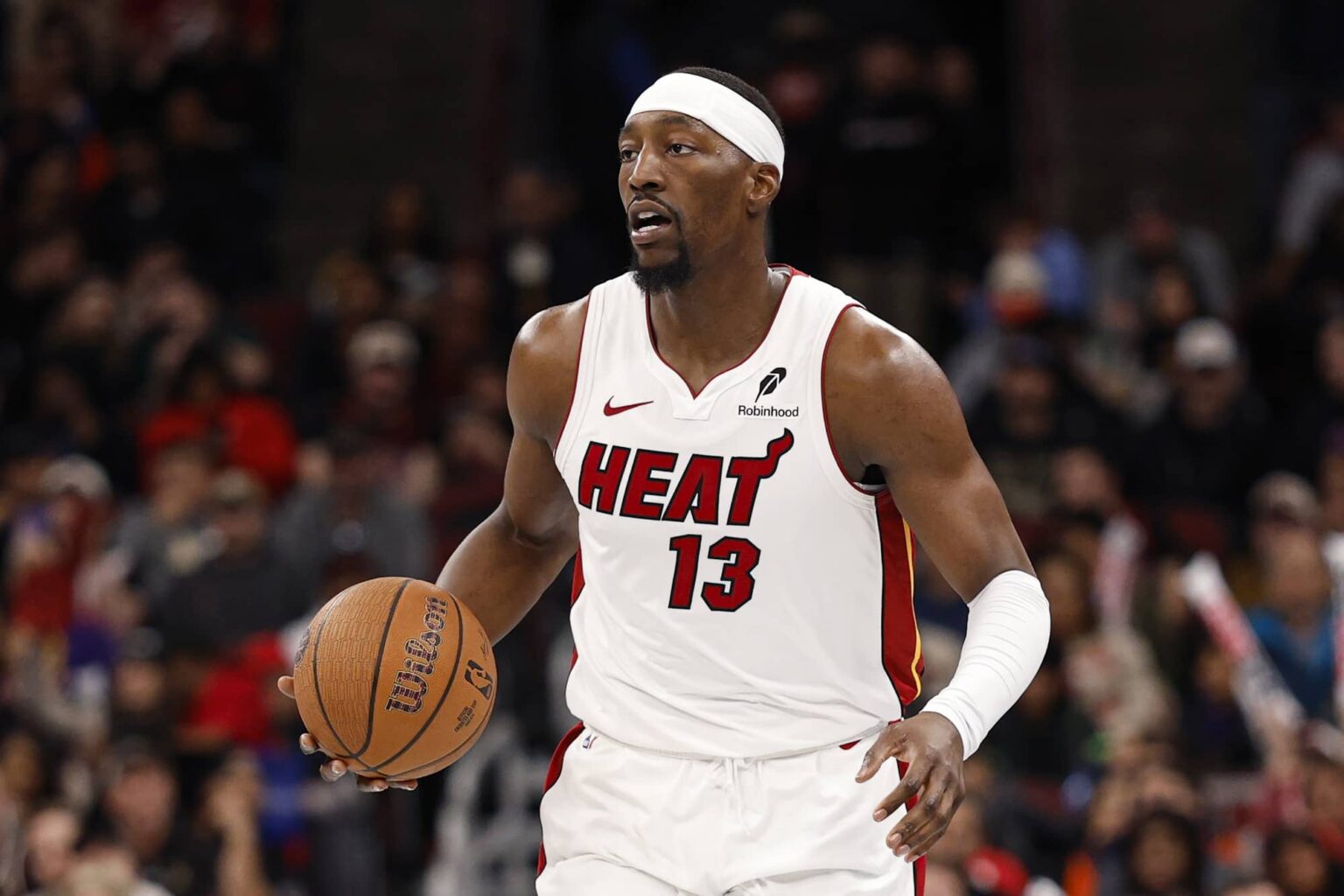
For the Heat, Norman Powell has carried major scoring weight at 23.3 points per game, and Bam Adebayo is at 17.8 points and 9.7 rebounds.
Injury Report
Suns
Devin Booker: Out (right ankle sprain)
Jalen Green: Questionable (right hamstring; injury management)
Heat
Tyler Herro: Out (right costochondral; injury to the ribs)
Terry Rozier: Out (not with team)
Kel’el Ware: Out (right hamstring strain)
Davion Mitchell: Doubtful (left shoulder sprain)
Why The Suns Have The Advantage
The Suns’ best argument is defensive stability. They’re allowing 111.8 points per game, which is a very real baseline edge against a Heat team that has been winning shootouts more than grinding teams down.
The Suns also keep opponents from living at the line and tend to force you into half-court possessions, and that matters when the Heat could be short-handed at guard.
The second piece is shot quality without needing chaos. The Suns score 114.4 points per game on 46.1% from the field and 36.5% from three, and their 25.2 assists per game tells you they can still manufacture offense even if the primary creator is missing. This becomes a “spread the floor, make the extra pass, win the math” night.
The swing detail is turnovers. The Suns cough it up 15.4 times per game, so if they’re careless, they’re inviting the Heat to run. But if they simply play clean, the defense gives them a path to win an ugly one.
Why The Heat Have The Advantage
The Heat’s case is straightforward: offense, pace, and volume. They’re scoring 119.9 points per game with 28.7 assists per game, and when they get comfortable, they can turn a normal game into a scoreboard sprint. They just proved it by hanging 147 on the Jazz, and that kind of confidence tends to travel.
They also rebound at a high level. The Heat are at 45.9 rebounds per game, and that edge can matter a lot against a Suns team at 43.1, especially if the Suns are missing shot creation and need extra possessions to offset it.
Yes, the Heat have been leaky defensively (118.4 points allowed per game), but this matchup is about whether the Suns can score enough without Booker. If the Heat hit their normal level of threes (36.7%) and keep the ball moving, the pressure shifts to the Suns role guys to win a scoring contest they didn’t plan on playing.
X-Factors
Grayson Allen becomes a centerpiece for the Suns. He’s at 16.3 points, 2.9 rebounds, 3.8 assists, and 1.6 steals, and with Booker out, the Suns need someone who can both space the floor and keep the offense connected when the first option is taken away. If Allen is creating advantages off closeouts instead of just standing in the corner, the Suns’ half-court offense looks far more sustainable.
Mark Williams is the other Suns swing. He’s posting 12.0 points and 8.2 rebounds with 1.0 blocks, and his presence can decide whether the Suns control the glass and finish possessions cleanly. If he’s giving them extra rebounds and rim protection without foul trouble, the Suns can keep the game at their preferred temperature.
Royce O’Neale is the glue piece. He’s at 10.3 points and 5.0 rebounds, and his job is to keep the Heat from targeting weak links defensively while also knocking down the open ones that come from help rotations. If he hits timely threes, the Heat can’t cheat toward the paint.
For the Heat, Andrew Wiggins is the tone-setter wing. He’s at 15.9 points and 4.9 rebounds, and with the backcourt banged up, they need him to generate clean offense without the possession breaking down into late-clock bailouts. If Wiggins gets downhill early, it shifts the Suns’ help scheme and opens kick-out threes.
Jaime Jaquez Jr. is the connector who can tilt the non-star minutes. He’s at 15.2 points, 5.3 rebounds, and 4.7 assists, and those assists matter here because the Heat will need secondary playmaking with Tyler Herro out and Davion Mitchell doubtful. If Jaquez keeps the ball popping, the Heat can survive the guard injuries without losing structure.
Pelle Larsson is the “quietly wins you a quarter” guy. He’s at 9.7 points and 3.3 assists, and if he’s hitting shots and defending without mistakes, the Heat can keep their spacing intact even when lineups get weird due to absences.
Prediction
With Booker out, I lean Heat. The Suns can absolutely drag this into a defensive game, but the Heat’s offensive ceiling and ball movement travel well, and the current injury setup puts a heavy scoring burden on Suns role players. If the Heat gets anything close to a normal shooting night, it’s hard to see the Suns generating enough easy points to keep up.
Prediction: Heat 116, Suns 111