Rich Paul reflected on one of the most polarizing moments in NBA history while speaking on the Game Over podcast. Looking back more than a decade later, the longtime LeBron James confidant admitted his initial reaction to the 2010 free agency decision was fueled by emotion rather than clarity.
“I’m the biggest LeBron critic of all critics. I did not like him going to Miami,” Paul said. “I didn’t speak to Dwyane Wade and Chris Bosh at all. I was furious, but I was wrong.”
At the time, Paul viewed the move as unnecessary and disruptive, especially given LeBron’s status as the face of the league. With distance and experience, however, he came to understand that the decision represented something bigger than basketball. It was about control, leverage, and breaking away from a system that rarely allows players to dictate their own futures.
“You don’t get to choose where you were drafted,” Paul said. “And in most cases, most athletes aren’t evaluating all things because they don’t have the autonomy. When you become a player that the market is the league, and that takes a different approach toward everything.”
The summer of 2010 changed the NBA forever. LeBron’s televised announcement sent shockwaves through the league, reshaped the balance of power, and ushered in an era of player empowerment that still defines free agency today. The backlash was immediate, as fans, analysts, and even James’ own agent criticized him for stacking the deck and building a superteam to take the easy way out.
To this day, LeBron is blamed for starting the “superteam” trend, and many thought at the time that his legacy would never recover. Rich Paul did not even speak to LeBron’s new co-stars for weeks until he finally came to terms with the new reality.
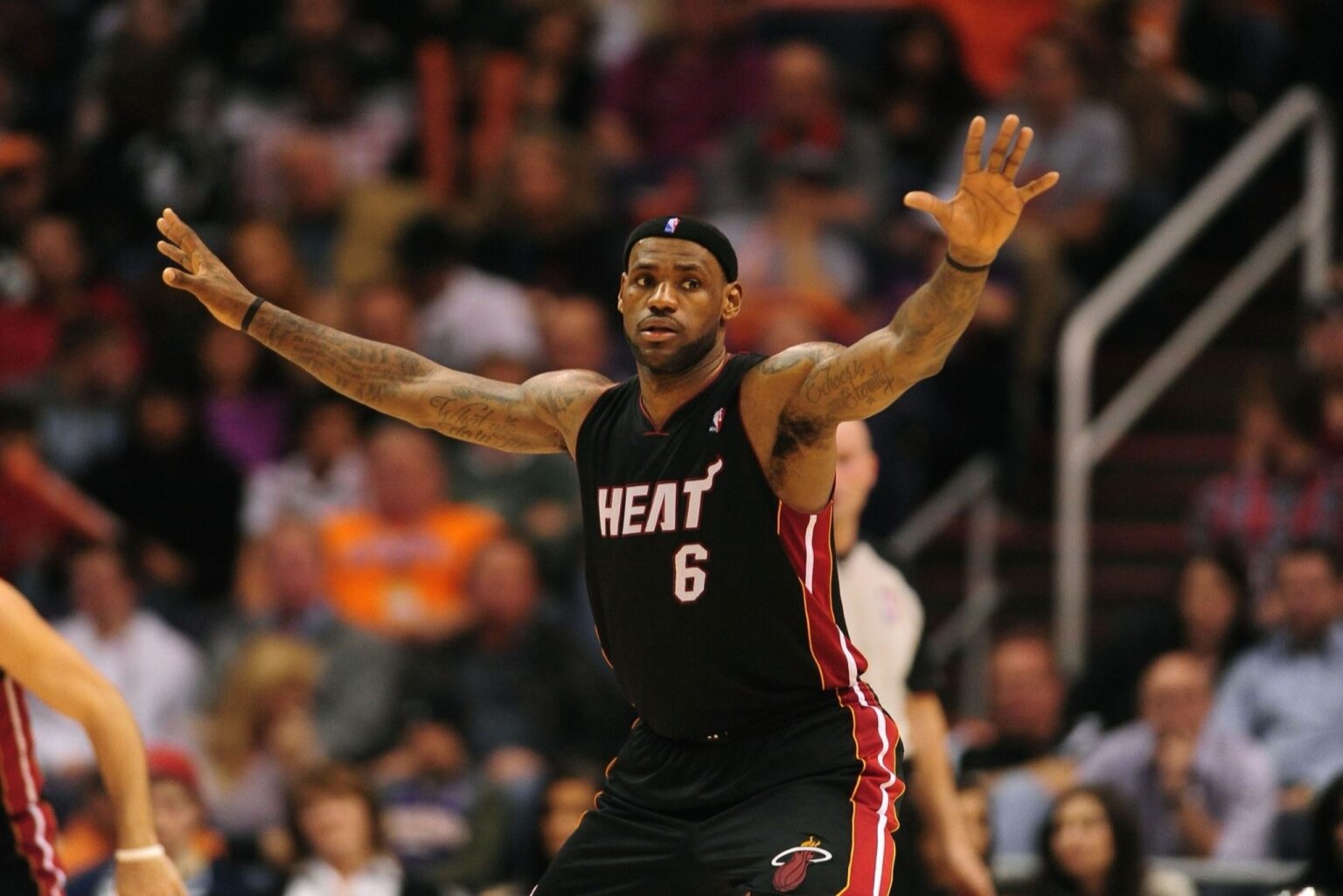
Still, despite the objections, LeBron enhanced his legacy in Miami, where he reinvented his career by winning two championships (2012 and 2013), making four Finals appearances, and cementing himself as an all-time great alongside Dwyane Wade and Chris Bosh. What once looked like a betrayal eventually became a blueprint, and even Paul now recognizes it as the move that altered the league’s trajectory for the better.
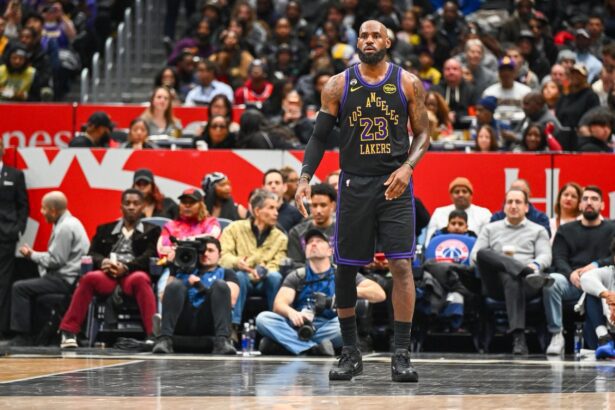
Ultimately, while LeBron’s stay was brief, that historic stretch in Miami gave him the experience he needed to reach the next level of stardom, and the results speak for themselves. Shortly after that stint, he won his third title in Cleveland before winning another in 2020 as a Laker. Today, at 40 years old, his greatness is undeniable as a four-time champion, four-time MVP, and 21x All-Star.
Looking back, Paul’s honesty adds another layer to a moment that already reshaped the league. What began as frustration eventually turned into understanding, as the Miami move became a catalyst for everything that followed in LeBron’s career. Time has a way of reframing controversial decisions, and in this case, it revealed how one choice helped redefine player power and set the stage for a legacy that continues to grow.