Mark Williams is finally breaking his silence on one of the most awkward and controversial moments of the Lakers’ season. Speaking on Young Man & The Three, Williams addressed the rescinded trade that briefly sent him to Los Angeles before everything unraveled behind the scenes.
“Honestly, like f**k y’all,” Williams said when reflecting on the situation. “I was excited to go there, I thought that I could really help them. That was going into the playoffs and once they lost, I tweeted the little smiley face. I was hating.”
The failed trade was one of the more surprising twists of the 2024-25 season. The Lakers had agreed to acquire Williams from the Hornets in a deal that would have sent Dalton Knecht, Cam Reddish, a 2031 first-round pick, and a 2030 pick swap to Charlotte. However, the agreement was rescinded after Williams reportedly failed his physical, with the Lakers citing a failure to meet a condition of the trade. The move was voided entirely, sending Knecht back to Los Angeles and returning the draft compensation.
The aftermath was messy for both sides. Williams was left frustrated with how the situation unfolded and how his health was framed publicly, while the Lakers were suddenly back where they started, still searching for frontcourt stability. The timing only intensified scrutiny, as the deal fell apart right before Los Angeles entered the postseason with a glaring hole at center.
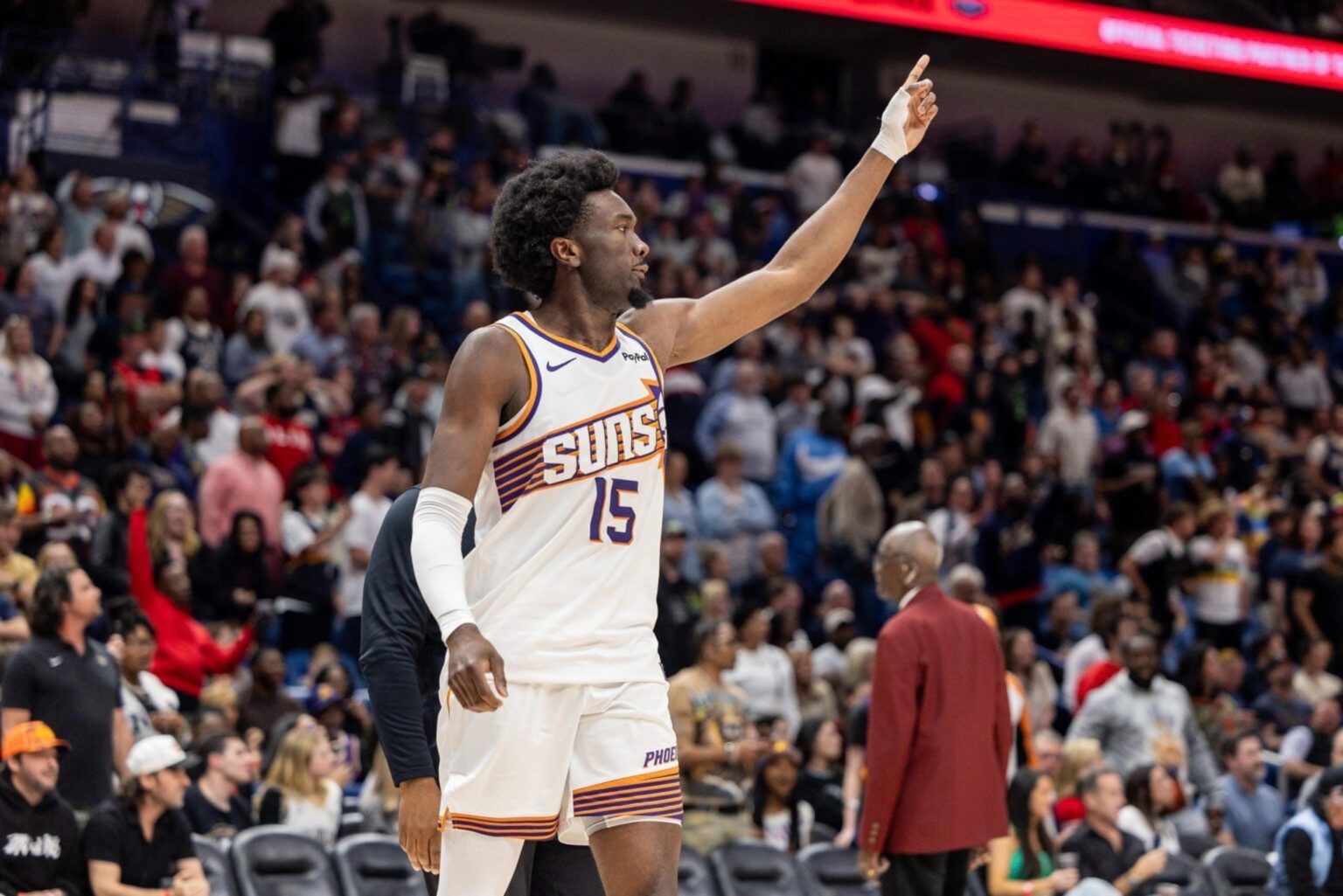
Since then, Williams has landed with the Phoenix Suns, where he has worked to reset his value and move past the awkward episode with the Lakers. While his role has varied, the opportunity represents a chance to prove durability and impact after the failed trade stalled what could have been a career-defining moment. For Phoenix, Williams has emerged as a reliable interior presence, averaging 13.1 points, 8.2 rebounds, 1.1 assists, 1.3 steals, and 0.9 blocks per game on 66.5% shooting.
He has played a meaningful role on a rejuvenated Suns team, forcing Lakers fans to wonder what might have been. Even with Deandre Ayton on the roster, Los Angeles has continued scrambling for size and rim protection, never fully addressing the problem the Williams trade was meant to solve. At 20-11 and trending downward, Williams could have been the kind of stabilizing presence their unreliable frontcourt has lacked.
Whether regret exists internally is unclear, but the optics are difficult to ignore. Williams believed he could have helped a playoff team, and the Lakers never replaced what the deal was supposed to provide. His comments reopen a moment many assumed had faded, serving as a reminder of how quickly trust, timing, and roster construction can unravel in the NBA.