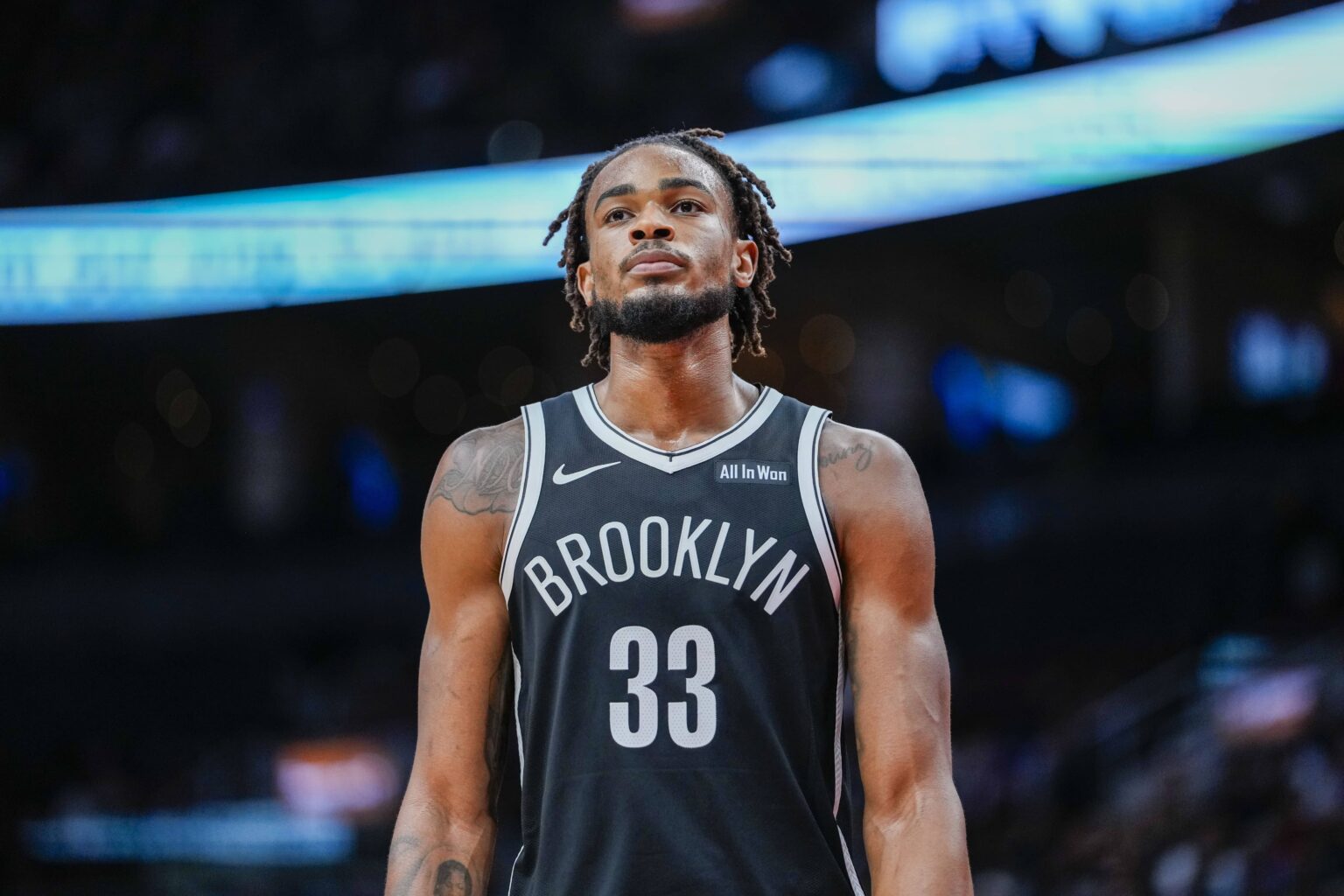
The Brooklyn Nets are sitting at 11-27, and that record is exactly why Nic Claxton’s name keeps popping up in deadline conversations. When a team is sliding and collecting calls, rival front offices always try the same move: “What would it take for your best defensive piece?” Claxton is that guy, a switchable center who can erase mistakes and still finish plays on the other end.
On the court, he’s having a strong season. Claxton is putting up 13.1 points, 7.5 rebounds, and 4.0 assists per game while shooting 58.0% from the field, and he’s at 1.4 blocks per game too. That assist number changes how teams talk about him. He’s not just a dunk-and-block big anymore, he’s a real connector who can keep possessions alive, hit cutters, and make quick reads when teams load up on the ball.
The most recent reporting says the Nets don’t want to move him. Michael Scotto has said the Nets view Claxton as part of their future, even with interest around the league, and the Nets would be looking for at least a first-round pick plus players who actually have value, not filler.
In other words, anyone calling has to come heavy. The Nets aren’t treating Claxton like a clearance sale item.
That’s why this gets fun. You’ve got contenders and near-contenders sniffing around center upgrades, and Scotto’s reporting has specifically had the Warriors and Pacers among the teams showing interest, while other reporting has also framed the Celtics as a team that would make sense in this lane.
The Nets’ stance basically sets the tone: if you want Claxton, you’re paying for a legit long-term starter, not renting a backup big for two months.
The Warriors Turn The Kuminga Chaos Into A Defensive Identity Shift
Brooklyn Nets Receive: Jonathan Kuminga, Trayce Jackson-Davis, 2028 first-round pick
Golden State Warriors Receive: Nic Claxton
This is the kind of deal that only happens when the Warriors decide they’re done playing the “wait and see” game with Jonathan Kuminga.
The situation hit a real breaking point this week, with ESPN’s Shams Charania reporting Kuminga formally requested a trade on the first day he became eligible to be dealt. Once it gets to that stage, the Warriors have one clear choice: flip the drama into a player who fits their core and actually solves a playoff problem.
Claxton is exactly that, because he would instantly give the Warriors a defensive backbone at center without forcing them to change who they are offensively. He runs, screens, finishes, and most importantly, he lets the Warriors defend in a way that doesn’t require perfect rotations every possession.
The Warriors’ best version is when they can pressure the ball, switch more actions, and still have a real safety net behind it. Claxton brings that, and he does it in a way that fits their pace and read-and-react style.
The trade construction also matches how the Nets would even consider a call like this. If you’re moving a cornerstone-level big, you want a premium swing plus real development pieces. Kuminga is the headliner.
Even in a season where his role has been choppy, he’s still putting up 11.8 points, 6.2 rebounds, and 2.6 assists per game on 43.1% from the field. He’s the type of forward the Nets can actually feature, not just “fit in.” Trayce Jackson-Davis is the secondary value, a cheap young big who can play minutes, grow, and keep the roster functional while the Nets figure out their next steps.
And the 2028 first-round pick is what turns this from a conversation into a serious offer. A real first is the difference between “nice try” and “okay, we’re listening.”
Now the money, because it matters here. Kuminga makes $22.5 million in 2025-26. Claxton makes $25.4 million. Trayce Jackson-Davis makes $2.2 million. This is a clean consolidation: the Warriors turn multiple assets into one high-impact starter, and the Nets turn one big salary slot into a young upside wing, a developmental big, and a first.
If the Warriors want the cleanest “reset” after Kuminga’s trade request, this is it. It’s aggressive, it’s expensive, and it finally gives them a center who can anchor lineups without begging the scheme to survive.
The Pacers Finally Stop Patching The Center Spot
Brooklyn Nets Receive: Obi Toppin, Bennedict Mathurin, 2027 first-round pick
Indiana Pacers Receive: Nic Claxton
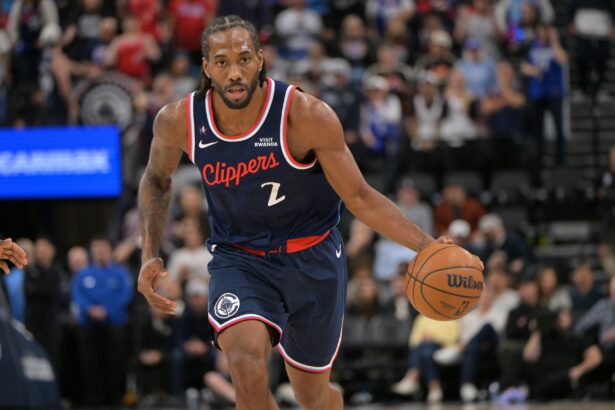
This is the kind of swing the Pacers only make with the season going completely sideways, and yeah, that’s exactly where they are. With Tyrese Haliburton out for the year rehabbing his Achilles, the Pacers have been living in the cellar, and at one point they dropped 13 of their first 14 games without him. They’re sitting at 8-31, which is basically the “nothing is sacred” zone for a front office.
That context matters because it explains why the Pacers would pay a real price for a long-term center. This season’s most legit reporting on their deadline approach already pointed in that direction: Shams Charania reported the Pacers have been in active talks trying to find a “center of the future” after losing Myles Turner in free agency.
From the Nets side, the pitch is straightforward: this is a real return, not fluff. Bennedict Mathurin is the upside piece, and he’s producing right now at 17.8 points, 5.5 rebounds, and 2.2 assists per game.
He’s also the kind of contract situation that can push a team toward a decision, because he’s headed toward restricted free agency territory and Jake Fischer has reported Mathurin is looking for something in the $20–30 million per year range on his next deal.
On top of that, there’s been real chatter that Mathurin has been made available in trade conversations as the Pacers chase frontcourt help. Obi Toppin is the “plug-and-play” piece, giving the Nets a rotation forward who’s putting up 14.0 points and 6.7 rebounds per game.
Then the 2027 first is the part that makes this look like a serious negotiation instead of a phone call that ends in laughter.
Now the money, because it matters here. Toppin makes $14.0 million while Mathurin makes $9.2 million in 2025-26, matching Claxton’s deal in the framework.
If the Pacers are serious about finding their post-Turner center and stabilizing their entire identity without Haliburton, this is a very real way to do it. And if the Nets are ever going to listen, it’s when the offer includes a legit young scorer plus a first, not just “depth.”
The Celtics Cash In For A Real Playoff Center
Brooklyn Nets Receive: Anfernee Simons, 2026 first-round pick, 2026 second-round pick
Boston Celtics Receive: Nic Claxton
This is the swing the Celtics only make if they decide they want to go all-in even missing Jayson Tatum. They’ve been awesome overall, 25-15, but the deadline conversation keeps circling the same pressure point: can they get one more frontcourt piece who’s actually playoff-proof, not just “serviceable in January.”
Claxton checks that box, because he’s a legit defensive center who can survive modern matchups, switch more actions than most bigs, and erase mistakes without the Celtics having to play perfect on the perimeter every possession.
The trade structure is also simple and believable because it uses the Celtics’ cleanest trade chip: Anfernee Simons’ expiring money plus draft capital. And that’s been the whole story around him.
Michael Scotto reported the Celtics have been unwilling to attach a future first-round pick just to move Simons. That’s exactly why this deal makes sense as the exception. You don’t attach a first to dump him, you attach a first to turn him into a real difference-maker at a position you actually need.
Simons’ production is good enough that the Nets can sell themselves on him as more than salary filler. He’s at 14.1 points, 2.4 rebounds, and 2.6 assists per game, and he’s drilling 40.2% from three this season. He’s also coming off the loudest possible “trade me if you dare” performance, 39 points off the bench, which is the kind of night that reminds teams why shot creation is always valuable.
For the Nets, that matters because they need scoring pop and a guard who can carry stretches when the offense goes flat. The first-rounder is the real prize, and the second is the extra chip that makes the call feel serious instead of polite.
From the Celtics side, this is a roster-theory move. You’re basically saying: we can replace bench scoring easier than we can replace a playoff-caliber center. Claxton would let them play more aggressive defense, unlock more switch-heavy lineups, and take some of the “please don’t foul” stress off their other bigs.
It’s also a clean stylistic fit. The Celtics want to pressure, rotate, and run. Claxton is built for that. He doesn’t need post touches, he thrives off rim runs, quick decisions, and defending in space.
And since Simons makes $27.7 million in 2025-26, the framework works. It’s close, it’s clean, and it doesn’t force either side into a five-team puzzle.
If the Celtics want the most straightforward “we got better for May” move, this is the one. They’re paying real assets, but they’re buying something that’s hard to find at the deadline: a center who changes the way you can play.
The Lakers Push Their Expirings For A Real Rim Protector
Brooklyn Nets Receive: Gabe Vincent, Maxi Kleber, Dalton Knecht, 2031 first-round pick
Los Angeles Lakers Receive: Nic Claxton
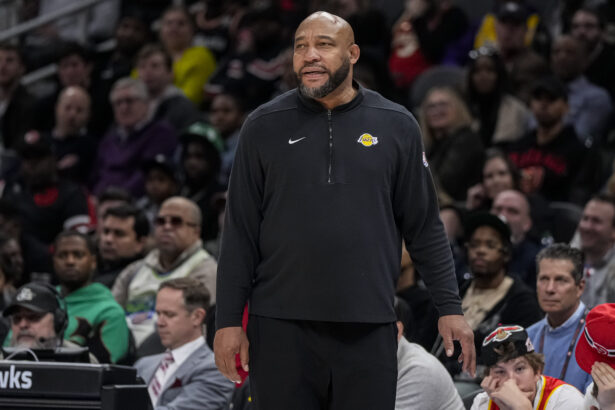
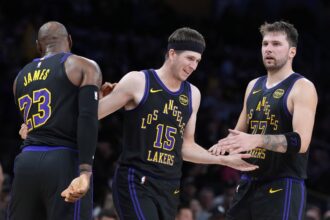
This is the Lakers finally admitting they don’t need another “interesting” swing, they need a center who changes what opponents are allowed to do. Right now they’ve got Luka Doncic and LeBron James playing ridiculous offense, and they’re still leaking too many easy points because the back line doesn’t scare anybody. That’s why this Claxton push makes sense as a prediction, it’s a roster identity trade.
The timing fits too. The Lakers have been sliding, they’ve dropped four of their last five, and they’re 5-8 since Dec. 20 after starting 19-7. When a contender hits that kind of stretch, the front office stops daydreaming and starts shopping for something functional that survives April.
From the Nets side, this is the kind of offer that actually forces a conversation. And with other teams sniffing around Claxton, the Nets can ask for a real first, not a pile of seconds and a handshake. A 2031 first is exactly the kind of far-out asset a rebuilding team loves, because it’s a clean bet on future volatility.
For the Lakers, Claxton is a “fit-first” center. He doesn’t need post-ups. He runs the floor, screens hard, lives on rim pressure, and he can actually switch actions without the defense collapsing the moment a guard gets downhill. Next to Doncic and LeBron, that’s basically the cheat code template: give them a vertical threat who can finish the simple stuff, then cover the mess on the other end. Claxton also lets the Lakers play more aggressive at the point of attack, because you’ve got a real eraser behind it. That’s how you turn shaky defensive possessions into one-and-done stops.
Dalton Knecht is the sweetener here, and he matters because the Nets aren’t taking this deal just to help the Lakers. They get a young shooter prospect they can develop without pressure, and they get two veterans who are basically plug-and-play money pieces. Vincent and Kleber can be flipped again, or simply eat minutes while the Nets keep their long-term timeline clean.
Here’s the salary logic, since this deal lives or dies on it. Claxton is at about $25.4 million in 2025-26. Vincent is $11.5 million, Kleber is $11.0 million, and Knecht is $4.0 million in 2025-26, so the Lakers are sending out roughly $26.5 million.
That’s why this package works without turning into a five-player circus. It’s a clean consolidation where the Lakers turn three contracts into one impact starter, and the Nets turn one starter into a pick, a young flyer, and flexible money.
If the Nets really mean it when they say they want a big offer to even consider moving Claxton, this is the kind of “fine, here’s the real pick” package that actually matches that posture.