The Los Angeles Clippers had control early, even building an 18-point lead, but somewhere along the way, the game flipped, and when it did, it flipped hard. The New Orleans Pelicans didn’t just come back; they took over, turning what looked like a comfortable Clippers win into a 124-109 statement victory.
What made it surprising wasn’t just the comeback; it was how convincingly New Orleans closed. The Clippers had the best player on the floor for stretches, but the Pelicans had the better team for most of the night.
1. Kawhi Showed Up, But It Didn’t Matter
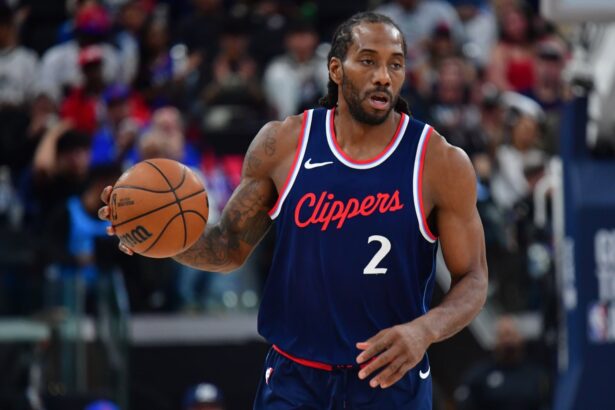
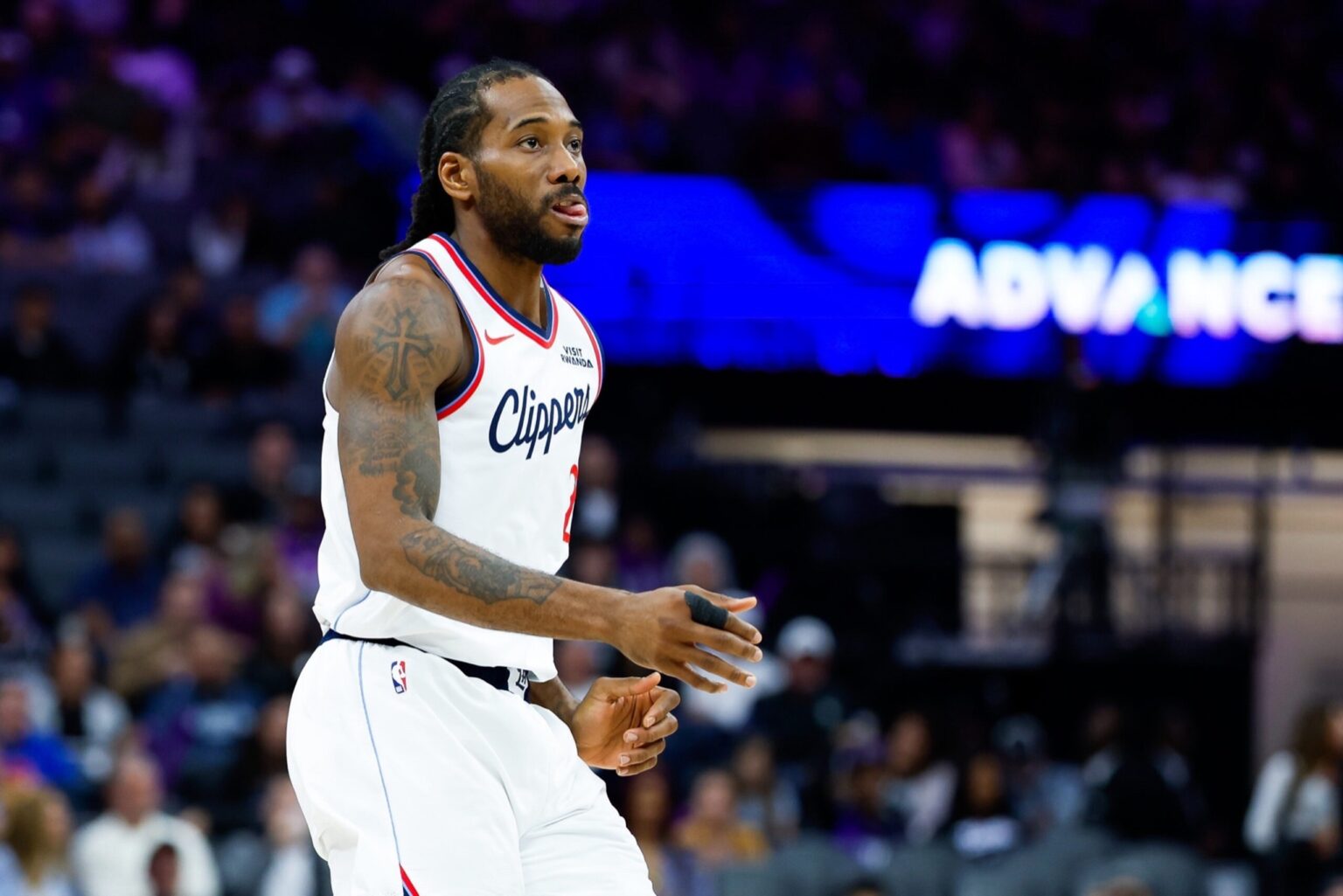
Kawhi Leonard did his job. Efficient, controlled, and effective. He finished with 25 points on 9-12 shooting, including 4-6 from three, and added 8 rebounds.
It was the kind of stat line you expect to lead to a win, especially given how clean his offense looked. But the problem was everything around him.
Kawhi scored within the flow, but the Clippers never built off it. There was no sustained run, no collective push; just isolated stretches of good play that never connected.
2. The Three-Point Gap Was The Game
This is where things really separated.
The Clippers hit just 9-31 from deep (29.0%), while the Pelicans knocked down 16-37 (43.2%). That’s not a small difference; that’s a game-breaking one.
Every time LA made a push, New Orleans answered with a three. It stretched the floor, opened driving lanes, and forced the Clippers into constant defensive rotations. Over time, that kind of pressure wears you down.
3. Pelicans’ Balance Overwhelmed LA
New Orleans didn’t rely on one player to carry them; they came in waves.
Saddiq Bey led the way with 25 points, while Trey Murphy III added 23 and Dejounte Murray controlled the offense with 17 points and 11 assists. Even Zion Williamson picked his spots efficiently, going 6-8 from the field.
Then the bench chipped in, double-digit contributions, energy plays, second-chance efforts. It felt like every time LA adjusted to one threat, another one popped up.
4. Free Throws And Pace Quietly Tilted The Game
The Pelicans didn’t just outshoot the Clippers, they outworked them in key areas.
New Orleans went 20-21 from the free-throw line (95.2%), compared to just 10-13 for LA. That’s essentially free offense, and it adds up quickly over four quarters.
They also pushed the pace better, finishing with 22 fast-break points compared to just 9 for the Clippers. Those easy points made a difference, especially once the game tightened up.
5. Clippers Lost Control After Building The Lead
This is the part that’s hardest to ignore.
The Clippers were up big early. They had momentum, rhythm, and control. And then it slipped; gradually at first, then all at once.
Turnovers (16 total), defensive lapses, and inconsistent execution allowed the Pelicans to hang around. And once New Orleans gained confidence, the Clippers didn’t have an answer. No composure, no reset, just a slow unraveling.