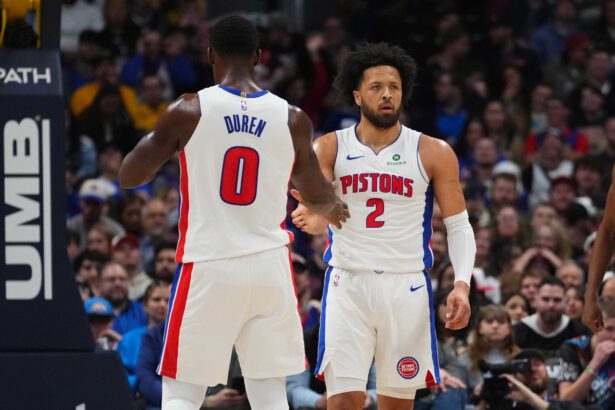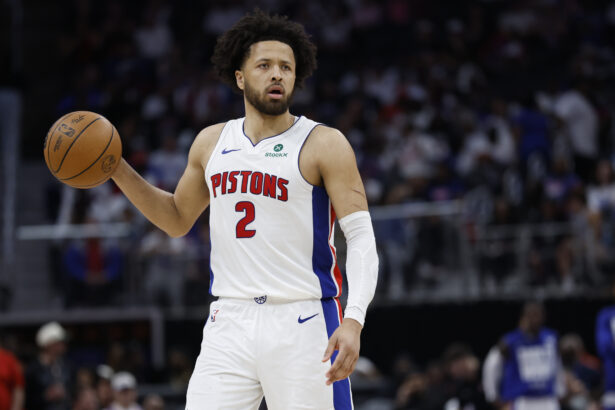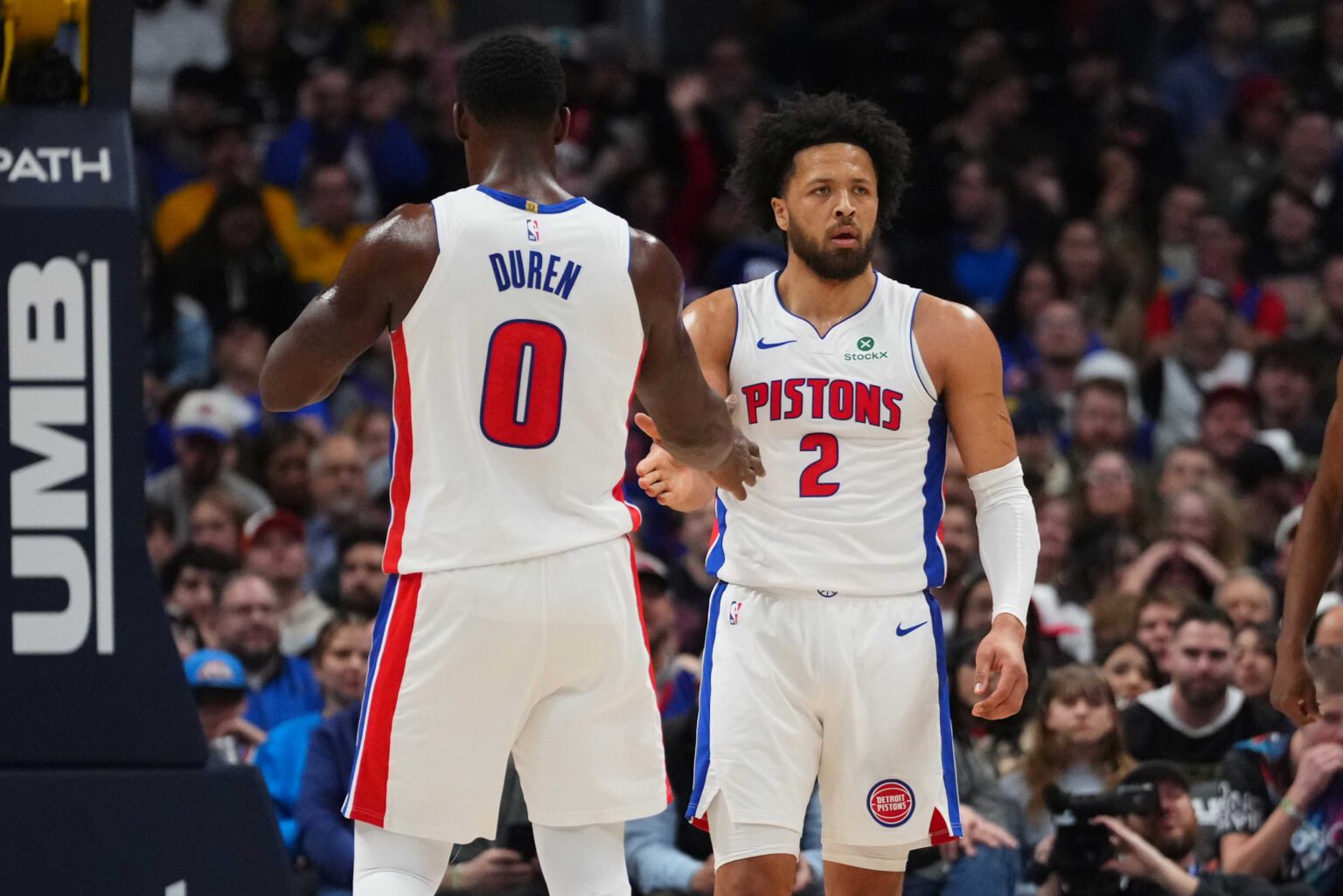
The Detroit Pistons were the second team to complete an improbable turnaround in the postseason. Down 3-1 in the series and written off by nearly everyone, Detroit stormed back with three straight wins, capping it off with a dominant 116-94 performance over the Orlando Magic in Game 7.
What started as a series slipping through their fingers flipped into a reminder of which team led the East all season long. As a matter of fact, Game 7 was never really in doubt.
The Pistons shot 51.2% from the field, drilled 16 threes at a 48.5% clip, and controlled the game for 76% of the night. Behind a masterful performance from Cade Cunningham and a complete team effort on both ends, Detroit overwhelmed Orlando in every phase.
Now, what once looked like a disappointing early exit has turned into a defining moment for a young team that refused to go home. Here are the five reasons the Pistons did the unthinkable.
1. Cade Cunningham Had A Game 7 Masterpiece
When your season is on the line, you need your best player to look like the best player on the floor, and Cunningham did exactly that. He put up 32 points, 12 assists, and shot 10-18 from the field while controlling every possession like a veteran point guard.
The numbers are elite, but the feel of the game was even more telling. He dictated tempo, picked apart mismatches, and never let Orlando speed him up.
He had zero panic, even when Orlando made small runs. Detroit finished with 30 assists as a team, and that offensive rhythm starts with Cade. In a Game 7 environment, that level of composure is rare, and it’s exactly why the Pistons were able to complete the comeback.
2. Detroit Pistons Got Hot At The Perfect Time
You can talk about adjustments, energy, or coaching – but sometimes it’s simple: shots went in. Detroit shot 51.2% from the field and a scorching 16-33 (48.5%) from three. That’s backbreaking in a Game 7.
Meanwhile, the Orlando Magic struggled at 41.3% overall and 33.3% from deep, and that gap defined the night. The key difference was shot quality.
Detroit generated clean looks through ball movement and spacing. Orlando, on the other hand, leaned too heavily on contested attempts, even with Paolo Banchero going for 38 points. Efficient offense beats volume scoring every time, and Detroit proved it.
3. Jalen Duren Dominated Inside
Jalen Duren was an absolute force inside: 15 points, 15 rebounds, and 6 offensive boards. Those second-chance opportunities crushed Orlando’s momentum repeatedly.
Every time it felt like the Magic might string together stops, Duren extended possessions and gave Detroit another chance to score. The Pistons won the rebounding battle 41-33, including 11 offensive rebounds, and that physical edge added up over four quarters.
Orlando had no consistent answer inside. Even when they forced misses, they couldn’t finish the possession. In a Game 7, that kind of interior dominance decides games.
4. Tobias Harris And The Role Players Stepped Up
Cunningham led, but this win doesn’t happen without serious help. Tobias Harris was sensational with 30 points on 11-18 shooting and 5-7 from three, delivering timely buckets every time Orlando threatened.
Daniss Jenkins added 16 points off the bench on 4-5 from deep, providing that instant offense every contender needs in tight playoff moments. Even the smaller contributions mattered.
Ausar Thompson filled the stat sheet with defense and hustle (8 points, 4 assists, 2 steals, 2 blocks), while Duncan Robinson spaced the floor despite a quiet scoring night. This was a complete and connected team effort.
5. Orlando Couldn’t Handle The Pressure
Let’s be honest: the Magic had their chances in this series, especially after going up 3-1. But in Game 7, the cracks were obvious. They managed just 18 assists as a team, committed 16 turnovers, and couldn’t generate consistent offense outside of Banchero.
Jalen Suggs struggled (6 points on 2-9 shooting), and the supporting cast never found rhythm. Meanwhile, Detroit played like the team with nothing to lose and everything to prove.
They led for 76% of the game, built a lead as large as 25, and never allowed Orlando to truly believe. That’s what makes this comeback so impressive. Down 3-1, most teams fold. The Pistons took control of the series and finished it with authority.