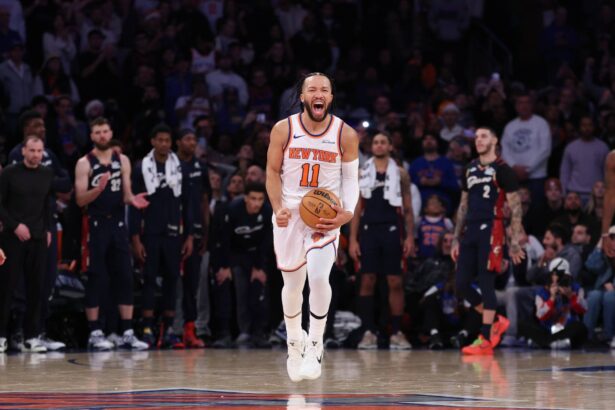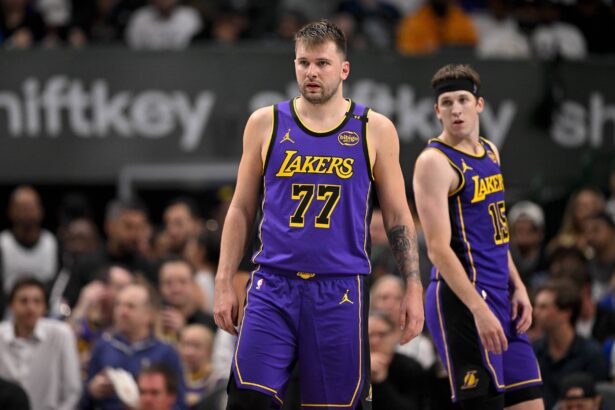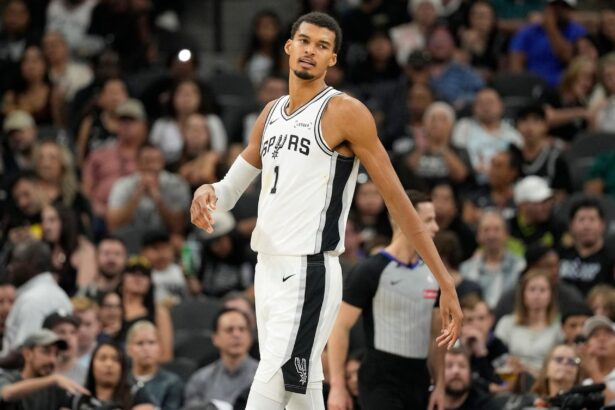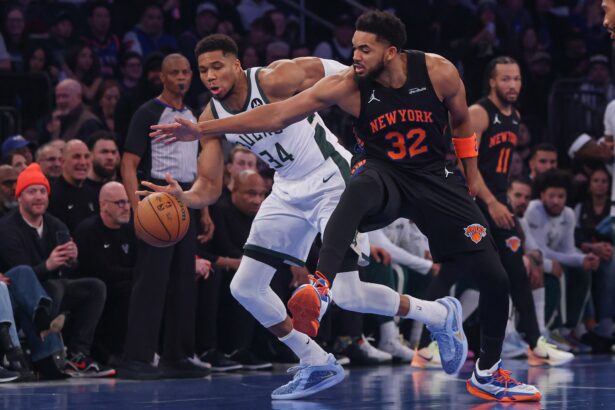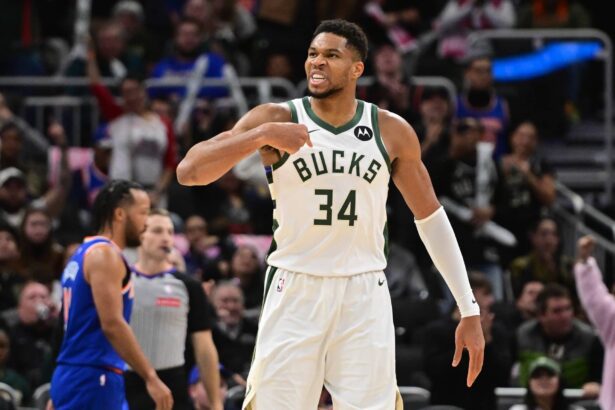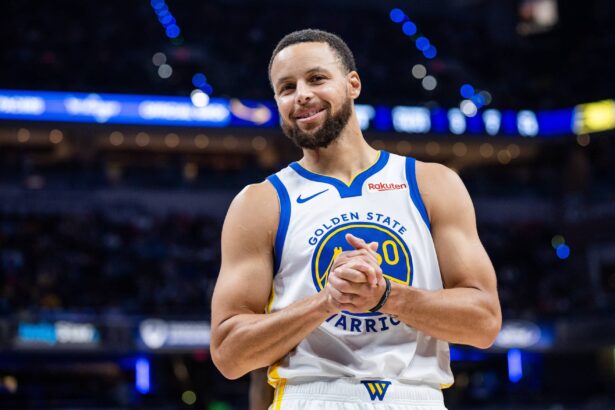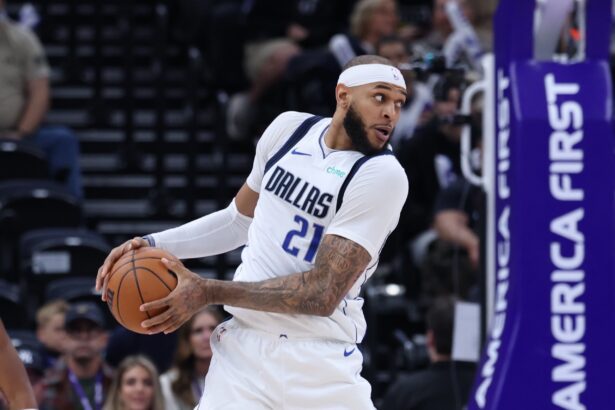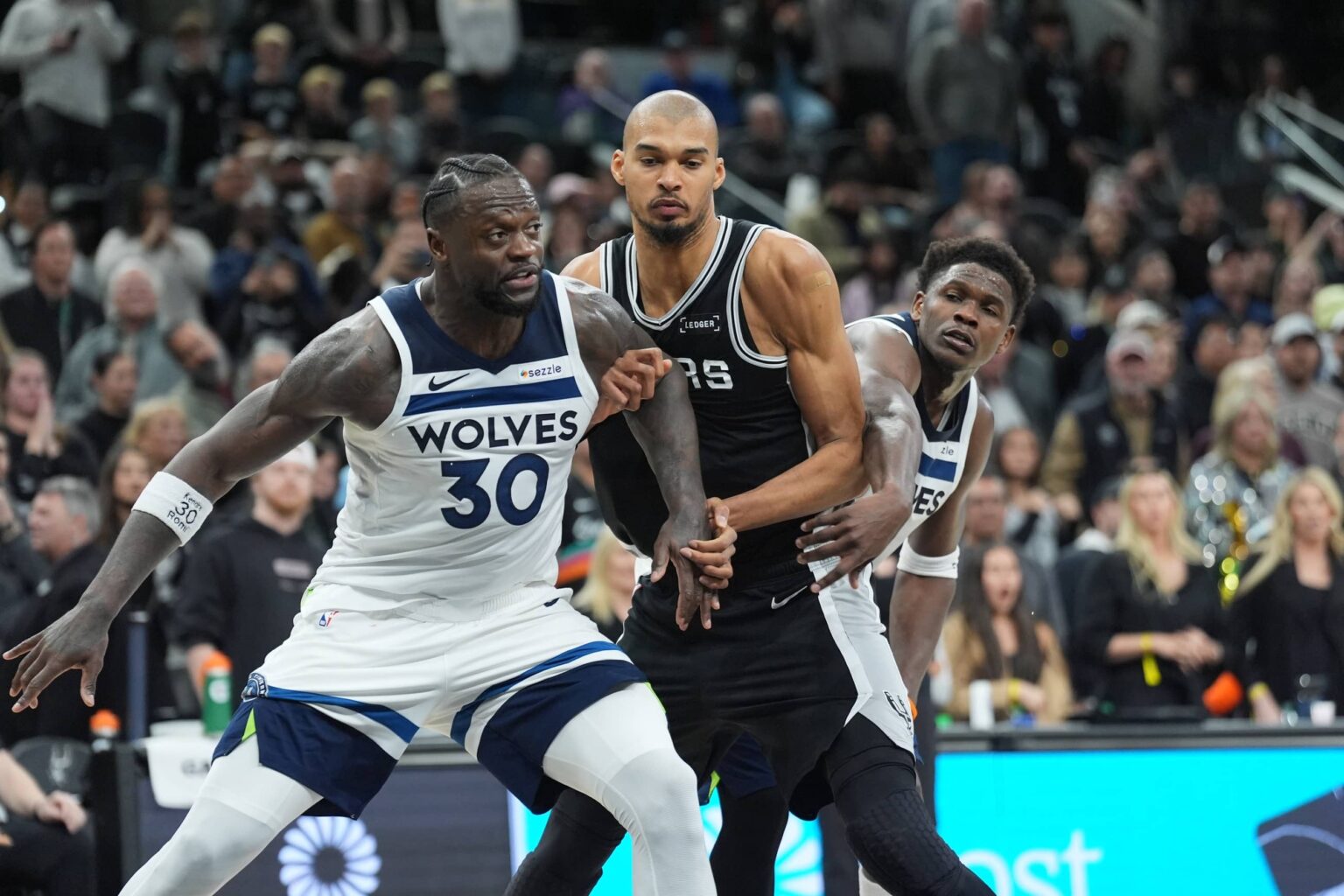
The Spurs and Timberwolves meet in the Western Conference Semifinals with very different pressure points. The Spurs enter as the No. 2 seed after a 62-20 season and a five-game win over the Trail Blazers. The Timberwolves arrive as the No. 6 seed after eliminating the Nuggets in six games, but they are doing it with a damaged backcourt.
Game 1 is Monday, May 4, at Frost Bank Center, with Game 2 also at Frost Bank Center before the series moves to Target Center for Games 3 and 4. The Timberwolves won the regular-season series 2-1, with victories of 125-112 and 104-103 before the Spurs answered with a 126-123 win in January.
The star matchup would normally be Victor Wembanyama against Anthony Edwards, but Edwards’ left knee injury changes the early shape of the series. Edwards averaged 28.8 points, 5.0 rebounds, and 3.7 assists this season, while Julius Randle added 21.1 points, 6.7 rebounds, and 5.0 assists. For the Spurs, Wembanyama averaged 25.0 points, 11.5 rebounds, 3.1 assists, and 3.1 blocks, while De’Aaron Fox gave them 18.6 points, 3.8 rebounds, and 6.2 assists.
Injury Report
Spurs
No major injury listed.
Timberwolves
Anthony Edwards: Out (left knee hyperextension and bone bruise)
Donte DiVincenzo: Out (right Achilles tendon injury)
Ayo Dosunmu: Questionable (right calf injury)
Kyle Anderson: Questionable (illness)
Spurs Analysis For The Series
The Spurs have the cleaner path because they have the best healthy player in the series. Wembanyama is already the central problem for every possession. He averaged 21.0 points, 8.8 rebounds, and 4.0 blocks in the first round while shooting 58.3% from the field and 53.8% from three-point range. That is not a normal playoff debut. That is a matchup system by itself.
The key is not only what Wembanyama does as a scorer. It is what he removes. The Timberwolves beat the Nuggets by making Nikola Jokic work through multiple bodies, shrinking driving lanes, and forcing the Nuggets into bad late-clock offense. That becomes harder here because the Spurs can pull Rudy Gobert away from the rim or make him defend in space. Gobert is still one of the best defensive bigs of this era, but Wembanyama’s release point, mobility, and touch create a different equation.
The Spurs also have better backcourt stability right now. Fox averaged 20.2 points in the first round and scored 13 points in the fourth quarter of Game 5 closeout, giving the Spurs a late-game creator who does not need every action to be perfect. Stephon Castle matters there, too. He averaged 16.7 points, 5.3 rebounds, and 7.4 assists during the regular season, and his size gives the Spurs a big guard who can defend, push pace, and punish a Timberwolves team that may be missing Edwards, DiVincenzo, and possibly Dosunmu early in the series.
The bigger team point is balance. The Spurs ranked fourth in offensive rating, third in defensive rating, and second in net rating in the regular season. They were not just a Wembanyama highlight machine. They were one of the few teams with top-tier structure on both ends. That matters against a Timberwolves team that can still defend, but may have to grind for every clean shot without its best scorer.
Timberwolves Analysis For The Series
The Timberwolves still have a real case because their defense travels. They held the Nuggets to 98 points in Game 6, won the series 4-2, and kept the league’s highest-scoring offense below 100 points three times in the series. That is not luck. That is physicality, discipline, and a rotation that knows how to make elite players uncomfortable.
Gobert is the first part of that. He cannot fully take Wembanyama away, but he can make every catch harder, every seal deeper, and every drive more crowded. The Timberwolves will likely mix coverages, with Jaden McDaniels, Randle, Naz Reid, and Gobert all getting pieces of the matchup depending on lineup. The goal should not be to stop Wembanyama. That is unrealistic. The goal is to make the Spurs rely on secondary creators for long stretches.
That is where McDaniels becomes huge. He closed the Nuggets series with 32 points, 10 rebounds, three assists, two steals, and one block in Game 6. He also has the length to defend Castle, Devin Vassell, or Fox for stretches. The Timberwolves need him to be more than a stopper. Without Edwards, they need him to attack closeouts, hit corner shots, and put pressure on the rim.
Randle is the other swing piece. He can punish smaller forwards, force switches, and create offense late in the clock. But this is a tough matchup for him because Wembanyama is always behind the play. Randle’s bully-ball game works best when help defenders are normal size. Against the Spurs, those drives can turn into rushed floaters, strips, or blocked shots. If Randle tries to win this series with difficult isolation possessions, the Timberwolves will run out of offense.
Key Factors
Victor Wembanyama is the obvious series key, but the important number is not just his scoring. It is his minutes. The Spurs were about 10 points per 100 possessions worse with him off the floor, mostly because of the defensive drop. That is the window for the Timberwolves. When Wembanyama sits, the Timberwolves have to run, attack early, and get to the free-throw line. When he plays, the Spurs can control the paint without overhelping.
De’Aaron Fox gives the Spurs the shot creation they did not have around Wembanyama in past years. His speed forces Gobert and Reid to defend in movement, not just at the rim. If Fox gets downhill early, the Timberwolves will have to choose between tagging the roll man, staying attached to shooters, or leaving Wembanyama open in space. That is a bad menu.
Stephon Castle may decide how much the Spurs can punish the Timberwolves’ backcourt injuries. His regular-season line of 16.7 points, 5.3 rebounds, and 7.4 assists shows how much responsibility he already carries. If Castle handles pressure, rebounds down, and guards without fouling, the Spurs can stay big, fast, and physical at the same time.
Jaden McDaniels is the Timberwolves’ best two-way swing factor. His 32-point Game 6 against the Nuggets proved he can be more aggressive when the roster needs it. The Timberwolves need that version again. If he is just a defensive specialist, the offense may be too thin. If he gives them 18 to 22 points with strong defense, the series gets much longer.
Naz Reid averaged 13.6 points, 6.2 rebounds, and 2.2 assists this season, and he gives the Timberwolves the frontcourt spacing Gobert cannot provide. Reid has to make Wembanyama work away from the basket. If he hits enough pick-and-pop threes and attacks slower closeouts, the Timberwolves can pull the Spurs’ defense into rotations. If he misses, the floor gets too tight for Randle and McDaniels.
Ayo Dosunmu is the wild card because his health is uncertain. He scored 43 points in Game 4 against the Nuggets after Edwards and DiVincenzo went down, making 13 of 17 shots, all five of his three-point attempts, and all 12 free throws. That game saved the Timberwolves’ series. They do not need 43 again, but they need his downhill pressure, defense, and ball-handling. If Dosunmu is limited, the Timberwolves’ guard rotation becomes a real problem.
Series Prediction
The Timberwolves deserve respect. They just beat the Nuggets without a clean roster, and their defense is good enough to drag almost any opponent into uncomfortable basketball. But this matchup is too hard without a healthy Edwards at the start. The Spurs have Wembanyama, home-court advantage, better guard health, and a regular-season profile that was elite on both ends. The Timberwolves can steal a game with defense and toughness, especially if McDaniels or Randle has a big night. But over a full series, the Spurs have more reliable scoring, more lineup flexibility, and the best player available.
Winner: Spurs in 6