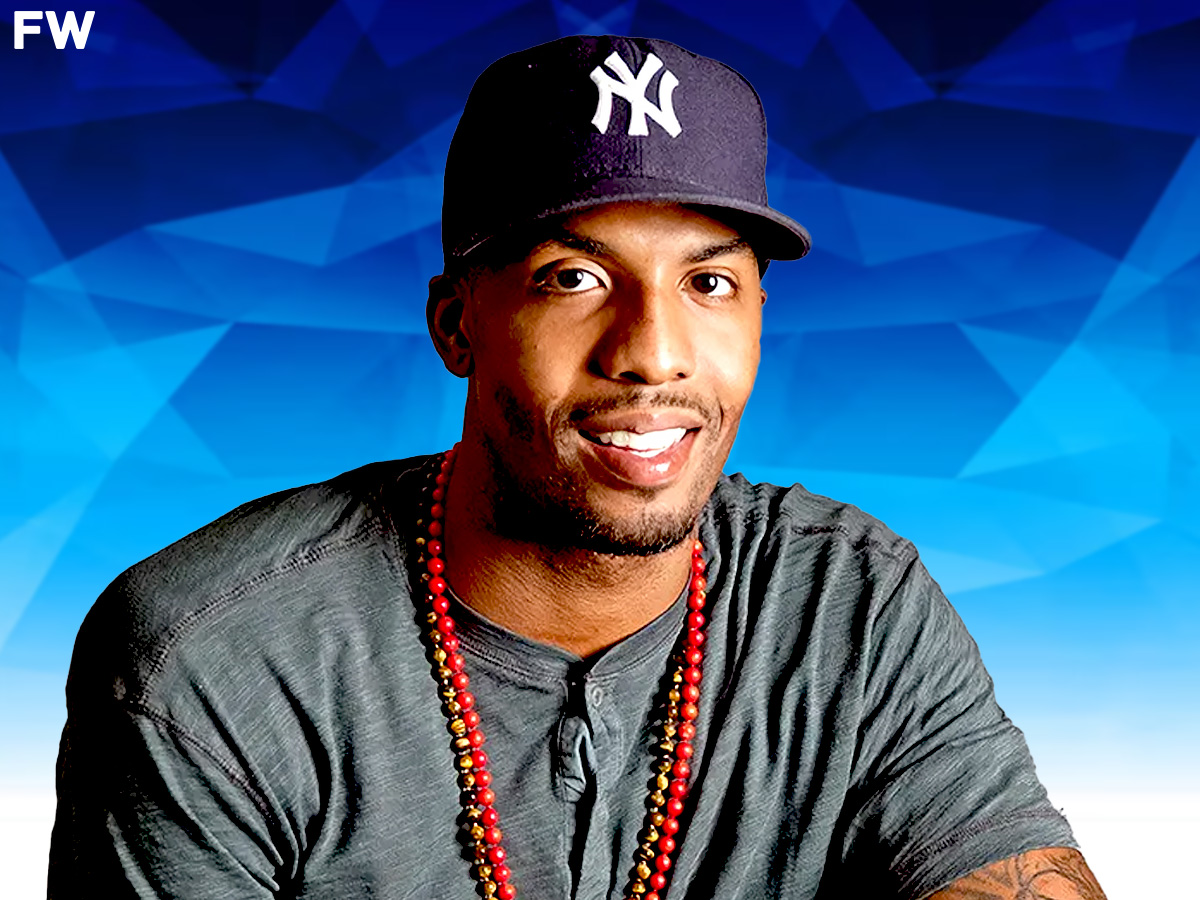
Tyrus Thomas did not soften his message. He said it straight. If you have to pay to play, your child is not at that level yet. That line hits hard for parents.
Speaking on the Rich Lessons podcast, Thomas pushed back on a system many families have accepted as normal. Travel teams, elite camps, exposure circuits. All of it comes with a price tag. And for many, that price keeps rising.
“So if you have to pay, your child not good enough. I never paid to play basketball. I never paid. My mama never. We did fundraisers, but pay to go play basketball? If you’re good enough, they’re going to pay for you.”
“And that’s the misconception. People think they could pay their way in. No, because they paying for the ones who good enough. So nobody should be spending thousands of dollars on basketball, on no sport. Because if your child is good enough to be on the elite circuit, they are going to pay for them. And they’re going to pay to bring you too.”
“So if you have to pay, your child not good enough. Take that money and pay for some real training. Find a group of kids that your children could play pickup with. Save that money. Save your money.”
Now look at the current AAU structure. Families often spend anywhere between $2,000 to $10,000 per season. That includes team fees, travel, hotels, gear, and tournament entry. For younger age groups, costs are lower but still significant. By high school, it becomes a full financial commitment. That money adds up fast.
AAU, or Amateur Athletic Union basketball, has turned into a pipeline. Major shoe companies back top teams. Big tournaments draw scouts. Exposure is real. But so is the gap between elite circuits and pay-to-play teams that promise visibility but deliver little return. That is where parents get caught.
Thomas is not saying development does not matter. He is saying money does not replace ability. Paying for access does not guarantee growth, and it does not create demand from scouts or programs. Talent still drives everything.
He offered a different approach. Instead of spending thousands chasing exposure, invest in skill development. Training, strength work, and consistent pickup runs against good competition. Those things build players over time. They do not look flashy, but they work. That advice is practical.
There is also a new layer now. NIL, or Name, Image, and Likeness, has changed the end goal for many families. Since the rule change in 2021, college athletes can earn money while still in school. That opened the door for younger players to think about branding earlier.
It changed the conversation. Some parents now see AAU as a business investment. Pay early, get exposure, land scholarships, then secure NIL deals. On paper, it sounds logical. In reality, only a small percentage reach that level where NIL becomes meaningful income.
Thomas’ perspective comes from experience. Thomas played one season at LSU Tigers men’s basketball, where he broke out as an elite athlete and defender before entering the NBA Draft. He was selected fourth overall in 2006 by the Portland Trail Blazers and later built his career mainly with the Chicago Bulls and Charlotte Bobcats.
He stayed in the league for eight seasons. Across his NBA career, Thomas averaged 7.7 points and 4.8 rebounds per game, known more for his energy, shot blocking, and athleticism than scoring. Before that, he developed at McKinley High School in Baton Rouge, where his raw ability stood out early without needing a pay-to-play pathway.
That background gives weight to what he is saying. He came up through development, not through heavy spending. He understands how talent gets noticed and how the system actually works behind the scenes.
Thomas kept it blunt for a reason. If a player is good enough, opportunities will find them. If not, the focus should shift to getting better, not spending more trying to shortcut the process.