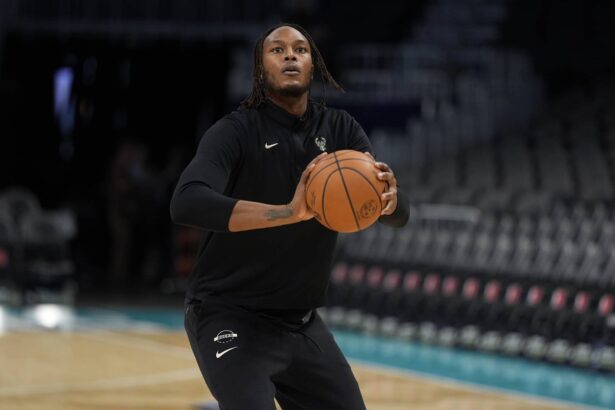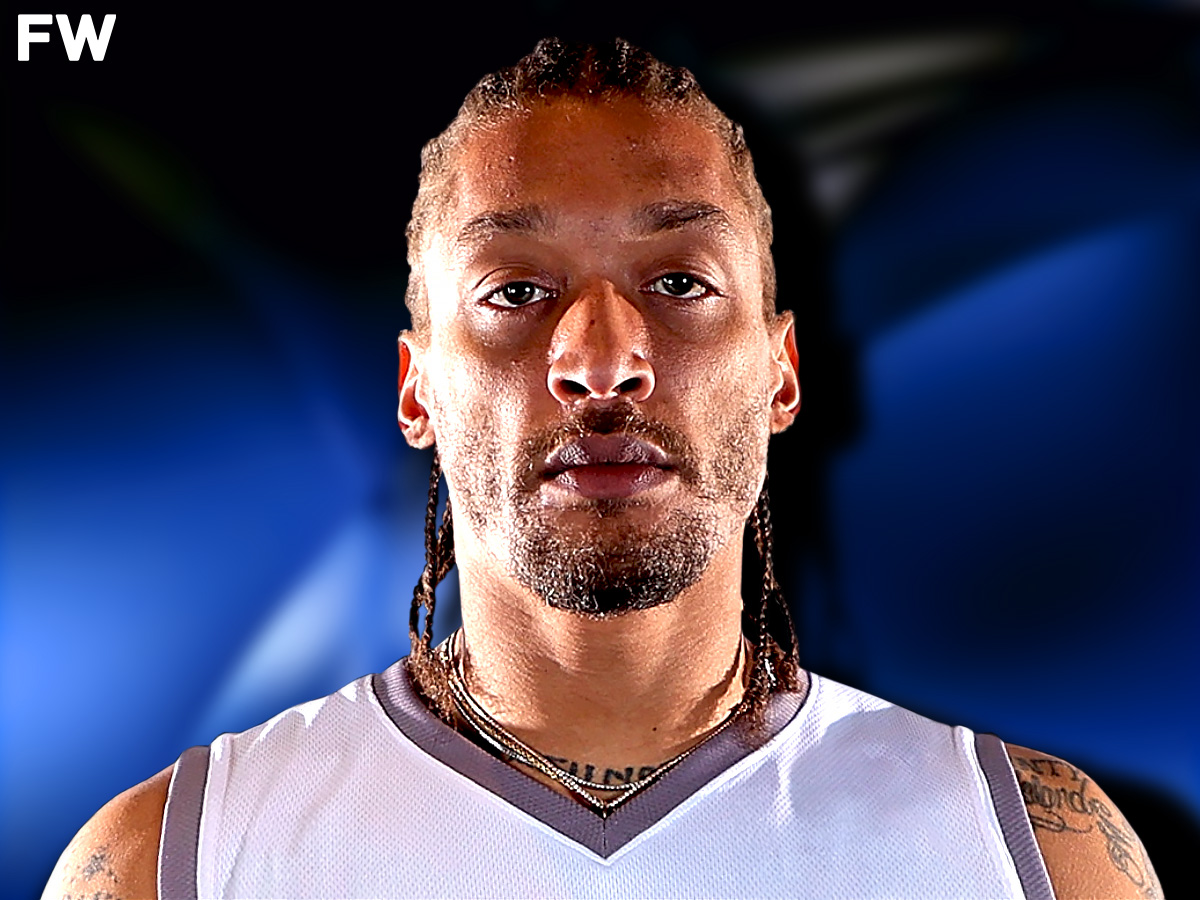
Michael Beasley delivered one of the most emotional moments of his career during a recent appearance on Club Shay Shay, opening up about the pain he carried while playing for the Los Angeles Lakers and the devastating truth about his mother’s illness.
Beasley revealed that his mother, Fatima Smith, had told the family she was battling stage two cancer. The reality was far worse. By the time he signed with the Lakers in 2018, her condition had already reached stage four. The family did not know. She kept the severity hidden while continuing to speak with him daily, often pushing through pain just to maintain those conversations.
“When I signed with the Los Angeles Lakers, that’s when we found out my mom had been lying to us about having stage two cancer, and it was stage four. When I went to the Lakers, we talked all day on FaceTime, me, her, and my brother.”
“Right before the season, my brother went home and FaceTimed me, and I was on the phone with my mom, the same s**t, and he showed me the side she wasn’t showing us. So we didn’t know, but every day she would get up and make sure she took her morphine so she could have that phone call. I just couldn’t hoop. I just couldn’t, and I just had to go.”
“My mom was driving herself to chemo until they put her on hospice. She didn’t deserve that s**t. And I was mad at her at that time because of my childhood. My dad told me some s**t at 25, and I cut my whole family off for three years.”
“I was pissed at them, because my dad was a real n****. I was looking for him my whole life, and then I got mad at my mom. And then she died, man. Three years without having a conversation with your mom. Three years. And then when I got to New York, we was getting back, and then when I got to LA, it was just too far, and it was too late now.”
“I didn’t even know how to say it. That day, James died two days before, my cousin. And I was supposed to be at the funeral, and I was at shootaround, like, damn, should I get on this flight or just play, bro? If I get on this flight, they’re going to think I’m lying about people dying and s**t.”
“I ain’t want to play at all, n****. I ain’t want to play. That was one of my favorite people, and they was just f****** laughing at me. It was just f****** laughing at me, man. I was hot, n****. I was hot. I hated them, n****, because my mom didn’t deserve that s**t.”
“And then James. James died in the car, man. James went to go meet this girl, and she set him up, and the n**** hit him. And the only reason the n**** ain’t come, because they came down the street, and they let James die in their car, man. I couldn’t be there for him, and y’all laughed at me. But don’t, I’m gonna cry a little bit, but don’t act like you don’t notice. Just act like you don’t notice. Yeah, I hated that year.”
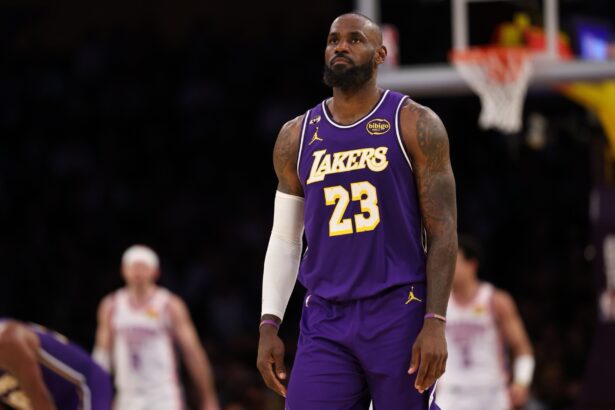
“Magic Johnson and LeBron James, my favorite people. I couldn’t even be happy around them, because they was laughing too. But nah, Josh Hart, I love him. I was on the bus one day, and I didn’t even know I was crying. I was just sitting there trying to be quiet. Josh Hart came up to me and gave me a hug, bro.”
“He said, ‘I don’t know what you’re going through, dog, but you can come talk to me.’ And I never did, and I wish I did. But Josh Hart, he seen who I was, bro. I f*** with Josh, man.”
“And then Brandon Ingram, BI, used to kick it with me. BI used to be like, man, f*** them clubs, I’m gonna kick it with you, O.G. And we used to talk all night, you know what I’m saying? I f*** with them youngins, but I’m just mad I couldn’t be there.”
On the court, his production reflected the situation. During the 2018-19 season with the Lakers, Beasley averaged 7.0 points and 2.3 rebounds in limited minutes before being traded midseason. The numbers do not fully capture what he was dealing with behind the scenes.
Over his NBA career, Beasley averaged 12.4 points and 4.7 rebounds across multiple teams, showing flashes of elite scoring ability but never fully stabilizing due to off-court challenges and inconsistency. His talent was never in question. His journey was shaped by circumstances that extended far beyond basketball.
His story is not about statistics. It is about timing, loss, and the weight of unresolved relationships. The revelation about his mother’s illness adds context to a chapter of his career that often gets judged only by performance.
For Beasley, that season was never just about basketball. It was about navigating grief in real time, carrying regret, and trying to function in an environment that demanded focus while his world was falling apart.