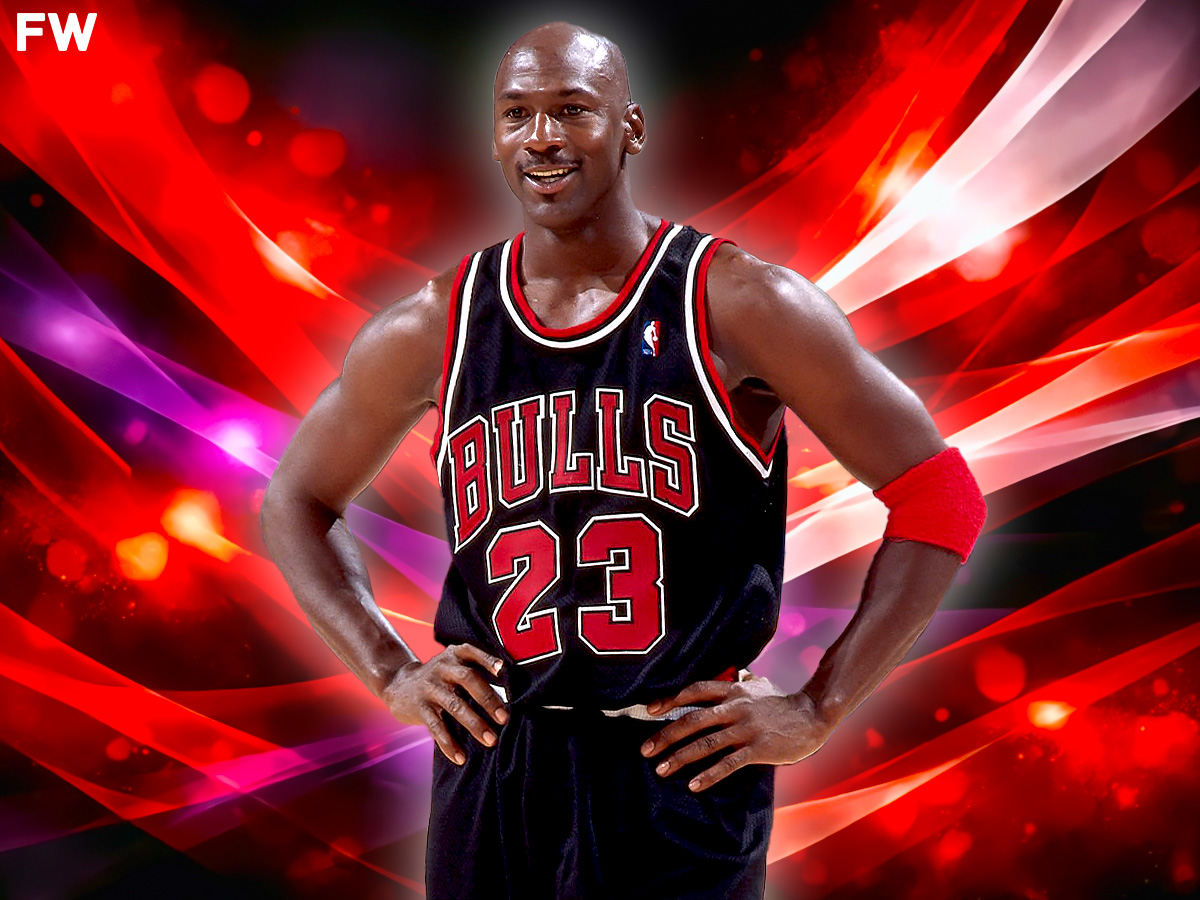
Michael Jordan has never separated success from failure. In a recent appearance on CBS Sunday Morning with Gayle King, he made that clear again with a direct statement about his mindset.
“Oh, I think I take it as a lesson. We learn. Any successful person has had to deal with failure at some point, so we don’t let it get us down. We figure out, okay, let’s get ready for the next one. Let’s learn, let’s get back to the next one. That is a part of my DNA. I do not like losing, but I’m not afraid to lose. I learn from losing.”
His Airness’ path was not built on immediate dominance. But rather, built on setbacks and consistent adjustments. Early in his career, Jordan consistently faced early playoff exits. He was already the best player in the league, winning MVPs and putting up historic seasons, but he had three straight first-round exits in his first three seasons from 1984 to 1987.
The biggest roadblock came against the Detroit Pistons, who knocked the Chicago Bulls out of the playoffs three straight years from 1988 to 1990. The physicality of those series exposed gaps in both Jordan’s game and the team’s structure. But Jordan did not run from them. He adapted, added strength, improved his decision-making, and started trusting Phil Jackson’s triangle offense. That evolution led directly to the Bulls breaking through and winning their first three-peat from 1991 to 1993.
The pattern repeated later in his career. After stepping away from basketball, Jordan returned and was eliminated by the Orlando Magic in the 1995 playoffs. That loss reset the standard as he came back the following season sharper, more focused, and led Chicago to another three-peat from 1996 to 1998. Jordan’s mindset explains that consistency. He never treated failure as a final result but treated it as information.
In the same interview, Jordan spoke about his expectations for his children, stating that he never imposed his own standards on them. Jordan also addressed other topics about the game. He spoke about still missing the game and admitted the competitive urge never fully leaves. Even after retirement, the desire to compete remains part of who he is. At the same time, he dismissed the idea of GOAT, pushing back on debates that try to reduce eras into a single comparison.
Jordan’s career remains one of the clearest examples of how elite athletes process failure. He did not avoid losing, as every athlete expects to at some point. The difference was in the response.
Every major breakthrough in his career came after a loss that forced change. The Pistons’ losses led to physical and tactical growth. The Magic loss led to one of the most dominant seasons in NBA history. Even his early playoff exits shaped the player he became. Jordan built a career on winning. At the same time, those wins were shaped by how he handled losing.