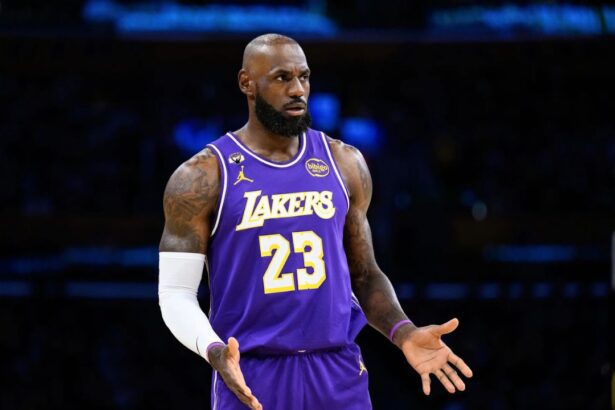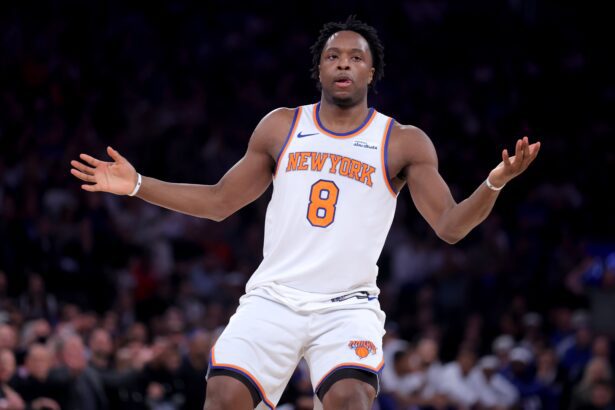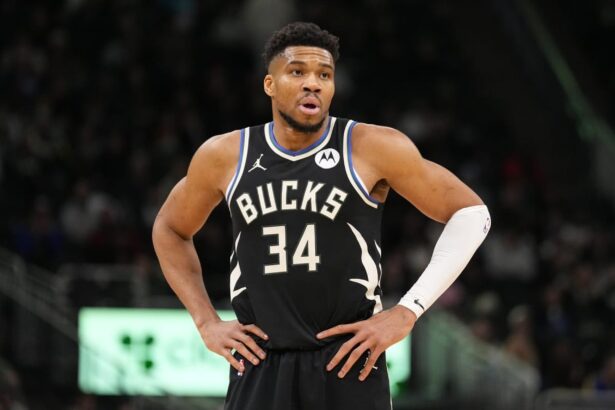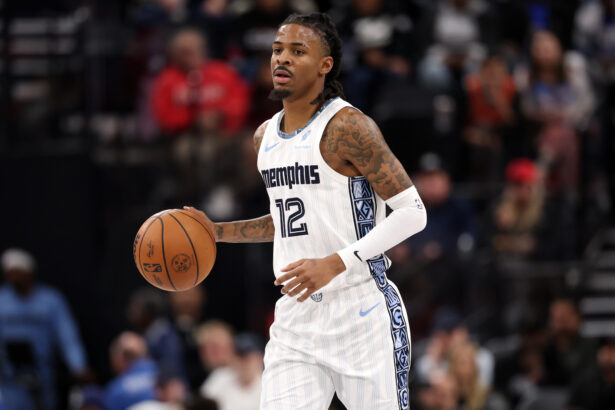
The release of the raw NBA player voting for the 2026 All-Star Game once again pulled back the curtain on a long-running truth around the league: players do not treat the All-Star ballot with anything close to seriousness. While fans and media debate snubs and fairness, the player votes continue to read more like inside jokes, self-love, and locker-room loyalty than an evaluation of on-court dominance.
This year’s numbers made that impossible to ignore.
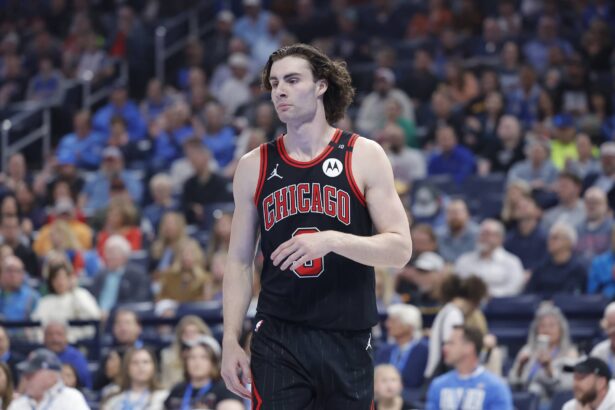
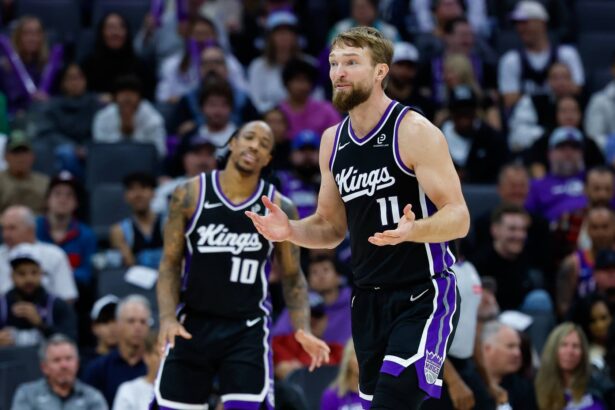
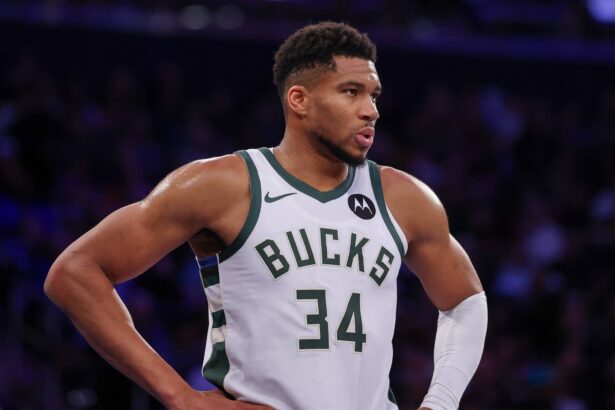
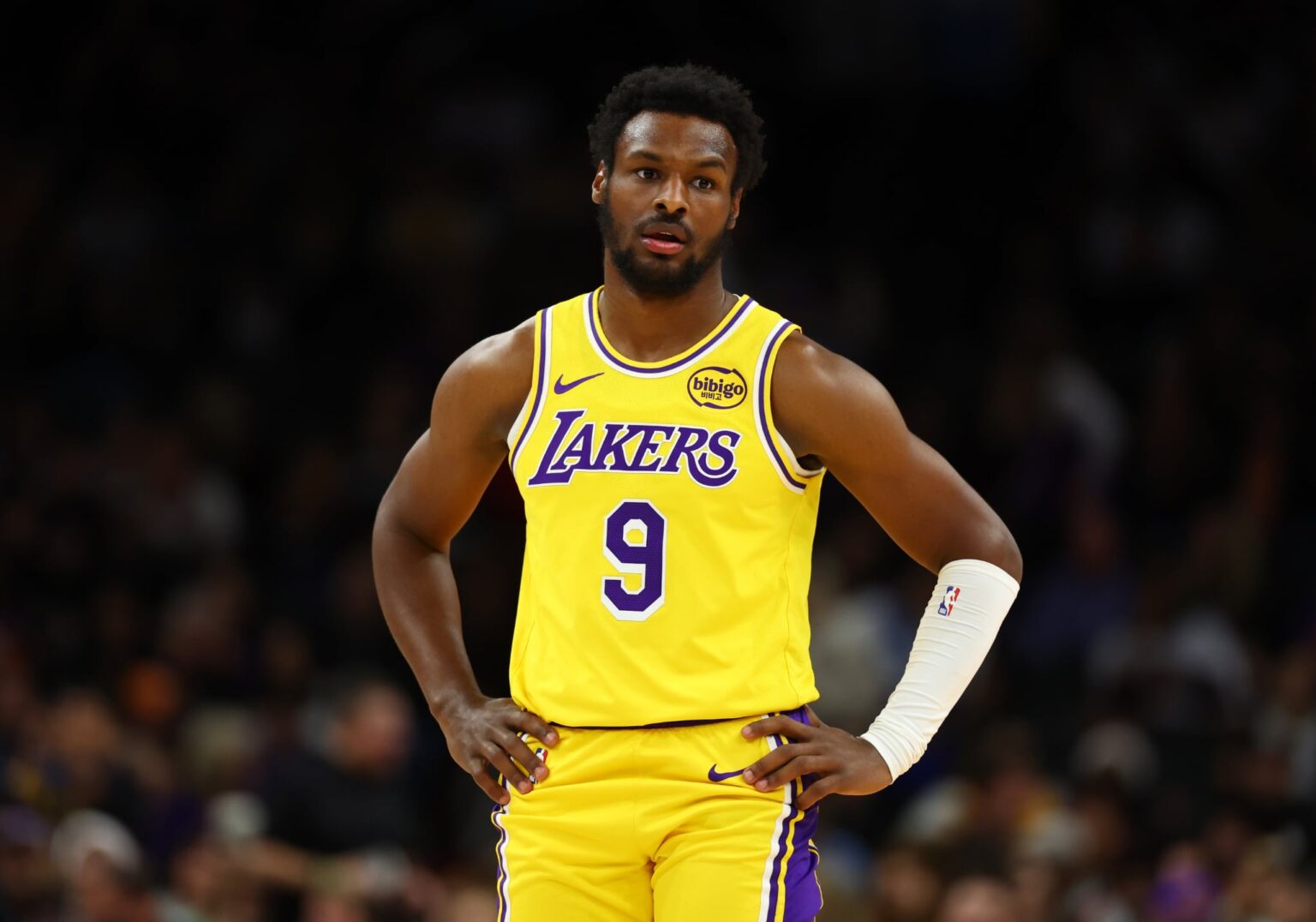
Among the most eyebrow-raising results were Bronny James, Thanasis Antetokounmpo, and Jay Huff receiving votes as All-Star starters. Not reserves. Not honorable mentions. Actual starters.
– Jay Huff – 11 votes (8.7 PPG, 2.1 BPG)
– Precious Achiuwa – 11 votes (7.6 PPG, 5.5 RPG)
– Georges Niang – 10 Votes (Out with injury)
– Trey Alexander – 9 votes (2.8 PPG, 1.0 APG)
– Kevin Love: 9 votes (7.2 PPG, 5.4 RPG)
– Kevon Looney – 8 votes (2.6 PPG, 5.0 RPG)
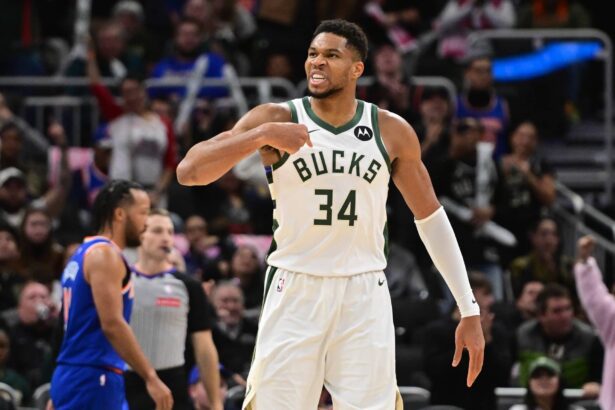
– Thanasis Antetokounmpo – 6 votes (1.7 PPG, 0.5 RPG)
– Thomas Bryant – 3 votes (4.7 PPG, 2.6 RPG)
– Bronny James – 2 votes (1.5 PPG, 1.1 APG)
This is not new behavior. It is baked into how players approach the process. Many vote for themselves. Many vote for teammates. Some vote for friends. Some vote for players they respect from past seasons. And some clearly treat it as a throwaway exercise.
The numbers back it up. Out of roughly 450 active NBA players, the league received 386 player ballots. Yet even the most respected stars barely cracked half participation support. Cade Cunningham, who led all players in votes, was named on just 41 percent of ballots. That means a majority of players did not consider him one of the five best players in his conference, despite his clear All-Star case.
In total, players nominated 364 different players as All-Star starters. That is nearly the entire league. A staggering 122 players received exactly one vote, including names who have barely played or not played at all this season. The result is a voting pool that resembles a popularity contest crossed with a locker-room shoutout list.
This is exactly why player voting counts for only 25 percent of the final result. The fan vote dominates, the media balances it, and coaches handle the reserves. Without that structure, the All-Star Game would quickly lose credibility.
None of this changes the final starters. The players who ultimately made it were deserving. The system worked as intended. But the ballots themselves serve as a reminder that NBA players view the All-Star vote very differently from fans and analysts.
To them, it is not legacy. It is not history. It is not a debate. It is just another hoop conversation. And sometimes, a joke.