The NBA trade deadline just flew by, and the last-day panic never really arrived. The league spent the week bracing for a headline domino, but the two biggest pressure points stayed put. Shams Charania reported the Bucks informed teams Giannis Antetokounmpo was not getting moved and would remain through at least the end of the season, which effectively shut down the one scenario that could have flipped the market in a single call.
The same thing happened with Ja Morant. After days of noise and teams checking the temperature, the Grizzlies held, and the deadline day conversation shifted as the Grizzlies will keep him, at least, until the 2026-27 summer.
That doesn’t mean this deadline period was quiet. It just means the action concentrated earlier. The week got moving because teams treated the market like an opportunity to restructure, not just upgrade. Some front offices chased immediate playoff utility. Others leaned into flexibility, clearing future money and re-stacking picks. And a few teams used the moment to take real swings that would have been unthinkable in a calmer year.
So even if the final day didn’t deliver a Giannis or Morant shocker, this deadline week still reshaped the league. Here’s a rundown of all the major trades that have already gone through.
The Wizards Get Trae Young In Buy-Low Deal
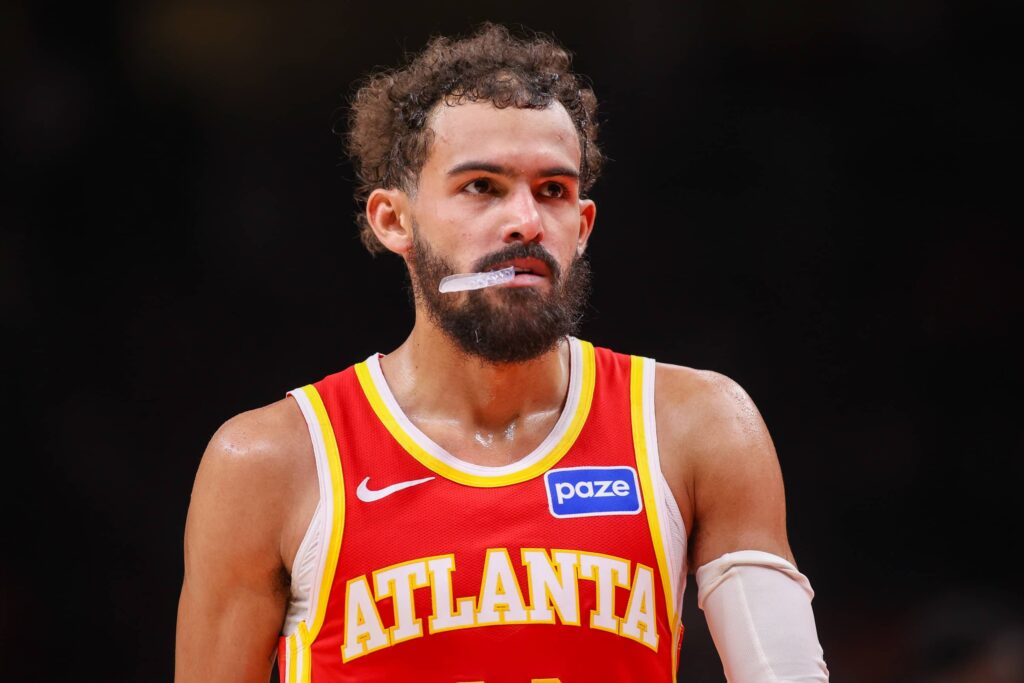
Washington Wizards Receive: Trae Young
Atlanta Hawks Receive: CJ McCollum, Corey Kispert
January 8 was the first real swing of this deadline cycle, and it immediately told you what the Wizards are trying to be. At the time of the deal, the Wizards were sitting near the bottom of the East at 6-29, and they basically decided the hardest thing to find is a real offense-driver. Trae Young gives them that right away: 19.3 points and 8.9 assists this season, even with efficiency that’s been uneven (41.5% from the field, 30.5% from three).
For the Hawks, this was a pivot into stability and flexibility. They’ve been hovering around the play-in line at 24-27, and the return fits that reality. CJ McCollum is still producing like a starting guard (18.8 points, 3.5 assists on 45.8% shooting), and Corey Kispert is a clean plug-and-play spacer (9.5 points on 47.0% shooting).
That’s not a “replace Trae” package, and the low return was the main talking point, but it does keep the Hawks functional while they reset their direction without taking a total talent bath.
The Kings Land De’Andre Hunter From The Cavaliers
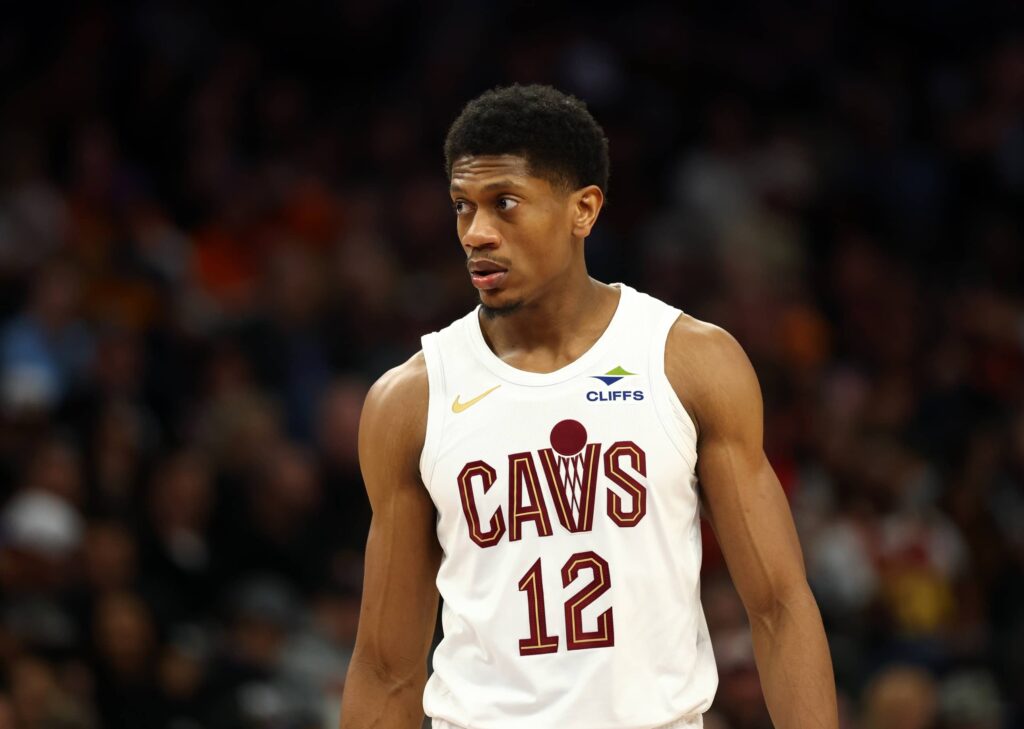
Sacramento Kings Receive: De’Andre Hunter
Cleveland Cavaliers Receive: Dennis Schroder, Keon Ellis, Emanuel Miller
Chicago Bulls Receive: Dario Saric, two future second-round picks
February 1 was a classic deadline-adjacent bet: the Kings (12-39 at the time) grabbed a real NBA wing who can actually play both ends without needing the ball every possession.
De’Andre Hunter’s 2025-26 line tells you exactly what he is: 14.0 points, 4.2 rebounds, 2.1 assists on 42.3% from the field. Not a star, but a real starter-level piece who fits next to high-usage creators and doesn’t break your lineup math.
For the Cavs, it’s about re-shaping the guard room while getting huge tax relief. ESPN had the savings at roughly $50.0 million between salary and luxury tax, which is the kind of number that changes how aggressive you can be in the next move.
Big Swing From The Jazz For Jaren Jackson Jr.
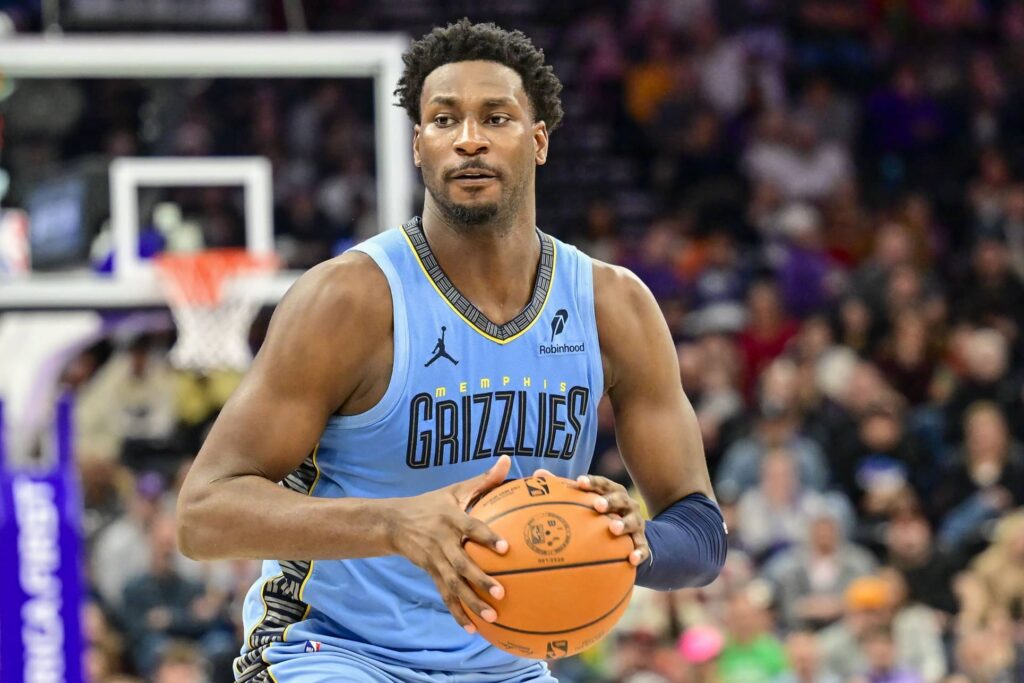
Utah Jazz Receive: Jaren Jackson Jr., John Konchar, Jock Landale, Vince Williams Jr.
Memphis Grizzlies Receive: Walter Clayton Jr., Kyle Anderson, Taylor Hendricks, Georges Niang, 2027 first-round pick (Lakers swap), 2027 first-round pick (Jazz swap), 2031 first-round pick (via Suns)
February 3 was the first true “we’re changing our direction” trade of the week. The Jazz were 16-35 when they made the call, and it was a loud one: they paid a premium to import a real two-way centerpiece instead of waiting for the lottery to save them.
Jaren Jackson Jr. is the cleanest explanation for why they did it. He’s at 19.2 points, 5.8 rebounds, and 1.9 assists this season on 47.5% from the field, and the defensive value is the actual selling point. He’s a frontcourt player who can protect the rim, survive in space, and still give you real offense without a post-heavy system.
For the Grizzlies, the record context matters: they were 19-29, and this reads like a pivot into asset accumulation and flexibility. Walter Clayton Jr. and Taylor Hendricks give them younger pieces to develop, Kyle Anderson and Georges Niang are movable pros, and the three first-round picks are the real prize.
The additional pieces going to the Jazz matter, too. John Konchar is a low-mistake connector, Vince Williams Jr. is a defense-first wing type, and Jock Landale is a functional size.
But the headline is simple: the Jazz bought a foundational player, and the Grizzlies cashed out at the exact price point that only exists when a team is desperate to find an identity.
Celtics Add Nikola Vucevic In Frontcourt Aid
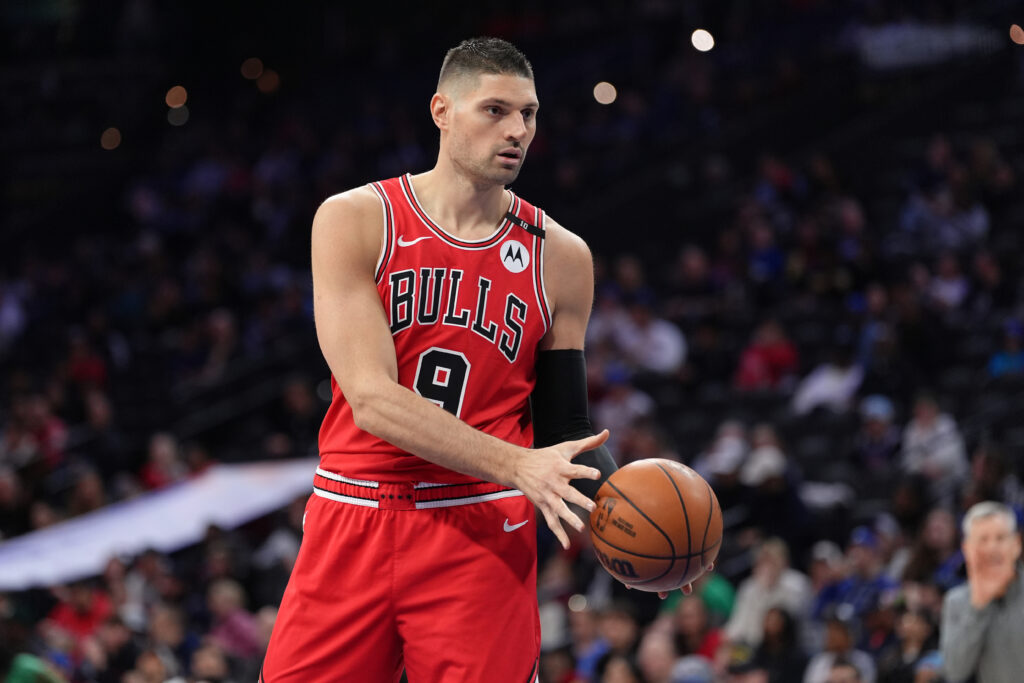
Boston Celtics Receive: Nikola Vucevic, second-round pick (year not reported)
Chicago Bulls Receive: Anfernee Simons, second-round pick (year not reported)
This one is basically the Celtics admitting they needed a real, adult center rotation for the stretch run. The Celtics were 31-18 when this surfaced, and they’ve been living with a thin margin up front all season while trying to hold a 3rd seed without Jayson Tatum.
Nikola Vucevic gives them a simple plug-and-play stat line: 16.9 points, 9.0 rebounds, 3.8 assists. He’s not solving every matchup, but he stabilizes the floor, keeps the offense organized from the elbows, and reduces the “we have to be perfect from three” problem that shows up when the Celtics get smaller.
For the Bulls, this looks like a reset around guard creation and flexibility. They are 24-27 at the time, stuck in that play-in mud where you’re good enough to compete but not good enough to justify standing pat. Anfernee Simons (14.2 points with the Celtics this season) is a cleaner “let’s see what the offense looks like” expiring deal than holding a veteran big when your direction is fuzzy.
The second-rounders matter, but since the years weren’t disclosed in the initial reporting, the real takeaway is the roster logic: the Celtics bought a steadier five, the Bulls bought a guard and optionality.
Cavaliers Go All-In On James Harden’s Shot Creation
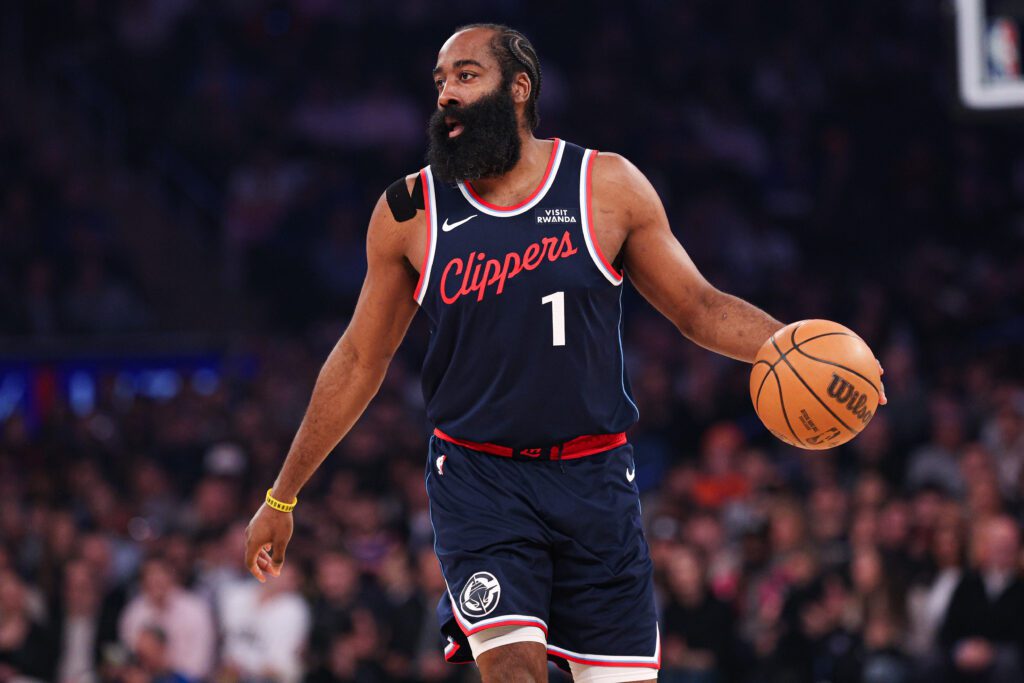
Cleveland Cavaliers Receive: James Harden
Los Angeles Clippers Receive: Darius Garland, 2026 second-round pick
This wasn’t about talent evaluation as much as timeline and urgency. The Cavaliers were 30-21 and trying to win now, so they swapped a longer-term guard asset for a short-term ceiling play: James Harden, still producing like a No. 1 option on nights when the game needs one.
James Harden’s season line is the justification: 25.4 points, 8.1 assists, 4.8 rebounds in 44 games. That’s elite shot creation, and it changes the geometry of every playoff possession because you’re adding a guy who can both manufacture advantages and punish switches.
The Clippers, at 23-26, read this as a pivot. Darius Garland was averaging 18.0 points and 6.9 assists, but he’d been out since mid-January with a toe injury, and the Clippers clearly wanted the younger, longer-term guard to reset their direction. The 2026 second-rounder is the sweetener, but the real exchange is structure: the Cavaliers chasing postseason juice now, the Clippers taking a cleaner runway for the next phase.
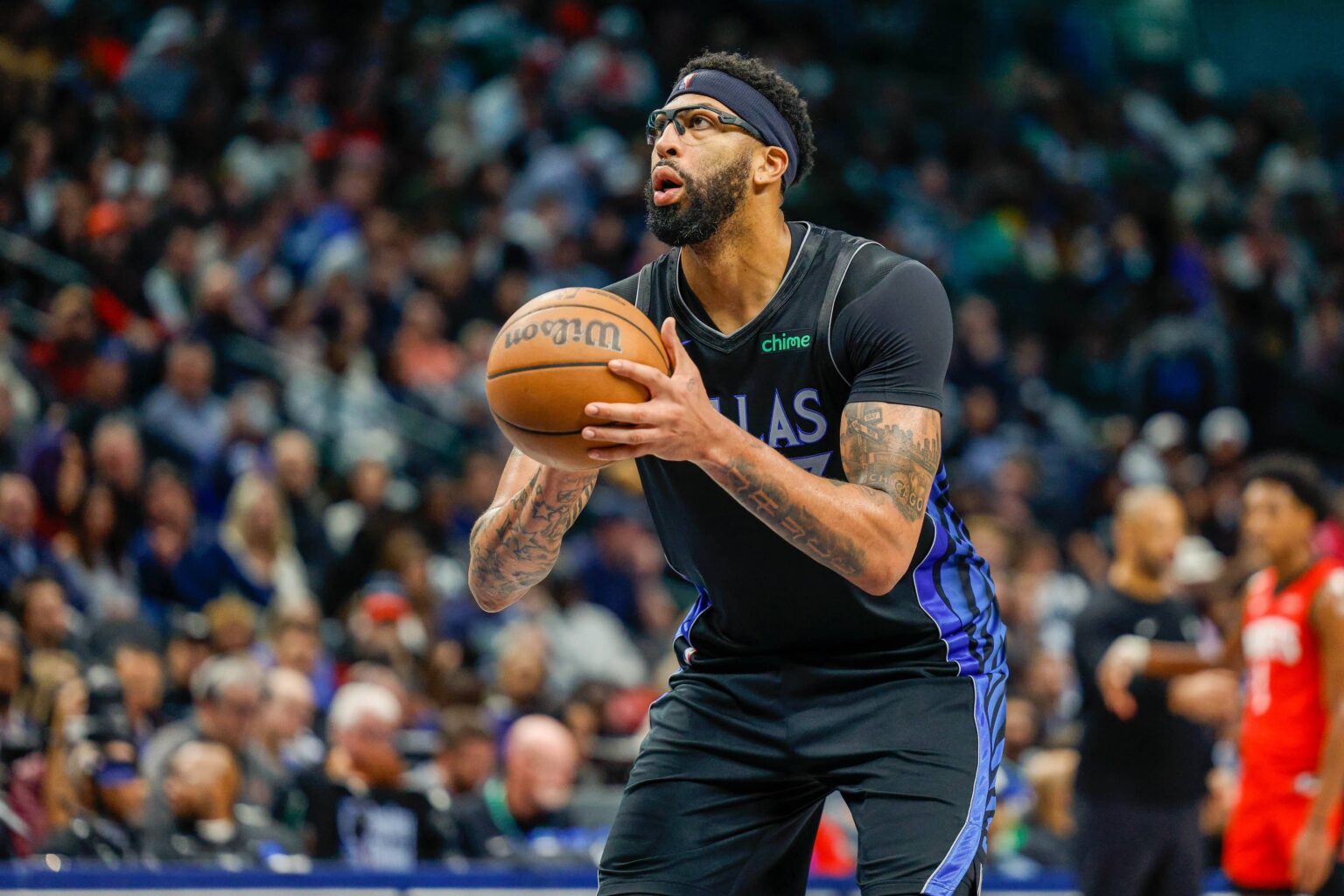
Wizards Take The Biggest Swing Yet With Anthony Davis
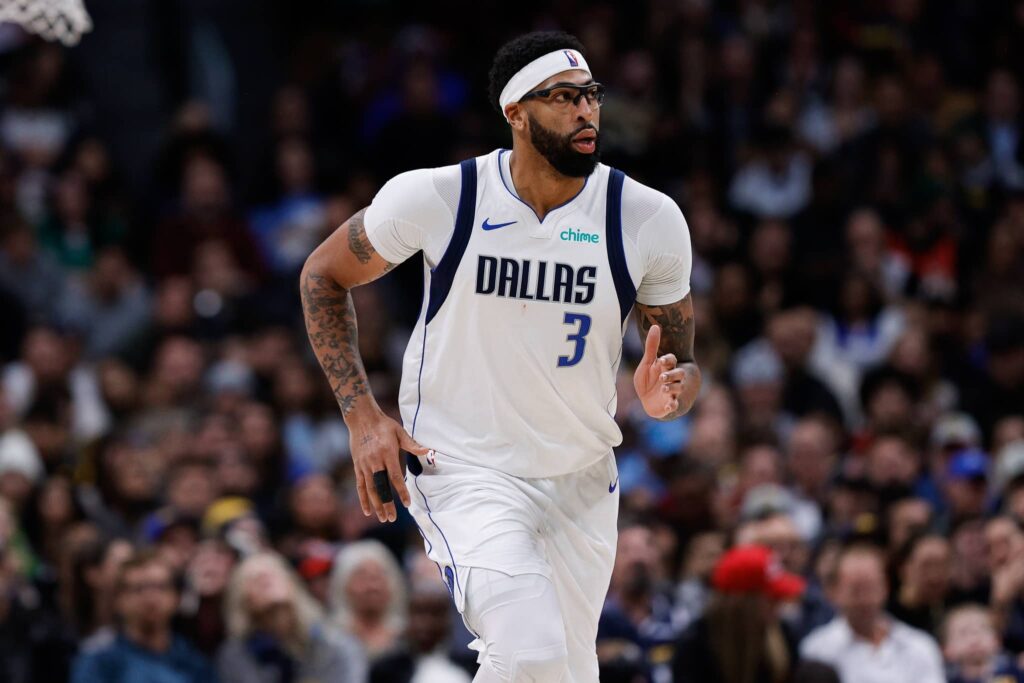
Washington Wizards Receive: Anthony Davis, Jaden Hardy, D’Angelo Russell, Dante Exum
Dallas Mavericks Receive: Khris Middleton, AJ Johnson, Malaki Branham, Marvin Bagley III, 2026 first-round pick (Thunder), 2030 first-round pick (Warriors), 2026 second-round pick (Suns), 2027 second-round pick (Bulls) , 2029 second-round pick (Rockets)
This was the first reported trade of February 4, and it is the type of deadline move that changes how everyone else negotiates, because it’s not subtle. The Wizards doubled down on their “stop waiting” pivot, pairing Trae Young with a frontcourt hammer in Anthony Davis.
When Davis is healthy, the production is still star-level: 20.4 points, 11.1 rebounds, 2.8 assists on 50.6% from the field. The issue is availability, and that’s not a footnote here. Davis has been out since mid-January with a torn ligament in his left hand and was still within the original four-to-six week timeline.
For the Mavericks, the logic is as direct as it gets: cap relief, flexibility, and draft equity. They sit at 19-31 (12th in the West) as this landed, and the return is basically a clean reset button around picks and expiring money.
The Wizards are betting that an elite rim-protecting finisher behind Young is worth the risk. If Davis returns and looks like Davis, this becomes one of the few deadline deals that actually raises a team’s ceiling, not just its floor.
Thunder Buy Low On Jared McCain’s Upside
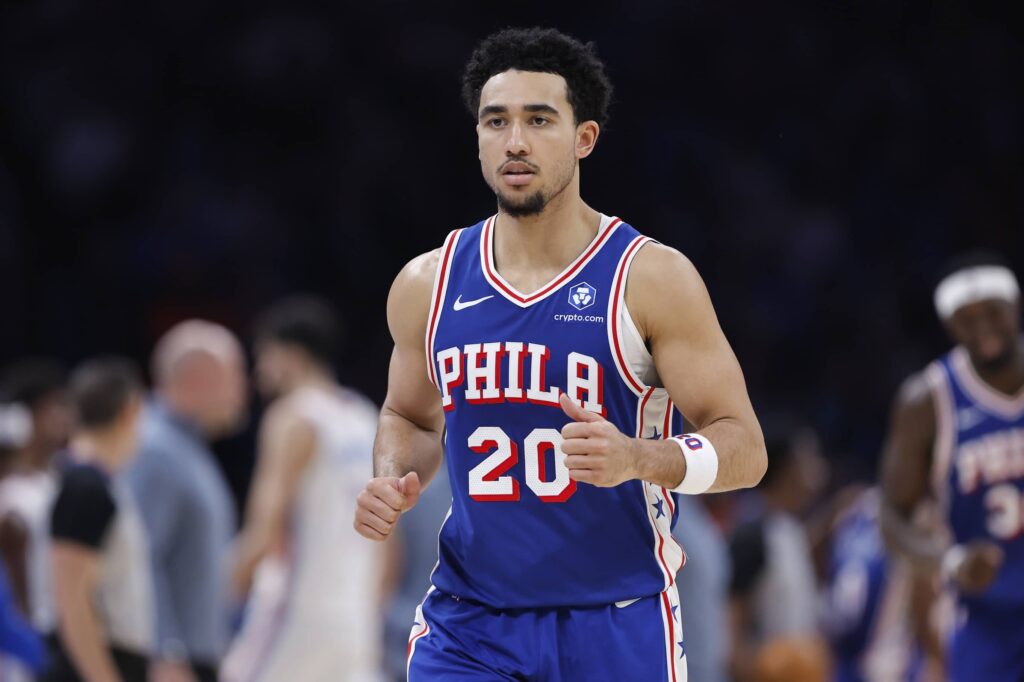
Oklahoma City Thunder Receive: Jared McCain
Philadelphia 76ers Receive: 2026 first-round pick (Rockets), 2027 second-round pick (most favorable of Thunder/Rockets/Pacers/Heat), 2028 second-round pick (Bucks), 2028 second-round pick (Thunder)
This one is about optionality more than desperation. The Thunder are sitting at 40-11, and instead of chasing a loud name, they used draft inventory to add another young guard on February 4 while Shai Gilgeous-Alexander is sidelined (abdominal strain, per NBA.com).
Jared McCain’s numbers this season are modest, but the context is the whole point: 6.6 points, 1.7 assists, 2.0 rebounds in 16.8 minutes over 37 games. His rookie-year version was a different player entirely, averaging 15.3 points before a left knee injury ended his season early.
For the 76ers, it’s clean asset conversion: a first-rounder plus three seconds for a player they weren’t fully integrating as the roster pushed back toward contention. For the Thunder, it’s a swing on talent development in the best possible environment, with the roster depth to bring McCain along without forcing minutes.
Hornets Add Coby White And Lean Into Guard Play
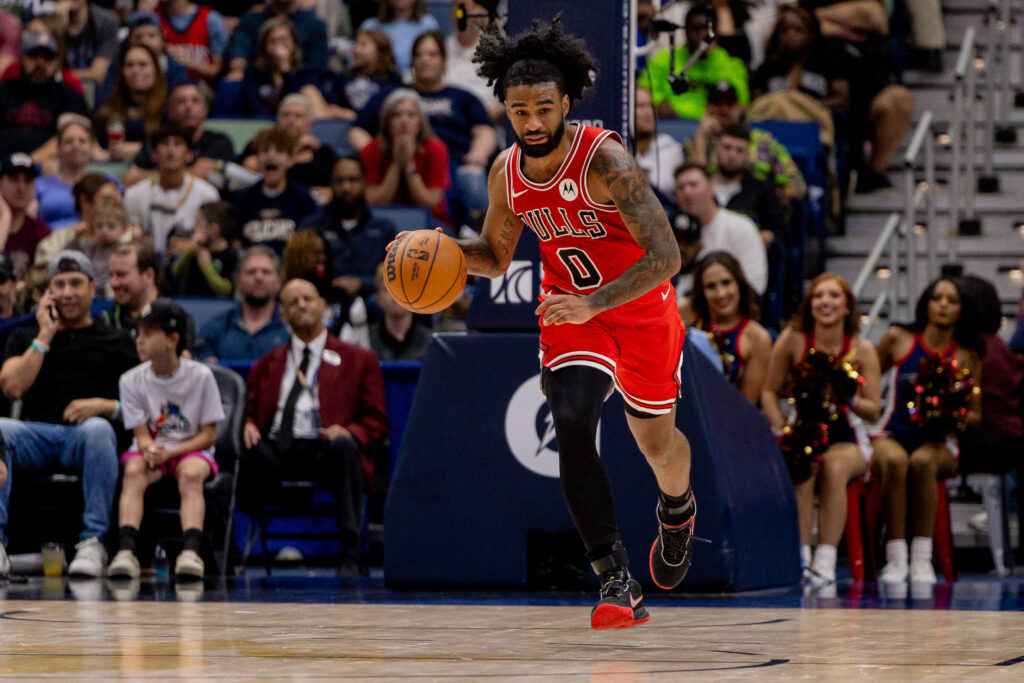
Charlotte Hornets Receive: Coby White, Mike Conley, 2029 second-round pick
Chicago Bulls Receive: Collin Sexton, Ousmane Dieng, three second-round picks (years not disclosed)
Oklahoma City Thunder Receive: Mason Plumlee
This trade is the Hornets deciding they needed more real creation in the backcourt, not more “maybe it works” minutes. They’re 23-28 right now, and adding Coby White gives them an instant scoring bump: 18.6 points and 4.7 assists in 29 games this season.
Mike Conley is the question mark after moving from the Timberwolves to the Bulls, and straight to the Hornets later, as rumors keep swirling about a potential buyout, like the Jazz are reported to do with Lonzo Ball.
For the Bulls (24-27), it reads like a re-shape. Collin Sexton (14.2 points, 3.7 assists) gives them another downhill guard, while Ousmane Dieng (3.7 points) is the longer-play flyer. The three second-round picks are part of the value, but the reporting didn’t specify the exact years on those Bulls picks, so don’t fake it in the package line.
By the way, the Bulls moved Ayo Dosunmu to the Timberwolves for Rob Dillingham, per Shams Charania, as the first February 5 trade. It’s another guard reshuffle, basically stacking more ball-handling upside and draft volume.
Warriors Pivot To Kristaps Porzingis As Their Deadline Center Answer
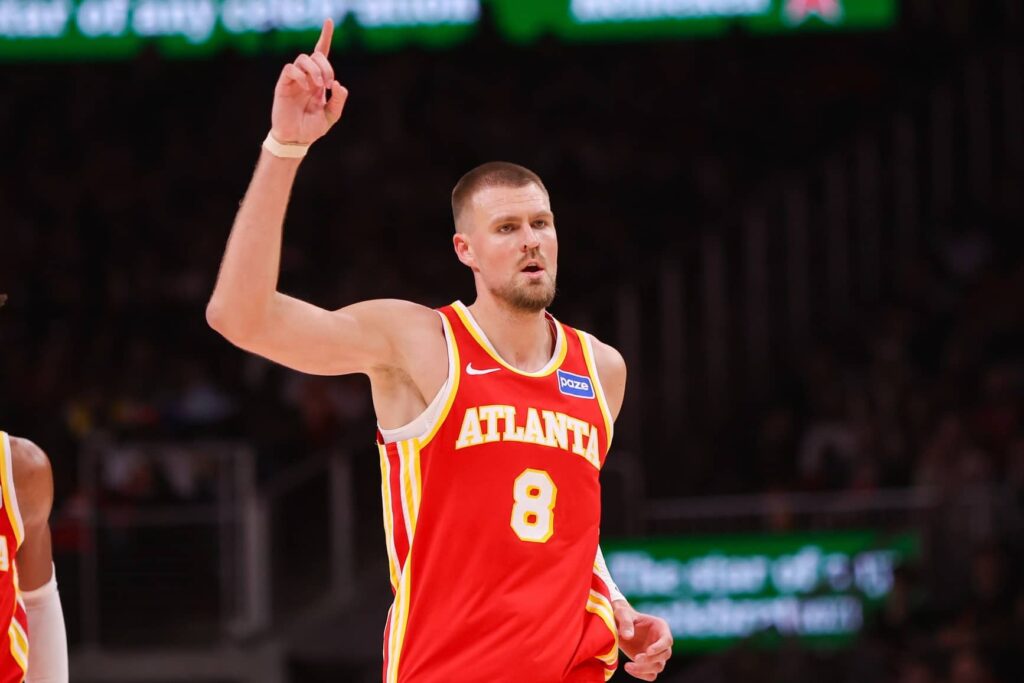
Golden State Warriors Receive: Kristaps Porzingis
Atlanta Hawks Receive: Jonathan Kuminga, Buddy Hield
Late last night, the Warriors chose a very specific problem to solve: they needed more size that actually changes possessions. They came into the deadline stretch at 27-24, hanging in the West playoff mix, but too often playing lineups where the margin for error was thin against real frontcourt teams.
Kristaps Porzingis is the swing. When he’s available, he still produces like a high-end starting big: 17.1 points, 5.1 rebounds, 2.7 assists on 45.7% from the field this season. The appeal is obvious in Warriors basketball terms: a legit rim presence who can score, stretch the floor, and give them a different late-clock option when the ball sticks.
The risk is just as obvious, because he’s been in and out this year, and the reporting around his health has been a constant part of the story. The Warriors were all-in for a Giannis Antetokounmpo trade, but as The Athletic’s Sam Amick reported, they were given the idea that the Bucks wouldn’t accept their offer, and pivoted elsewhere.
For the Hawks, this is more about volume and the age curve. They are 25-27, and after already making a major direction-setting move earlier in the cycle, this is them adding two pieces who can actually play minutes and raise their nightly floor.
Jonathan Kuminga gives them a younger forward bet next to Jalen Johnson, at 12.1 points, 5.9 rebounds, and 2.5 assists on 45.4% shooting in 20 games, and Buddy Hield is the spacing swing, even in a down year from three.
The tell here is what it says about the Warriors’ approach: they stopped hunting the Giannis home run and paid for a cleaner, immediate fit at center, with all the medical variance that comes with it.
The Pacers Finally Solve Their Center Problem
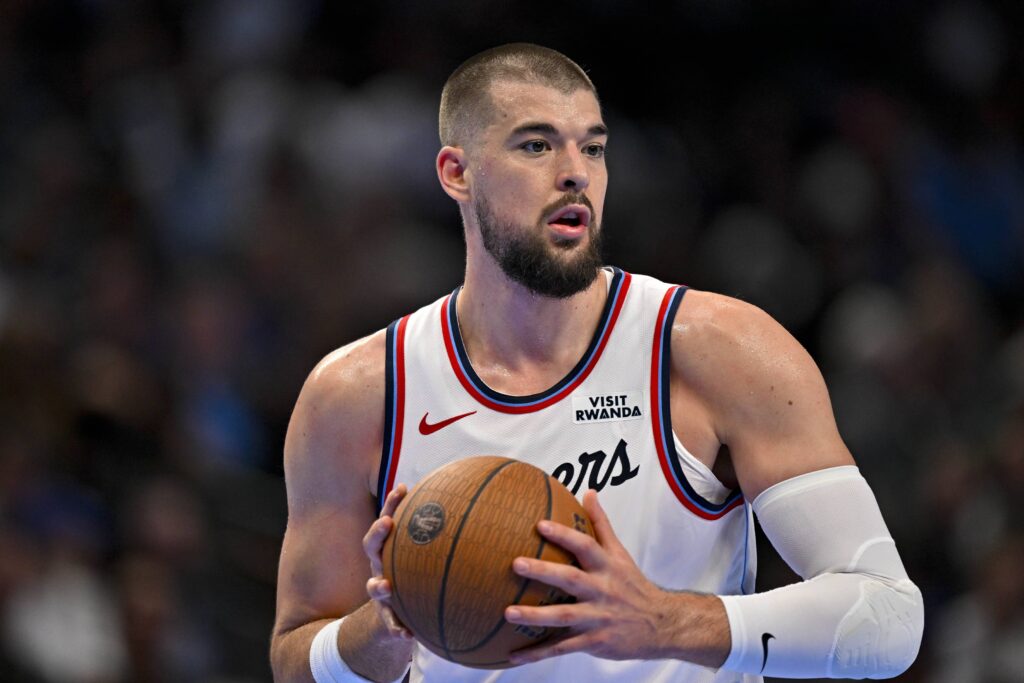
Indiana Pacers Receive: Ivica Zubac, Kobe Brown
Los Angeles Clippers Receive: Bennedict Mathurin, Isaiah Jackson, 2026 first-round pick, 2029 first-round pick, 2028 second-round pick (Mavericks)
This was the last major trade, and the only big one on February 5. The Pacers decided they needed a real starting center, and they paid the price contenders usually hate paying in-season. The Pacers are 13-36 and sitting 14th in the East, so this reads less like a “win now” push and more like a structural correction for next season, especially with Tyrese Haliburton’s recovery hovering in the background.
Ivica Zubac is the clean fit. He’s averaging 14.6 points, 10.8 rebounds, and 2.3 assists this season, giving the Pacers a true interior finisher and rebounder who can stabilize possessions without needing touches run for him.
The contract is a crucial detail because this isn’t a rental: Zubac is on a three-year, $58.6 million deal, making $18.1 million this season with two more years after it. If you’re trying to build a real roster shape, that’s the type of center deal you can plan around.
The Clippers’ side is where the trade becomes a real asset play. They’re 23-27 and clearly reshaping the roster on the fly, and this package is basically a pivot toward youth plus picks without fully bottoming out.
Bennedict Mathurin is the headliner: 17.8 points, 5.4 rebounds, 2.3 assists this season, and he’s headed toward restricted free agency this summer, which gives the Clippers leverage if they want to keep him or use him as a future chip. Isaiah Jackson is another controllable piece at $7.6 million this season, and even if he’s not the headline, he fits the theme: younger bodies and tradable contracts.
And the pick detail is the real punchline. The Clippers get a 2026 first that only conveys if it lands 5–9; if it doesn’t convey, it converts to an unprotected 2031 first. They also get an unprotected 2029 first and a 2028 second (from the Mavericks). That is a lot of long-horizon equity for a center, but it also reflects the market: starting-caliber fives who rebound, finish, and don’t break your cap sheet are scarce, and the Pacers decided scarcity was worth paying for.