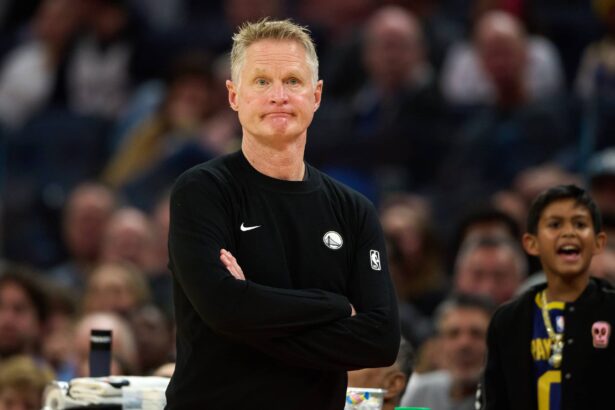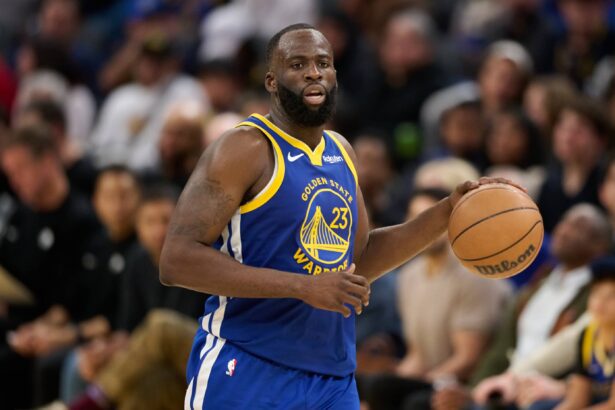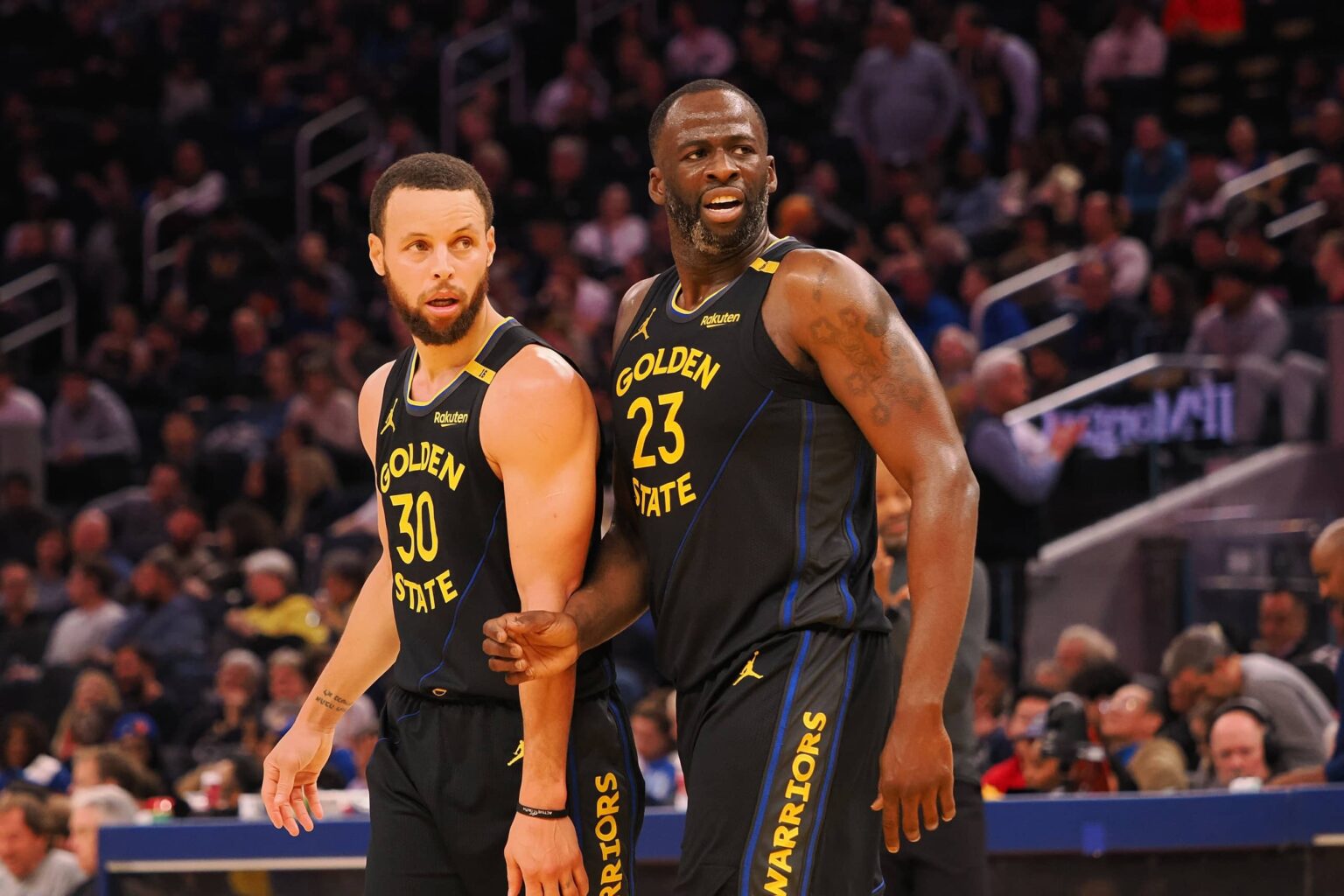
The Golden State Warriors are 13-15, sitting 9th in the West, and they’ve basically hit the part of the season where “we’ll figure it out internally” stops working.
Chris Haynes put the need in plain terms on NBA on Prime. He said the Warriors are looking for “size and athleticism,” then pointed to the problem areas, rebounding and shot-blocking in the bottom half of the league, plus points in the paint sitting dead last. Then he named the targets: Daniel Gafford, Nic Claxton, and Robert Williams III.
That list tells you exactly what the Warriors want. They don’t need a post-up big. They don’t need a slow drop-coverage specialist. They want a center who runs, jumps, erases mistakes, and makes the rim feel protected again, because too many possessions right now end with a layup line or a scramble into a bailout three.
And with the NBA trade deadline set for February 5, this is the window where teams stop “monitoring” and start paying.
Below are three mock paths that match what Haynes described, with offers that at least live in the real world.
1. Daniel Gafford
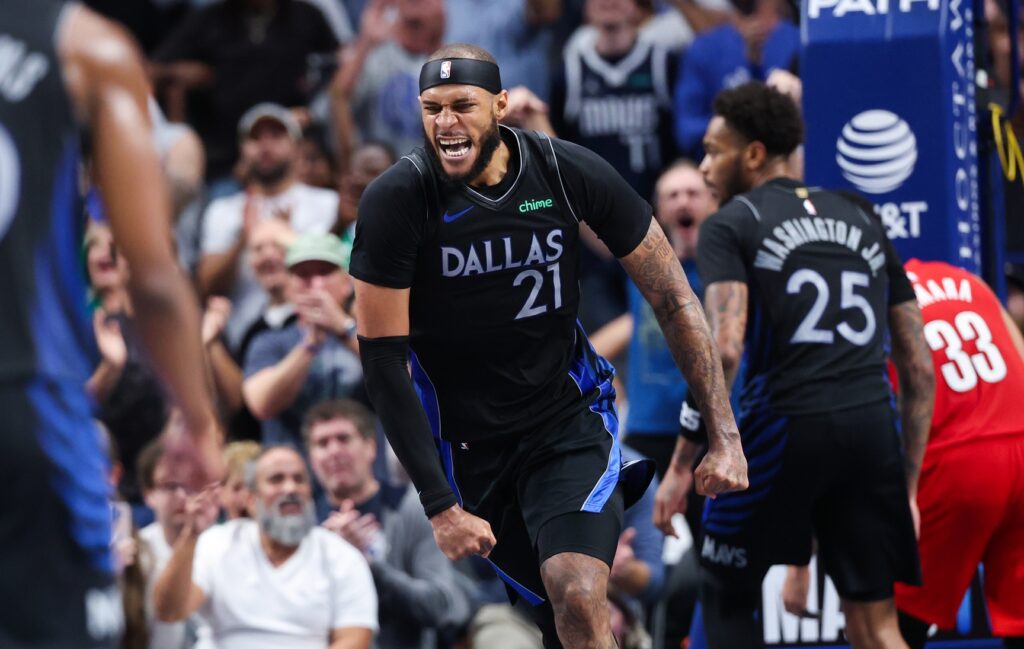
Potential Trade Offer: Moses Moody, De’Anthony Melton, 2026 first-round pick
If the Warriors want the simplest plug-and-play rim runner, this is it.
Gafford is averaging 8.5 points, 6.1 rebounds, and 1.5 blocks while shooting 61.4% from the field. That’s exactly the stat profile you expect from a lob big who lives off rim pressure, putbacks, and clean-up duty. He doesn’t need touches to matter. He needs angles, pace, and guards who can force rotations. That’s basically the Warriors’ whole identity when they’re right.
Money-wise, Gafford makes about $14.4 million this season. That number matters because it sits in the sweet spot where you can match without gutting the roster. Moses Moody and Melton give you movable salary, plus a first gives the Mavericks an actual reason to think about it.
There’s also a quiet detail here: Gafford has dealt with an ankle issue recently, and the Mavericks have managed his role, including bringing him off the bench. That doesn’t mean he’s broken, but it does matter in trade talks. Teams always try to buy slight uncertainty at a discount, especially when the player profile is role-based.
On-court fit in the Warriors’ system is loud. Gafford gives them vertical spacing they simply don’t have enough of. Defenses can’t just top-lock shooters and ignore the rim when a real lob threat sits behind the action. With Stephen Curry pulling two defenders toward the level of the screen, Gafford becomes a gravity lever. Catch, dunk, foul pressure, repeat. Even when he doesn’t touch it, the weakside help has to lean in, and that’s when the Warriors’ shooters finally get cleaner air.
Defensively, the appeal is even clearer. The Warriors have asked Draymond Green to cover too many fires at once. A springy center who can meet drivers at the rim lets Green roam, switch, and quarterback instead of absorbing every collision.
From the Mavericks’ perspective, the logic is roster balance and assets. If they decide they need more wing minutes, more perimeter depth, or just more flexibility, a first plus a young rotation wing is not nothing. It’s a real “we can pivot now or later” package. The Warriors’ side pays a real cost, but it pays it for a skill they can’t fake.
If the Warriors want the cleanest upgrade that doesn’t change their personality, Gafford is the most straightforward answer on Haynes’ list.
2. Robert Williams III
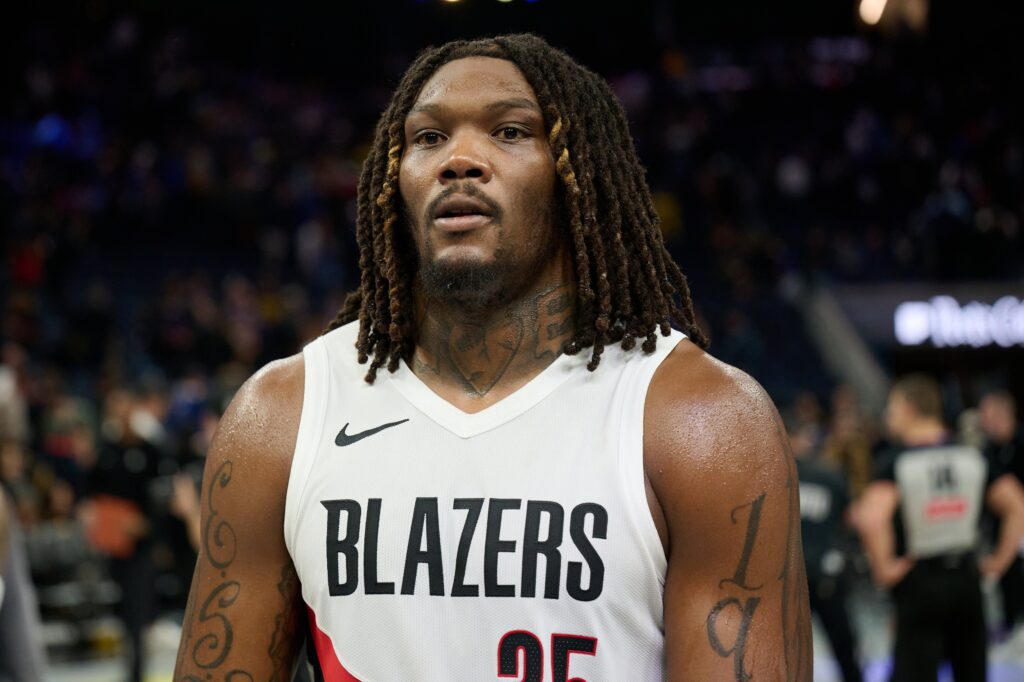
Potential Trade Offer: Buddy Hield, Al Horford, 2030 second-round pick, 2031 second-round pick
This is the high-upside, high-stress play.
Williams is at 5.7 points and 5.8 rebounds this season, shooting 67.2% from the field. Those raw numbers don’t scream blockbuster, but anyone who has watched him at his best knows what the Warriors would be buying: chaos defense. He’s a weakside eraser, a play detonator, and one of the few bigs who can turn a clean layup attempt into a turnover without the defense needing to be perfect.
The catch is obvious, and it’s the whole reason this trade stays plausible: health. Williams missed nearly the entire 2023-24 season because of a right knee injury, and availability has followed him for years. That injury track record is exactly why his market value can slide even when the player still looks like a difference-maker in short bursts.
Contract-wise, he’s on about $13.3 million, and he’s set to hit unrestricted free agency after the season. That matters for both teams. For the Trail Blazers, an expiring deal can turn into an asset-flip moment rather than a “hold and hope” decision.
For the Warriors, the pitch is simple: you don’t need 70 games. You need 16 brutal playoff games where the rim feels protected, and the opponent hesitates for half a second. Williams can do that, and he can do it without needing the ball.
The proposed outgoing pieces make sense in a very Warriors way. Buddy Hield and Al Horford are useful, but they’re also veterans you can justify moving if you’re chasing a specific playoff tool. Two second-round picks sweeten it without turning into a “we just mortgaged everything” headline.
Basketball fit is spicy. Williams in the dunker spot gives Curry another vertical outlet. Williams at the rim lets the Warriors press up on shooters without fearing every straight-line drive. Williams next to Draymond lets them run switching coverages that still end with a shot-contest at the rim, which is the whole dream.
But you’re betting on the body. That’s the deal. If the Warriors trade for Williams, they’re basically saying, “We’ll manage him, we’ll protect him, and we’ll gamble that April and May are worth the risk.” That gamble is the only reason he’s even gettable.
3. Nic Claxton

Potential Trade Offer: Jonathan Kuminga, Gui Santos, Trayce Jackson-Davis, 2027 first-round pick
This is the “stop pretending” swing, because Claxton is the only target here who can be a long-term answer, not a deadline patch.
Claxton is averaging 13.5 points, 7.8 rebounds, and 4.5 assists, shooting 56.4% from the field. The assists pop for a center. That’s a big deal in the Warriors’ world, because their offense lives on reads. If you can short-roll, catch, and immediately find cutters and shooters, you unlock entire layers of the playbook.
Financially, Claxton makes about $25.4 million this season, and he’s under contract beyond this year. That’s why the package starts with Kuminga. A Claxton deal almost has to be a “real asset” deal.
And the Jonathan Kuminga timing matters. He becomes trade-eligible on January 15, and ESPN’s Shams Charania has reported the Warriors will be open to discussing trades for him once that date hits. His $22.5 million contract also gives the Warriors a clean salary slot for bigger trade constructions.
From the Nets’ side, the logic is asset accumulation and timeline control. If they decide they’d rather build around a younger core with scoring upside, plus get a first, plus get additional young pieces, this is the type of offer that actually starts a serious conversation.
From the Warriors’ side, Claxton fits like he was built in a lab for what they’ve tried to be for a decade. He can switch, he can cover ground, he can play in space, and he doesn’t drag the pace down. He also gives them a real backline presence without forcing them into one coverage.
The cost is huge, though, and it should be. Kuminga plus a first is a real bet on the Curry window still having teeth. My take: if the Warriors actually believe they can win multiple playoff rounds, Claxton is the only one here worth paying the “it hurts” price for, because he solves the center problem without forcing the Warriors to become a different team.
And that’s the whole point of the Haynes report. The Warriors aren’t hunting a name. They’re hunting a skill set. Claxton is the cleanest version of it.