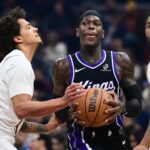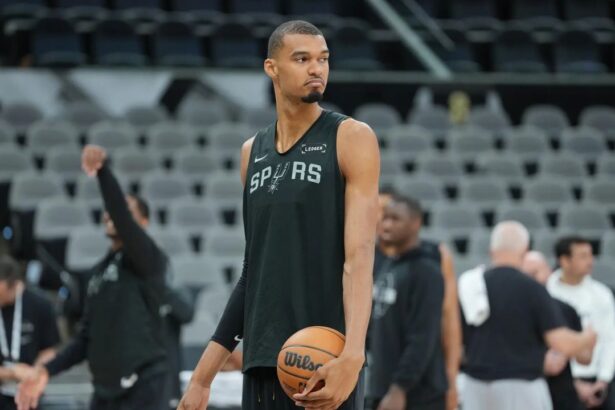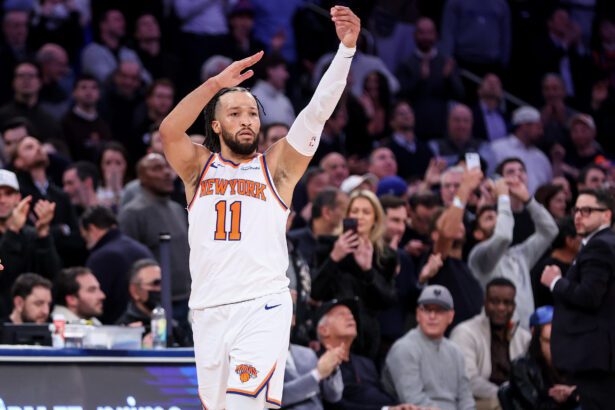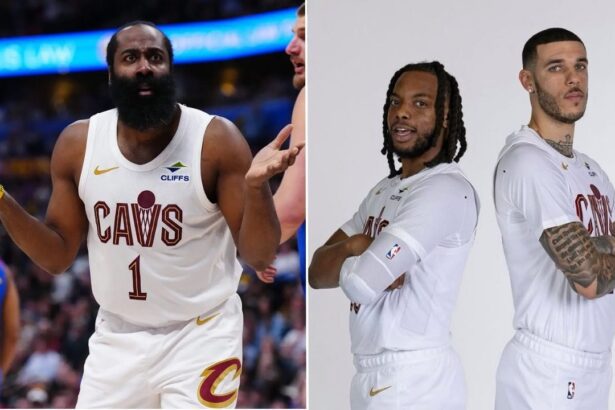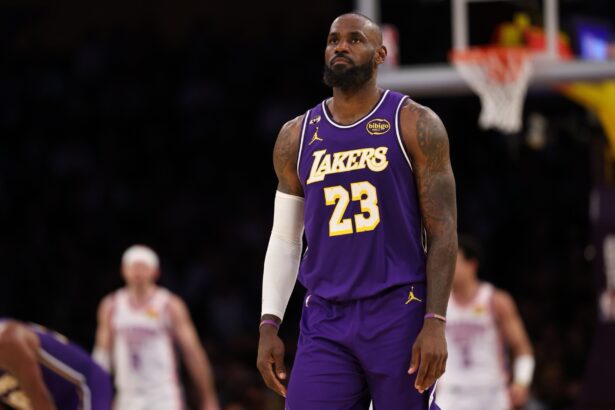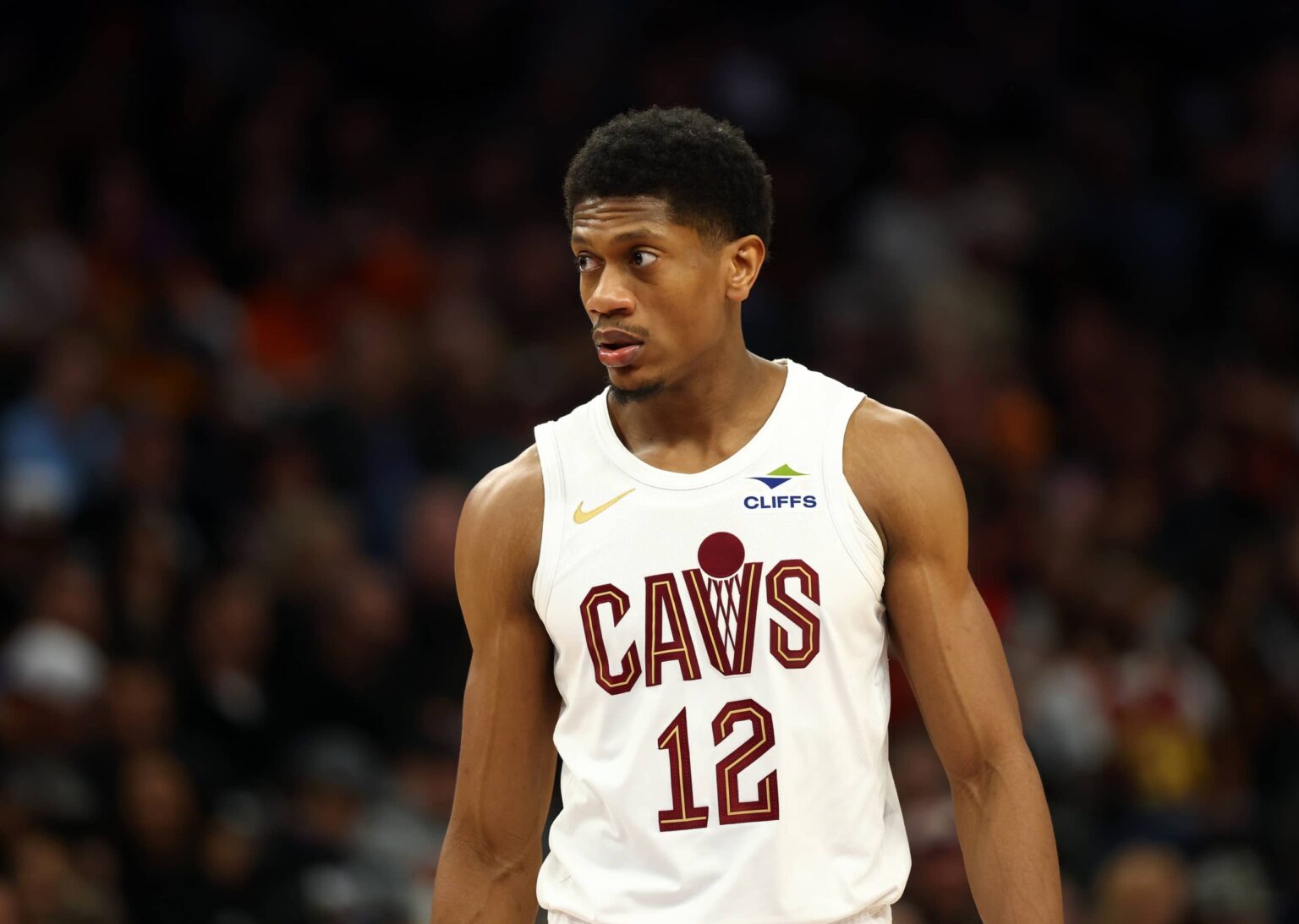
The Los Angeles Lakers entered the trade deadline linked to a familiar type of player. Long athletic defenders who can shoot, defend multiple positions, and fit next to star talent. De’Andre Hunter and Keon Ellis checked many of those boxes, which is why both names consistently surfaced in league chatter. Yet when the Cavaliers, Kings, and Bulls finalized their three-team deal, the Lakers were left watching from the sidelines. The reason was not a lack of interest. It was a clear line the front office refused to cross.
According to Marc Stein, the Lakers’ interest in Hunter was always rooted in value. Compared to other wings on the market, Hunter represented a more affordable option in terms of acquisition cost. That interest cooled quickly when Cleveland made it clear that Rui Hachimura would need to be included and that no additional draft compensation would be attached to offset Hunter’s extra year on his contract. For the Lakers, absorbing long-term money without draft picks was a nonstarter.
Dan Woike echoed that sentiment, noting that the Lakers’ desire to avoid money beyond this season made Hunter less than ideal. Hunter is owed significant money next year ($23.3 millon), and while he fits the archetype Los Angeles needs, the front office is prioritizing flexibility over marginal upgrades. That same logic extended to Keon Ellis. The Lakers liked Ellis, but not enough to take on Hunter’s contract as part of a bundled deal.
This approach points directly to Rob Pelinka’s broader plan. The Lakers have roughly $40.7 million in expiring contracts and only one tradable first-round pick at the moment. Their player assets, including Jarred Vanderbilt and Dalton Knecht, are not viewed around the league as premium trade chips. With limited leverage, the Lakers are choosing patience.
That patience is tied to the offseason. If Austin Reaves declines his $14.9 million player option and signs a long-term extension as expected and LeBron James either leaves or retires, the Lakers could open between $38 million and $47 million in cap space, depending on which free agents return. That is enough room to reshape the roster around Luka Doncic and Reaves long term. Taking on Hunter’s contract would complicate that plan and reduce flexibility at a critical moment.
There is also a practical angle with Ellis. He is expected to hit free agency, which gives the Lakers a path to pursue him without surrendering assets. Waiting allows them to keep options open rather than locking themselves into deals that compromise future spending power.
At 29-18, sixth in the West, the Lakers are firmly in the playoff race. They need help on the wing, more shooting, better bench scoring, and possibly another big man. Still, with limited assets and an eye on the summer, the front office appears comfortable riding out a quieter deadline. A minor move or a buyout addition remains possible, but nothing that puts the 2026 offseason plan at risk.
In short, the Lakers did not miss out by accident. They stepped back by design.