Boston dictated every phase of the game. From the opening quarter on, the Celtics played with sharper pace, cleaner execution, and far more physicality than the Rockets, rolling to a convincing 114-93 victory that never truly felt in doubt. Even on a night without a traditional superstar-heavy lineup carrying the load, Boston looked deeper, more connected, and far more prepared for the grind of a full 48 minutes.
The lead was in the air. In the glass, the movement of the ball, the quality of the shots, and the discipline on defense. Boston built a lead that grew to 29 points and controlled the game for almost the entire night. It turned what could be a competitive match into a showcase of team basketball. Here are five takeaways from a dominating performance by the Celtics.
1. Derrick White Set The Offensive Tone
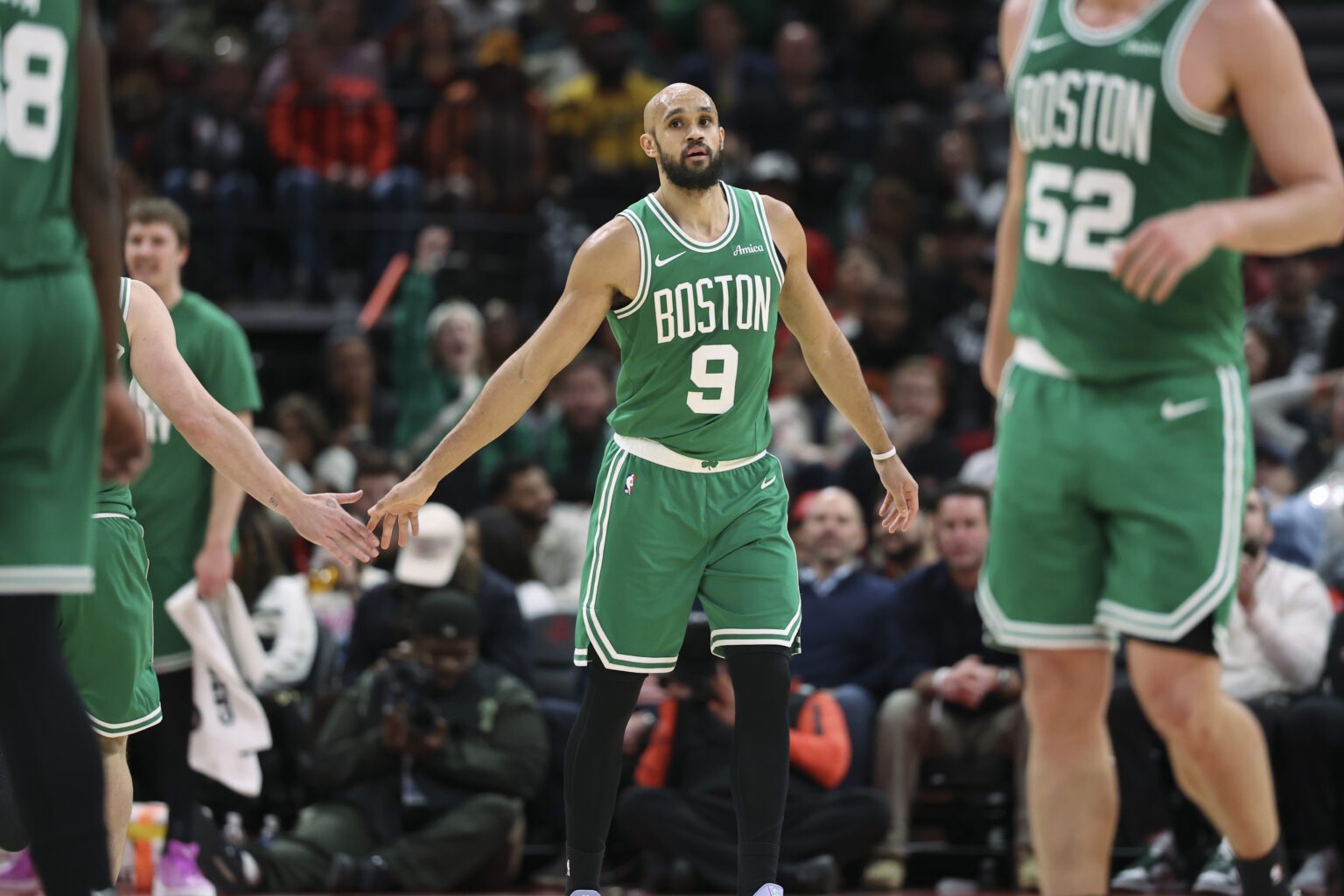
Derrick White built Boston’s offensive rhythm as he scored 28 points with 10-25 shooting. 6-14 shooting from three is nothing to brag about, but he scored while controlling the tempo with the extra pass. He read and reacted to Houston’s defensive setups. He was one of the big reasons Boston had 8 of their 26 assists, and he showed the comfort level of Boston’s ball movement.
What was most impressive was how White’s aggression and playmaking were balanced. He shot deep when they pressured the screens, went straight over the top when they overpressed to create shots over three lanes and wide-open guys. Making Boston’s offense that much more effective each time he was on the ball.
2. Neemias Queta Owned The Paint
Queta was a defensive monster and leader with 19 rebounds (7 of them offensive), 5 blocks, and 10 points. He dominated the defensive glass and kept the Boston offense extended with a defensive presence at the rim. Houston was not able to get second-chance point opportunities because Queta was cleaning up the defensive rebounds.
Queta blocked and altered shots. Although he may not have shown up in the box scores, that type of strong defensive presence is crucial. Houston shot 41.5% and would not attack the paint while Queta was set. Because of Queta’s positioning and physicality, it aided in Boston having the 57-38 rebounding advantage, which helped Boston stay in the game.
3. Boston’s Depth Buried Houston’s Bench
Payton Pritchard had a scoring explosion that helped the Celtics second unit totally outperform the Houston reserves. Pritchard had 27 points, shooting 9-20, and 5-10 from 3, and added 7 assists in an impressively energetic performance. Houston is making a run or trying to get back in the game. Pritchard would hit a tough shot or get a quick assist in transition.
Pritchard wasn’t the only one helping the Boston bench and scoring. The Boston bench had scoring balance with Baylor Scheierman contributing 15 points and 10 rebounds (double-double), and Ron Harper Jr. with 11 points and 9 rebounds. The Celtics bench improved the rebounding (won the rebounding battle) and kept the scoring going when the starters took a rest. The Celtics didn’t just survive the bench minutes; they extended the lead.
4. Three-Point Volume And Ball Movement Broke The Game Open
Boston’s willingness to fire from deep stretched Houston’s defense beyond its limits. The Celtics launched 51 threes and knocked down 19, creating spacing that opened driving lanes and offensive rebound opportunities. Even though both teams shot around 37% from three, Boston’s volume created a 24-point advantage from beyond the arc.
That outside shooting worked hand-in-hand with ball movement. Boston consistently forced Houston into rotations, which led to open looks or scrambling closeouts. The Celtics had five different players hit multiple threes, making it impossible for Houston to key in on a single shooter.
5. Houston Couldn’t Match Boston’s Physicality Or Execution
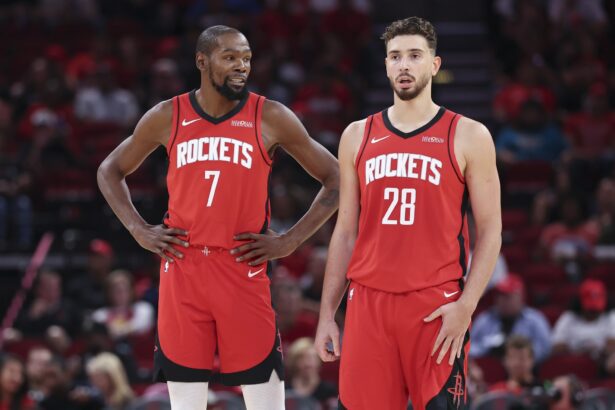
Kevin Durant led the Rockets with 15 points, but he needed 11 shots and rarely found a rhythm. Alperen Sengun had 13 points and 9 rebounds, yet Boston’s interior defense made his touches difficult and contested. Houston finished with just 16 assists, a sign of how stagnant their offense became under pressure.
They managed to get to the line more and go more often – though their success rate is the real killer. 85.0% for the Celtics at 17-20. For Houston, 63.6% at 14-22. Combine that with Boston’s 20 offensive boards, and they had the possession game. Houston couldn’t get enough stops (or scoring stretches) to make it competitive.