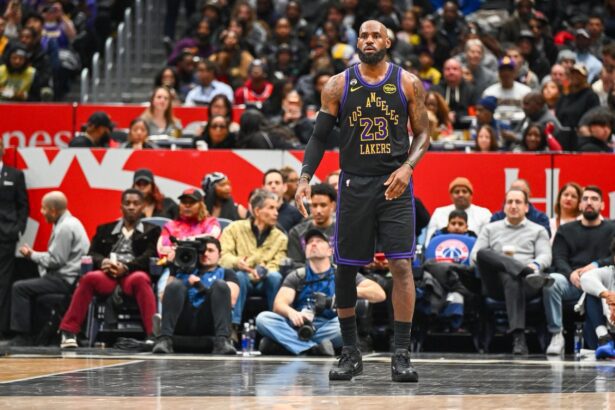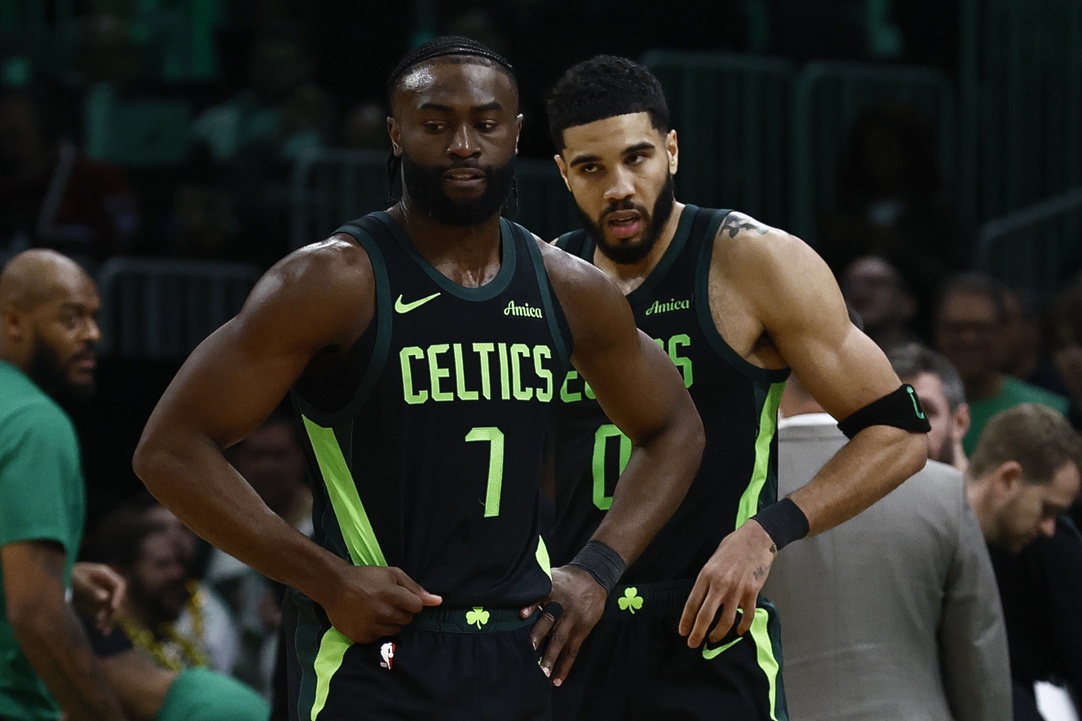
The Boston Celtics powered past the Toronto Raptors in a physical, one-sided performance that ended 115-101.
Despite Toronto shooting a respectable 47.6% from the field and 40.0% from three, they simply couldn’t match Boston’s force inside.
The Celtics piled up 76 points in the paint and dominated the rebounding margin 44-31, turning this into a game defined by strength and control rather than shot variance. Here are the five key takeaways from this performance.
1. Celtics’ Paint Dominance Was Overwhelming
Boston’s offensive identity in this game was clear from the opening possession: attack the rim, and keep attacking it. The Celtics scored a staggering 76 points in the paint compared to just 58 for Toronto, consistently generating high-percentage looks.
Boston exposed Toronto’s interior defense all night. The Raptors had no rim deterrence, and once the Celtics established that advantage, they leaned into it possession after possession.
Even more telling, Boston grabbed 12 offensive rebounds, creating extra opportunities that often led to easy putbacks or fouls. This wasn’t just efficiency but physical imposition.
2. Toronto’s Ball Movement Couldn’t Offset Defensive Issues
The Raptors actually moved the ball well, finishing with 31 assists – a strong number that typically signals offensive success. Scottie Barnes led the way with 8 assists, orchestrating the offense and creating open looks for teammates.
RJ Barrett and Brandon Ingram each scored 15 points, while Ja’Kobe Walter added 16 on efficient 6-9 shooting, including 4-5 from three. On the surface, the offensive production was balanced and functional.
But none of it mattered because they couldn’t get stops. Every time Toronto generated momentum offensively, Boston responded with a high-percentage look inside, neutralizing any potential run.
3. Rebounding Gap Shifted Possession Control
Boston’s 44-31 advantage on the glass dictated the flow of the game. The Celtics controlled defensive rebounds, limiting second chances, while also creating extra possessions with offensive boards.
Toronto managed just 6 offensive rebounds, compared to Boston’s 12. That discrepancy meant fewer opportunities to capitalize on missed shots and fewer chances to build sustained runs.
Even when Jakob Poeltl contributed efficiently with 14 points on 7-9 shooting, the Raptors couldn’t generate enough volume inside to offset Boston’s dominance. The rebounding gap ensured that Boston consistently had more control over the game’s tempo.
4. Turnovers Hurt Toronto At Key Moments
Both teams played a little loose with the ball, but Toronto’s 15 turnovers compared to Boston’s 18 were more critical.
The Raptors’ turnovers were a little out of hand and resulted in 26 points, and that turned into a quick up-the-court Boston offense.
The Raptors were super lax on the offensive end, more than just having bad luck. Scottie Barnes was feeding the ball, but the turnovers had a big impact on their side of the court.
The lack of offense was the exact reason the Celtics were able to score so easily time and time again.
5. Celtics Won Without Relying On The Three-Point Shot
Boston was able to find success by using other methods to win games. Although the Celtics shot an unacceptable 28.6% from three (8-28), they were still able to win the game by controlling the tempo of the game.
This is an encouraging sign for the Celtics. It shows that they are able to blow teams out with poor three-point shooting.
Boston was able to utilize offensive mismatches, dominate the boards, and finish through contact. The ability to develop other scorers to dominate other players on the court is something that only the best teams possess.