The Los Angeles Lakers were undermanned, and it showed. Without both Luka Doncic and Austin Reaves, the offensive burden fell almost entirely on LeBron James, and even a vintage performance wasn’t enough.
On the other side, the Dallas Mavericks had the best player on the floor, and he made it count in the 134-128 loss.
Cooper Flagg delivered a monster performance, overwhelming the Lakers with scoring, playmaking, and control. Dallas led for 97% of the game and built a lead as large as 22, turning what could’ve been competitive into a game that consistently tilted their way.
1. Cooper Flagg Took Over The Game
Cooper Flagg didn’t just have a big night – he dictated everything. The young star exploded for 45 points, 8 rebounds, and 9 assists on 14-27 shooting, while going 15-17 from the free-throw line.
What stood out most was his versatility. He scored at all three levels, created for others, and never allowed the Lakers to settle defensively. Whether it was attacking mismatches or pushing the pace, Flagg consistently made the right play.
Dallas shot 52.3% from the field as a team, but Flagg was the engine behind it all. When one player controls the game at that level, it forces everything else to collapse, and that’s exactly what happened.
2. LeBron Did Everything, But It Still Wasn’t Enough
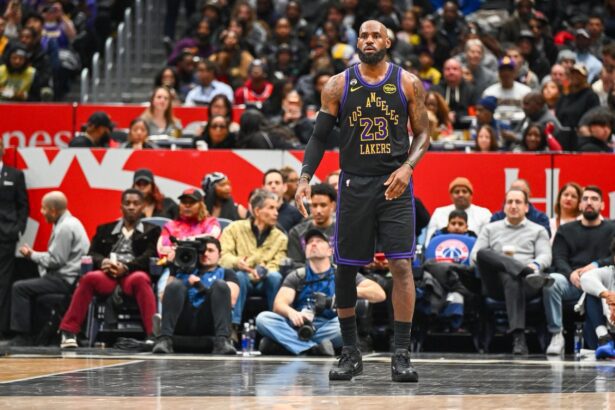
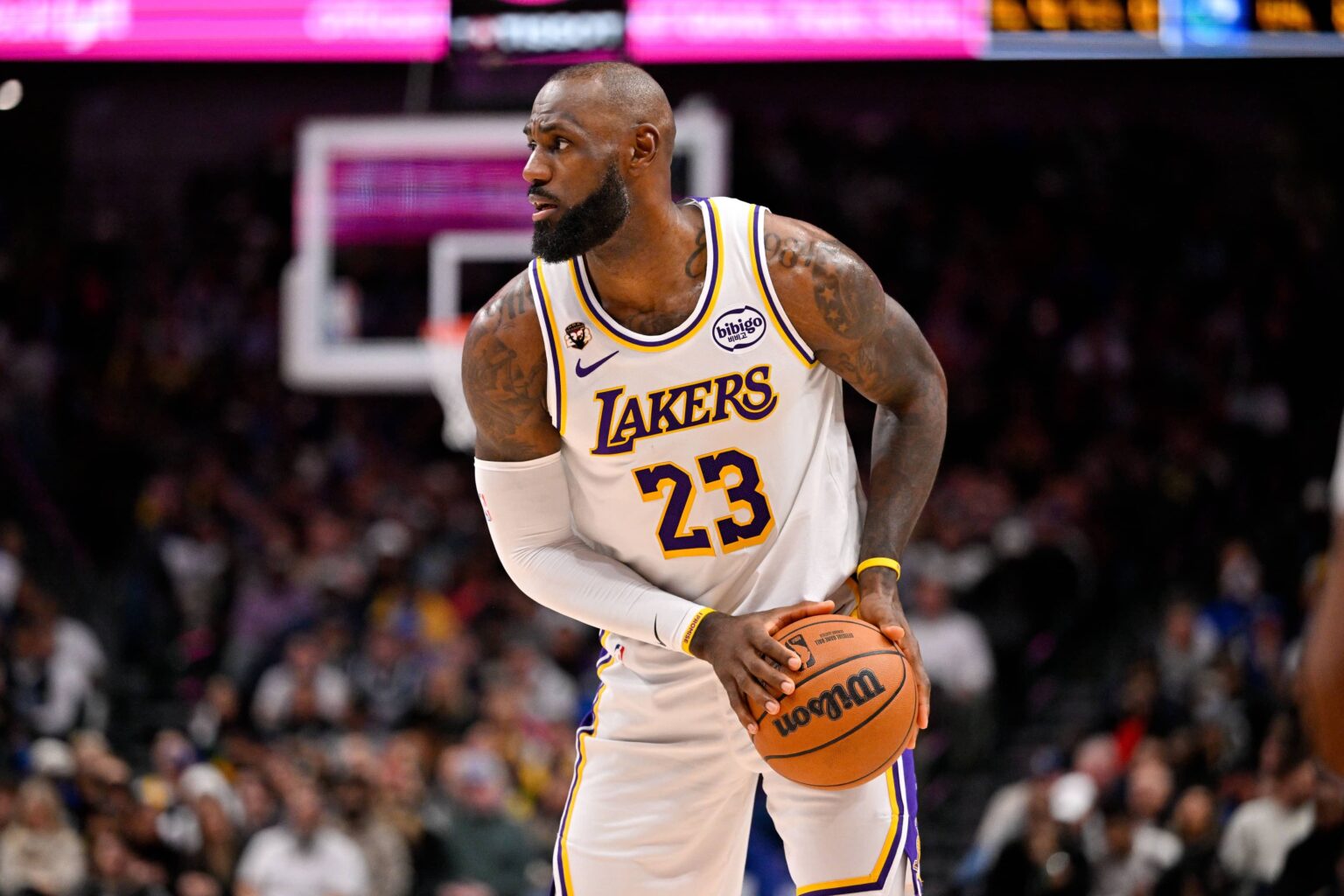
LeBron James turned in one of his most complete performances of the season: 30 points, 15 assists, and 9 rebounds on efficient 12-22 shooting. He orchestrated the offense, controlled tempo, and kept the Lakers within reach whenever things threatened to spiral.
But the reality was simple: he didn’t have enough help. Without Luka Doncic and Austin Reaves, every possession ran through LeBron, and over time, that became unsustainable.
Even with 36 team assists and strong overall shooting (51.6%), the Lakers couldn’t generate enough consistent pressure to match Dallas’ firepower. LeBron kept them competitive, but he couldn’t carry them over the line alone.
3. Lakers’ Supporting Cast Was Inconsistent
There were flashes, but not enough stability. Rui Hachimura delivered an efficient 21 points on 9-13 shooting, and Jaxson Hayes added 23 points off the bench on 8-10 shooting.
However, outside of those performances, the production was uneven. Luke Kennard filled the stat sheet with 15 points, 16 rebounds, and 11 assists, but it came on inefficient 5-17 shooting and just 1-5 from three.
The Lakers shot only 29.6% from beyond the arc (8-27), which allowed Dallas to pack the paint and limit driving lanes. Without consistent perimeter shooting, even strong interior production wasn’t enough to sustain offense.
4. Mavericks Won The Efficiency Battle
Both teams had a 52% field goal percentage, but the difference was beyond the arc and free throws. Dallas hit 14-32 (43.8%) compared to the Lakers, who struggled at 29.6%.
Klay Thompson added 3 threes off the bench. P.J. Washington hit 3 threes as well. This helped stretch the floor around Flagg.
Dallas also added at the line, hitting 28-36 compared to the Lakers’ 26-33. This, combined with Flagg’s playmaking and shot quality, helped them get to the line more.
5. Lakers Never Truly Controlled The Game
The Lakers only led 2% of the game. This clearly shows Dallas was able to dictate the game. Dallas never allowed the Lakers to get momentum.
Even with small pushes by the Lakers, there was always a turnover or defensive error that prevented momentum. The Lakers had 12 turnovers, which gave the Mavericks 21 points. Dallas also had 7 defensive turnovers.
Combine that with a 24-14 fast-break advantage, and it’s clear that the Mavericks executed better.