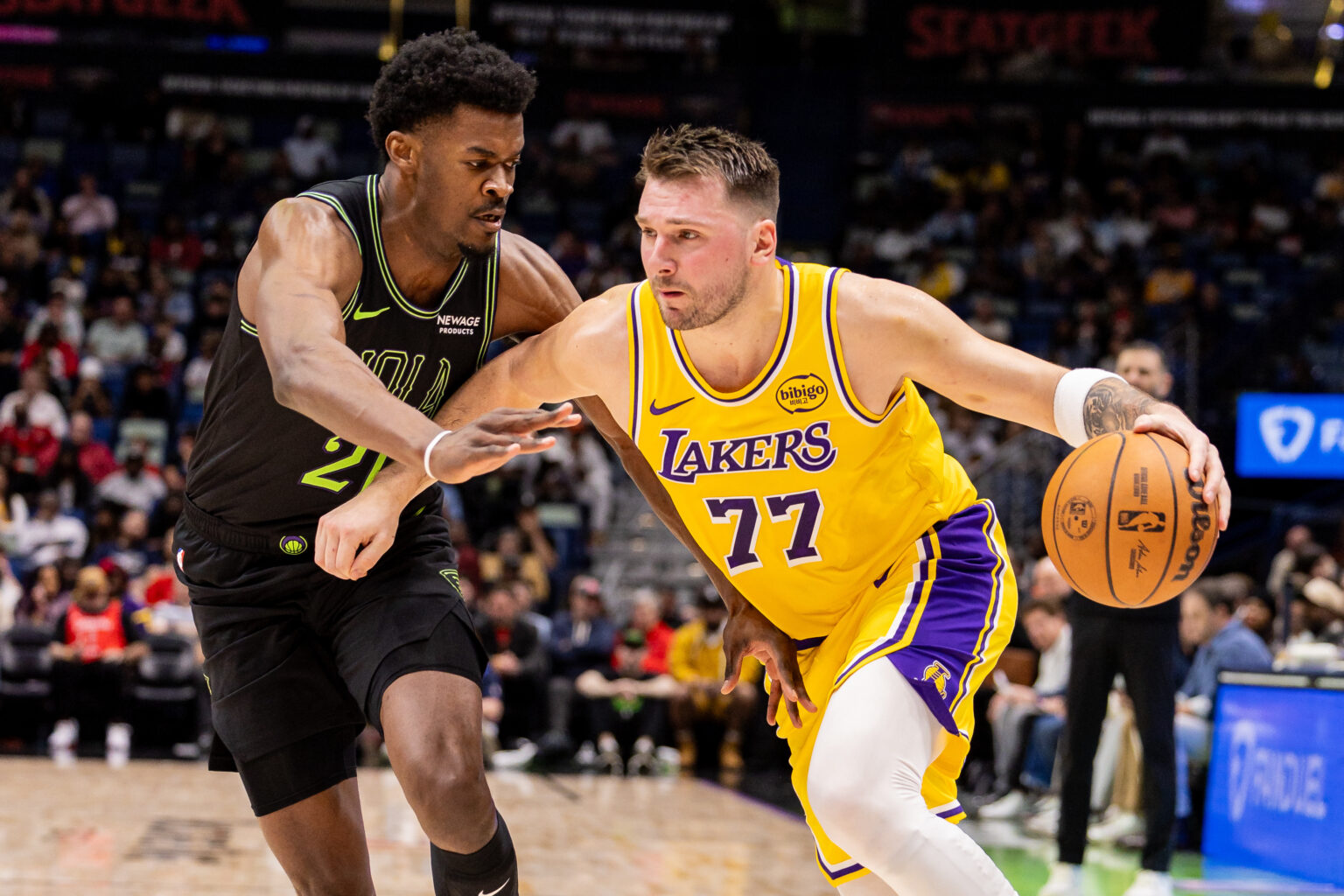
The Lakers didn’t play a perfect game, but they played a controlled one, and against a Pelicans team capable of wild scoring swings, that mattered more than flash. From the opening quarter on, Los Angeles looked comfortable dictating pace, leaning on experience, and trusting their stars to clean up anything that got messy. The result was a steady 111-103 win that never quite felt in danger, even as New Orleans made repeated pushes.
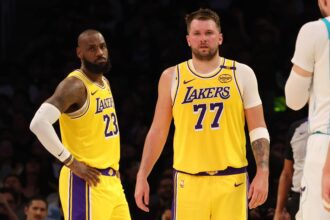
At the center of it all were LeBron James and Luka Doncic, who combined for 60 points, 18 assists, and a constant sense of calm whenever the game threatened to tilt. It wasn’t a blowout. It didn’t need to be. The Lakers simply made the right plays often enough, and when it came time to close, they didn’t blink.
1. LeBron And Luka Led The Way In The Game
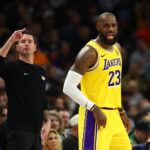
There was nothing frantic about the way LeBron James and Luka Doncic scored their points. LeBron finished with 30 points on 10-of-19 shooting, adding eight rebounds, eight assists, two steals, and a block, all while not dominating the ball. He picked his moments, attacked mismatches, and punished the Pelicans whenever they tried to switch smaller defenders onto him.
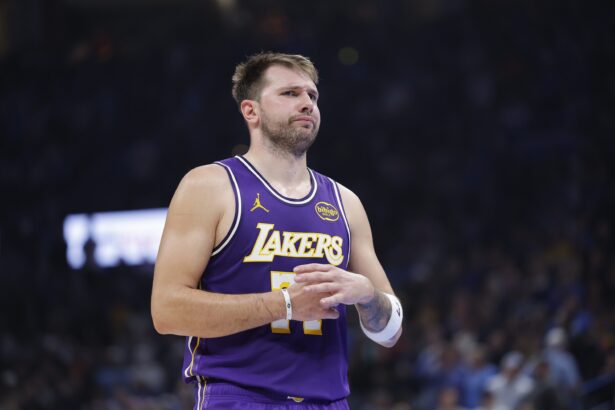
Doncic matched him with 30 points of his own, along with 10 assists, and while his shooting line (11-of-22 overall, 3-of-10 from three) wasn’t spotless, the Pelicans never solved him. Every possession bent around Luka’s ability to slow the game down, draw help, and force New Orleans into uncomfortable decisions. Even with five turnovers, his control of tempo outweighed the mistakes.
What stood out most was how rarely either star looked rushed. The Lakers didn’t need hero shots early. They didn’t need desperation late. The offense always had a pressure release, and more often than not, it was one of those two holding the ball with the defense scrambling.
2. The Lakers Were Very Physical
This game wasn’t decided by highlight plays, it was decided in the margins. The Lakers matched the Pelicans on the glass (44 rebounds each) but made their presence felt where it counted. Deandre Ayton posted 18 points and 11 rebounds, grabbing three offensive boards and contesting everything around the rim without fouling himself into trouble.
Jarred Vanderbilt added eight rebounds and played with his usual chaos, while the Lakers as a team pulled down nine offensive rebounds and turned several of them into second-chance points that stopped Pelicans runs before they could grow. Los Angeles also outscored New Orleans in fast-break points, 24-9, a surprising edge given the Pelicans’ athleticism.
Defensively, the Lakers protected the paint just well enough. Six blocks, active hands, and bodies in the lane forced New Orleans into tougher finishes than they wanted. The Pelicans scored, but they worked for it.
3. The Pelicans Had One Massive Performance But Nothing Else
Trey Murphy III was sensational. There’s no way around it. He poured in 42 points on 14-of-26 shooting, knocked down six threes, and kept the Pelicans within striking distance almost by himself. Every time the Lakers threatened to pull away, Murphy answered with another jumper or transition bucket.
The problem for New Orleans was that the help never fully arrived. Zion Williamson had 15 points but missed four free throws and struggled to consistently impose himself inside. Jordan Hawkins, Jose Alvarado, and Jordan Poole combined to go 2-of-14 from the field. That imbalance made it easy for the Lakers to live with Murphy’s explosions while staying home on everyone else.
When the Pelicans needed a second scorer to relieve pressure late, they couldn’t find one. The Lakers knew it, and they defended accordingly.
4. The Lakers Proved They Were Clutch
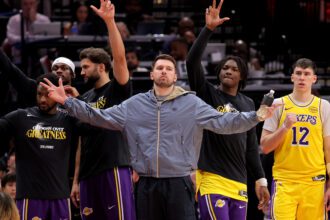
Late in the fourth quarter, this game hovered in that uncomfortable zone where mistakes can swing everything. That’s where the Lakers looked most composed. They turned defense into offense, moved the ball instead of settling, and leaned into veteran decision-making.
Los Angeles finished with 30 assists on 43 made field goals, a number that reflected how willingly the ball moved when the Pelicans tightened their coverage. Marcus Smart chipped in 13 points, four assists, and steady perimeter defense, while LeBron and Luka combined for just six turnovers despite touching the ball on nearly every crucial possession.
The final minutes weren’t flashy. They were efficient. And for a Lakers team built to win games in April and May, that’s exactly how they want it.