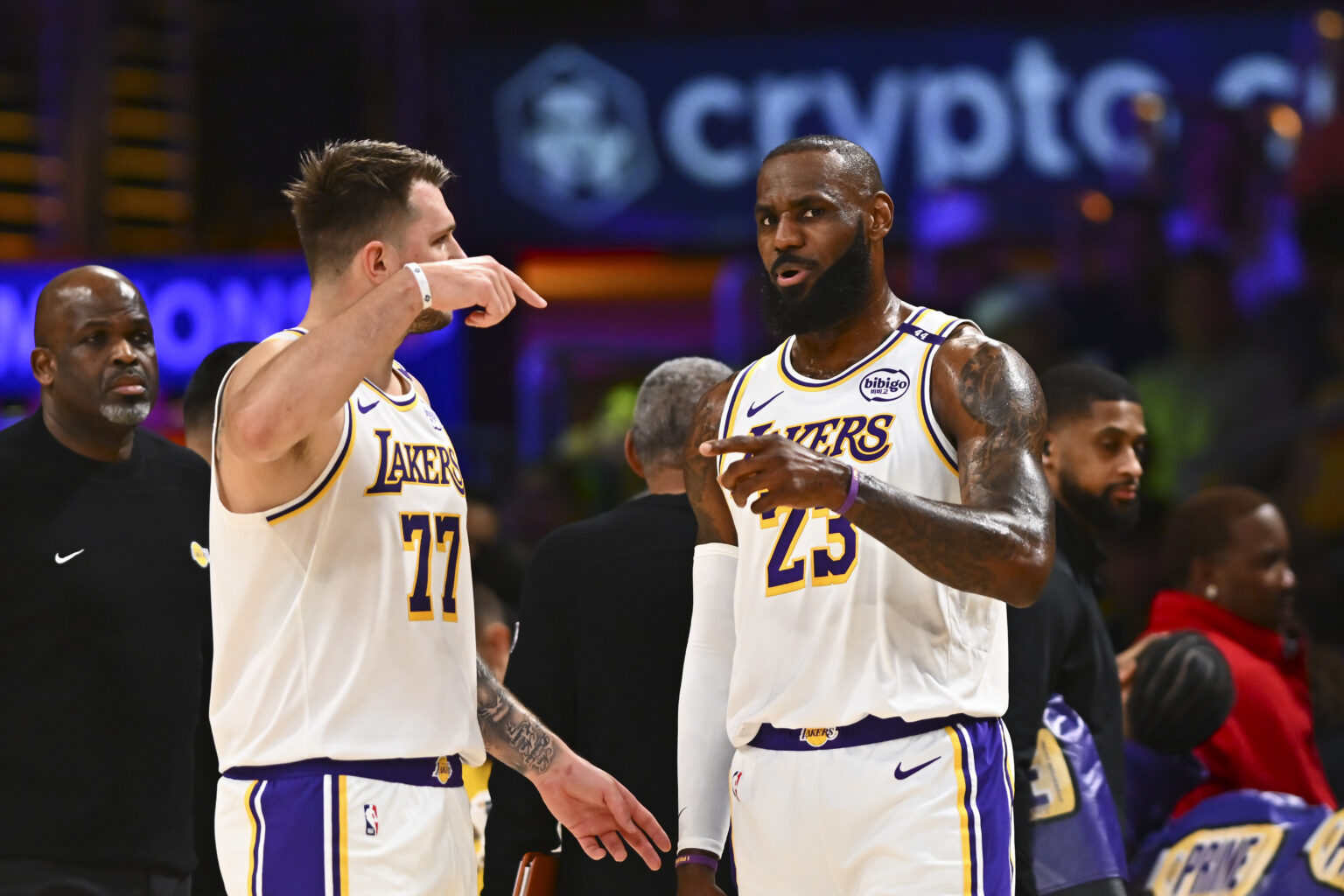
For a few uneasy minutes late Sunday night, the (17-7) Lakers looked like they were about to do the one thing they’ve flirted with far too often this season: let a game they controlled slip right through their hands. A 20-point lead evaporated, the energy inside the building shifted, and suddenly the Suns had the ball with a chance to steal it.
Los Angeles didn’t unravel, but it came close. What saved them was just enough composure when everything else was wobbling. LeBron James, in the middle of a night where nothing came easily, stepped to the line with 3.9 seconds left and knocked down two free throws that mattered more than any shot he made all evening. That was the difference in a 116-114 win that felt far more stressful than it needed to be.
The box score won’t flatter the Lakers. They missed shots, turned the ball over, and went cold at the worst possible times. But this was one of those games that reveals how a team handles discomfort. Phoenix pushed, the momentum swung wildly, and the finish came down to who could steady themselves for one final possession. The Lakers did, barely, and walked away with a win that felt equal parts relief and survival.
Even On Off Nights, LeBron And Luka Still Decide Games
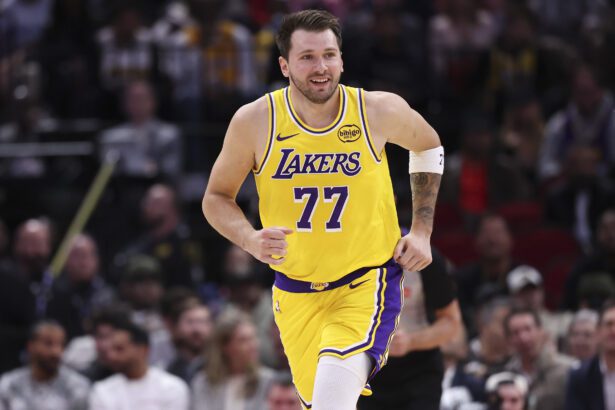
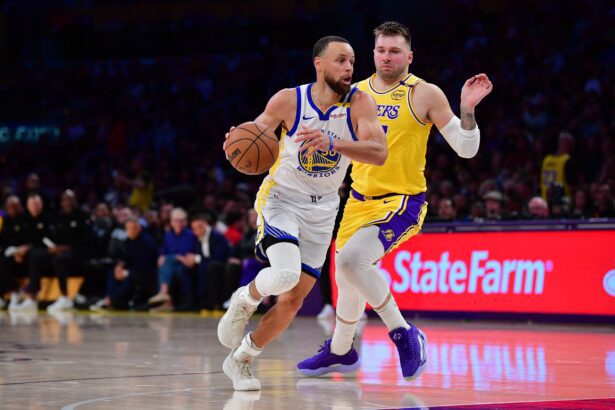
Neither LeBron James nor Luka Doncic had the kind of shooting night that usually defines them, yet the game still bent around their presence. Doncic carried the scoring load with 29 points, even though he shot just 7-of-25 from the floor and couldn’t buy a three, finishing 2-of-14 from deep. Instead, he kept forcing the issue, attacking the paint and drawing contact over and over. Phoenix couldn’t relax for a second, especially with Doncic living at the free-throw line, where he went 13-of-14.
That pressure alone kept the Lakers afloat offensively. Defenders had to load up, rotations came late, and passing lanes opened just enough to prevent the offense from completely stalling.
LeBron’s night followed a similar script. He scored 26 points on 8-of-17 shooting, missed five free throws, and committed eight turnovers – not exactly a clean line by his standards. Still, he found ways to leave his fingerprints everywhere. He finished with four assists, two steals, and two blocks, took on tough defensive assignments late, and never stopped organizing the floor.
And when the moment demanded calm, he delivered it. Fouled on a three-point attempt with 3.9 seconds left, James missed the first free throw, exhaled, and calmly buried the next two. In a two-point game, nothing else mattered.
The Rebounding Gap Was The Difference
If there was one area where the Lakers never wavered, it was on the glass. They finished with 54 rebounds to Phoenix’s 37, including a season-high 24 offensive boards that completely changed the math of the game.
That work mattered because the shooting didn’t. The Lakers hit just 43 percent from the field and an ugly 19 percent from three. On most nights, that’s a losing formula. This time, they survived because they kept getting the ball back.
Deandre Ayton was relentless against his former team, posting 20 points and 13 rebounds while missing just one shot all night. Jaxson Hayes gave them nine boards in only 18 minutes, Jarred Vanderbilt added seven in a limited run, and Jake LaRavia quietly grabbed eight off the bench.
Those extra possessions piled up, turned into 50 points in the paint, and offset Phoenix’s cleaner offensive execution. Without that rebounding edge, this game probably swings the other way.
The Lakers Built the Lead And Barely Held On
The Lakers appeared to put the game away midway through the third and early in the fourth, ripping off a 24-0 run over roughly eight minutes. They turned defense into momentum, bullied Phoenix inside, and pushed the lead to 20. Hayes threw down an emphatic dunk, Ayton finished everything around the rim, and LeBron lived downhill, controlling the tempo.
Then everything flipped.
Phoenix clawed its way back behind Devin Booker, who finished with 27 points and repeatedly punished the Lakers at the free-throw line, going 13-of-16 in his return from a groin injury. The Suns executed better down the stretch, took advantage of Lakers turnovers, and briefly grabbed a 114-113 lead with 12.2 seconds left.
Los Angeles turned the ball over 22 times, couldn’t make a three, and nearly watched the game slip away. But they survived the chaos, forced one last stop, and trusted LeBron to close it out.
It wasn’t pretty. It wasn’t comfortable. But in the standings, it counts the same – and sometimes, learning how to hang on matters just as much as blowing a team out.