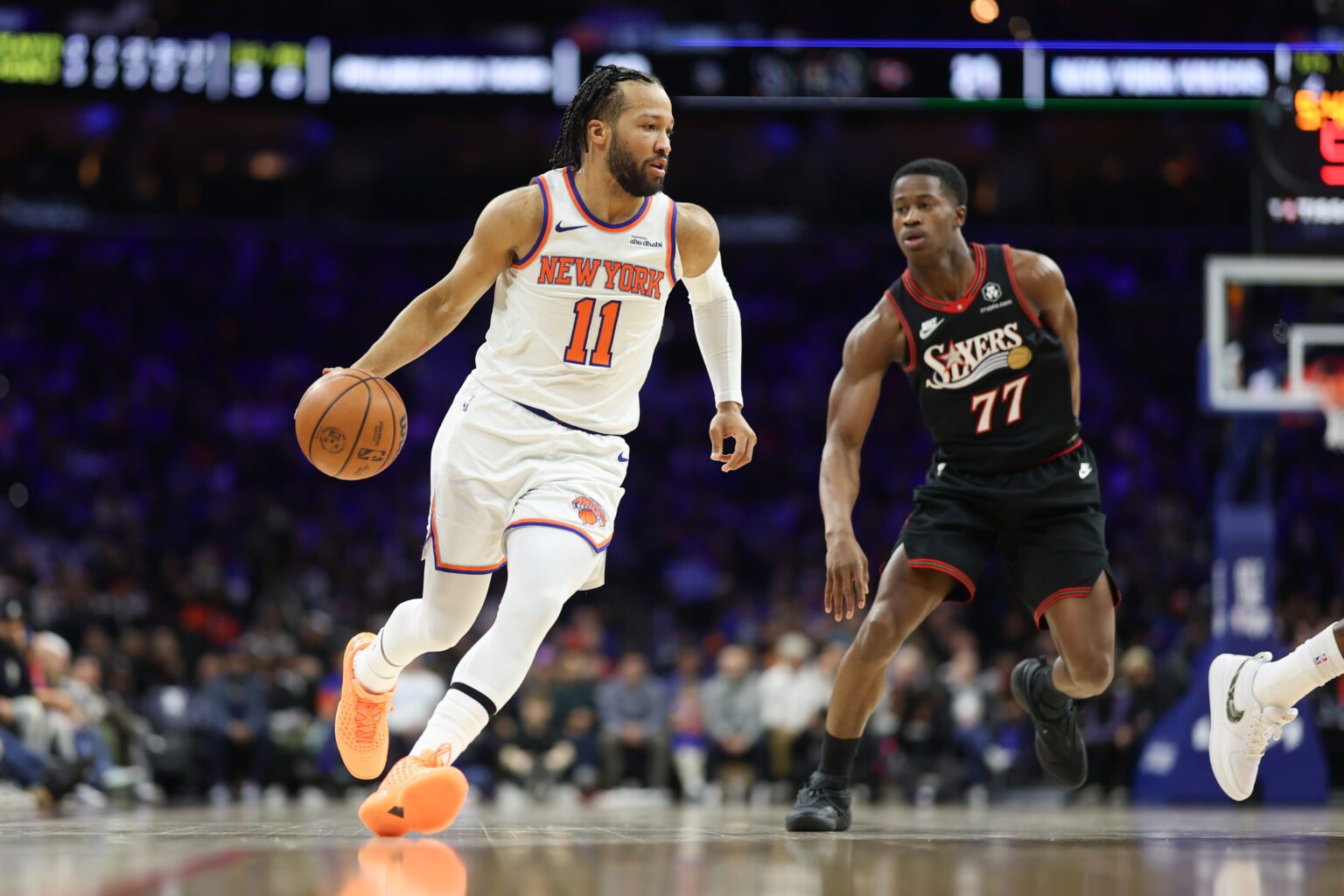
This win was not one to go down in the history books for its beauty or its grace. However, it was the sort of win that the team needed to keep their spirits high.
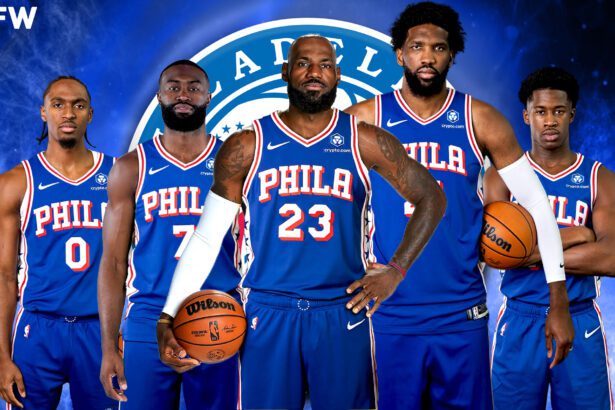
It was thanks to Jalen Brunson’s 31 points that the Knicks managed to secure their win. New York managed to defeat the Philadelphia 76ers, 112 to 109, on an eventful Saturday afternoon matchup. Joel Embid put on quite the show, sinking 38 points and grabbing 11 rebounds, and the 76ers shot over 50% from the field, but the Knicks dominated the hustle and defensive boards.
Now, let’s break down the most important numbers.
1. Brunson’s 31 Points On 6 Threes
Many Knicks fans were probably shocked to see that Brunson scored a total of 31 points that game, and for good reason. He made 11 total shots and attempted 24 of them. In the game, he managed to make six three-pointers, and the Knicks were having a tough time on defense. He managed to score points from all three levels of the court and added five rebounds to the team. He only had two turnovers in 38 minutes of game time.
More impressively, Brunson was clutch when Philadelphia was a threat. The 76ers, as a team, shot 50.6%, and Tyrese Maxey scored 22 points, but Brunson’s shot creation in the clutch was key to New York still being able to be comfortable. His +7, which was the best on the Knicks starting lineup was a great indicator of how important he was on both ends.
2. Knicks Dominate The Glass: +15 Rebound Edge
New York’s biggest advantage came on the boards. The Knicks outrebounded the 76ers 53-38, including a massive 19 offensive rebounds that repeatedly extended possessions. That extra effort helped offset the Knicks’ lower shooting percentage (44.1% vs. Philly’s 50.6%).
Josh Hart was everywhere, grabbing 13 rebounds to go with 10 points and seven assists in 37 minutes. Mitchell Robinson added 10 boards in just 27 minutes, including six offensive rebounds, while OG Anunoby chipped in seven rebounds of his own. Those extra chances turned into critical put-backs and kick-out threes that swung momentum.
3. Three-Point Volume Was A Major Factor
The Knicks made 15 threes while the Sixers made nine threes, giving the Knicks an 18 point advantage. As a result, they mitigated the 76ers’ free-throw line advantage. The 76ers did shoot the ball better from the line, going 22-of-29, compared to the Knicks 15-of-27.
Brunson made six threes and Landry Shamet made three three-point shots for a total of 12 points. Bridges also made a 3, which was important for spacing, even if he shot 3-16 overall. The Knicks essentially made threes in order to keep the offense going.
4. Bench Impact: Robinson And Shamet Change The Game
The Knicks bench outplayed the Sixers bench. Robinson’s six points, 10 rebounds, two steals, and two blocks provided the Knicks with great defense, especially with Embiid. He limited second chances for Philly, which had six offensive rebounds as a team.
Shamet’s 12 points and floor spacing were equally important. He shot 4-of-9 and made the 76ers defend the arc, which opened driving lanes for Brunson and Hart. The Knicks’ bench plus-minus numbers tell the story – Robinson was +14, the best mark on the team.
5. Knicks Win The Possessions
In spite of Philadelphia shooting better, Philadelphia lost the possession game. New York committed 11 turnovers against 14 from the 76ers, and the Knicks captured and scored 15 points from those turnovers, while conceding only 10 points off turnovers.
New York also kept the lead for 71% of the game, proving how well they dictated the pace of the game. While the Knicks were getting outscored 50 to 42 in the paint, they mitigated that deficit through effort plays, extra scoring opportunities, and scoring from the outside. In a game that finished with a three-point spread, those small margins were the difference, and Brunson’s scoring was the icing on the cake.