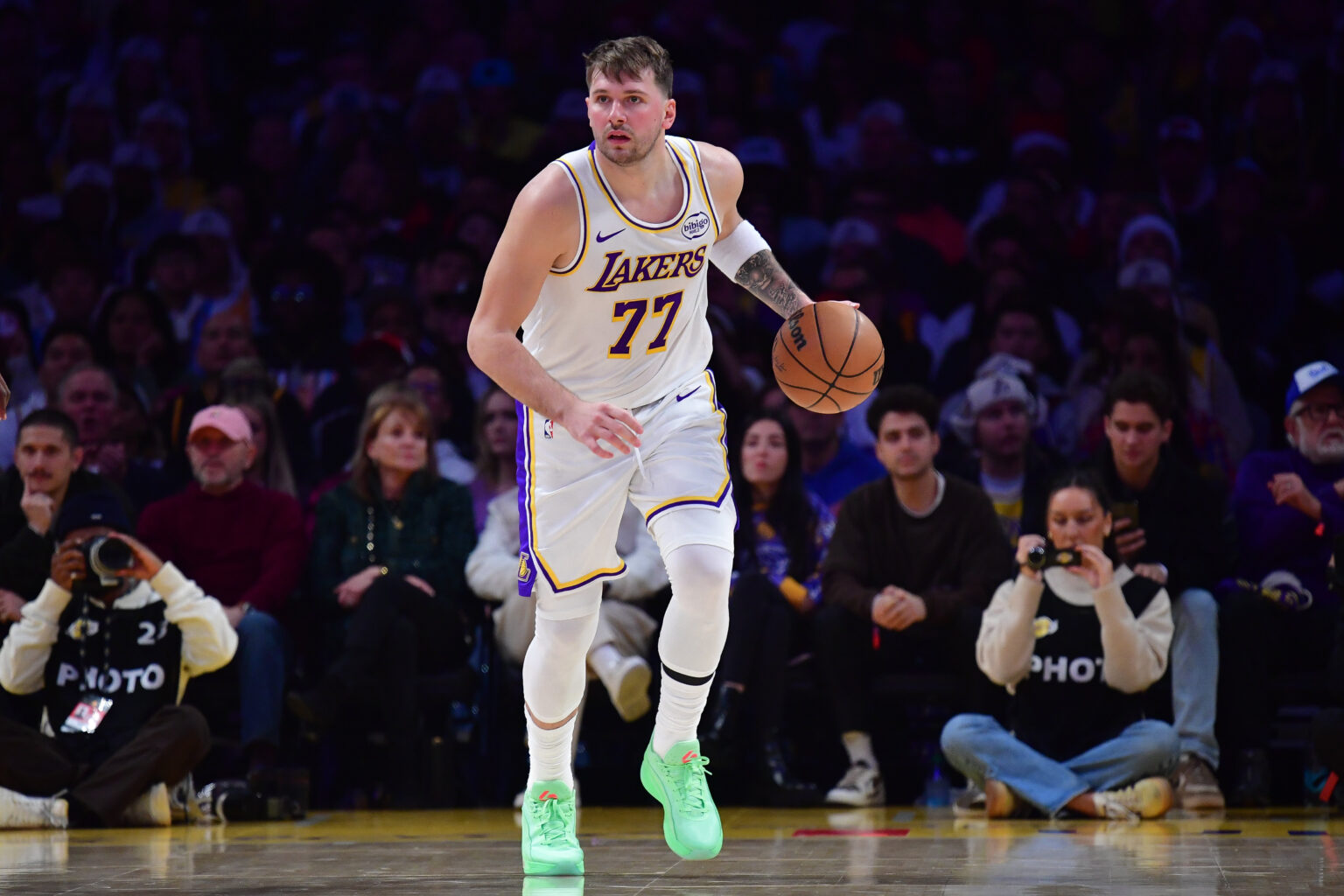
Christmas Day exposed just how wide the gap has become between a young, hungry Rockets roster and a Lakers team still searching for consistency. From the opening minutes, the Rockets played with sharper pace, stronger physicality, and far more urgency, building an early cushion and never allowing Los Angeles to seriously threaten in a 96-119 defeat.
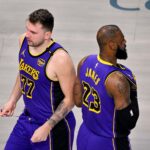
The Lakers had moments where the offense functioned; Luka Doncic (25 points) and LeBron James (18 points) combined for 43 points, but those stretches were drowned out by turnovers, missed rotations, and a stunning inability to compete on the glass.
Houston maintained control of the game, having as high as a 24-point lead. Additionally, Houston had 99% of the win probability for the entire contest. In light of the fact that this was a highlight game for Christmas, there are some reasons why concerns have arisen over the outcome. Below are a few highlights from an unexpected result that has brought to the forefront why fans of the Los Angeles Lakers are expressing concern about the large gap between the two teams.
1. Rebounding Was A Dealbreaker
The Rockets owned the paint in a way that made the rest of the game academic. Houston finished with a 48-25 rebounding advantage, nearly doubling the Lakers’ overall and outworking them on both ends. Even more damaging was the 17-7 edge in offensive rebounds, which repeatedly turned empty possessions into second-chance points.
Alperen Sengun alone grabbed 12 rebounds, matching or exceeding entire Lakers units during several stretches. Houston converted those extra opportunities into easy baskets, finishing with 68 points in the paint compared to the Lakers’ 52. Los Angeles simply couldn’t end defensive possessions, and every missed box-out widened the margin.
2. Houston’s Depth Overwhelmed The Lakers
This game was a reminder that basketball games are rarely won by stars alone. The Rockets had six players score in double figures, while the Lakers leaned heavily on Doncic and James for creation. Houston’s bench consistently tilted the floor, particularly during the second and early third quarters.
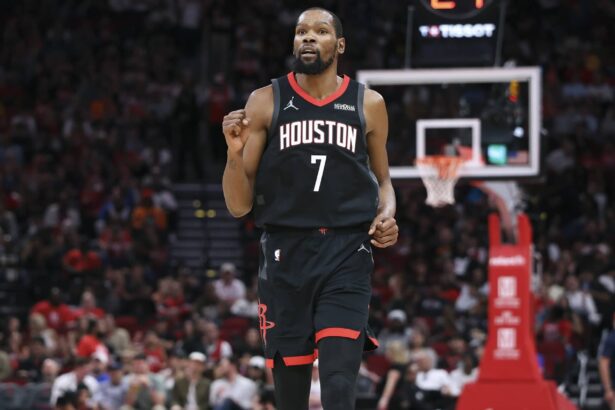
Amen Thompson’s 26 points, seven rebounds, and five assists set the tone, but Kevin Durant’s 25 points and nine assists controlled the rhythm. When the Lakers went to their bench, Houston responded with energy, pace, and production, helping them post a +29 combined bench plus/minus advantage during decisive stretches.
3. Turnovers And Transition Killed Momentum
The raw turnover numbers look even on paper; both teams committed 16 turnovers, but the impact was wildly different. Houston turned the Lakers’ mistakes into 23 points off turnovers, more than double the Rockets’ own 11 conceded points.
Doncic and James combined for nine turnovers, many of them live-ball giveaways that fueled Houston’s transition game. The Rockets scored 16 fast-break points, often beating the Lakers down the floor after miscues. Every time Los Angeles showed signs of settling in, a careless pass or forced drive reignited Houston’s run.
4. The Third Quarter Exposed The Gap in Energy
Any lingering hope the Lakers had evaporated in the opening minutes of the second half. Houston ripped off an 18-5 run to start the third quarter, stretching a manageable 10-point halftime lead into a 23-point advantage before the Lakers could regroup.
During that stretch, Houston shot over 60% from the field, while Los Angeles struggled to generate quality looks. The Lakers finished the quarter with just 22 points, and LeBron scored only eight points in the entire first half, forcing Doncic into high-difficulty shot creation against a set defense. The Rockets never let the game drift back into competitive territory.
5. Free-Throw Difference Shows Physicality Disparity
Houston played stronger. The Rockets consistently initiated contact, attacked the rim, and forced the Lakers into reactive defense, which showed up clearly at the free-throw line. Houston attempted 19 free throws and converted 15, while the Lakers earned just 11 attempts, making only seven.
That disparity reflected how the game was played. Houston also committed four fewer fouls overall, allowing them to stay aggressive without gifting Los Angeles easy points. On a night where every small margin snowballed, the physical tone set by the Rockets made the gap feel even wider than the final score suggested.