The Lakers host the Magic at Crypto.com Arena on Tuesday night at 10:30 PM ET. The Lakers are 34-22 and fifth in the West, while the Magic are 30-26 and seventh in the East, with the home team trying to stabilize after a flat offensive night and the visitor trying to keep its footing in a crowded middle tier.
The Lakers are 16-11 at home, and the Magic are 12-15 on the road, which matters because both teams have leaned heavily on their home environments to keep their records afloat.
The Lakers’ last game was a 111-89 loss to the Celtics. The Magic’s last game was a 111-109 win over the Clippers.
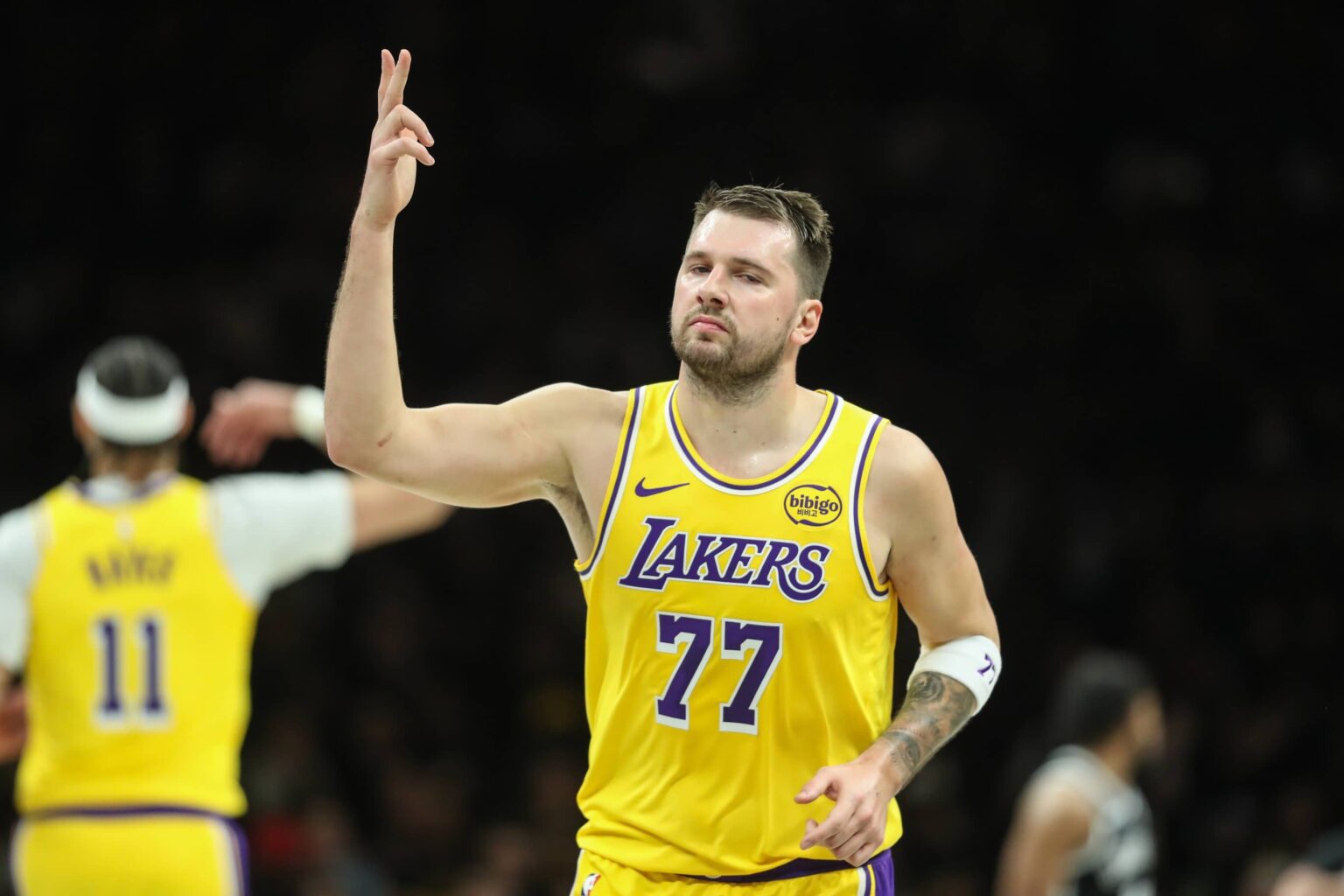
This is the first meeting of the season, with the second game scheduled for March 21. Luka Doncic is averaging 32.8 points, 7.7 rebounds, and 8.5 assists, and Austin Reaves is at 25.2 points, 5.1 rebounds, and 5.7 assists.
On the Magic side, Paolo Banchero is posting 21.5 points, 8.4 rebounds, and 5.0 assists, and Desmond Bane is putting up 20.1 points, 4.2 rebounds, and 4.1 assists.
The hook is availability and shot quality: the Magic are missing a key creator in Franz Wagner, and the Lakers are built to win on efficiency, but that edge gets tested if the game turns into a possession battle.
Injury Report
Magic
Franz Wagner: Out (left ankle high ankle sprain/injury management)
Jalen Suggs: Questionable (back spasms)
Lakers
Bronny James: Out (G League – On Assignment)
Adou Thiero: Out (G League – On Assignment)
Jaxson Hayes: Doubtful (right ankle sprain)
Why The Lakers Have The Advantage
The Lakers’ offensive profile is built on efficiency inside the arc. They lead the league in shooting percentage at 49.8% (1st) and two-point percentage at 59.5% (1st), and they sit 2nd in effective field goal percentage at 56.9%.
They also manufacture points at the line at an elite rate. Their free-throw rate (FTA/FGA) is 0.319 (1st), and they average 26.7 free-throw attempts per game (2nd). In a game where the opponent is already short on shot creation, steady free points can keep the floor high even if the pace slows.
The matchup logic is tied to where those shots come from. The Magic allow 51.3 points in the paint per game (20th), and the Lakers generate 51.6 points in the paint (9th). If the Lakers get their paint touches early, the Magic’s defense gets pulled into help decisions that are hard to survive without your full perimeter rotation.
There is one clear constraint: three-point volume. The Lakers attempt 33.4 threes per game (25th) and make 11.8 per game (23rd), so they are less equipped to erase a cold stretch with quick math. That puts more pressure on finishing possessions and keeping the turnover count reasonable.
The other pressure point is the glass. The Lakers are 29th in rebounds per game (49.9), and if they give the Magic extra possessions, they risk turning an efficiency edge into a one-shot-per-trip disadvantage.
Why The Magic Have The Advantage
The Magic can tilt games by creating easy points before the defense is set. They average 16.5 fastbreak points per game (8th) and 51.6 points in the paint (9th), which gives them a path to score without relying on half-court shot-making for 48 minutes.
They are also sturdier on the glass than the matchup suggests at first glance. They average 52.7 rebounds per game (16th), and against a Lakers team that is 29th in rebounds, the possession battle is a real lever if the Magic stay connected on long rebounds and second efforts.
The matchup logic starts with volume. The Lakers allow 36.6 opponent three-point attempts per game (16th) and post weak opponent shooting indicators across the board, including opponent effective field goal percentage at 56.3% (27th) and opponent shooting percentage at 48.7% (27th). If the Magic get clean kickouts, the looks should be there.
The Magic’s defensive passing profile also matters here. They rank 2nd in opponent assists per field goal made (0.604), a good proxy for forcing tougher, more self-created shots. If they can keep the Lakers from turning drive-and-kick into rhythm threes, the Lakers get pushed deeper into late-clock finishing.
The problem is the baseline efficiency. The Magic score 115.2 points per game (19th), and without one of their primary creators, they need the transition and paint scoring to show up early to avoid playing uphill late.
X-Factors
Anthony Black is the Magic’s tone-setter on both ends when the game turns physical. He’s averaging 15.9 points, 4.0 rebounds, and 3.9 assists, and his role here is to pressure the rim in early offense and keep the ball moving when the Lakers load up on the first action. If Black consistently collapses the defense, the Magic can create the kind of corner threes they need to survive the half-court stretches. If he gets kept off the paint, the Magic’s scoring becomes more possession-by-possession work.
Jett Howard is the swing shooter who can punish over-help. He’s averaging 4.9 points, 1.2 rebounds, and 0.8 assists in a smaller role, but his job in this matchup is simple: hit the open ones that come off paint touches and broken possessions. If Howard makes two or three threes, it changes how aggressively the Lakers can stunt and recover.
Marcus Smart is the Lakers’ leverage defender against a team that wants to run. He’s averaging 9.6 points, 2.9 rebounds, and 2.8 assists, and his value is keeping the Magic out of their best possessions by shrinking space at the point of attack and forcing them to play later into the clock. If Smart’s pressure creates even a few empty trips, the Lakers’ efficiency profile gets a cleaner runway.
Deandre Ayton decides whether the Lakers can survive their rebounding numbers for a night. He’s averaging 13.0 points and 8.4 rebounds while shooting 66.6% from the field, and this matchup asks him to finish possessions and convert paint touches efficiently. If Ayton wins the glass, the Lakers don’t have to chase three-point volume to win.
Rui Hachimura is the spacing valve when the Lakers need a clean release. He’s averaging 11.8 points and 3.5 rebounds, and his role is to punish help and keep the floor wide enough for the Lakers’ paint-first attack. If Hachimura hits early jumpers, the Magic have fewer options to crowd the lane and still recover to shooters.
Prediction
I’m taking the Lakers because the team-level shot-quality indicators are too strong to ignore: 1st in shooting percentage, 2nd in effective field goal percentage, and 1st in free-throw rate. If they get their normal paint efficiency and live at the line, the Magic need a big transition night to keep pace, especially with one primary creator already ruled out.
Prediction: Lakers 118, Magic 110