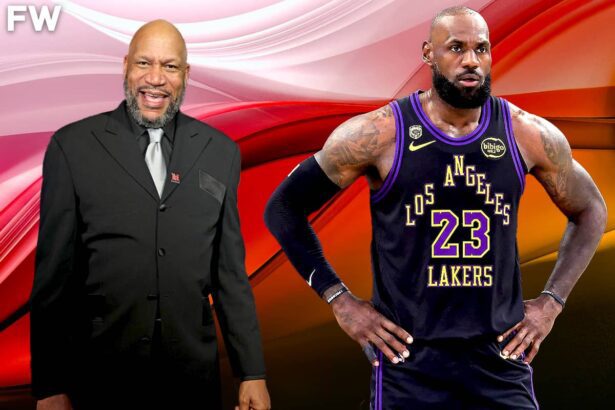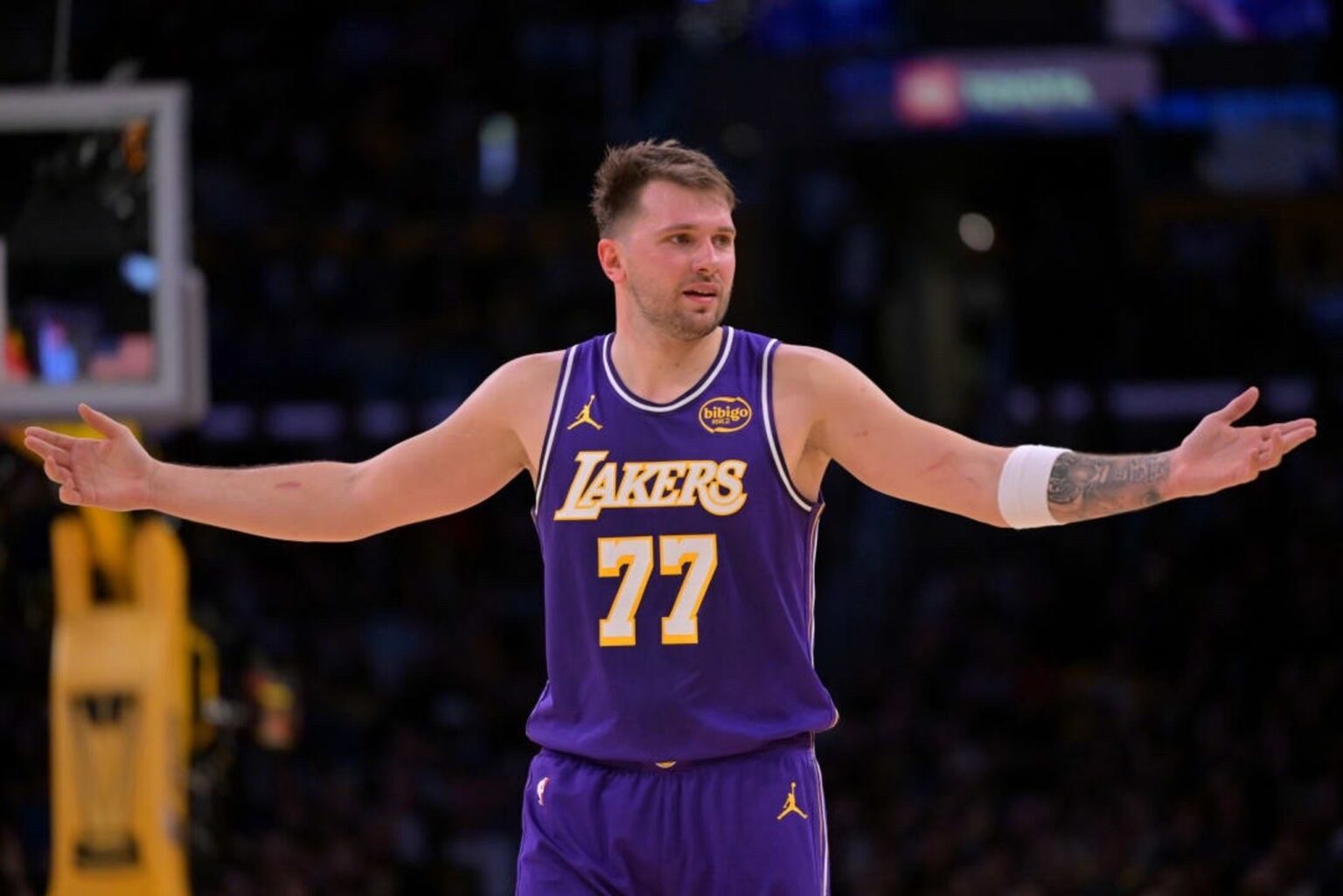
Criticism around the Los Angeles Lakers’ offensive identity continues to grow, and this time it came from a former NBA coach with a blunt assessment. Speaking on SiriusXM Radio, Sam Mitchell weighed in on Luka Doncic’s playstyle and why he believes it has become a real issue for a Lakers team already struggling to find cohesion.
“Luka Doncic cannot play basketball without the ball. He doesn’t cut, he doesn’t move, he doesn’t set screens,” Mitchell said. “He’s great with the ball, but he does nothing to make his teammates better when he doesn’t have it. The problem with the Lakers is, Austin Reaves and LeBron James are the same way: they gotta have the ball, because they don’t want to do the hard things like pass, cut, move, and set screens.”
The concern centers on how an offense functions when too many players rely on touches to stay involved. Without consistent movement, cutting, or screening away from the ball, defenses can load up, clog the paint, and force possessions to stagnate, even when talent is present.
“The reason we give Steph Curry so much credit is not because he’s a traditional great point guard. He averages about four and a half to five assists per game for his career,” Mitchell said. “Steph Curry does the hard things. He’s always cutting and moving without the ball, which, when you’re a great player and you make a hard cut, somebody’s going to follow you.”
Mitchell speaks from experience on this topic, shaped by decades around the league as both a head coach and analyst. He also played for 23 seasons in the league, where he averaged 8.7 points, 3.7 rebounds, 1.1 assists, 0.6 steals, and 0.3 blocks per game on 44.7% shooting (22.3% from three). His teams emphasized ball movement, accountability, and effort away from the play, principles he believes separate good offenses from elite ones.
For Luka, this critique reignites a long-running debate. While his ball-dominant approach produces massive numbers (33.7 points, 8.5 rebounds, 8.7 assists, 1.5 steals, and 0.6 blocks per game this season on 46.1% shooting and 32.2% from three), questions remain about scalability, especially when paired with other high-usage players. In Los Angeles, that concern is magnified alongside LeBron James and Austin Reaves, who also thrive with the ball in their hands.
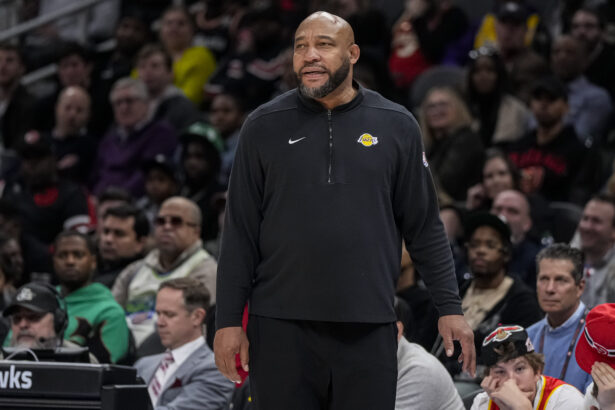
Those overlaps have shown up throughout the Lakers’ season. Despite elite talent, the offense has frequently bogged down, defensive effort has wavered, and rhythm has been difficult to sustain, particularly against disciplined teams. Now, at 19-10 and as losers of three straight games, the situation has become critical as coach JJ Redick prepares for what he described as an “uncomfortable” practice.
As the trade deadline approaches, the Lakers face real decisions. That could mean redefining roles, adjusting rotations, or making roster moves to balance their offensive structure. Either way, Mitchell’s comments highlight a growing reality: without commitment to movement, sacrifice, and off-ball work, talent alone will not fix what is holding this team back.
Whether Mitchell’s criticism is fair or not, it reflects a growing concern around how the Lakers operate offensively. Talent is not the issue in Los Angeles, but cohesion is, and that gap only widens when effort away from the ball slips. As the season moves forward, the Lakers will have to decide if small adjustments are enough, or if bigger changes are necessary to unlock what this roster can actually be.