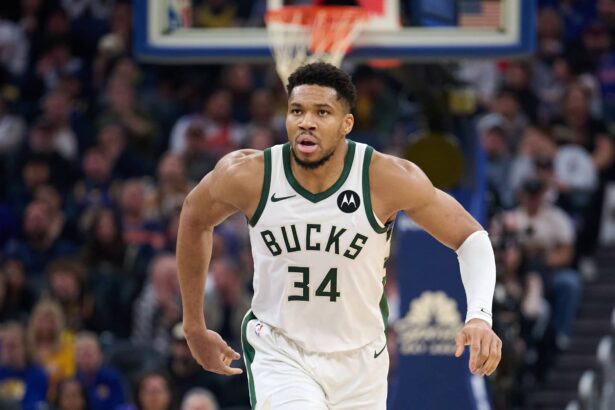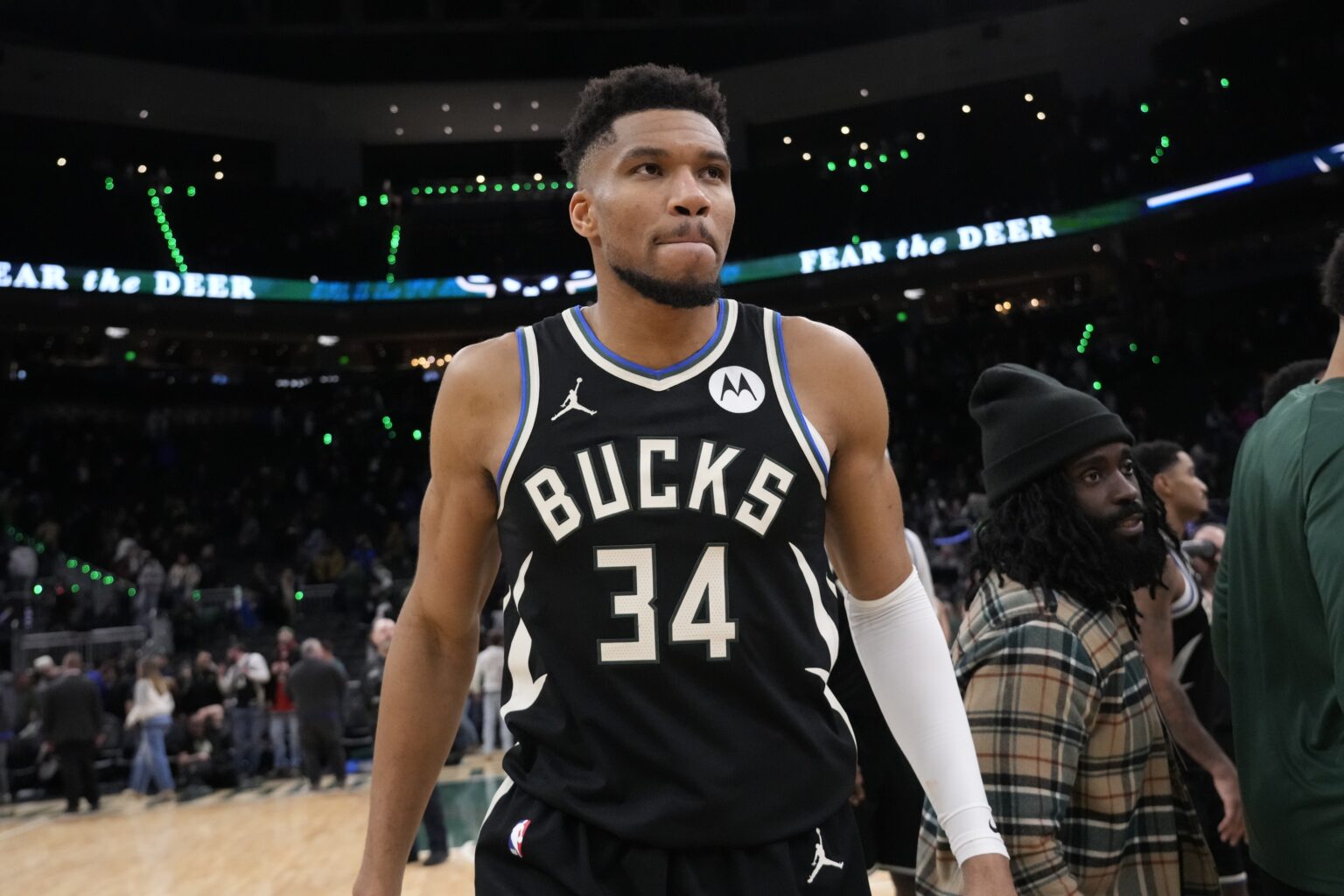
The Milwaukee Bucks are approaching a crossroads with Giannis Antetokounmpo, and around the league, there is a growing belief that their best opportunity to maximize his trade value has already passed.
According to ESPN’s Ramona Shelbourne, multiple executives feel Milwaukee held on too long. One rival executive summed it up clearly. Giannis remains elite, but the context has changed. He is now 31, has dealt with recurring leg injuries, and is entering the final year of his contract. That combination shifts leverage away from the team.
“He’s still a game changer, but he’s 31 with a history of leg injuries. And now you’d basically be trading for a guy on an expiring deal, so I’m not sure the offers they’ll get this summer are going to be better than what they already got.”
At the trade deadline, the Bucks had real options. Several teams made aggressive pushes. The Golden State Warriors put together a pick-heavy package built around long-term assets. The Miami Heat offered a more balanced deal, combining win-now players with draft capital. The Minnesota Timberwolves also created flexibility and included a mix of talent and picks.
Milwaukee turned them all down.
The thinking was simple. Keep Giannis, push for one more run, and reassess in the offseason with stronger offers on the table. That plan has not played out cleanly.
This season has exposed several issues. Giannis has appeared in only 36 games. Injuries have interrupted his rhythm, and each setback has added risk to his long-term outlook, for a player whose value depends on physical dominance, durability matters.
At the same time, tension around the situation has grown louder. Reports suggested a rift between Giannis and the front office, although some insiders believe that friction has been overstated or even manufactured. Still, perception matters in the league, and once uncertainty enters the picture, it affects how teams negotiate.
There is also the issue of control. Giannis reportedly refused to shut things down for the season despite the team pushing for it after another injury setback. That moment matters. It shows he still wants to compete, but it also highlights a disconnect between the player and the organization in handling his health.
At the same time, the team has struggled. The Bucks sit outside true contention, and the roster moves made to extend their window have not delivered expected results. They sit 11th in the East with a 28-41 record, and are 7.5 games behind the final play-in spot.
Internally, the situation has also grown more urgent. Ownership has made its stance clear. Either Giannis signs a four-year, $275 million extension, or the franchise moves him. There is no middle ground.
That ultimatum adds pressure. Teams now know Milwaukee cannot afford to let Giannis walk for nothing. That weakens their negotiating position compared to the deadline, when bidders had to outbid each other without a clear timeline.
From a market standpoint, the equation has shifted. At the deadline, Giannis represented multiple years of control. This summer, he could be viewed as a one-year rental unless he commits to an extension with a new team. That alone reduces the type of package teams are willing to offer.
The Bucks still have options. They can attempt to rebuild around him and convince him to stay. They can move him this summer and reset the franchise. Or they can risk entering the season with uncertainty and shrinking leverage.
What is clear is this. The window to extract maximum value may already be gone. Now, Milwaukee must decide how much value remains and how quickly they are willing to act.