With the regular season officially in the books and the playoffs set to begin, the NBA landscape has never been more competitive. The Oklahoma City Thunder finished with the league’s best record, while the Detroit Pistons stunned the East by claiming the top seed.
Contenders like the San Antonio Spurs, Boston Celtics, New York Knicks, and Denver Nuggets all delivered elite campaigns, led by their otherworldly superstars. From MVP to Coach of the Year, here are the final award predictions for the 2025-26 NBA season.
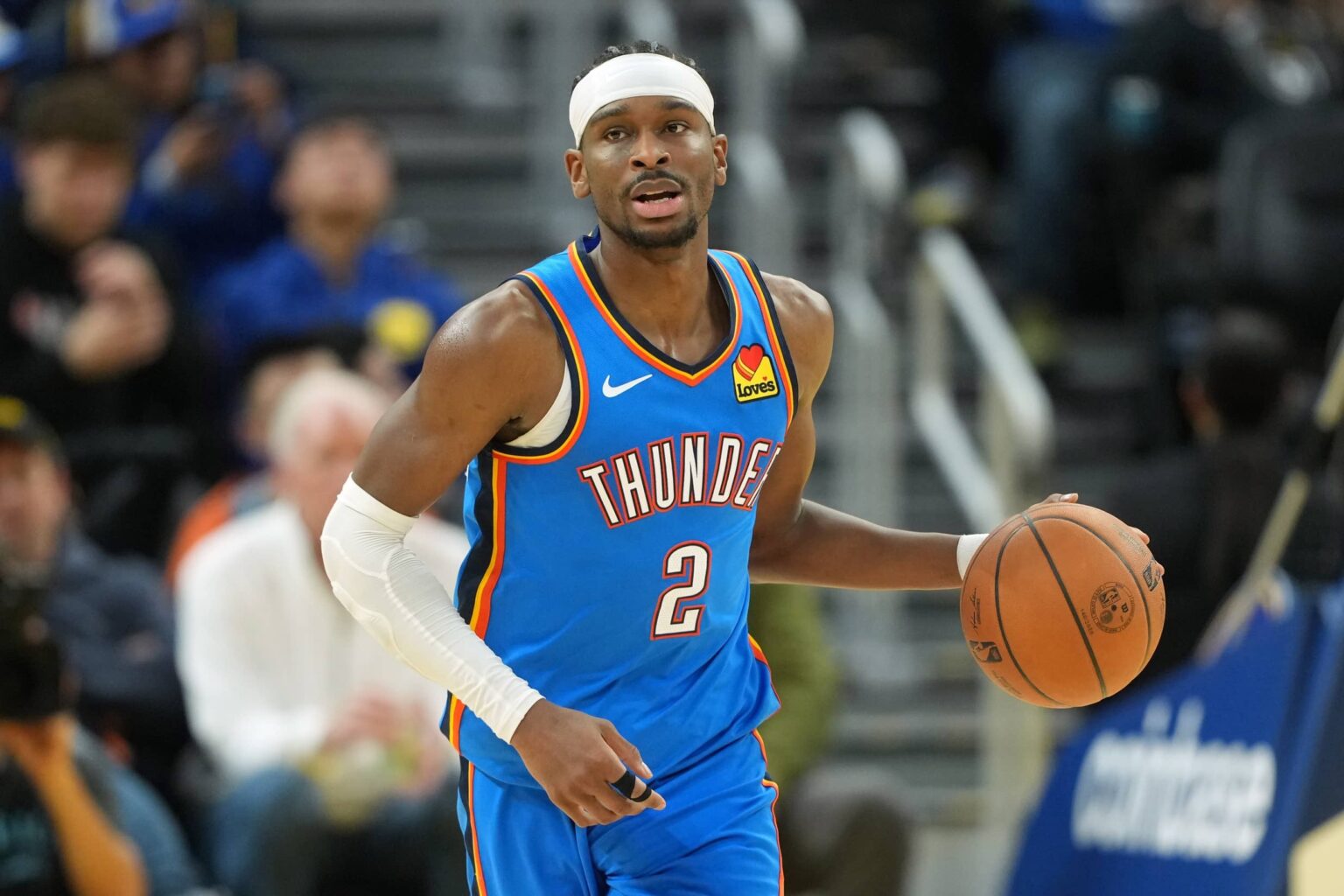
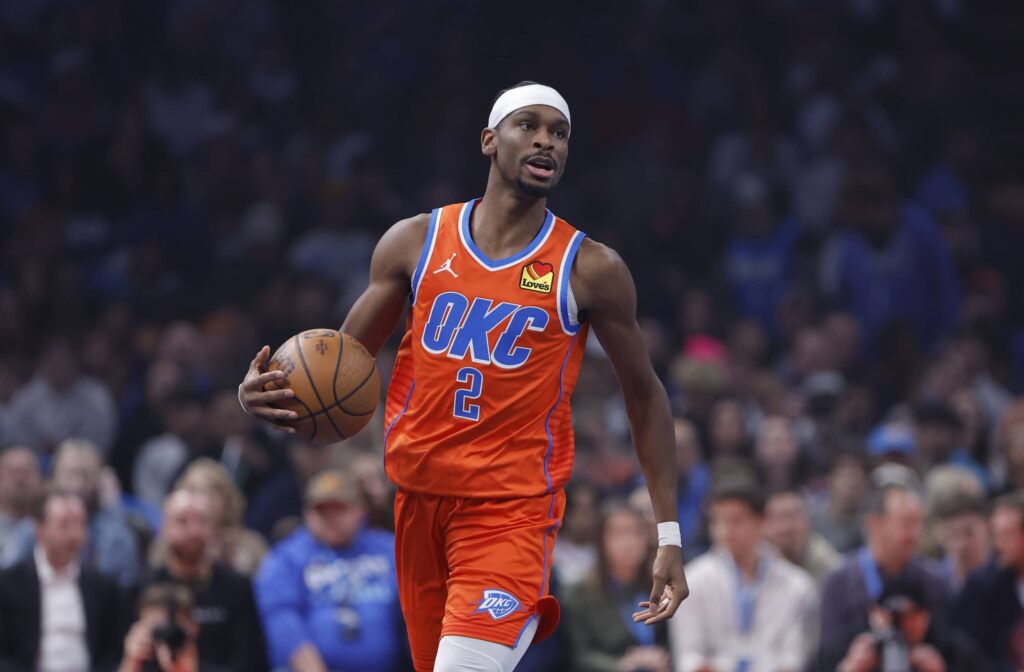
Most Valuable Player: Shai Gilgeous-Alexander
Runner-Ups: Nikola Jokic, Victor Wembanyama
There’s something different about the way Shai Gilgeous-Alexander (31.1 PPG, 4.3 RPG, 6.6 APG, 1.4 SPG, 0.8 BPG) controls the pace of the game. He dictated everything for the Thunder this season, and he turned the best regular-season team into his team. In a year loaded with superstar production, SGA set the tone for winning basketball every single night. We have to say that it is almost guaranteed that Shai will win his second MVP trophy and start climbing the all-time player rankings.
At this point, Nikola Jokic‘s greatness (27.7 PPG, 12.9 RPG, 10.7 APG, 1.4 SPG, 0.8 BPG) almost feels routine, which is the only reason it isn’t being shouted from the rooftops. He orchestrated the Nuggets offense like a maestro again, becoming the only player in history to lead the league in assists and rebounds. There’s still no real answer for his combination of size, touch, and basketball IQ. If value is defined purely by how much a team depends on one player, Jokic has a legitimate argument every single year.
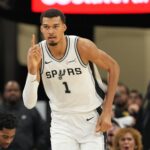
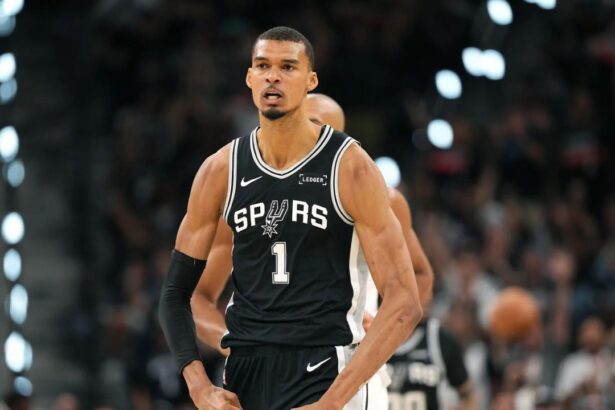
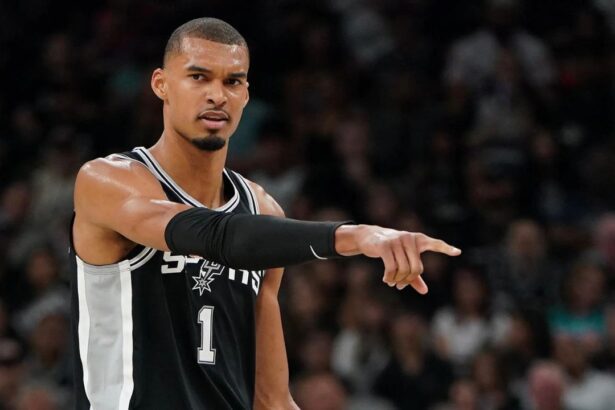
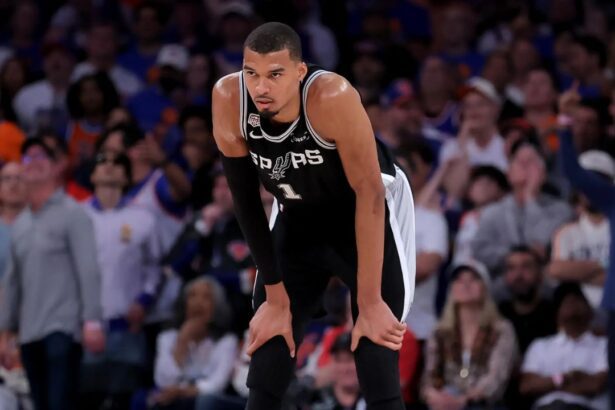
Victor Wembanyama (25.0 PPG, 11.5 RPG, 3.1 APG, 1.0 SPG, 3.1 BPG) arrived as a top-three player in the world this season. His two-way dominance became a nightly headline, impacting games as a scorer, rim protector, and all-around disruptor. The scary part? It still feels like he’s only scratching the surface. He took the Spurs to the second seed in the West when nobody expected that so soon, and even if the Frenchman won’t win MVP this season, he will go home with another award.
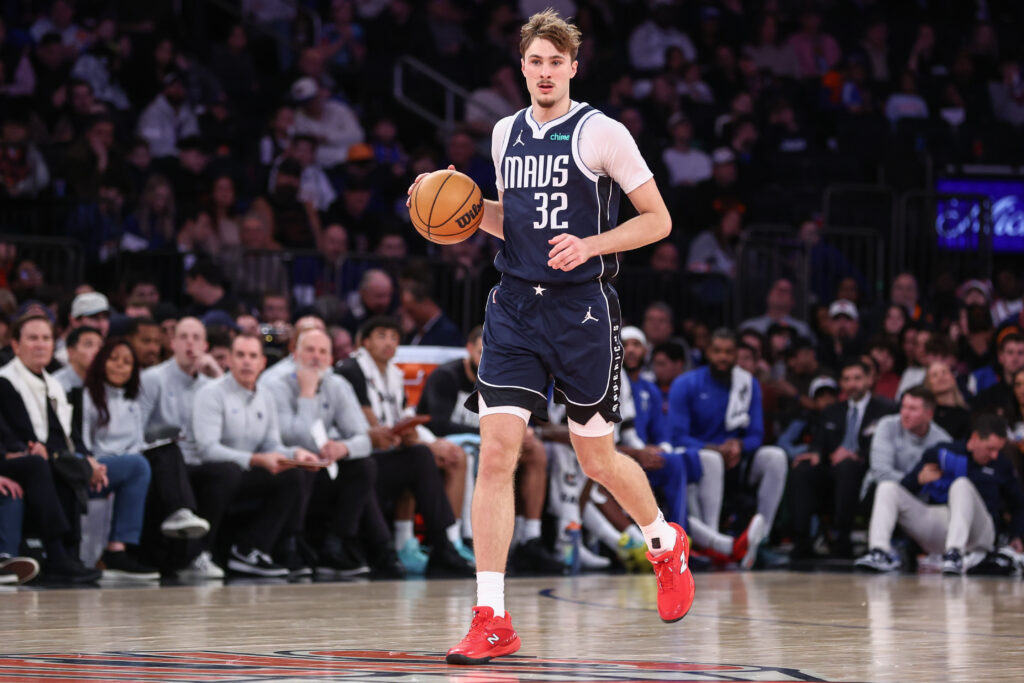
Rookie Of The Year: Cooper Flagg
Runner-Ups: Kon Knueppel, VJ Edgecombe
Cooper Flagg (21.0 PPG, 6.7 RPG, 4.5 APG, 1.2 SPG, 0.9 BPG) came in with hype and somehow made it look understated. What stood out was the consistency. He defended like a veteran, made instinctive reads, and showed an offensive game that kept expanding as the season went on. Even in a difficult season for the Mavericks, Flagg had one of the greatest rookie seasons in modern history.
Kon Knueppel (18.5 PPG, 5.3 RPG, 3.4 APG, 0.7 SPG, 0.2 BPG on 42.7% 3-PT FG) carved out his lane with confidence, showing a polished scoring package that translated immediately. He didn’t try to do too much, but when the moment called for it, he stepped up and delivered. There’s a reliability to his game that coaches love, and he cuts it very close with Flagg for ROY honors.
VJ Edgecombe (16.0 PPG, 5.6 RPG, 4.2 APG, 1.4 SPG, 0.5 BPG) was electric in stretches, the kind of player who could flip momentum in a matter of minutes. His athleticism and scoring bursts gave glimpses of a future star, even if the night-to-night consistency is still developing. The tools are undeniable, and we can’t wait to see what he develops moving forward.
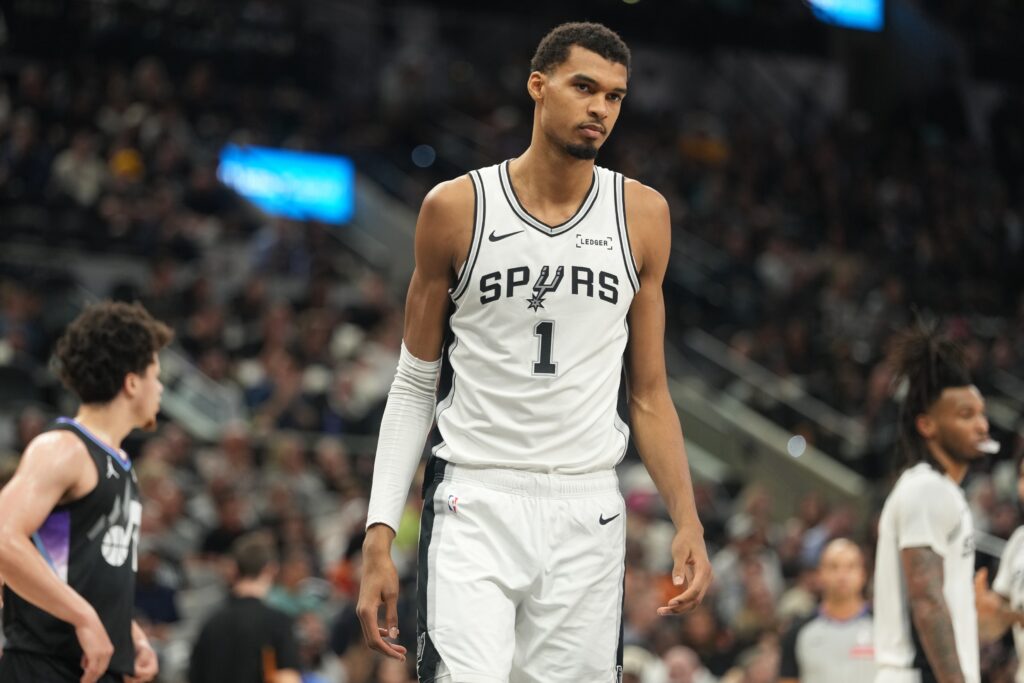
Defensive Player Of The Year: Victor Wembanyama
Runner-Ups: Chet Holmgren, Rudy Gobert
Defense isn’t just about stats (even when averaging 3.1 BPG and 1.0 SPG) because Victor Wembanyama brings plenty of fear. Opponents think twice before entering the paint, and even when they do, it rarely ends well. We saw players completely avoid taking layups when Wemby was in the paint, and this award could be the Frenchman’s to win every year moving forward.
Even if he is completely overshadowed by Wemby, Chet Holmgren made a serious leap on this end (1.9 BPG and 0.6 SPG), anchoring one of the league’s best defenses with timing and discipline. He’s not as overwhelming physically as Wembanyama, but his positioning and instincts are elite. Chet was incredible this season, so he is the highly esteemed runner-up.
Even if he is often criticized, Rudy Gobert is still a strong standard for traditional rim protection, posting 1.6 BPG and 0.8 SPG. Even as the league evolves, his ability to control the paint and clean up defensive possessions still matters – a lot. He may not have the flash of the younger stars, but the impact is still undeniable.
Sixth Man Of The Year: Keldon Johnson
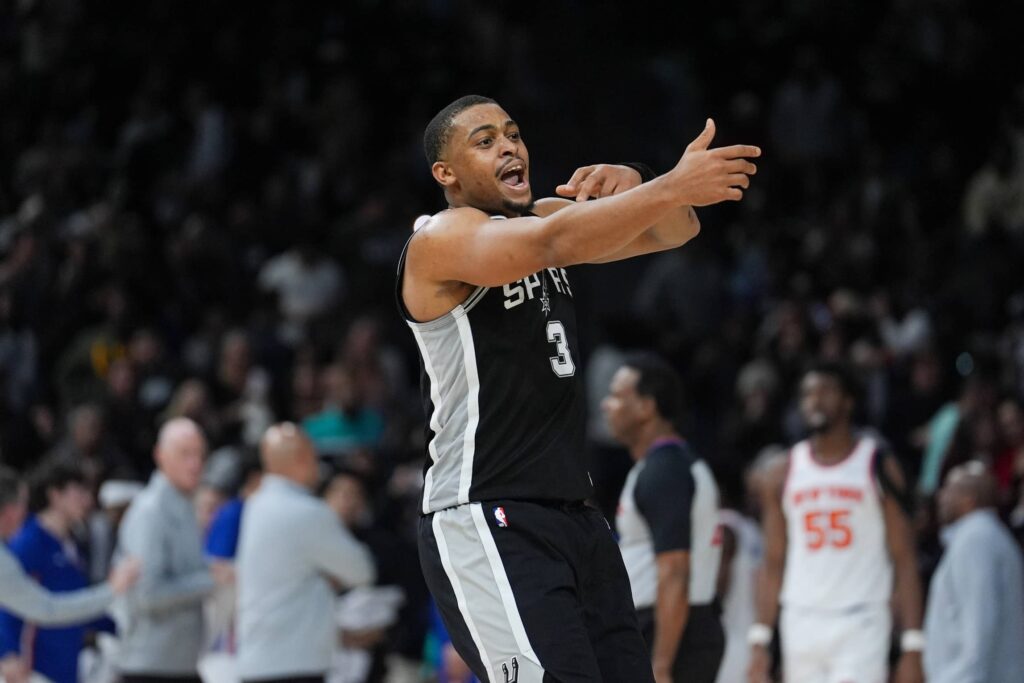
Runner-Ups: Jaime Jaquez Jr., Naz Reid
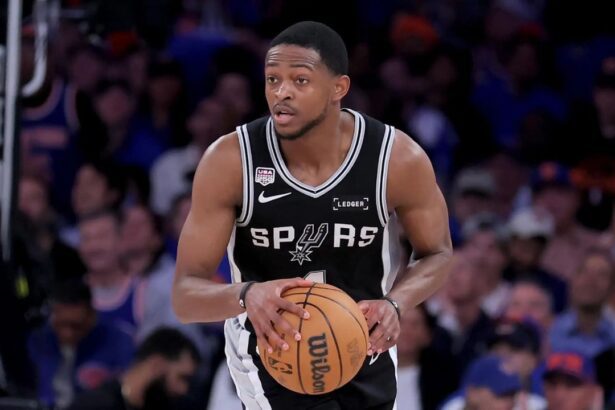
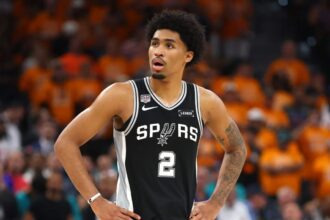
Keldon Johnson embraced the bench role, posting 13.2 PPG, 5.4 RPG, 1.4 APG, 0.6 SPG, and 0.1 BPG and turned it into an advantage. He came in aggressive, looking to score, attack mismatches, and bring energy that shifted momentum. Keldon was essential to the Spurs finishing second in the West, and he has to be the runaway winner for this individual trophy.
Meanwhile, Jaquez (15.4 PPG, 5.0 RPG, 4.7 APG, 0.7 SPG, and 0.3 BPG) played like someone who’s been in the league for a decade. He did a little bit of everything, scoring, defending, making smart reads, and rarely looked overwhelmed. His versatility made him Erik Spoelstra’s dream off the bench.
Once again, Naz Reid (13.6 PPG, 6.2 RPG, 2.2 APG, 1.0 SPG, and 1.0 BPG) continued to be one of the most reliable scoring bigs in a reserve role. He stretches the floor, finishes inside, and brings a steady presence that second units depend on. He was effective for another season, and he is an honorable mention as a result.
Most Improved Player: Nickeil Alexander-Walker
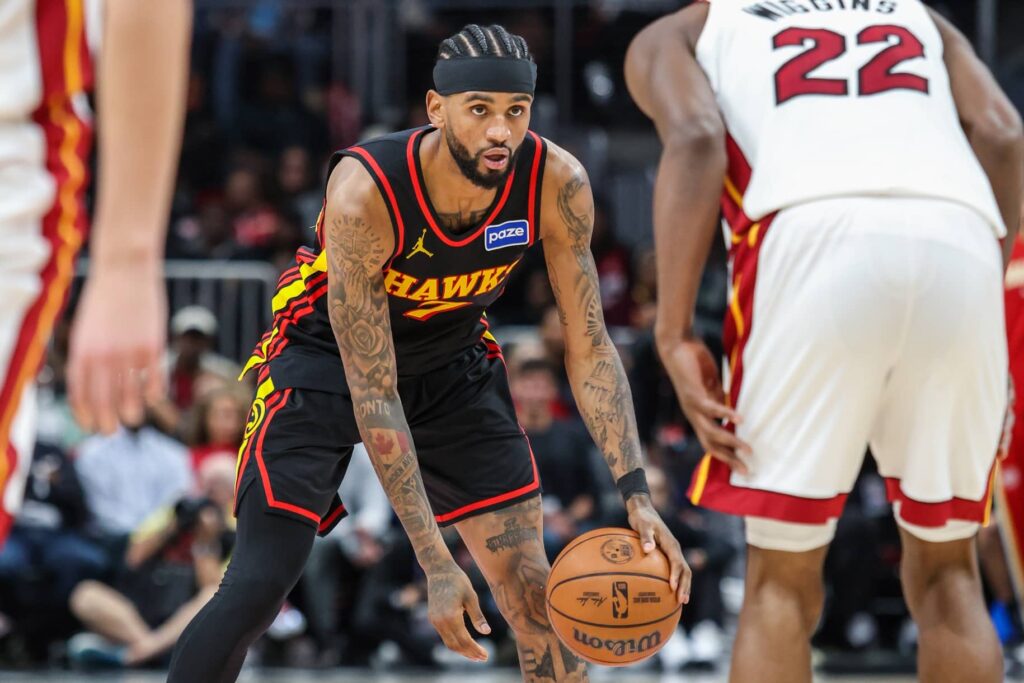
Runner-Ups: Jalen Duren, Deni Avdija
This was a very impressive season from Nickeil Alexander-Walker, who averaged 20.8 PPG, 3.4 RPG, 3.7 APG, 1.3 SPG, and 0.5 BPG on 39.9% shooting from deep. He sharpened his shooting, tightened his handle, and became a legitimate two-way presence. He went from a rotational piece to someone you trust in big moments, and that kind of leap usually happens when a role player signs a hefty contract with a new team in the offseason.
First-time All-Star Jalen Duren (19.5 PPG, 10.5 RPG, 2.0 APG, 0.8 SPG, and 0.8 BPG) started putting it all together, turning his physical tools into real production. He dominated the glass, protected the rim, and showed flashes of offensive growth that hint at even more upside. Alongside Cade Cunningham, Jalen Duren was invaluable for the title-contending Pistons team.
Deni Avdija’s growth (24.2 PPG, 6.9 RPG, 6.7 APG, 0.8 SPG, and 0.6 BPG) came from expanding his offensive confidence. He attacked more (getting a ton of friendly foul calls), created more, and became far less passive. The defense was already there, but this season, the scoring finally caught up.
Clutch Player Of The Year: Shai Gilgeous-Alexander
Runner-Ups: Jamal Murray, Anthony Edwards
When games got tight, Shai got calmer. That’s the simplest way to put it. He picked his spots, got to his midrange sweet spots, and made defenders look helpless late in games. More than any player we saw this season, SGA was brilliant in the clutch, averaging 6.5 clutch points per game on 51.5% shooting from the field. Add this award to Shai’s very impressive award collection as he builds his Hall of Fame resume.
Jamal Murray (4.7 clutch points per game on 52.2% shooting) has built a reputation for big moments, and this season only added to it. He thrives under pressure, hitting tough shots that most players wouldn’t even attempt. In Murray’s best season so far, he finishes second in Clutch Player of the Year rankings.
In third place, Anthony Edwards (5.6 clutch points per game on 56.5% shooting) brings a fearless edge to clutch situations. He wants the shot, embraces the moment, and isn’t afraid to live with the result. He didn’t quite take over the clutch as much as Shai and Murray did, but he was a distinct third.
Coach Of The Year: Joe Mazzula
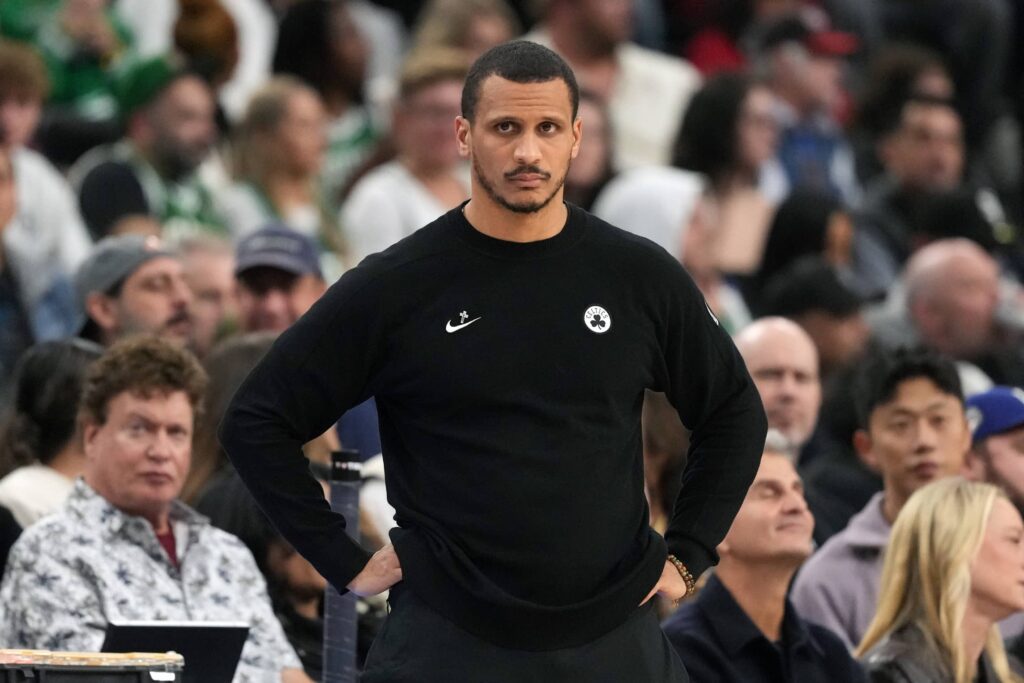
Runner-Ups: J.B. Bickerstaff, Mitch Johnson
Mazzulla deserves real credit for steering an injury-ridden and depleted Celtics roster in title contention (56-26). Jayson Tatum returned at the end of the season, Jrue Holiday and Kristaps Porzingis weren’t there anymore, yet Mazzulla made sure his men stayed focused. The head coach award is Mazzula’s because nobody overcame the odds more than he did.
Bickerstaff took a Pistons team that wasn’t supposed to be here and turned them into the top seed in the East with a 60-22 record. That doesn’t happen without buy-in, structure, and belief. He built all three, and he is the deserved runner-up behind Mazzula, although we won’t be surprised if voters end up giving him the award.
Lastly, Johnson played a major role in unlocking the Spurs’ potential, helping guide a young roster into legitimate contention (62-20). Development and winning don’t always align this quickly, and yes, he had Wemby, but give Johnson credit where it’s due.