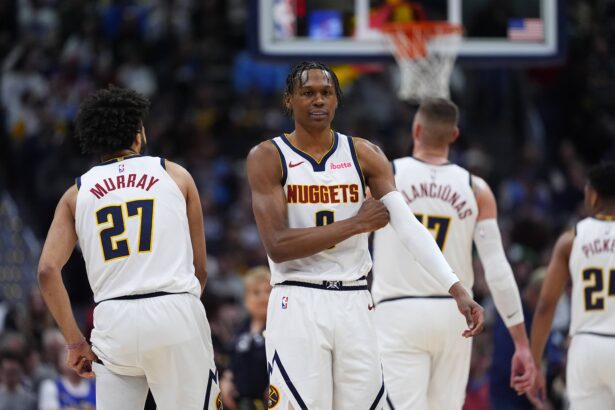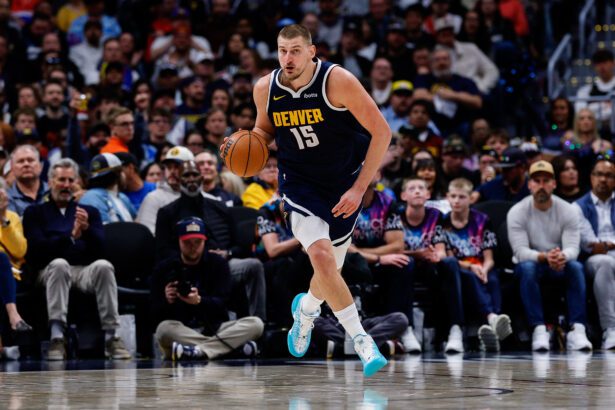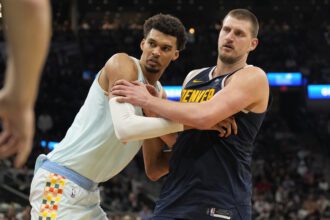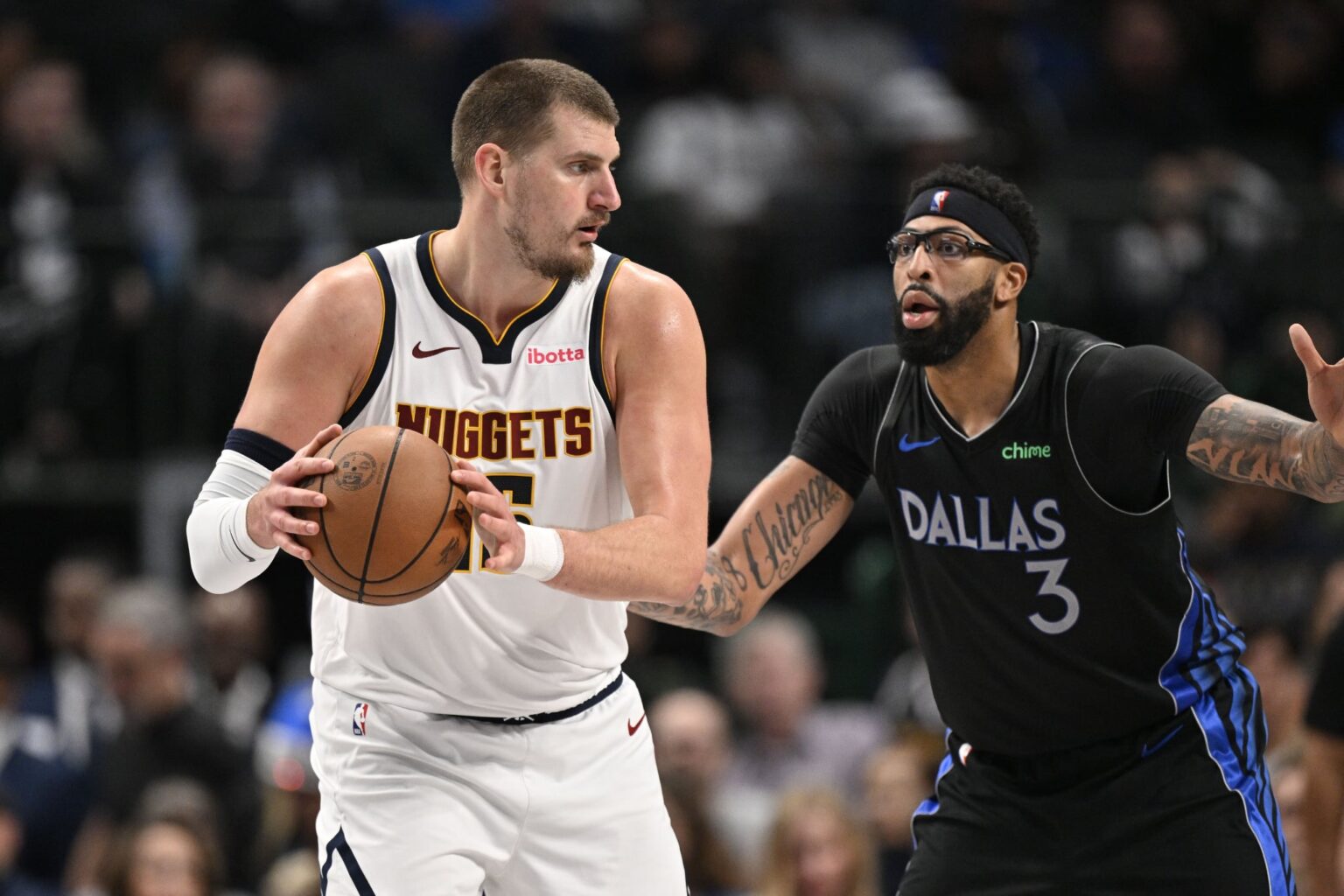
The Denver Nuggets are about to spend January in pure survival mode. Nikola Jokic is out with a left knee injury, and the timeline is basically screaming “see you in February,” with his status set to be reassessed in about four weeks, which likely wipes out the entire month.
The timing is brutal too, because the Nuggets are still sitting at 23-12, but the recent stretch has been shaky, and they just took another hit on the road against the Cavs and the Nets, dropping games while trying to patch lineups together on the fly.
Then it got worse. Jonas Valanciunas, the one guy on the roster who could at least play “real center minutes” while Jokic heals, is also out. He’ll be re-evaluated in four weeks, which lines up with missing most, if not all, of January too.
So now the Nuggets are staring at the nightmare version of a contender’s calendar: no Jokic, no Valanciunas, and a month full of games where they still need wins to keep their seeding safe. They don’t need a “future piece.”
They need an emergency center who can set real screens, rebound like his life depends on it, and keep the paint from turning into a layup line for four straight weeks. That’s the mission.
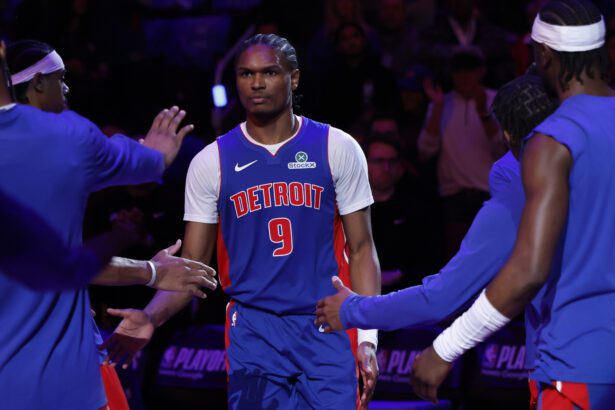
1. Goga Bitadze
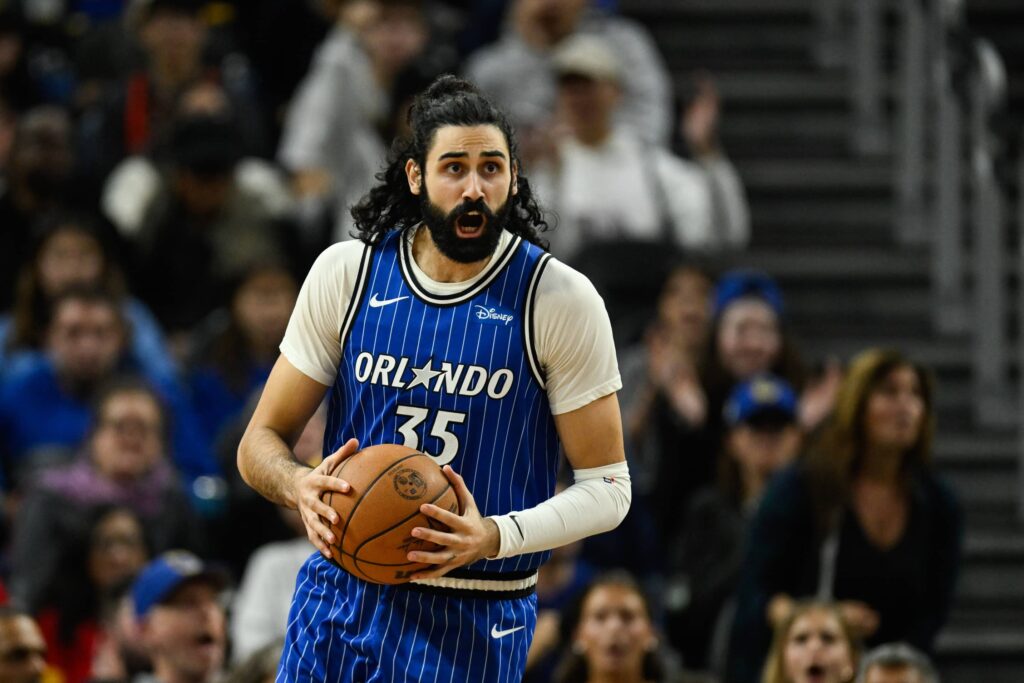
Potential Trade Offer: Zeke Nnaji, 2031 first-round pick
If the Nuggets want the simplest solution, it’s Goga Bitadze. No gimmicks. No “maybe he can play center if everything breaks right.” He’s a real big who can survive minutes, protect the rim, and finish plays without needing touches.
Bitadze is averaging 6.0 points, 5.1 rebounds, and 1.4 assists while shooting 70.5% from the field, plus 1.3 blocks per game. That is basically the exact stat profile the Nuggets need right now: low-maintenance, high-efficiency, rim protection.
The Magic angle matters here. They are 19-16 and trying to stay in the East playoff mix, but they’ve also got a frontcourt that can get expensive fast, and Bitadze fits the profile of a “luxury” piece teams eventually flip when the money gets tight and roles get crowded.
The money works pretty cleanly too. Bitadze makes about $8.3 million, and Nnaji is at about $8.2 million. That’s the rare deadline framework where you don’t need a 12-step spreadsheet to make it legal.
Why would Magic even consider it? Because a 2031 first is the kind of pick that can age like wine. That’s post-Jokic era uncertainty for the Nuggets. That’s the type of asset you stash and smile at later. And Nnaji gives them a big under contract who can soak minutes if they reshuffle the rotation.
From the Nuggets’ side, Bitadze isn’t flashy, but he’s the “stop the bleeding” move. He rebounds, he blocks shots, and he won’t hijack possessions when Jamal Murray is trying to survive a month of carrying the offense.
2. Day’Ron Sharpe
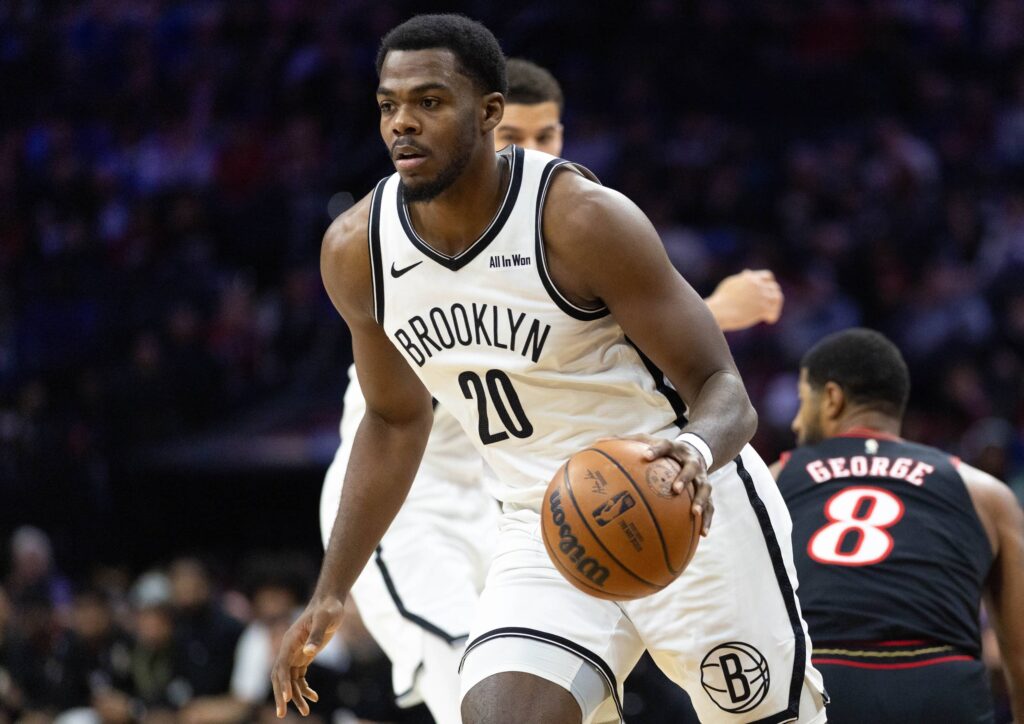
Potential Trade Offer: Zeke Nnaji, 2031 first-round pick
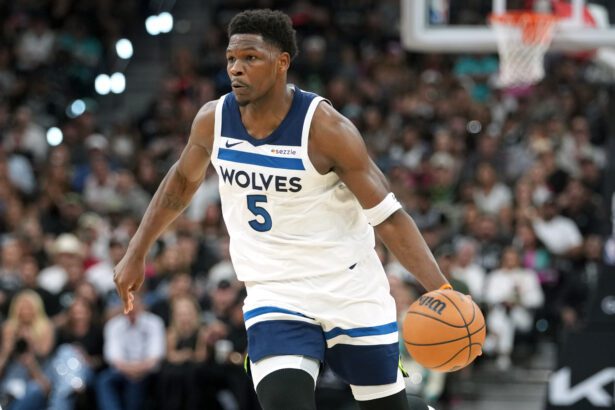
Day’Ron Sharpe is the kind of pickup that looks boring until you watch him for two games and go, oh… this dude is annoying. In a good way.
Sharpe is putting up 7.3 points, 5.7 rebounds, and 2.4 assists in just 16.7 minutes per game, with 1.0 steals and 0.5 blocks while shooting 60.1% from the field. That’s real production per minute, and the passing pop matters because the Nuggets’ offense always looks more normal when the center can make a quick read.
The Nets context is messy, and that’s why this is even possible. The Nets can talk themselves into either direction. If they keep fighting, they probably keep Sharpe as a cheap big depth. If they decide they’d rather stack future assets and reset the timeline, as many reports claimed recently, a 2031 first is a serious temptation.
Sharpe makes about $6.3 million, but the Nets can take on more salaries in trades this season, so the skeleton is still clean: Nnaji as the salary anchor, the 2031 first as the “we’re serious” button.
Basketball-wise, Sharpe fits the emergency month perfectly. He rebounds, he plays physical, and he doesn’t need plays called for him. Let Murray run pick-and-roll, let wings cut, and let Sharpe clean up the mess. You’re not replacing Jokic’s genius. You’re replacing the basic center stuff Jokic normally makes look effortless.
3. Dean Wade
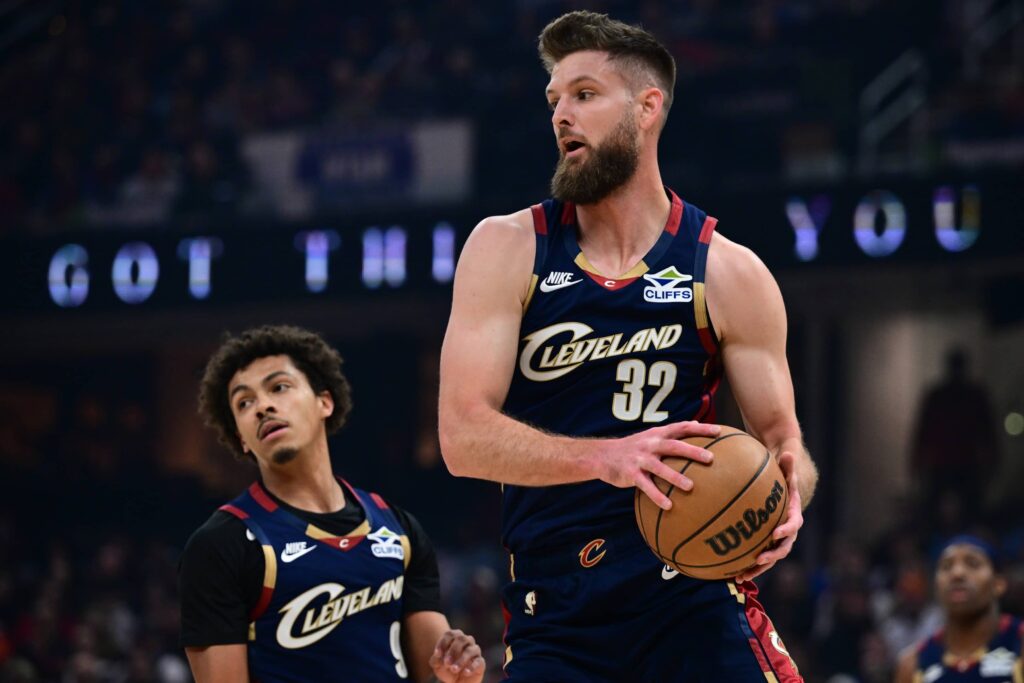
Potential Trade Offer: Zeke Nnaji, 2031 first-round pick
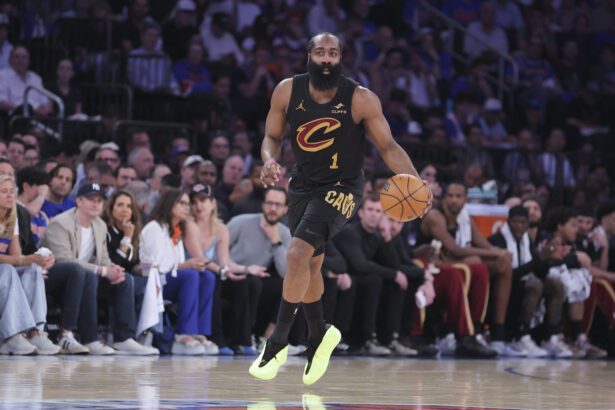
This is the weird one, because Dean Wade isn’t a real center. But if the Nuggets goal is “survive January” more than “replace a true five,” Wade is the kind of piece that can steal you a couple games with spacing and versatility.
Wade is averaging 5.9 points, 4.1 rebounds, and 1.6 assists, and he’s hitting 32.3% from three on 3.8 attempts per game. The percentage isn’t pretty, but the willingness to take them matters when you’re trying to keep driving lanes open without Jokic’s gravity.
He also makes about $6.6 million, which lands in a workable range for the Nnaji framework.
Now the hard part: the Cavaliers are 20-16 and struggling in the early season as they try to reach the top spots of the East. Teams like that don’t love punting rotation players mid-season, especially ones who can defend multiple positions.
So why even list him? Because the value of a far-out first-rounder can make contenders do uncomfortable things. A 2031 first is basically a different universe pick. If the Cavaliers front office thinks Wade is replaceable internally, they might talk themselves into taking a long-view asset while also grabbing Nnaji as a frontcourt flyer.
On the court, Wade would let the Nuggets play a more modern 5-out-ish look in Jokic-less minutes. It would be ugly sometimes. It would be tiny sometimes. But it could also keep the offense from turning into pure mud, and right now that might matter more than having a traditional rim-running big.
4. Clint Capela
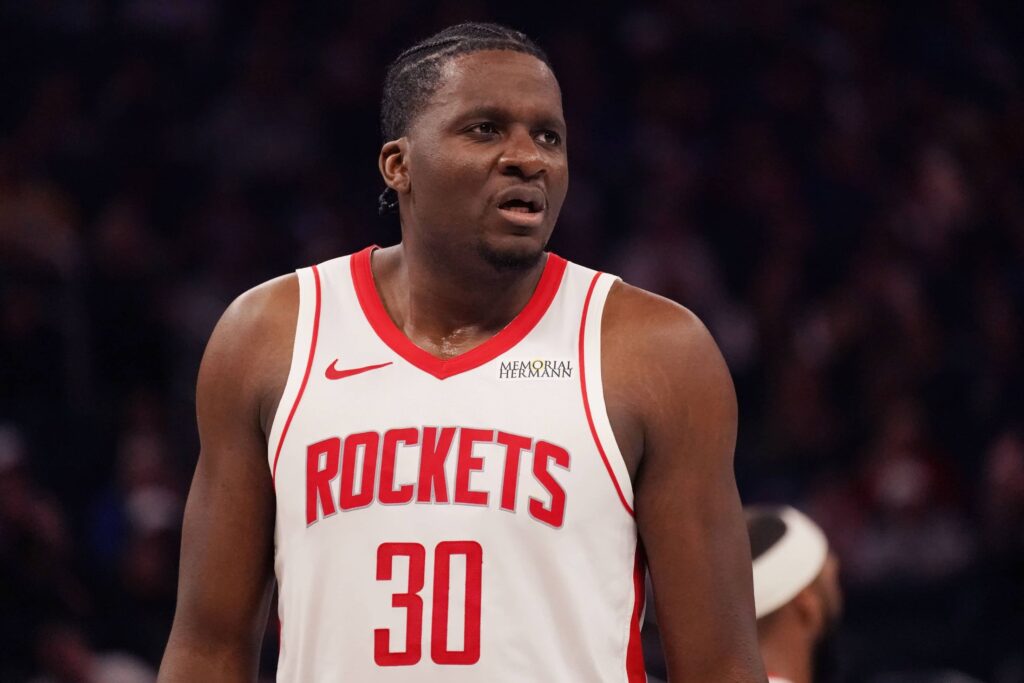
Potential Trade Offer: Zeke Nnaji, 2031 first-round pick
Let’s be real: if you want the most obvious “this guy can survive playoff-level physicality” center on this list, it’s Clint Capela.
Even in a smaller role this season, Capela is at 3.7 points, 4.6 rebounds, and 0.6 blocks in 11.0 minutes per game, shooting 54.8% from the field.
But here’s the catch: the Rockets are good. They’re 21-11. And they’ve dealt with frontcourt injuries that make Capela more important in the coming stretch, not less.
That’s why this offer makes sense as a pick swap for a veteran center that’s normally the third stringer. Because from the Rockets’ perspective, this is the kind of move you do only if you’re absolutely sure the roster can eat those center minutes without collapsing until health is no longer an issue.
From the Nuggets’ perspective, Capela is the best plug-in. He rebounds like a grown man. He sets real screens. He protects the rim. And he’s been through actual playoff wars. If you’re trying to keep the Nuggets from spiraling for a month, he’s the safest “I know what I’m getting” option.
It’s just the least realistic, because the Rockets might actually need him right now.
Final Thoughts
If I’m ranking these by “most realistic,” I start with Bitadze. The role makes sense, the contract matches Nnaji almost perfectly, and the Magic have enough frontcourt bodies that they can justify selling for a 2031 first if they want to stay flexible.
If I’m ranking by “best basketball fit for emergency survival,” I’m taking Capela. He’s the cleanest short-term stabilizer. But the Rockets being 21-11 and suddenly thin at center makes it feel like the toughest conversation to even start.
Sharpe is the wild card I’d actually love for the Nuggets. He plays with energy, he rebounds, and he’s young enough that you might convince yourself he’s more than a rental. And as the Nets head towards a “garage sale” of the roster, he’s an easy target in trade talks.
Wade is the coach’s chess move. If the Nuggets want to survive by turning this month into spacing, switching, and chaos, he’s interesting. If the Nuggets want traditional center minutes, he’s not the answer.
Either way, the Nuggets can’t just cross fingers and pray. Jokic and Valanciunas both being out for weeks is a real crisis, not a minor inconvenience. The front office has to decide if a 2031 asset is worth burning to save January.
Honestly? It probably is. This team is too good to waste the season because of one brutal month.