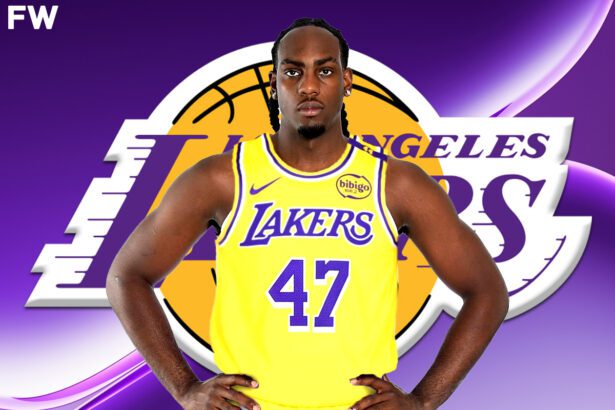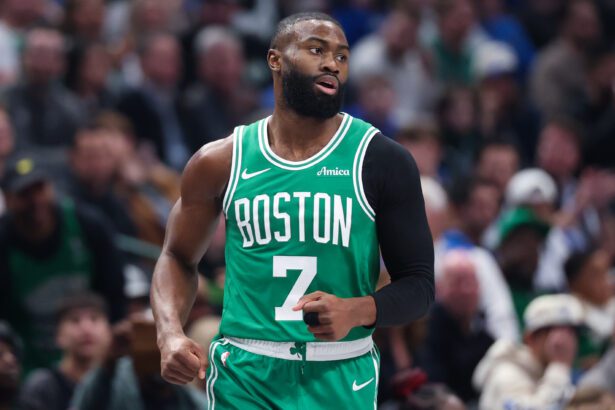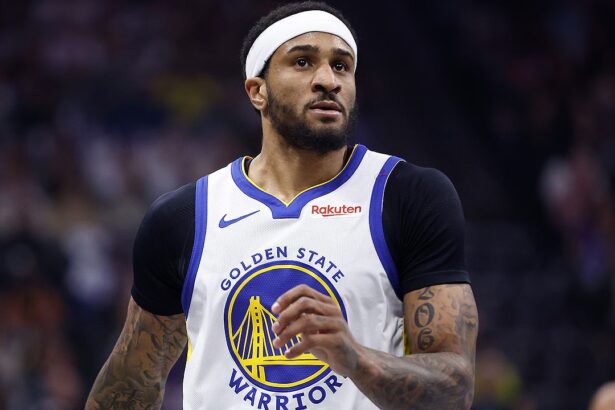
The Lakers are approaching this offseason with a clear plan, and it starts with not emptying the clip at the trade deadline. Their only real move was a narrow one: adding Luke Kennard for shooting, sending out Gabe Vincent and a future second-round pick. That choice fits the idea we laid out in our last story: the Lakers have six specific targets they want to prioritize this summer, and they were not going to spend real assets on anything that didn’t directly serve that list.
The context is simple. After the break, the Lakers are 33-21 and sitting fifth in the Western Conference. But the offseason matters more than the deadline did. The Lakers kept their options open in February. Now the question is whether they can use that flexibility to actually land the six names they want in July.
1. Tobias Harris
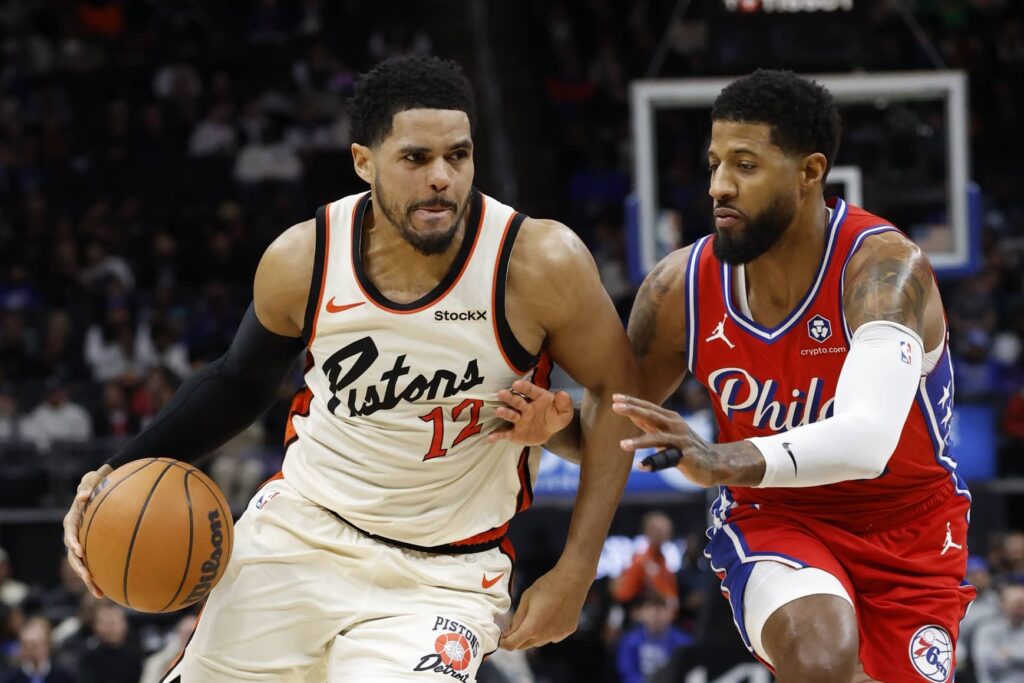
Tobias Harris is the kind of offseason target the Lakers can actually plan for, because the contract math is simple. He is in his last year with the Pistons in 2025-26, worth $26.6 million, and he is set to hit unrestricted free agency after the season.
On the floor, Harris is still a functional two-way forward, not a star, but a steady piece. He is averaging 13.4 points, 4.9 rebounds, and 2.3 assists this season, shooting 45.5% from the field and 35.4% from three. That matters for the Lakers because their biggest need is still pretty basic: size on the wing that can stay on the floor in the playoffs without breaking the spacing.
The “how” depends on what the Lakers do with their own expiring money first. LeBron James is on $52.6 million for 2025-26 and then can reach free agency after the season. Rui Hachimura is at $18.3 million in 2025-26, and his current deal is also built to come off the books after the season. Maxi Kleber is on an $11.0 million expiring contract as well.
Then there is Austin Reaves. He declined a four-year, $89.2 million extension, which is a strong signal the Lakers need to budget for a larger number next time.
If the Lakers keep Reaves and do not open real cap space, Harris becomes a mid-level or sign-and-trade play. If they do create space, Harris is the type of veteran forward they can chase without turning the entire roster upside down.
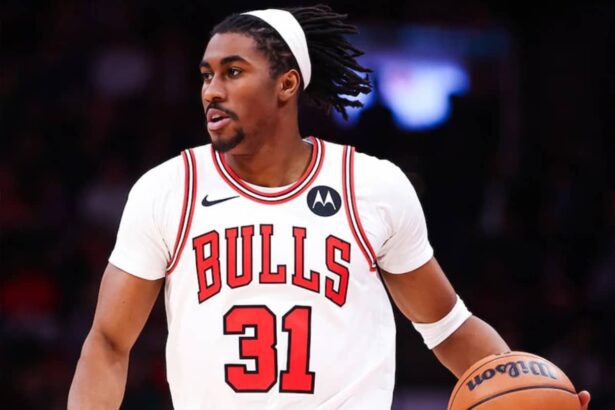
2. Quentin Grimes
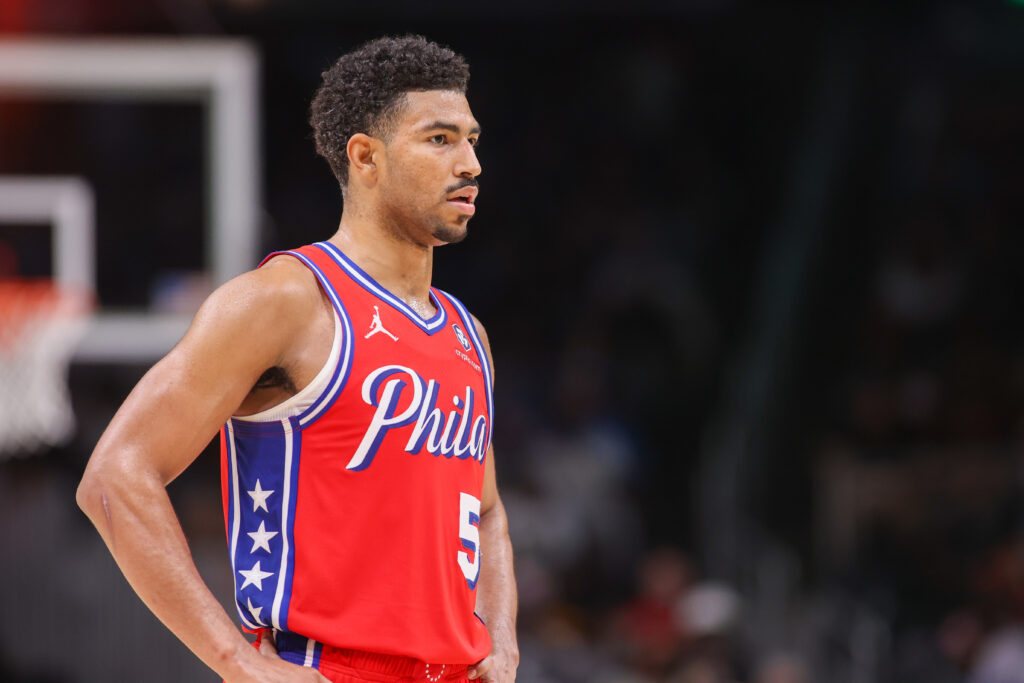
Quentin Grimes is the cleanest “gettable” name on the Lakers’ internal target board because he is set up for true open-market leverage. He signed a one-year, $8.7 million qualifying offer with the 76ers in October, which positions him for unrestricted free agency in the 2026 offseason.
Grimes has already shown he is willing to bet on himself. The qualifying-offer route gave him control this season and a clearer runway to a bigger number in July, instead of locking into a team-friendly multi-year deal.
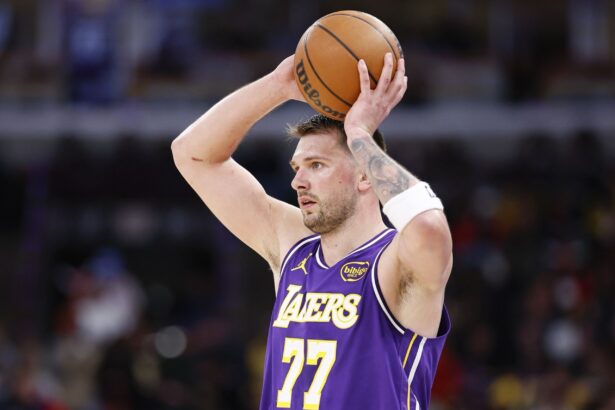
On the court, Grimes looks like the exact archetype the Lakers keep searching for around Luka Doncic and Austin Reaves: a guard/wing who can defend, run second-side actions, and hit enough threes to keep the floor open. This season, he is at 12.7 points, 3.8 rebounds, and 3.6 assists, shooting 43.9% from the field, 34.1% from three, and 85.9% from the line.
So, how do the Lakers actually land him?
If the Lakers do not create cap space, the simplest path is an exception-level offer and a role pitch: real minutes, clear defensive responsibility, and a defined place next to high-usage stars.
But Grimes might price quite above an exception if the market views him as a starting-caliber two-way guard, which is why the more realistic “big number” path is a sign-and-trade. That requires the 76ers to cooperate, and they reportedly moved Jared McCain to have the flexibility to sign Grimes again to a longer-term deal in the summer.
Grimes rejected every 76ers’ offer in his summer negotiations, so it’s widely expected he will command a big number, most likely above the $20.0 million tag yearly. The Lakers are projected to be one of the teams with the most cap space in the summer, pending LeBron James’ decision, and their capacity to offer such a deal will be linked to his future, too.
The other angle is timing. Grimes is on the list because the Lakers want perimeter defense and shooting that holds up in playoff minutes. If the Lakers believe he is a long-term fit next to Doncic, the smartest move is being early and decisive in July, before teams with cap space start throwing bigger offers at a player who is literally built for postseason basketball.
3. Tari Eason
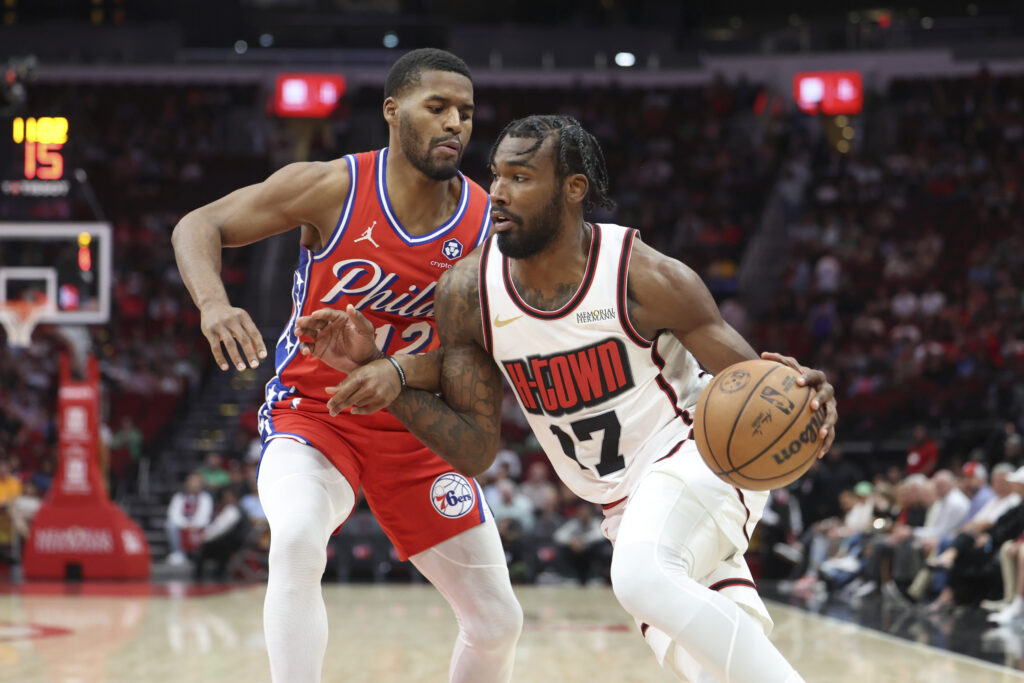
Tari Eason is in “free agency,” but with a catch: he is trending toward restricted free agency, which means the Rockets can match any offer sheet he signs. That single detail is why he is hard to steal and why he keeps showing up in Lakers planning anyway.
Eason is in the final year of his rookie-scale contract, making $5.7 million in 2025-26. He is also playing the best basketball of his career. He is averaging 12.2 points, 6.1 rebounds, and 1.5 assists, while shooting 45.1% from the field and an eye-popping 46.0% from three (on real volume), with a 65.7% free-throw mark.
For the Lakers, this is the dream “connector forward.” He is big, disruptive, and plays with force. He can guard multiple spots, fly into passing lanes, and punish closeouts without needing plays called for him. Next to Doncic, that matters. When your primary engine bends defenses, you want wings who can finish possessions and win the physical parts of a series.
The problem is the Rockets’ leverage. He didn’t sign an extension before the season started, and talks stalled in a way that it’d be hard for the Rockets to match any offer (potentially a four-year, $100 million deal) with so many young stars to extend, plus Kevin Durant in the books.
If Eason hits restricted free agency, the Lakers have two realistic paths.
One is cap space and an aggressive offer sheet. That is the purest way to apply pressure, but it ties up money while you wait for the Rockets to decide whether to match. If the Rockets view Eason as part of their core moving on, they match, and you wasted critical early-offseason time.
The second path is a sign-and-trade. That requires the Rockets’ cooperation, which typically means the Lakers have to give them something they actually value: draft capital, a controllable young player, or a flexible contract structure. The upside is you can negotiate terms instead of letting the Rockets dictate the process.
And the reporting context matters here. There have already been strong signals that Houston wants to keep Eason. So if the Lakers want him, they should treat it like a trade acquisition, not a normal free-agent signing.
A potential offer could include Dalton Knecht, Jarred Vanderbilt, and maybe a Maxi Kleber sign-and-trade to make the deal work.
4. Peyton Watson
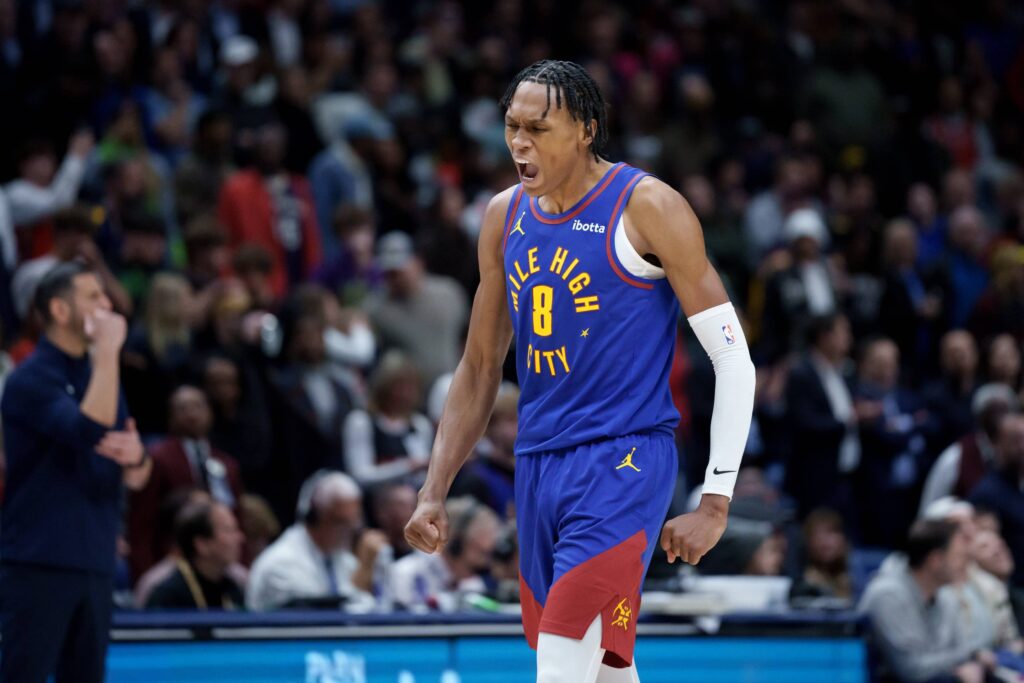
Peyton Watson is another “free agency” name that really means restricted free agency. The Nuggets have match rights, and the entire market knows it. The downside for the Nuggets is that they might not have enough cap space to match an offer, leading to a potential trade to free up money or let him walk for nothing.
Still, the Lakers’ interest makes sense because Watson is producing like a modern playoff wing, and he is doing it at 23.
Watson is making $4.4 million in 2025-26, the kind of number that looks tiny relative to his current on-court value. This season, he has jumped to 14.9 points, 4.9 rebounds, and 2.0 assists, with strong efficiency: 49.6% from the field, 41.7% from three, and 72.7% from the line. That is not “interesting young guy” production. That is “starter-level wing” production.
The Lakers’ fit case is pretty simple. Watson gives you size, vertical pop, and real defensive playmaking. He can guard up the lineup, he can run the floor, and he does not need the ball to matter. That is exactly what you want next to Luka Doncic, who creates advantages, and next to Austin Reaves, who still demands spacing and defensive support.
The issue is cost and process. Because Watson is restricted, the Lakers can’t just “pick him up” once they present an offer sheet. Even then, the Nuggets can match, and teams hate having cap space frozen while waiting. That dynamic is why restricted free agency often ends with the incumbent team keeping the player, or a negotiated sign-and-trade.
So if the Lakers are serious, the practical route is to treat Watson like a trade target. You build a sign-and-trade structure that helps the Nuggets solve their own math. That usually means sending back a contract they can actually use, plus value in picks. And you do it early, before the rest of the league forces the Nuggets’ hand with an offer sheet.
A Dalton Knecht, Adou Thiero, plus Jarred Vanderbilt deal could entice the Nuggets, who would still gain something out of a player they can’t financially keep.
5. Dean Wade
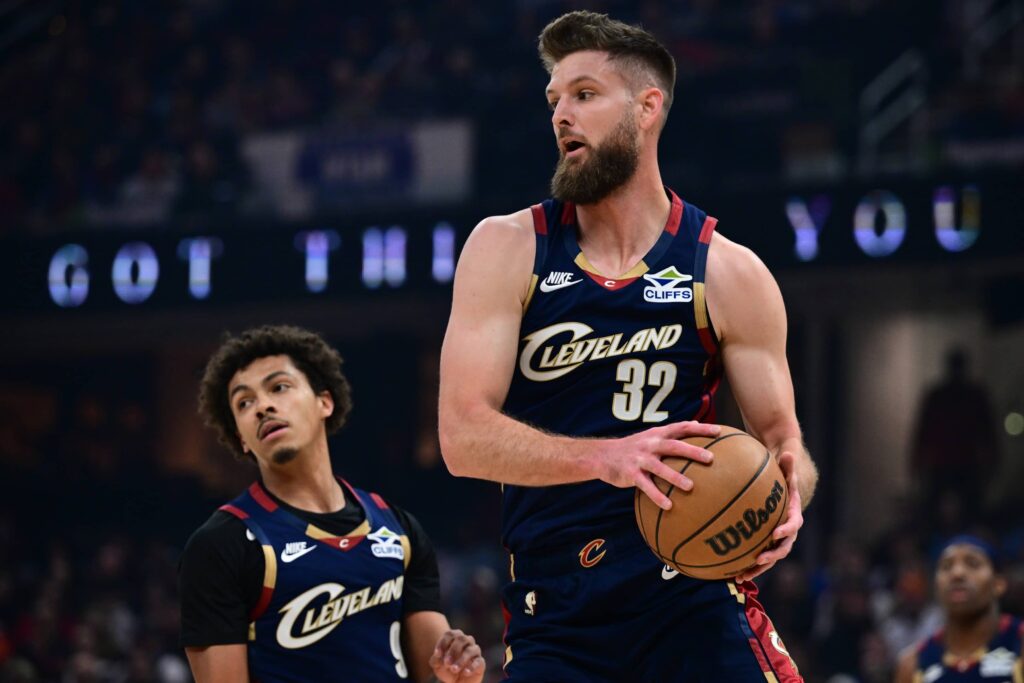
Dean Wade is the “quiet” name on this list, and that is exactly why he’s realistic. He is not a headline. He is a functional rotation forward who can help you win regular-season minutes and survive in specific playoff matchups.
Wade is making $6.6 million in 2025-26 and is set up to reach unrestricted free agency after the season. For the Lakers, that salary tier lives in the zone where exceptions, modest multi-year offers, and value hunting actually work.
His production is not flashy, but it is clean: 5.8 points, 4.1 rebounds, and 1.6 assists, shooting 41.7% from the field, 34.0% from three, and 75.0% from the line. The appeal is less about the box score and more about the role. Wade is a big forward who can space at least enough to be respected, and he has the size to hold ground defensively.
The Lakers’ sales pitch here is simple: opportunity and clarity. The Cavaliers have depth, and Wade often lives in lineup battles where minutes swing game to game. With the Lakers, the path to a stable role is clearer if the roster is built around Luka Doncic and needs dependable size on the wing.
Mechanically, Wade is the type of free agent the Lakers can chase even if they stay over the cap. If the market is lukewarm, he is an exception target. If the market is stronger, he becomes a “use part of the mid-level, promise a real role, and lock in years” type of signing.
He is also the kind of player who can be the second or third move, not the first. The Lakers can chase bigger names early, then pivot to Wade as the pragmatic answer when the dust settles, and the roster still needs another forward who does not break your spacing or your defense.
6. Andrew Wiggins
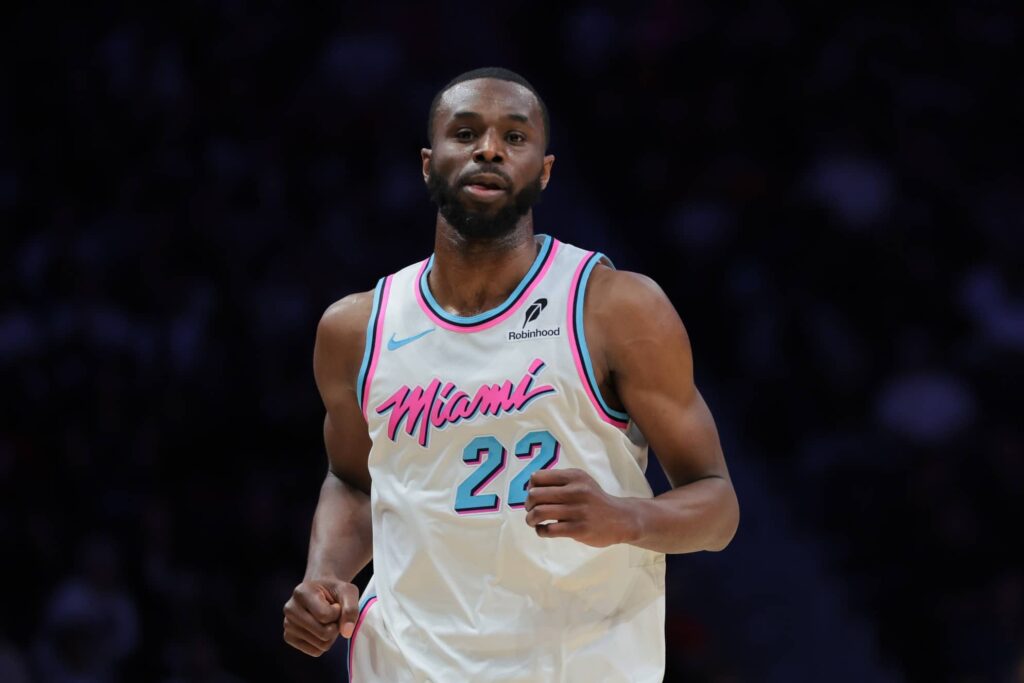
Andrew Wiggins is the high-end version of the same idea: a wing who can defend, score without needing the offense built around him, and handle the ugly minutes when playoff games turn into wrestling matches.
The Lakers have been connected to Wiggins since last summer, right up to the deadline, but the Heat never budged to any offer they presented.
Wiggins is making $28.2 million in 2025-26, and he holds a $30.2 million player option for 2026-27. That option is the key. If he opts in, he is not a free-agent pursuit; he is a trade pursuit. If he opts out, he becomes a true market player, but the Lakers would still likely need a creative path unless they open major cap space.
The basketball case is strong. This season, Wiggins is at 15.9 points, 5.0 rebounds, and 2.8 assists, shooting 47.1% from the field. He is also hitting 39.5% of his threes, which changes his value in a postseason context.
For the Lakers, the pitch is simple: Wiggins is the type of two-way wing every contender needs, and Luka Doncic makes wing life easier. You don’t need Wiggins to be a primary creator. You need him to defend top scorers, run the floor, hit open shots, and attack tilted defenses. That is exactly the menu.
So how can they land him?
If Wiggins opts in, the Lakers’ route is a trade with the Heat built around salary matching and real value. The Heat would only move him if they are prioritizing flexibility or redirecting their roster, and the Lakers would need to pay in assets, not vibes. A move with Jarred Vanderbilt, Dalton Knecht, and Maxi Kleber as a sign-and-trade, plus a potential first-round pick, might do the trick for an expiring Wiggins.
If he opts out, the Lakers can try to recruit him in free agency, but the realistic outcome still points to a sign-and-trade unless the Lakers clear enough money to win a straight bidding war.
Either way, Wiggins is the “swing” name among these targets because his contract size forces the Lakers to make real decisions, not just add-ons.