The Los Angeles Lakers are heading toward the trade deadline stuck in a position that feels uncomfortably familiar. Expectations are high. The roster has flaws. And the tools needed to fix those flaws are mostly locked away.
According to Dan Woike of The Athletic, the Lakers’ most valuable trade asset is also the one they are almost certainly unwilling to use. The 2032 first-round pick, on paper, is their best chip. In reality, it is the one the front office is treating as untouchable.
Woike laid it out clearly. Trading the 2032 first would immediately block the Lakers from using their 2031 pick now, and their 2033 pick this summer. Because the 2027 pick is already gone, league rules prevent Los Angeles from dealing 2026 or 2028. That leaves only 2030 and 2032 as legal first-round options. Move 2032 now, and the Lakers effectively shut the door on future flexibility at the exact moment they believe more meaningful opportunities could open.
That makes any deal involving the 2032 pick an all-in move. And the Lakers do not see the current market as one worth going all-in for.
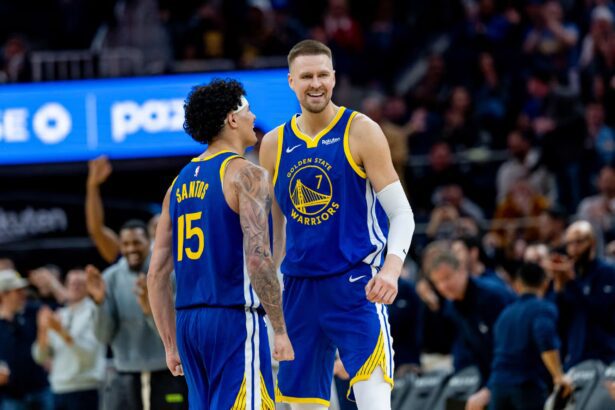
That hesitation becomes more problematic when paired with another reality around the league. Dalton Knecht does not hold real trade value right now.
Drafted 17th overall in 2024, Knecht flashed early as a shooter and averaged 9.1 points as a rookie. This season, his role has shrunk dramatically. He is barely part of the rotation, averaging just 5.2 points per game, and more importantly, losing trust from head coach JJ Redick. A widely circulated clip showing Knecht missing a basic offensive read only reinforced what rival teams already believe. He is not ready to help a team trying to win immediately.
Around the league, Knecht is viewed as neutral at best and negative at worst. His rookie-scale deal is cheap, but cheap contracts only matter when the player attached to them can be trusted. Right now, that trust is not there. For teams asking the Lakers for young talent and picks, Knecht does not move the needle.
That is the trap the Lakers are caught in. Teams want first-round picks and young contributors. The Lakers are unwilling to part with their most powerful pick. And their young players do not generate interest.
This is why names like Andrew Wiggins, Herbert Jones, Justin Champagnie, or Kentavious Caldwell-Pope continue to circulate more as theory than reality. Any meaningful upgrade requires a first-round pick. If that pick is 2032, the Lakers are sacrificing multiple future pathways just to make what might be a marginal improvement now.
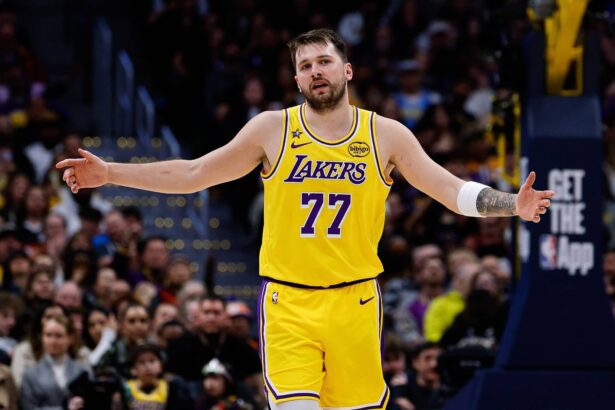
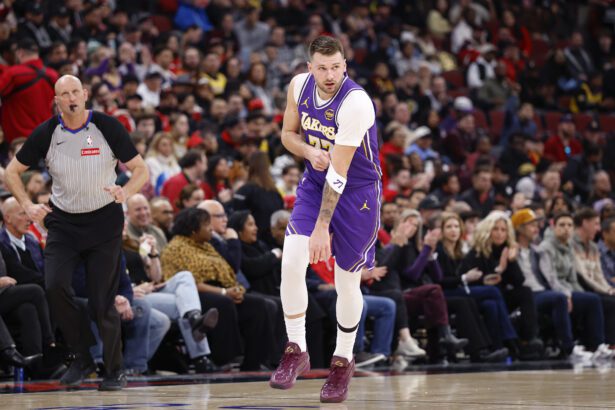
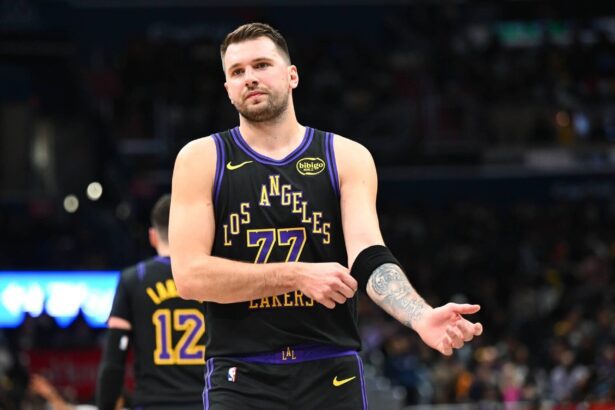
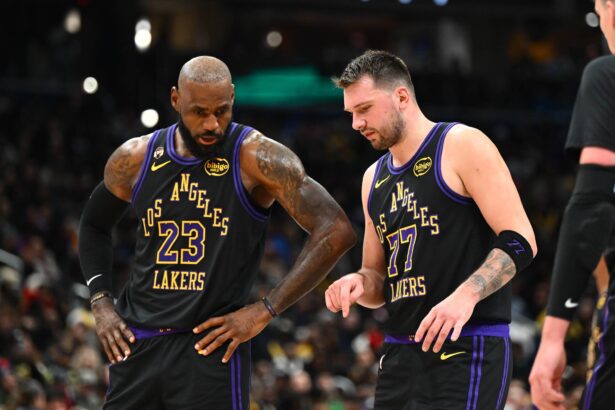
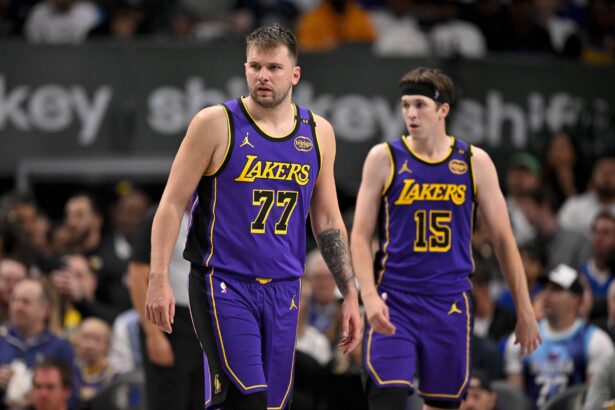
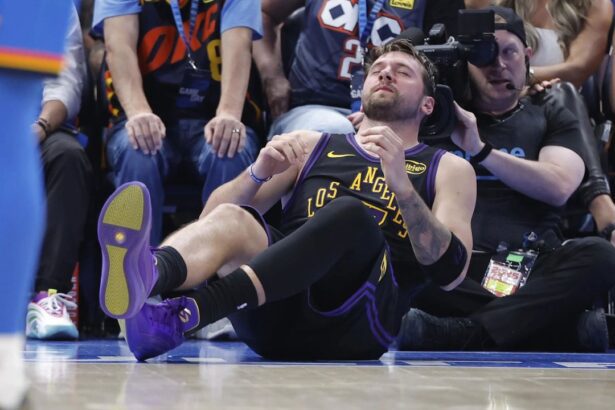
That calculation matters because of where the Lakers actually are. The Lakers are fifth in the West with a 23-12 record, but desperately need defensive upgrades. They need athletic defenders who can also shoot at an elite level. Their offense is clicking with Luka Doncic playing like an MVP candidate and LeBron James still playing elite at 41 years of age in his 23rd season.
So the deadline reality is fairly blunt. If the Lakers do not move the 2032 pick, they are shopping on the margins. And with Dalton Knecht offering no real trade value, those margins are thin.
Unless the market shifts dramatically between now and February 5, the Lakers’ biggest move before the deadline may simply be choosing not to make one at all.