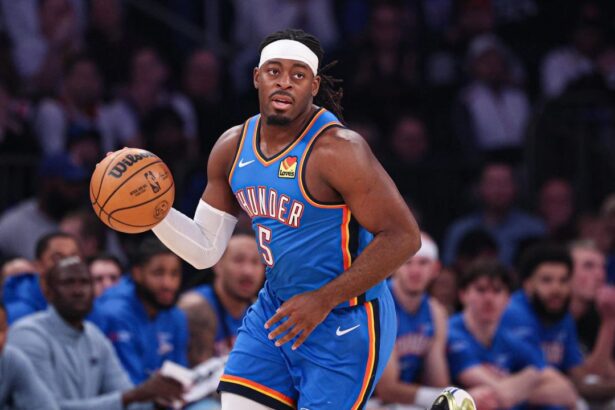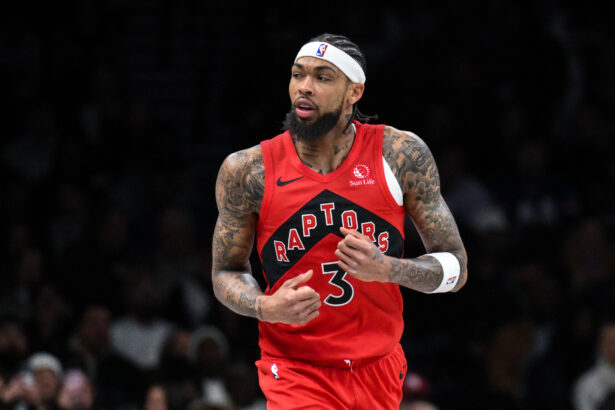
Cooper Flagg and Kon Knueppel have turned the rookie scoring race into a real weekly headline. They are not just putting up points in quiet losses. They are doing it with real pressure, real defensive attention, and the kind of shot diet that usually belongs to veterans. One night it feels like Flagg is too physical and too steady. The next night Knueppel answers with another big burst and reminds everyone his scoring is not a fluke.
That tug-of-war matters because it is shaping how people talk about the next wave of talent. The 2026 draft class is already picking up steam, with names like Darryn Peterson and AJ Dybantsa getting louder by the month. When the current rookies are producing like this, it raises the bar for what “instant impact” even means.
So let’s zoom out and put this season in the right frame. Here are the 10 rookie seasons with the highest points per game from the last 10 NBA years. It is a quick way to see how rare this kind of scoring really is, and where Flagg and Knueppel already sit in that history.
10. Kon Knueppel (2025-26) – 18.9 PPG
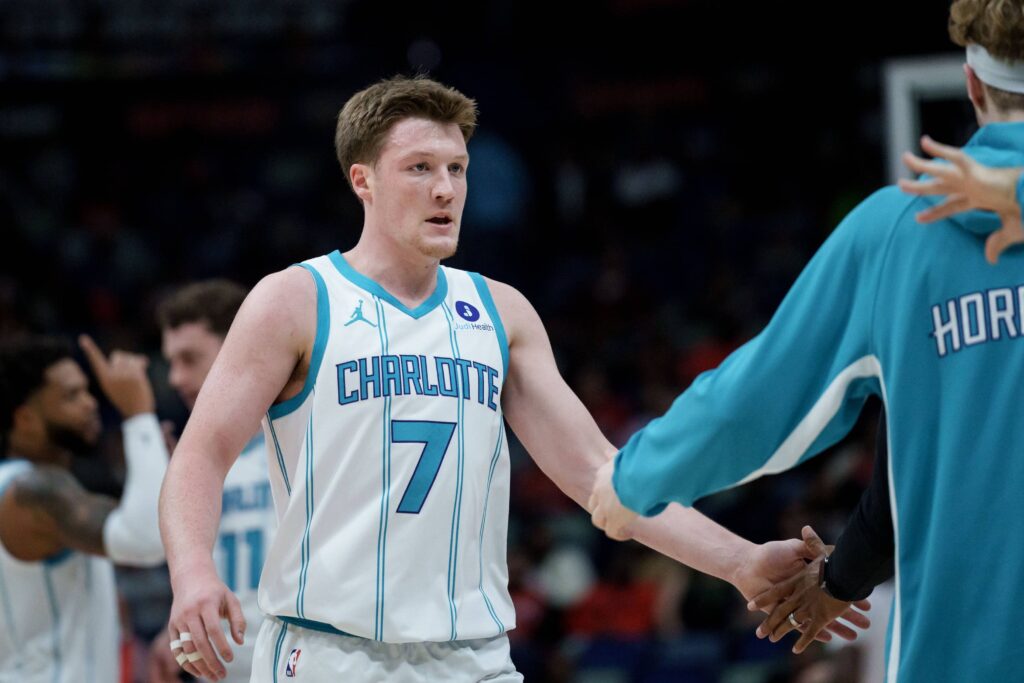
Kon Knueppel didn’t sneak into this list. He forced his way onto it with volume, efficiency, and a role that already looks like “starter on a decent team,” not “rookie learning on the job.”
Knueppel is averaging 18.9 points, 5.5 rebounds, and 3.6 assists in 32.1 minutes, while shooting 48.4% from the field, 43.1% from three, and 90.2% from the line. That is rare rookie shotmaking, especially the combination of high three-point volume (7.9 attempts per game) and elite accuracy. It’s why his scoring feels sustainable instead of “hot streaky.” He’s creating efficient points without needing a crazy usage rate.
The team context helps, too. The Hornets are 26-29 and sitting ninth in the East, which keeps them in the play-in mix instead of the lottery. They also went into the break on a real heater, winning 10 of their last 11 games, including a 110-107 win over the Hawks right before the All-Star break. Knueppel had 18 points in that one and closed it out at the line, which is basically the story of his rookie year in one game: steady scoring, no panic, and clean execution late.
The milestone stuff backs it up. He became the first rookie to reach 1,000 points this season, doing it in 53 games. That matters in the “top rookie scorers of the decade” conversation because it shows durability and consistency, not just a high average in a small sample.
In a normal year, 18.9 points might feel like it belongs outside the top 10. But across the last decade of rookie scoring seasons, Knueppel’s mix of production and elite shooting efficiency is exactly why he lands here.
9. Trae Young (2018-19) – 19.1 PPG
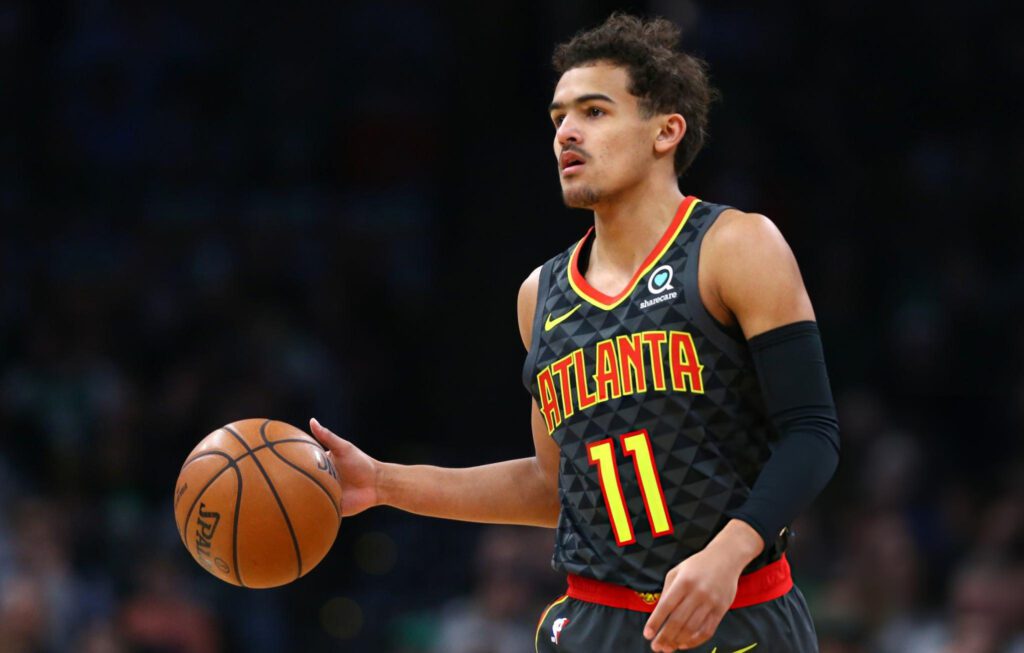
Trae Young’s rookie year made this list because it was a full-season lead-guard workload, not a scorer’s cameo. He played 81 games and averaged 19.1 points, 8.1 assists, and 3.7 rebounds in 30.9 minutes. The efficiency was rookie-typical for a high-difficulty shot diet, but still respectable: 41.8% from the field, 32.4% from three, and 82.9% from the line.
The bigger marker was how much offense ran through him. The Hawks’ own season recap pointed out Young led all rookies in total points (1,549) and total assists (653). That is the profile of a primary creator, not just a bucket-getter. He wasn’t only scoring. He was also deciding possessions: pick-and-roll reads, hit-ahead passes, pocket feeds, and deep pull-up gravity that stretched defenses before they were ready to deal with it.
The team wasn’t good, and that’s important context. The Hawks finished 29-53 and 12th in the East, deep in a rebuild. So the league-wide attention wasn’t about wins. It was about the fact that a rookie guard was already producing like an offensive engine, even when opponents were loading up on him because there wasn’t much else to fear.
That season also set the template for what the “high-usage, high-assist, high-variance” rookie guard looks like. He had nights where the shot selection looked wild, and nights where the passing felt like it was coming from a veteran. Over 81 games, the aggregate still landed in a historic place for the last 10 years: top-10 rookie scoring by points per game, plus elite creation volume that most rookies simply don’t have.
8. Anthony Edwards (2020-21) – 19.3 PPG
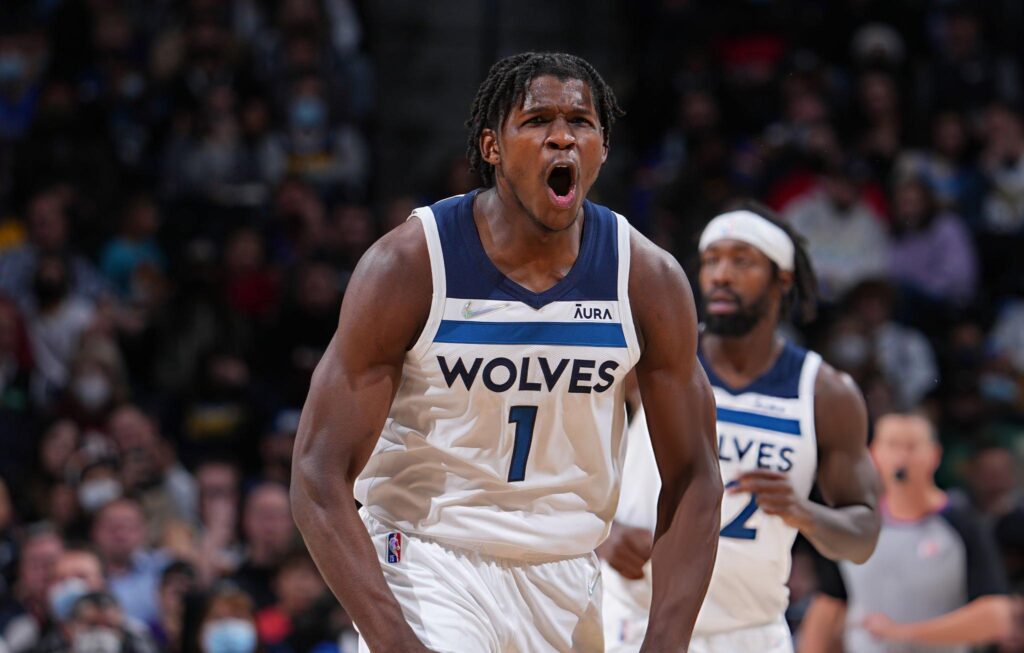
Anthony Edwards landed on this decade list because his rookie season was both loud and durable. He played 72 games and averaged 19.3 points, 4.7 rebounds, and 2.9 assists in 32.1 minutes. The efficiency was typical rookie chaos, but the volume was real: 41.7% from the field and 32.9% from three on heavy attempts.
The context matters. The Timberwolves were not good, finishing 23-49 and outside the playoff picture. That usually buries a rookie’s scoring season in “empty stats” talk, but Edwards looked like more than that because the role was honest. He was asked to create shots late, attack set defenses, and take the hardest perimeter matchups at times. A lot of rookies score because they get clean looks. Edwards scored while the defense was waiting for him.
That season also had instability around him. The Timberwolves made a coaching change mid-year, bringing in Chris Finch, which is the kind of thing that can slow down development. Edwards still finished as the top rookie scorer by average points, and he earned All-Rookie First Team honors, while the Timberwolves skyrocketed to a playoff berth in Year 2.
What makes his rookie year stand out in a 10-year scoring list is the blend of volume and availability. He did not do it in 25 games or in a half-season cameo. He did it across 72 games, with a consistent green light, and with the defensive attention that comes with being the obvious perimeter threat.
In short, this was the start of a real lead scorer profile, not just a fun rookie heater. The league saw it immediately, even if the Timberwolves’ record did not reward it at first.
7. Paolo Banchero (2022-23) – 20.0 PPG
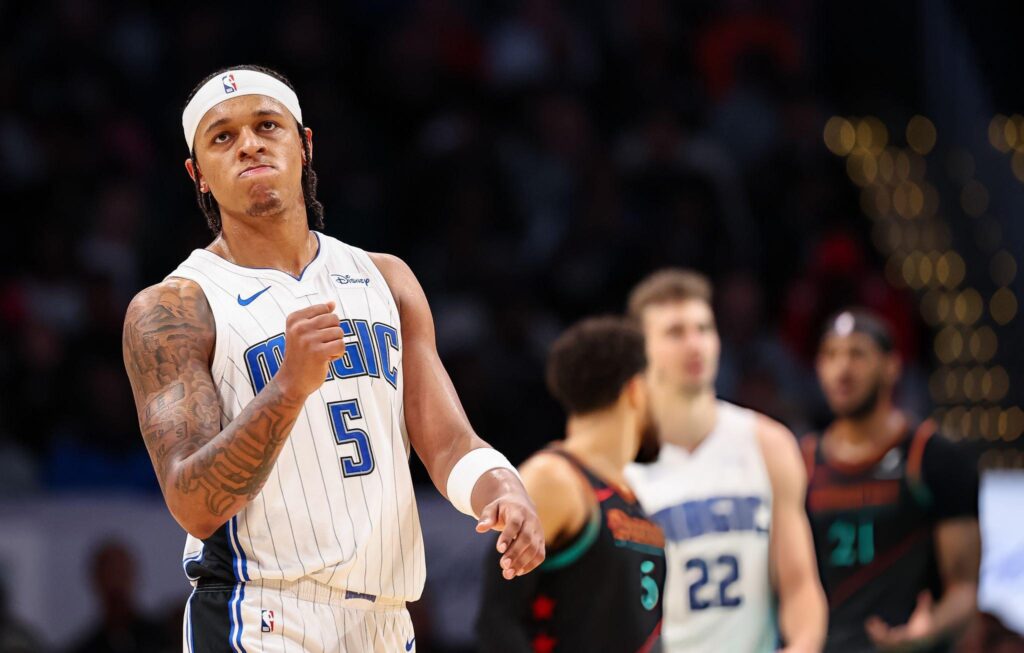
Paolo Banchero’s rookie season was the cleanest modern example of “top pick arrives and immediately becomes the offense.” He averaged 20.0 points, 6.9 rebounds, and 3.7 assists in 72 games, playing 33.8 minutes a night. Those are not role-player minutes. That is a franchise-player workload from Day 1.
The Magic were still early in their build, finishing 34-48 and missing the playoffs. But the record is almost secondary here, because the season was about Banchero proving he could handle high-usage creation without being protected. He did it as a big initiator, not a guard who gets to hide on the wing. He was attacking switches, operating out of isolations, and running actions where the defense knew the ball was going to him anyway.
The efficiency tells the rookie story. He shot 42.7% from the field and 29.8% from three, with 73.8% at the line. Those numbers are not “elite shooter,” but they are normal for a rookie asked to take difficult shots and create late-clock offense. The key is that the scoring average still hit 20.0 while also providing real rebounding and playmaking volume.
The league rewarded the total profile. Banchero won Rookie of the Year, and even the team release called out how rare it is for a rookie to average 20-plus points with starter-level rebounds and assists.
That is why he sits this high on the list. It was not just points. It was points plus responsibility.
6. Joel Embiid (2016-17) – 20.2 PPG
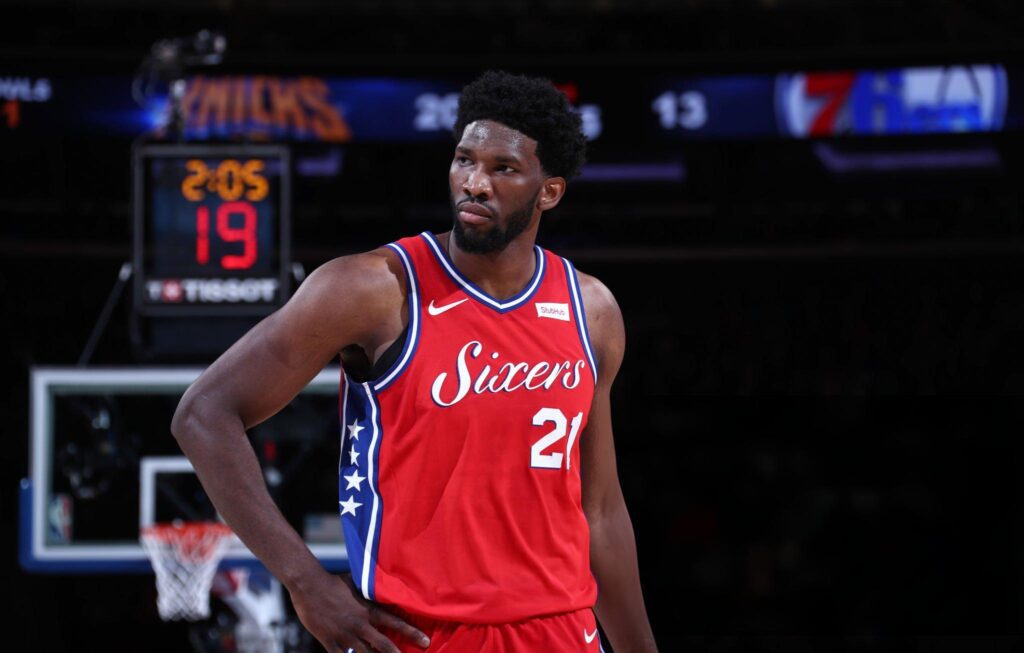
Joel Embiid made this list in the most unusual way: dominance in a limited sample. In his rookie season, he played 31 games and still averaged 20.2 points, 7.8 rebounds, and 2.5 blocks. On a per-minute basis, it looked like a star immediately, not a rookie figuring it out.
The 76ers were rebuilding, finishing 28-54. The season itself had weird pressure, too, because Embiid was coming off two lost years before he ever played, being drafted 3rd overall in 2014. The team managed his workload carefully, and every great night came with the same question: Can he stay on the floor long enough for this to count as a full-season breakout?
He was starting to answer it. The scoring was efficient for a rookie big, and the defense popped right away because of the rim protection. Then the season ended abruptly. ESPN reported he was shut down for the rest of the year after a follow-up MRI showed his meniscus tear had worsened.
That injury context is the separator in how you read this season historically. If you care only about points per game, 20.2 belongs near the top of the decade list. If you care about “most complete rookie season,” the 31-game sample always puts an asterisk next to it. Both things can be true.
What is not debatable is the level. Even in 31 games, Embiid produced like a primary option and a defensive anchor at the same time. That is why his rookie scoring average still holds up against a full decade of rookies.
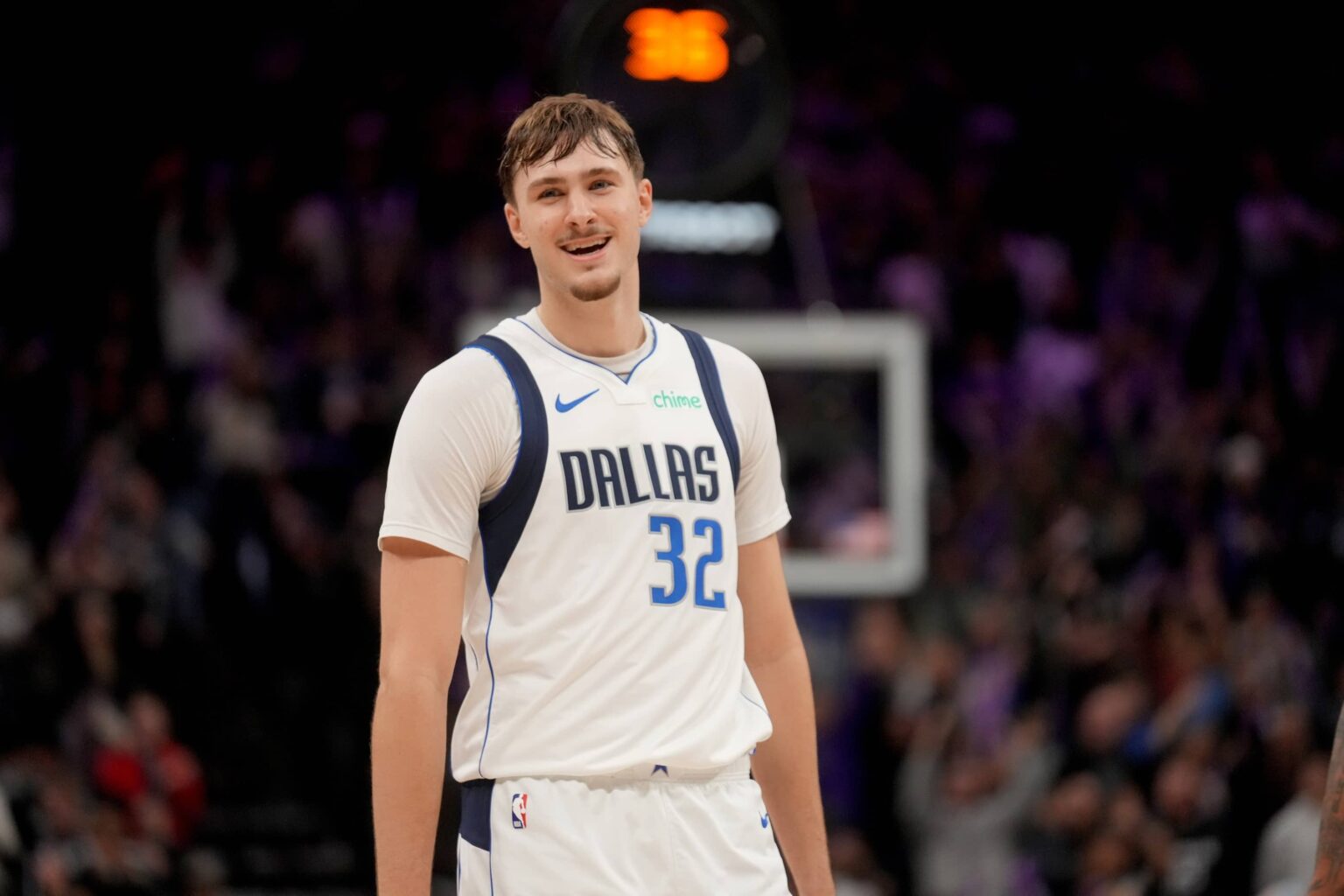
5. Cooper Flagg (2025-26) – 20.4 PPG
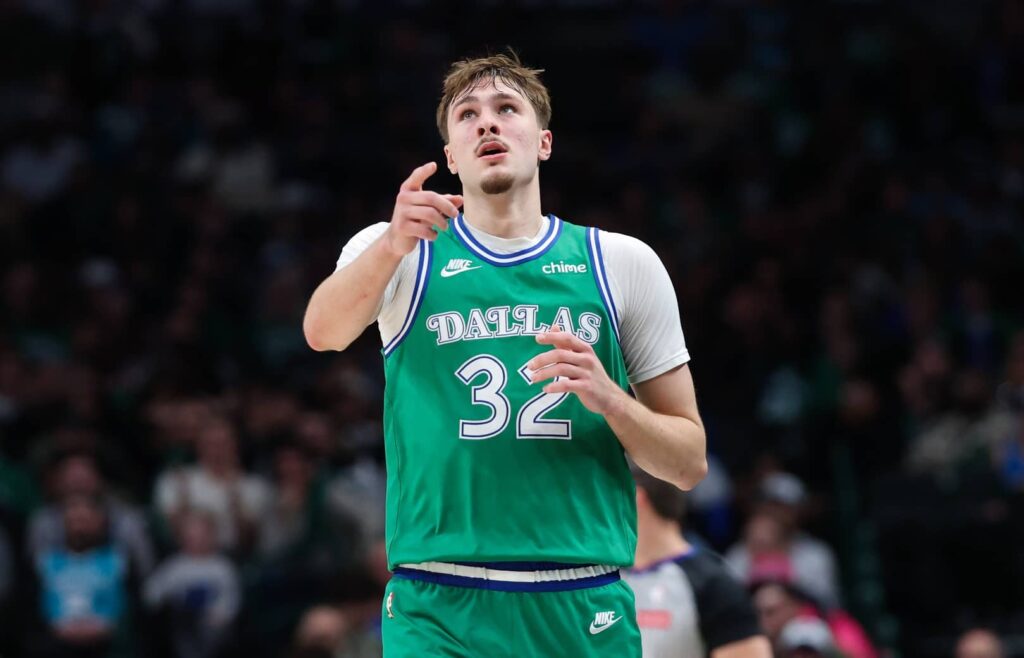
Cooper Flagg’s rookie season belongs on this list because it has been both productive and loud. He is at 20.4 points, 6.6 rebounds, and 4.1 assists per game, and he has done it while being treated like the first option most nights.
The stat line is only part of the story. The bigger point is how quickly Flagg has looked comfortable with NBA physicality. He is scoring from different spots, not just off easy cuts or transition. When the Mavericks need a bucket, they have already been comfortable running offense through him, which is not normal for a rookie wing. You also have to be in awe of his 49-point game on January 29, which is the type of ceiling moment that pushes a rookie season into “historic conversation,” not just “good year for a top pick.”
The team context is messy, and it actually makes his production look more real. The Mavericks are 19-35, sitting outside the West play-in picture right now. They have also been hit with injuries with Derek Lively, Kyrie Irving, and several pieces out, while also trading Anthony Davis mid-season. That has created even more responsibility for the rookie. It is one thing to average 20 as a complementary scorer. It is harder when defenses are loaded up, and your team is sliding in the standings.
Flagg’s season has also had a real interruption. He suffered a left midfoot sprain and was ruled out through the All-Star break, with an expected return on February 20 against the Timberwolves. That matters for the “highest rookie scoring seasons” framing because his average is already elite, but his total body of work is still being built.
Even with that, the resume is strong: 20.4 a night, real all-around production, and a role that looks like a franchise centerpiece from Day 1. That is why he sits at No. 5 on this decade list.
4. Donovan Mitchell (2017-18) – 20.5 PPG
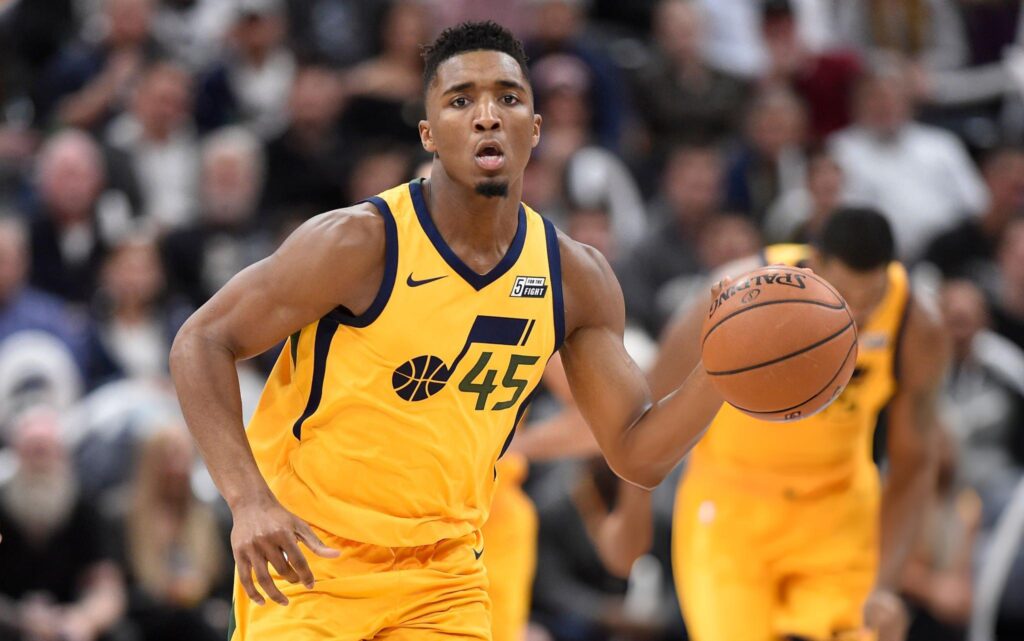
Donovan Mitchell’s rookie season made this list because it came with winning attached to it, not just points. He averaged 20.5 points, 3.7 rebounds, and 3.7 assists in 79 games, and he was immediately the Jazz’s lead scorer.
That Jazz team finished 48-34 and fifth in the West, which is a big deal for a rookie guard season. Rookie scorers usually live on bad teams where they can take 18 shots, and nobody cares. Mitchell was doing it on a playoff team with real stakes and a clear identity. The Jazz were also built around defense, finishing first in opponent points per game, so the offense needed someone who could create when the game slowed down. Mitchell became that guy fast.
The efficiency was solid for the difficulty. He shot 43.7% from the field and 34.0% from three, and he got to the line enough to keep his scoring stable. And he wasn’t just a volume chucker. The Jazz asked him to run pick-and-roll, attack switches, and take late-clock shots as a rookie. That is why his scoring felt like real star creation, not just “rookie green light.”
There’s also a reason that season still gets referenced in rookie debates. As an All-Rookie First-Team member (losing out on the ROTY award to Ben Simmons), Mitchell led a 45-plus win team in scoring, which basically explains the whole case in one sentence: points that mattered, on a team that was good.
In a list like this, Mitchell lands at No. 4 because he combined 20.5 a night with playoff-level pressure, and he looked like an NBA primary scorer immediately.
3. Luka Doncic (2018-19) – 21.2 PPG
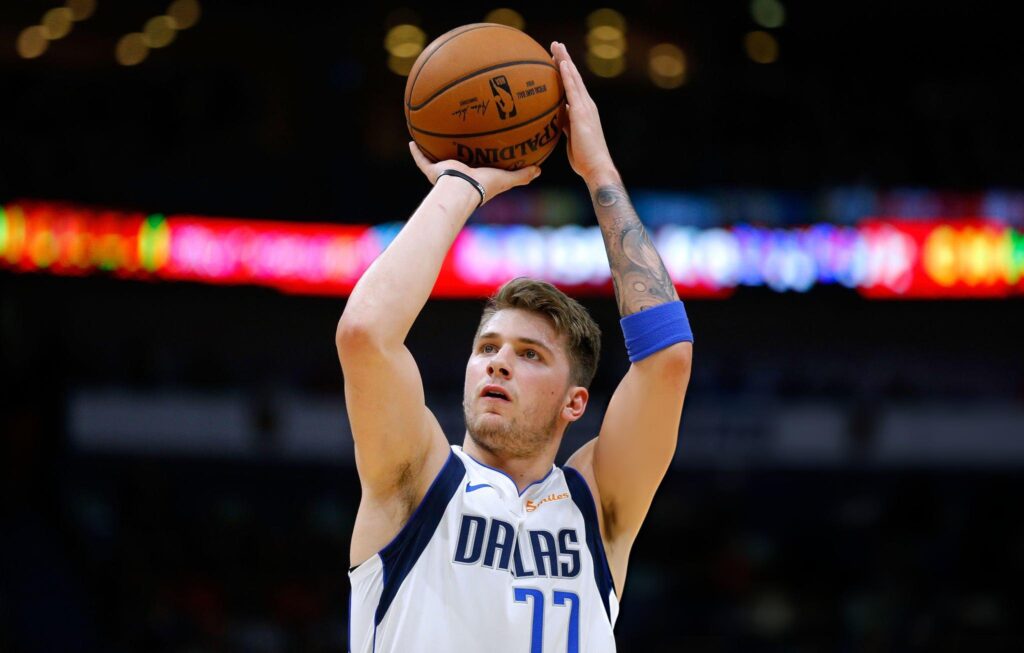
Luka Doncic’s rookie year is still one of the cleanest “future superstar arrived early” seasons of the last decade. He averaged 21.2 points, 7.8 rebounds, and 6.0 assists in 72 games. That is not a normal rookie stat line. That is a full offense profile, already.
What makes it even more impressive is the role. Doncic wasn’t playing off a veteran point guard and getting spoon-fed shots. He was creating advantages himself, running pick-and-roll, getting to step-backs late in the clock, and making the kind of cross-court reads that most rookies do not even try. NBA.com called him a “model of consistency” that season, and the numbers match that idea: high usage, strong passing volume, and steady production across the full year.
The Mavericks were not good. They finished 33-49 and 14th in the West, which is why this season often gets framed as individual brilliance inside a rebuild in Dirk Nowitzki’s last season. But that team context also helps explain the scoring. Defenses could load up on him because the Mavericks were still building their roster around him. He still put up 21.2 a night anyway.
The efficiency looks like a rookie creator’s profile: 42.7% from the field, 32.7% from three, 71.3% at the line. It’s not pretty, but it’s honest. Those are hard shots, and a lot of them came late in possessions. The bigger takeaway is that the scoring came with real playmaking and rebounding, which is why the season felt bigger than just points.
If you’re ranking rookie scoring seasons by points per game, Doncic is top three for a reason. He wasn’t only scoring. He was already bending the game around him.
2. Victor Wembanyama (2023-24) – 21.4 PPG
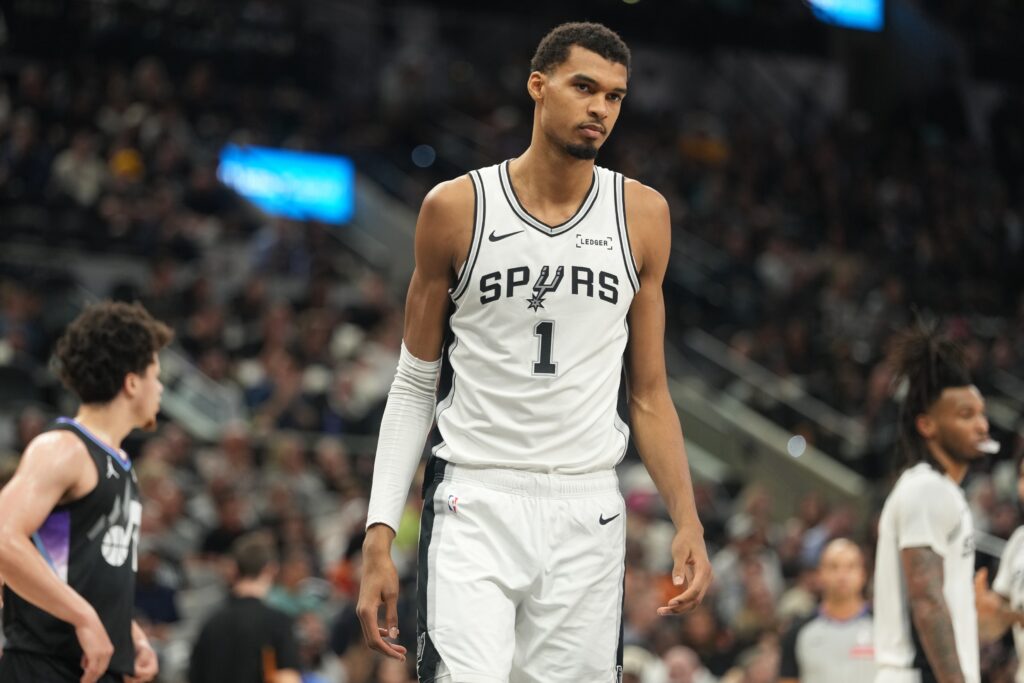
Victor Wembanyama’s rookie season is why this list exists. He didn’t just score. He scored while also looking like a full defense by himself.
Wembanyama averaged 21.4 points, 10.6 rebounds, 3.9 assists, and 3.6 blocks in 71 games. He also added 1.2 steals, which tells you how active he was outside the paint, not just as a rim protector.
The Spurs were not a good team, finishing 22-60, and that matters for context. This was not “easy points on a contender.” He was getting the full rookie experience: scouting reports, double teams, and opponents testing him physically every night.
What makes his scoring stand out is that it came with a real two-way impact. Most high-PPG rookies are guards who get a huge usage rate on a bad team. Wembanyama was a high-usage option and the entire defensive identity at the same time. That’s rare. The blocks number (3.6) isn’t just stat padding, either. It changes where teams even try to shoot from.
He also won Rookie of the Year, which fits the “no debate” feel of that season. When a rookie averages 21.4 and 10.6 while leading the league’s newcomers in blocks by a mile, it stops being a normal rookie scoring year and becomes a historic one.
In a pure points-per-game ranking, he sits No. 2 for the last 10 seasons. But the bigger takeaway is that his points were never the only headline. The scoring was just the entry point to a season that looked like a superstar arriving early.
1. Zion Williamson (2019-20) – 22.5 PPG
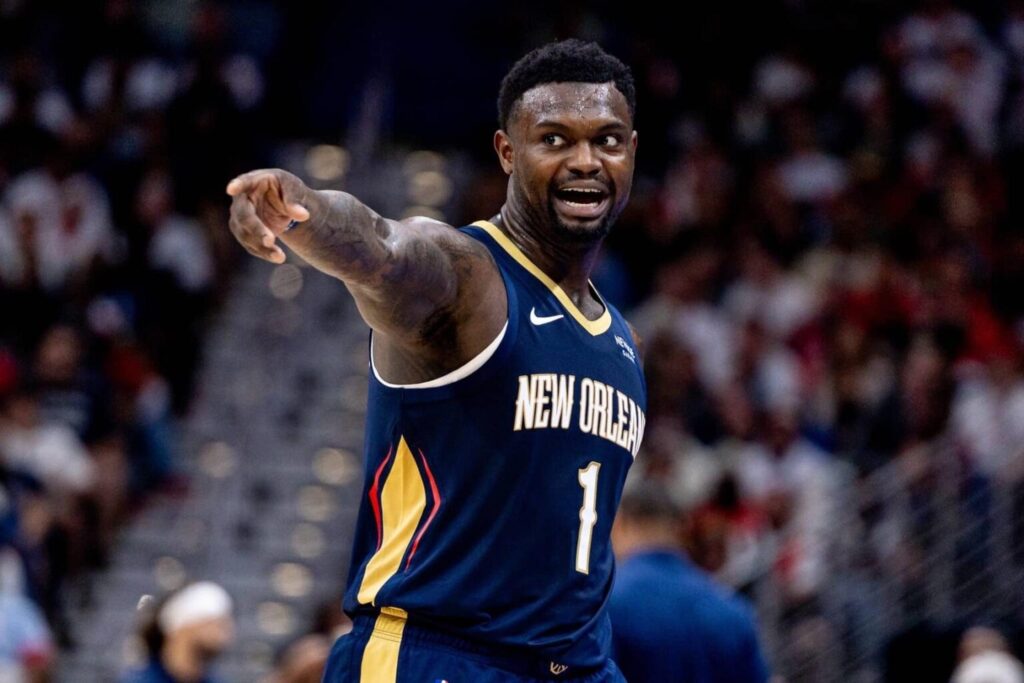
Zion Williamson is No. 1 on this list because his rookie scoring average was simply ridiculous. He averaged 22.5 points per game as a rookie, with 6.3 rebounds and 2.1 assists, while shooting 58.3% from the field.
There’s an obvious caveat: he played only 24 games. That’s the trade-off with Zion’s rookie season. The production was top-of-the-decade, but the sample was small because he missed the start of the year after right knee surgery to repair a torn meniscus. He didn’t make his regular-season debut until January 22 against the Spurs, where he scored 22 points and added 7 rebounds, but even after that, he was handled carefully.
Still, when he played, the scoring was real, and it translated immediately. Zion’s points weren’t built on jumpers or hot shooting luck. They were built on paint pressure: power finishes, quick second jumps, and constant rim attacks. That’s why the field-goal percentage was so high for a rookie with that kind of volume.
The Pelicans went 30-42 that season, which is respectable for a team that didn’t have Zion available for most of the year. Even in the bubble stretch, his year ended with knee soreness that kept him out at the end, which fits the overall theme: dominance, interrupted by health.
So yes, the asterisk is the games played. But if we’re ranking rookie scoring averages from the last 10 seasons, 22.5 per game is still the top line.