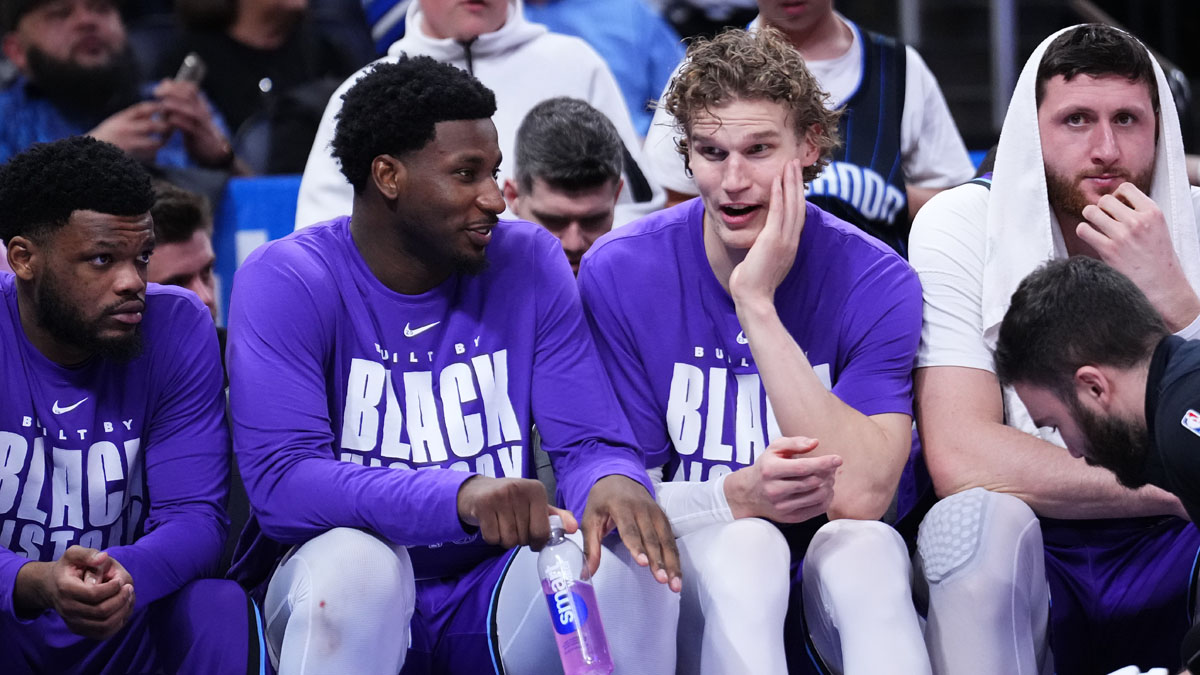
The NBA’s tanking issue has arguably been one of the most pressing concerns for the league this season. With teams such as the Utah Jazz and the Indiana Pacers facing backlash for blatantly losing games to secure a favorable position in the upcoming draft, NBA Commissioner Adam Silver has been forced to take drastic measures.
While there are several possible solutions to the league’s prevalent tanking problem, there are only a few that can be implemented. On that note, ESPN analyst Bobby Marks recently broke down how the NBA could take a realistic approach toward solving this issue.
“I think the short term is that teams will continue to get fined, and, as the Commissioner said, they will look into docking draft picks, whether it be second-round picks or maybe even first-round picks,” Marks shared. “When you are a billionaire owner, you can pay that fine. But when you start taking away roster resources, that hits a little bit at home.”
“I think we are going to get a wave of proposals from teams here, where it could be: Do we freeze the standings after the All-Star break? Do we reward teams for winning, basically boosting their chances to get a better pick depending on where they are in the standings here? So I’m looking at a possible radical overhaul.”
Marks also added that a possible change in pick protections may also be implemented, stating that teams may only be able to apply protections to top-14 picks instead of top-8, as is common practice.
Overall, docking draft picks may be the most feasible approach to address tanking, primarily since it becomes counterintuitive for teams to embrace losing if there is no reward for it. However, this may also come with its own set of challenges.
The Challenges With Addressing The Tanking Problem
Marks’ report suggests that some major changes could be on the horizon regarding the NBA’s policies toward tanking. However, there are bound to be obstacles along the way. ESPN’s Brian Windhorst addressed the potential roadblocks in this process by adding:
“There’s a couple of things people need to realize before they submit their genius proposal. No. 1, the value of a star player in basketball is bigger than in other sports. Shohei Ohtani hits and pitches, doesn’t play defense, but even he can’t impact the game the way a star player does. So, getting those star players is so important.”
“Secondly, the NBA is socialism. The rich teams share money with the non-rich teams. The teams that are winning give the teams that are losing a better draft position. These are cornerstones of the league; they will not change.”
Windhorst continued by emphasizing how data and revenue remain driving forces behind all decision-making processes in the NBA. If teams can see the merit in improving their odds even by a small amount, they are likely to embrace tanking. Similarly, if a decision to continue competing negatively affects the team’s revenue generation, it is unlikely to hold.
Aside from these four factors, Windhorst also presented how the NBA’s potential expansion plans could also affect revenue, effectively making tanking a more favorable approach for teams in a losing position.
While fines and other penalties may seem suitable at the moment, tanking in the NBA remains a prevalent issue. Although radical change seems necessary, when considering these parameters, finding a rational and functional solution poses a challenge.