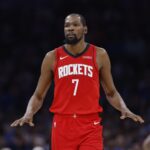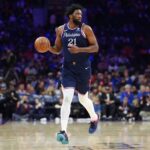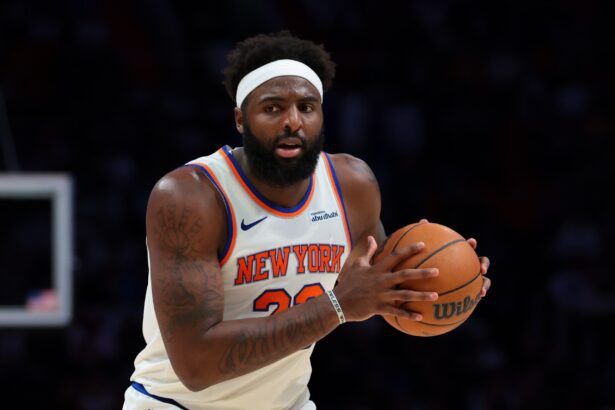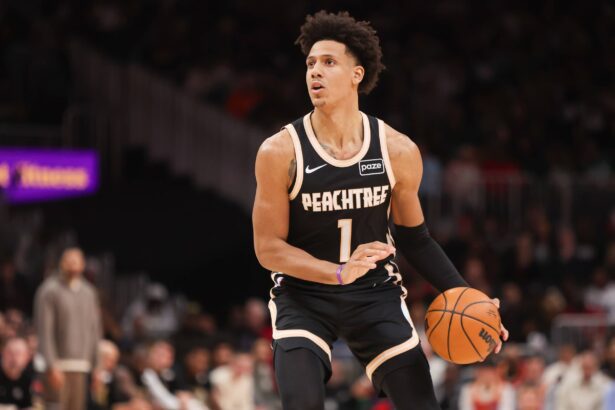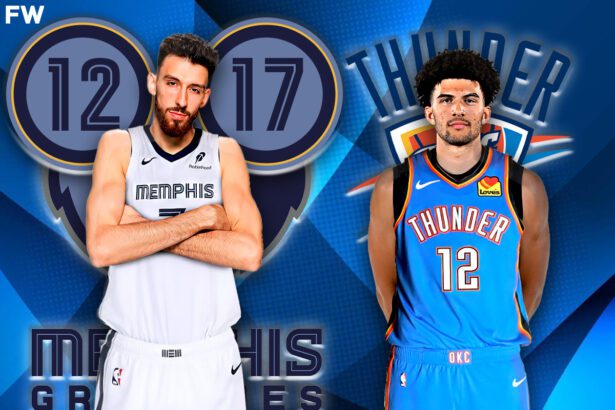
The Rookie of the Year race is very close entering the final week of the regular season. Cooper Flagg and Kon Knueppel have separated themselves from the rest of the class, and both have a real argument for the award. Flagg has the stronger all-around case. He is averaging 20.3 points, 6.6 rebounds, and 4.5 assists, and his impact has been strong on both ends of the floor. Knueppel has also been excellent, putting up 18.8 points, 5.4 rebounds, and 3.4 assists while giving his team steady scoring and shot-making.
That is why this race feels so tight right now. Knueppel has made a real push late in the season, but Flagg still looks like the rookie with the best full body of work. The scoring, the versatility, and the two-way value still give him a small edge going into the final days.
We’ve already done our MVP Ladder previously. We followed with our Coach of the Year ranking, then the Sixth Man of the Year race and the Most Improved Player standings. Here are our latest Rookie of the Year power rankings.
10. Tre Johnson
2025-26 Stats: 12.3 PPG, 2.8 RPG, 2.0 APG, 0.6 SPG, 0.3 BPG, 42.2% FG, 36.0% 3P
Tre Johnson opens this list with an impressive scoring talent, even if the full Rookie of the Year case is not strong enough to push him much higher. On a Wizards team that is 17-57, his season has been harder to sell in award conversations because the team context is weak and the role has changed a lot during the year. Still, 12.3 points per game as a rookie wing, with 36.0% from three and 87.4% from the line, is a solid base. The shot-making is there, and that is the part of his game that keeps him in this race at all.
What helps Johnson is that his role clearly grew as the season moved forward. Early in the year, he was more of a limited-minute scorer. In October, he averaged 13.8 points in 26.8 minutes, then in November, he dropped to 10.4 points in just 22.9 minutes. Later, the opportunity got bigger. ESPN noted in late January that Johnson had not played more than 29 minutes in a game before the Wizards traded CJ McCollum and Corey Kispert, but after that, he started logging 30-plus minute games and larger shot volume. As a potential long-term backcourt partner for Trae Young, his established presence now says a lot about how the team sees him.
That is why he belongs at No. 10. He is not as complete as the rookies above him, and the efficiency is still only decent, not great. But the skill that usually translates first for young guards and wings is perimeter scoring, and Johnson already has that. The Wizards are giving him real room to grow, and he has done enough to stay on the edge of this top 10 even without the stronger all-around profile or team success that the other names above him can offer.
9. Ryan Kalkbrenner
2025-26 Stats: 7.7 PPG, 5.5 RPG, 0.8 APG, 0.5 SPG, 1.4 BPG, 75.1% FG, 0.0% 3P
Ryan Kalkbrenner has been more than surprising as a second-round selection this year. For the Hornets, he has given them 7.7 points, 5.5 rebounds, and 1.4 blocks in 21.5 minutes per game, and the shooting number is the part that jumps off the page. He is at 75.1% from the field, which is elite even for a center living close to the basket. That tells you exactly what his job has been. Set screens, dive hard, finish plays, protect the rim, and do not waste possessions. For a rookie big, that is already a very useful season.
What helps Kalkbrenner is that he has not looked lost in a real rotation. He has played 62 games and started 30 of them, which is a serious workload for a second-round rookie center. The Hornets are 40-36 and still alive in the East race, so these are not empty developmental minutes on a team going nowhere. He has been part of a group that has actually pushed for games with meaning late in the season. That matters in this kind of ranking. A rookie center who can stay on the floor, protect the paint, and finish at that rate deserves real credit.
The reason he is ninth and not higher is simple. The offensive load is too small compared with the rookies above him. He is not creating shots, he is not carrying bench units, and he is not putting pressure on defenses in the same way guards and wings on this list do. Over his last 10 games, he is down to 7.1 points and 3.7 rebounds, so the late push has not been huge either. But the season still deserves recognition. Kalkbrenner came in as an older rookie, accepted a narrow role, and became a useful NBA big right away. That may not be enough to threaten the top of this race, but it is enough to keep him inside the top 10.
8. Jeremiah Fears
2025-26 Stats: 13.0 PPG, 3.6 RPG, 3.2 APG, 1.1 SPG, 0.3 BPG, 42.9% FG, 33.3% 3P
Jeremiah Fears lands at No. 8 because the scoring load has been real from day one, even if the efficiency still looks like a rookie guard learning on the job. He is giving the Pelicans 13.0 points, 3.6 rebounds, and 3.2 assists in 24.9 minutes per game, and that matters because this has not been a protected role. He has played 75 games, started 45 of them, and had to create offense on a Pelicans team that is 25-51, 12th in the West, and already eliminated from playoff contention.
The case for Fears is simple. He has real shot creation talent. For a rookie guard, getting to 13 points per game with over three assists and more than one steal is a solid base, especially on a team that has not given him much structure. The shooting numbers are still mixed at 42.9% from the field and 33.3% from three, and that is why he is not higher. Too many possessions still end with hard pull-ups or rushed drives, and the efficiency has not fully caught up yet. But the offensive burden has been bigger than the one most rookies in this range have had to handle.
There is also a clear developmental point here. Fears has not faded late in the season. After the All-Star break, he is averaging 12.4 points and 3.8 assists, and the three-point percentage has gone up to 35.5% in that stretch. Over his last 10 games, he is at about 12 points and 3.2 assists. That is not a huge late surge, but it shows he is still producing and still growing into the role.
That is why he belongs in the top 10. He is not as efficient or as polished as the rookies above him, but the talent is obvious. The Pelicans have asked him to do real guard work as a teenager, and he has done enough to stay firmly in this race.
7. Derik Queen
2025-26 Stats: 11.4 PPG, 6.8 RPG, 3.6 APG, 0.9 SPG, 0.9 BPG, 47.5% FG, 27.5% 3P
Derik Queen has shown one of the most versatile skill sets in this rookie class. He already looks like one of these new-age bigs who can handle the ball, score from different spots, and create for others with real feel. The flashes are there all over his season. He is averaging 11.4 points, 6.8 rebounds, and 3.6 assists, and that playmaking number is the clearest sign of how advanced his floor vision already is for a rookie center.
That is the appeal with him. He is not just a finisher around the rim. He can catch at the elbow, read the floor, hit cutters, and make the extra pass quickly. For a rookie big, that kind of processing speed matters. The defense is still mixed, but 0.9 steals and 0.9 blocks per game show there is at least some activity on that end, too. He has also handled a real workload, with 75 games played and over 24 minutes a night. That is a serious first season.
Queen is not higher since the late push has cooled off. Over his last 20 games, he is down to 9.1 points, 5.8 rebounds, and 2.2 assists. Over his last 15, that drops to 8.4 points, 5.3 rebounds, and 2.5 assists. The post-All-Star split also shows the dip clearly: 9.1 points and 5.7 rebounds after the break, compared with 12.2 points and 7.2 rebounds before it. So the full-season case is better than the recent one.
Still, Queen has done enough to stay ahead of the lower tier. The shot is not there yet from deep, and the efficiency is only decent, but the all-around offensive talent is obvious. Among the rookie bigs in this class, few have shown this much touch, passing feel, and versatility this early.
6. Cedric Coward
2025-26 Stats: 13.3 PPG, 6.1 RPG, 2.8 APG, 0.6 SPG, 0.4 BPG, 46.4% FG, 33.3% 3P
Cedric Coward has had one of the steadiest rookie seasons in this class. He is at 13.3 points, 6.1 rebounds, and 2.8 assists in 58 games, which is a strong line for a wing on a Grizzlies team that has asked him to do real rotation work. The appeal with Coward is that the profile is balanced. He rebounds well for his position, he can make the next pass, and he does not need a huge usage rate to impact the game. That is why he has stayed in this race for most of the season.
The early and midseason stretch gave him real momentum. In mid-January, NBA.com had him fifth in the Rookie Ladder and noted that he averaged 17.0 points and 8.5 rebounds over one strong week while shooting 46.2% from three. By late January, he had climbed to fourth in that ranking. That rise made sense. Coward looked like one of the most complete rookie wings outside the top tier, and the production was steady enough to hold real weight.
The issue is that the push slowed down. NBA.com noted in early March that he had missed seven games after the All-Star break with a sore right knee, and last week he slipped again after missing more time for personal reasons. The late-season run has been solid, not strong enough to move him higher. Over his last 20 games, he is averaging 12.5 points, 5.3 rebounds, and 2.8 assists, which is fine but not the kind of closing stretch that changes a ballot.
There are still flashes that show why he belongs at No. 6. He scored 24 points in the Grizzlies’ win over the Bulls on Saturday, and he has had several games this season where the scoring, rebounding, and all-around wing play came together. That is the real case with Coward. He may not have the ceiling or headline value of the rookies above him, but he has looked like a legitimate NBA wing from the start, and that has real value in this race.
5. Ace Bailey
2025-26 Stats: 13.5 PPG, 4.1 RPG, 1.8 APG, 0.8 SPG, 0.7 BPG, 44.5% FG, 35.7% 3P
Ace Bailey has been the most explosive late riser in this class. The full-season numbers are already solid for a rookie wing, but the stronger argument starts with the second half of the year. Over his last 15 games, Bailey has averaged 19.1 points, 5.1 rebounds, and 2.1 assists. After the All-Star break, he has led all rookies in scoring at 19.4 points per game. That jump is the reason he is this high. The talent was obvious early. The production is catching up now.
The scoring growth has been real for a while. Bailey started slowly in October at just 4.4 points per game in 17.0 minutes, then settled into a much larger role. By January, he was up to 13.8 points per game, and the recent stretch has pushed the case further. He is at 15.1 points, 4.4 rebounds, and 1.9 assists in 56 games as a starter, which gives a cleaner picture of what he has looked like once the Jazz fully committed to him.
The flashes have been loud, too. He poured a 32-point game in the win over the Wizards on March 6 and then a 33-point night with seven threes in the win over the Bucks on March 20. Those are not random 20-point outings. Those are games where the shot-making ceiling looked very real. At 6-foot-9, with pull-up range and the ability to shoot over contests, Bailey already has the scoring profile teams usually spend years trying to build.
Bailey’s all-around game still trails the top group. The assist number is low, the handle can still get loose, and the season-long consistency is not at the same level as the rookies above him. The Jazz are also just 21-53, so there has not been much team context helping his case. Still, among the rookies outside the top four, Bailey may have the most dangerous scoring upside, and his late push has been strong enough to put real pressure on the players ahead of him.
4. Dylan Harper
2025-26 Stats: 11.6 PPG, 3.4 RPG, 3.8 APG, 0.8 SPG, 0.3 BPG, 49.9% FG, 32.5% 3P
Dylan Harper has a strong case this high on the list, even without the same scoring volume as some of the rookies above and below him. The context is different. He is averaging 11.6 points, 3.8 assists, and 3.4 rebounds in only 22.3 minutes per game, and he is doing it on a Spurs team that has spent the entire season dominating at the top of the West. That matters in this race. Harper is not putting numbers on a team giving away possessions. He is producing inside a real structure, with real pressure, and that makes his season more impressive than the raw box score first suggests.
What stands out most is how controlled his game already looks. He is shooting 49.9% from the field, which is a very strong mark for a rookie guard, and the ball protection has also been excellent. Harper has the best assist-to-turnover ratio among rookies at 2.76, which lines up with what the tape shows. He gets into the paint, makes simple reads, and does not force the game. He is not a flashy passer every trip, but he keeps the offense clean and helps the ball move. For a rookie on a winning team, that carries real weight.
There is also a good late-season push behind the ranking. Harper matched his career high with 24 points in his first NBA start against the Pacers on March 22, then followed that stretch with 21 points and six assists against the Heat on March 23. Three nights ago, he added 14 points on 6-of-8 shooting in a blowout win over the Bucks. Those are not huge superstar numbers, but they show a rookie guard who is becoming more comfortable and more useful as the games get bigger.
He remains out of the top three due to the lower role compared to the main candidates. The three-point shot is still only at 32.5%, and the total scoring volume is lower than the bigger names in this race. But the full season still looks very strong. Harper missed time early with a calf strain, came back, earned minutes on a loaded Spurs team, and has given them efficient scoring, passing, and calm decision-making. That is a serious rookie season, even if it has been quieter than some of the louder cases above him.
3. VJ Edgecombe
2025-26 Stats: 16.0 PPG, 5.6 RPG, 4.0 APG, 1.4 SPG, 0.5 BPG, 43.6% FG, 36.0% 3P
VJ Edgecombe has looked like one of the most complete rookies in this class for a long time now. The scoring is strong at 16.0 points per game. The rebounding is good for a guard at 5.6 a night. The playmaking has also been real at 4.0 assists, and he is still leading all rookies in steals at 1.4 per game. That full stat line is why he belongs in the top three. He is not just a scorer getting hot on a bad team. He is producing in several areas for a Sixers group that is 41-34 and still fighting in the East playoff race.
What makes Edgecombe’s case stronger is the role. He has had to carry real offensive responsibility at different points of the year, especially when injuries hit the roster. He made history in his debut, pouring 34 points in his first-ever NBA game. In early March, he was already one of only three rookies averaging at least 15 points, five rebounds, and three assists per game. That is big for his case. It shows his season has not been built on one hot stretch. The workload has been there, and the production has stayed serious.
The recent push has been strong, too. Over his last 20 games, Edgecombe is averaging 18.6 points, 6.1 rebounds, and 3.7 assists. In his last 15, he is on 19.2 points, 6.1 rebounds, and 4.3 assists. The best example came on March 20, when he exploded for a career-high 38 points and 11 assists against the Kings. That is the kind of game that can change how people see a rookie race late in the season.
What keeps Edgecombe just outside the top two is not a weak case. It is the level of the two names above him. Flagg has the strongest two-way profile in the class, and Knueppel has built a very strong offensive season from start to finish. Edgecombe is right there after them, with a better argument than almost anyone else in the field. The scoring jump has been real, the defensive playmaking stands out, and his all-around production has stayed strong deep into the season. If this race had a clear top tier, Edgecombe would be in it.
2. Kon Knueppel
2025-26 Stats: 18.8 PPG, 5.4 RPG, 3.4 APG, 0.7 SPG, 0.2 BPG, 48.3% FG, 43.3% 3P
Kon Knueppel has built the cleanest offensive rookie season in this class. He is scoring 18.8 points per game on 48.3% from the field and 43.3% from three, and that level of shooting volume is what separates him from almost every other first-year player. Knueppel is not just a floor spacer standing in the corner. He is taking 8.0 threes per game, making 3.5 of them, and still keeping his overall efficiency high. That is why his case has stayed so strong all year.
The shape of the season also helps him. This has not been one big hot streak. He has been productive from the start, and the numbers after the All-Star break stayed strong at 19.1 points, 5.1 rebounds, and 3.1 assists per game, with 44.0% shooting from three in that stretch. Over his last 15 games, he is still around 18 points, 5 rebounds, and 3 assists, so the late push has been there too.
There have also been some real statement games. On January 29, he scored a career-high 34 points in a thriller against the Mavericks and poured 33 on the Cavaliers, Bulls, and Bucks later. On February 27, he scored 28 points and hit eight threes against the Pacers, setting a new NBA rookie single-season record for made threes with his 209th of the year. Then on March 27, he went for 26 points, 11 rebounds, and eight assists in a win over the Knicks. Those are the kind of games that push a rookie into the center of this race. They show shot-making, but also a more complete offensive package than many people expected from him entering the season.
What keeps Knueppel at No. 2 is that Flagg still has the stronger all-around profile. But if the argument is about pure offensive polish, shooting gravity, and night-to-night scoring efficiency, Knueppel has a real claim to the top spot. He has given the Hornets one of the best rookie shooting seasons the league has seen, and that alone makes him a very serious Rookie of the Year candidate.
1. Cooper Flagg
2025-26 Stats: 20.3 PPG, 6.5 RPG, 4.6 APG, 1.2 SPG, 0.9 BPG, 47.0% FG, 28.2% 3P
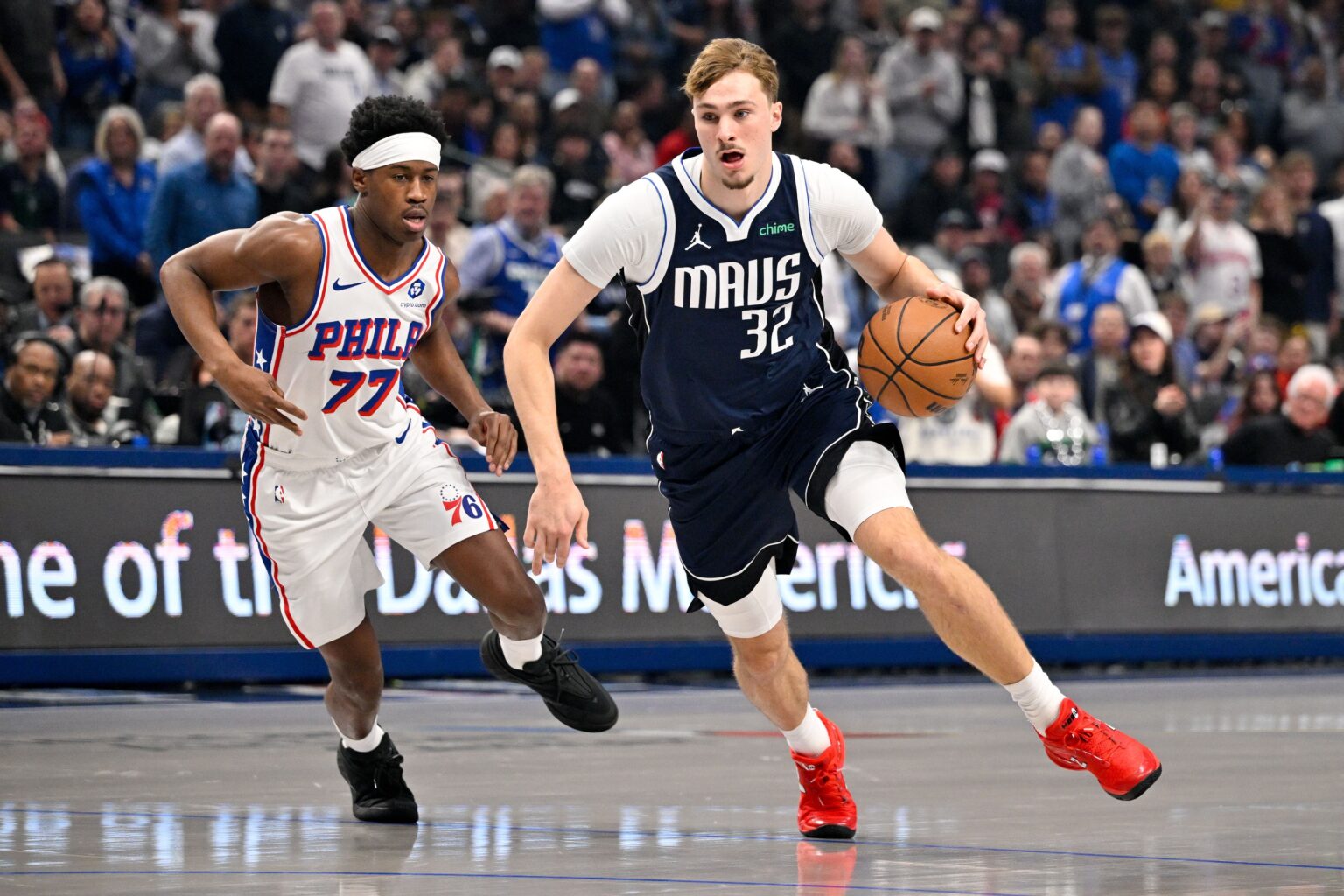
Cooper Flagg is still No. 1 in this race. The strongest point in his case is the full picture. He is leading all rookies in scoring at 20.3 points per game, he is first among rookies in assists at 4.6, and he is doing that while also giving you 6.5 rebounds, 1.2 steals, and 0.9 blocks. That is not a one-dimensional rookie season. It is a first-year player carrying real offensive responsibility while still making plays on defense and filling the box score in almost every category. Among the top candidates, nobody has matched that total workload as cleanly from start to finish.
The team context is not helping him the way it helps some other rookies. The Mavericks are just 24-52 after Tuesday’s loss to the Bucks, and they have dropped seven of their last eight games. That part is real. But it also means Flagg has had to create more offense than most rookies near the top of this list. Flagg had to spend much of the season playing full-time point guard, and that matters when you look at the shape of his year. He has not been hidden in a small role. He has been asked to run offense, score, create for others, and carry a heavy load on a team that has had a rough year.
The second half of the season also keeps him in front. In his last 20 games, Flagg is averaging 22.1 points, 6.9 rebounds, and 5.5 assists. Over his last 15, he is at 20.6 points, 6.4 rebounds, and 6.0 assists. That recent stretch shows this is not a player fading late. The scoring is still there, and the playmaking has become even more important. Since January, he has averaged 20.8 points, 7.2 rebounds, and 4.5 assists, which fits the eye test too: he has looked more comfortable handling the game as the season moved along.
Flagg scored 49 points on Knueppel’s Hornets on January 29, and that showdown almost looked like an award decider. But the main part was not his scoring number, but how easily he surpassed his previous 42-point mark from December 15 against the Jazz. He also dominated his hometown Celtics on March 3 with 36 points, and proved his polished offensive game, scoring 35 on the Clippers, 34 on the Rockets, and 33 against the Nuggets.
Knueppel has a very real case, and his shooting season has been better. But Flagg still has the best overall Rookie of the Year profile. He has the scoring title among rookies, the best passing numbers in the class, and the strongest two-way stat line at the top of the board. If this award is about the most complete rookie season, not just the cleanest scoring efficiency, Flagg should still be first.