The Los Angeles Lakers are adjusting on the fly, and one of their most noticeable changes this January has been the quiet removal of morning shootarounds on game days. It is not about innovation or experimentation. It is about reality. That reality includes a brutal schedule, a compressed calendar, and a 41-year-old superstar who is still carrying a massive load.
Head coach JJ Redick explained the decision candidly:
“Every time the schedule comes out and you look at it, you say, ‘Oh, this little stretch is going to be nice.’ But the catch is, you’re going to make it up with a brutal stretch somewhere else. And I think with the Cup, we’ve seen that now for the last three years. There are certain teams that deal with it either right after the Cup or, in our case, in January. Last year for us, it was March. I think we had 17 or 18 games in March. That was our toughest month.”
“This is generally our toughest month from a game standpoint too. We were front-loaded to start the season, then things evened out, and now we’re front-loaded again. So for us, it’s about how you deal with it. It’s about reading the team.”
“We made the decision about 12 or 13 days ago that we weren’t going to do morning shootarounds anymore. Part of that thought process was simple: we have a 41-year-old who shouldn’t be on his feet twice a day. Let’s only rev the engine once. The other part was just reading our personnel. What are we actually getting out of shootaround based on who’s on our team? That’s just the reality.”
“I’ve been on a number of teams that made that decision halfway through a season. In Philly, for example, after the first month or month and a half, we always met at the arena. That was good for Joel. It was good for our star player to not have to wake up at 8 a.m., drive in, get to the facility, and do all that.”
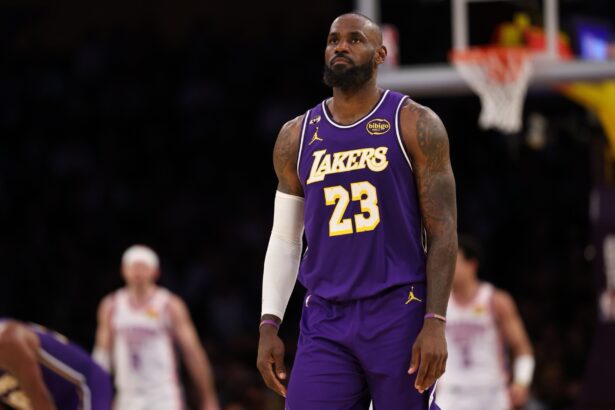
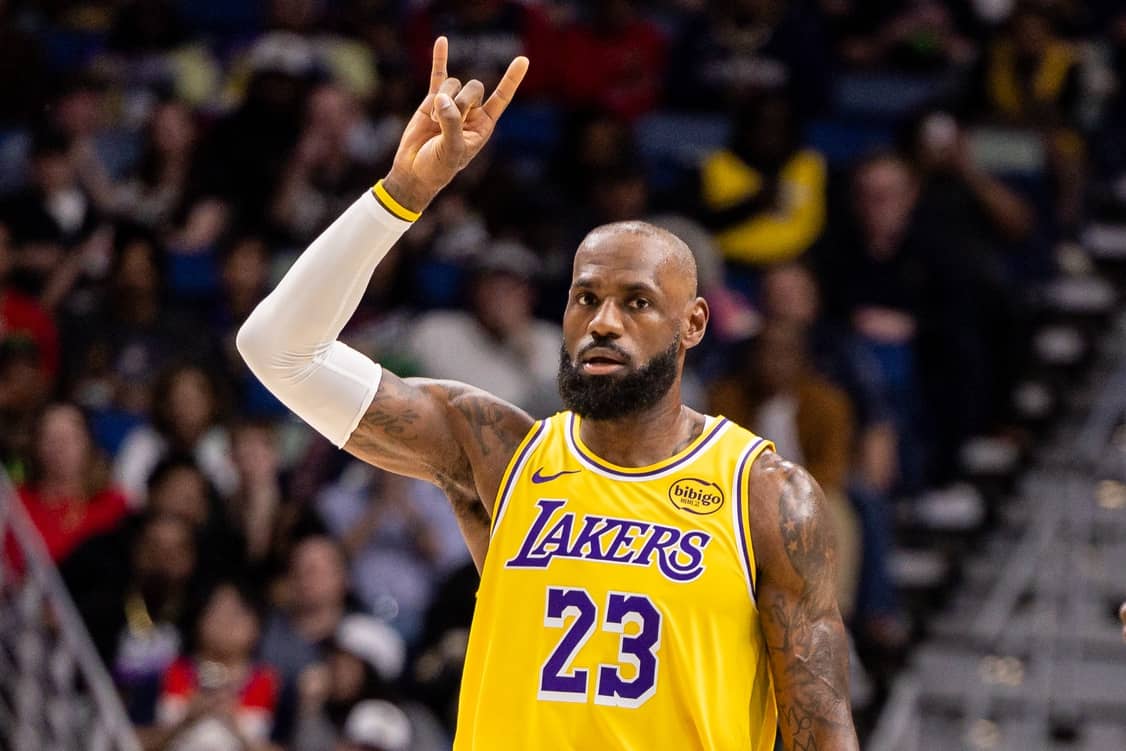
The timing lines up with what LeBron James is still doing on the floor. Since turning 41 on December 30th, he has averaged 26.0 points, 7.6 assists, 7.4 rebounds, and 1.4 steals while shooting 52.0% from the field. Even after his historic double-digit scoring streak ended on December 4th, he has continued to produce at 25.6 points per game. On the season as a whole, he sits at 21.9 points, 5.6 rebounds, and 6.9 assists on elite efficiency.
Those numbers become even more staggering when you account for the mileage. LeBron has played 59,674 career minutes, the most in NBA history. He is in his 23rd season, also a league record, and has appeared in 1,581 games, second all-time and closing in on Robert Parish, who has appeared in 1,611 games. There is no precedent for this stage of a career. Everything is managed in real time, with feel and feedback mattering more than tradition.
This is not load management for optics or headlines. It is playoff math. The Lakers need LeBron fresh in April and May, not drained in January. With Luka Doncic playing at an elite level and Austin Reaves expected back before the end of the month, the Lakers can afford to think beyond the next game.
The Lakers sit at 23-13, fifth in the West, with five games coming in the next seven days. The schedule is dense, but the direction is clear. They are not chasing January wins at the expense of spring health. They are managing margins, protecting their cornerstone, and accepting that preparation looks different when your leader has already given the league more than anyone ever has.