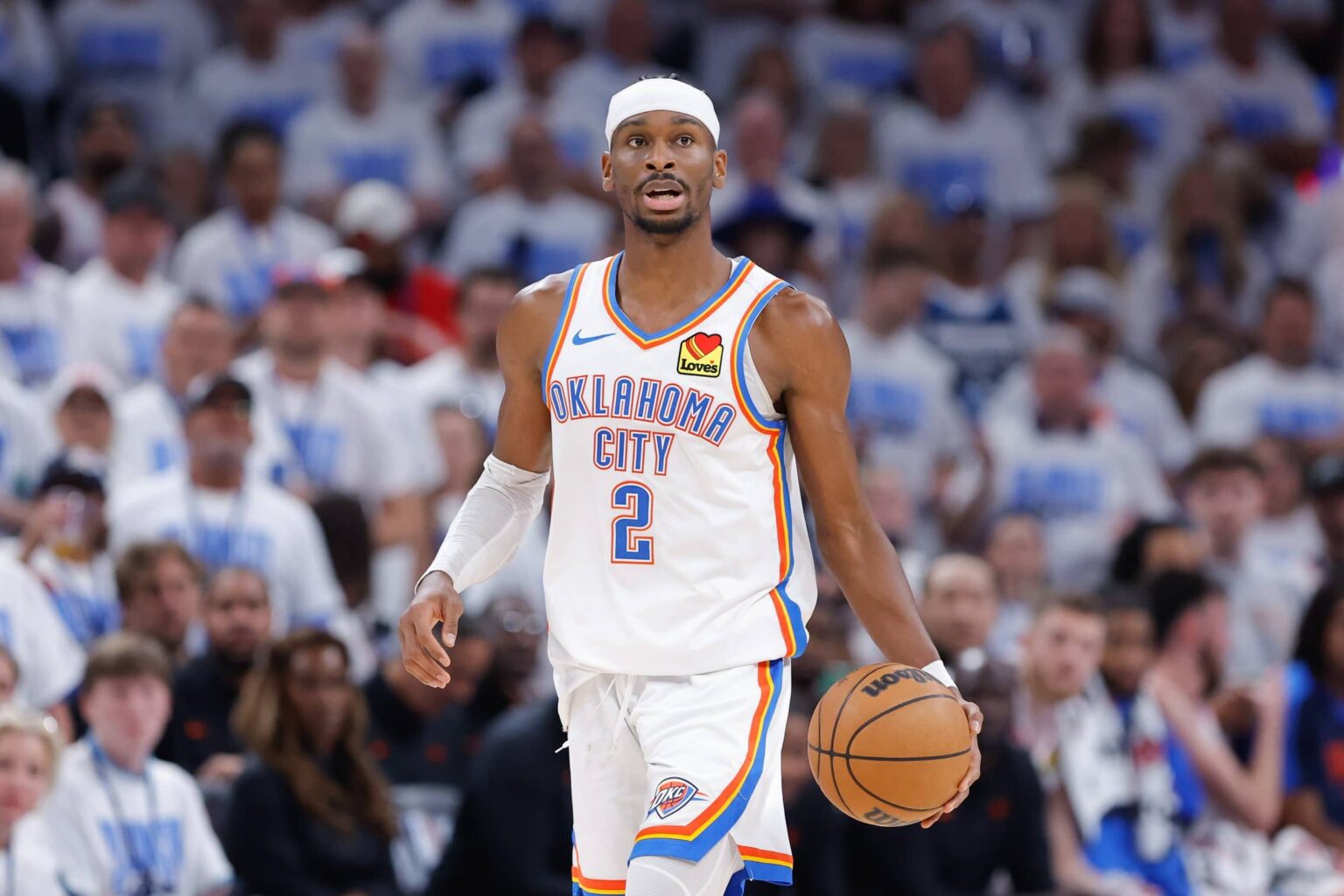
There are big scoring nights, and then there’s what Shai Gilgeous-Alexander just did in this one. In a game that felt like it was constantly teetering on the edge, the Oklahoma City Thunder needed every bit of his brilliance to outlast the Detroit Pistons in overtime.
Detroit threw the first punch, the second punch, and honestly, most of the body blows, but Oklahoma City had the one thing that matters most late: the best player on the floor. SGA’s 47 points, powered by relentless rim pressure and a parade to the free-throw line, ultimately tilted a chaotic, physical game that easily could’ve gone the other way.
1. Shai Gilgeous-Alexander Completely Controlled The Game Late
This wasn’t just a 47-point outing; it was control. SGA finished with 47 points on 12-19 shooting, which is absurd efficiency for that volume. But the real story is how he got there: 21-25 from the free-throw line, scoring nearly half of OKC’s 28 made free throws by himself, and accounting for over 41% of the Thunder’s total points (114).
When the game tightened in the fourth and overtime, every possession felt like it ended the same way – SGA probing, stopping on a dime, drawing contact, and cashing in. Detroit had no answer for his pace or his ability to manipulate defenders in space.
2. Detroit Did A Lot Right, Except Finish The Job At The Line
For a team that shot just 42% from the field, Detroit still had every opportunity to win this game. Why? Volume and extra chances:
- 15 offensive rebounds
- 30 assists on 40 made field goals
- Forced 17 Thunder turnovers
But the game flipped at the free-throw line since the Pistons shot 12-23 (52%) while the Thunder went 28-32 (88%). That’s a +16 point differential at the line in a game that went to overtime. You don’t survive that math, no matter how well you compete elsewhere.
3. The Pistons’ Ball Movement Was Legitimately Impressive
Detroit’s offense was fluid, connected, and at times overwhelming. They finished with 30 assists (to OKC’s 17), five players with 4+ assists, and multiple drive-and-kick sequences leading to 16 made threes (38%).
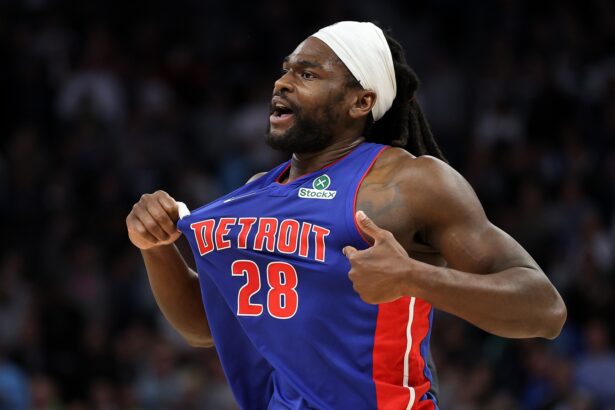
Daniss Jenkins quietly orchestrated much of it with 15 points and 6 assists, while Ausar Thompson added 5 assists, 7 rebounds, and 3 steals, impacting every phase. The ball popped. The reads were quick. For long stretches, Detroit looked like the more cohesive offensive team.
4. OKC’s Supporting Cast Was Uneven, But Made Timely Plays
Outside of SGA, this wasn’t a dominant offensive showing from Oklahoma City. Chet Holmgren had 13 points, 9 rebounds, and 2 blocks, while Ajay Mitchell scored 14 points on 6-6 FT. The bench combined for just 29 total points, and yet, the impact plays mattered: 6 total team blocks, 9 steals, and held Detroit to just 40 points in the paint despite the Pistons’ physicality.
It wasn’t pretty, but OKC consistently strung together defensive stops at the exact moments Detroit needed one more bucket.
5. Physicality, Extra Possessions, And Chaos Defined This Game
This game was messy, physical, and borderline survival.
Detroit dominated the hustle categories:
- +9 rebounding edge (46-42)
- +9 offensive rebound advantage (15-6)
- +13 assist differential
But Oklahoma City countered with efficiency and discipline, shooting 47% from the field vs. Detroit’s 42%, turning those extra possessions into fouls drawn and points at the line, and scoring 15 fast-break points vs. Detroit’s 9. In the end, it came down to this: Detroit created chaos. OKC capitalized on it.