There is an old saying around the league that the Los Angeles Lakers always get an opponent’s full attention. Whether it is stars resting, suddenly becoming available, or role players pushing through injuries, the pattern comes up often enough to spark debate. This week, that conversation flared up again thanks to Herb Jones and a strange stretch surrounding his availability for the New Orleans Pelicans.
Jones missed seven straight games with a sprained right ankle, a stretch that kept him sidelined through multiple matchups. Then, suddenly, he returned for one game. That game just happened to be against the Lakers. After that appearance, Jones missed the next five games in a row. The timing raised eyebrows across the league and only added fuel to the idea that the Lakers tend to draw everyone’s best effort, even when logic suggests caution.
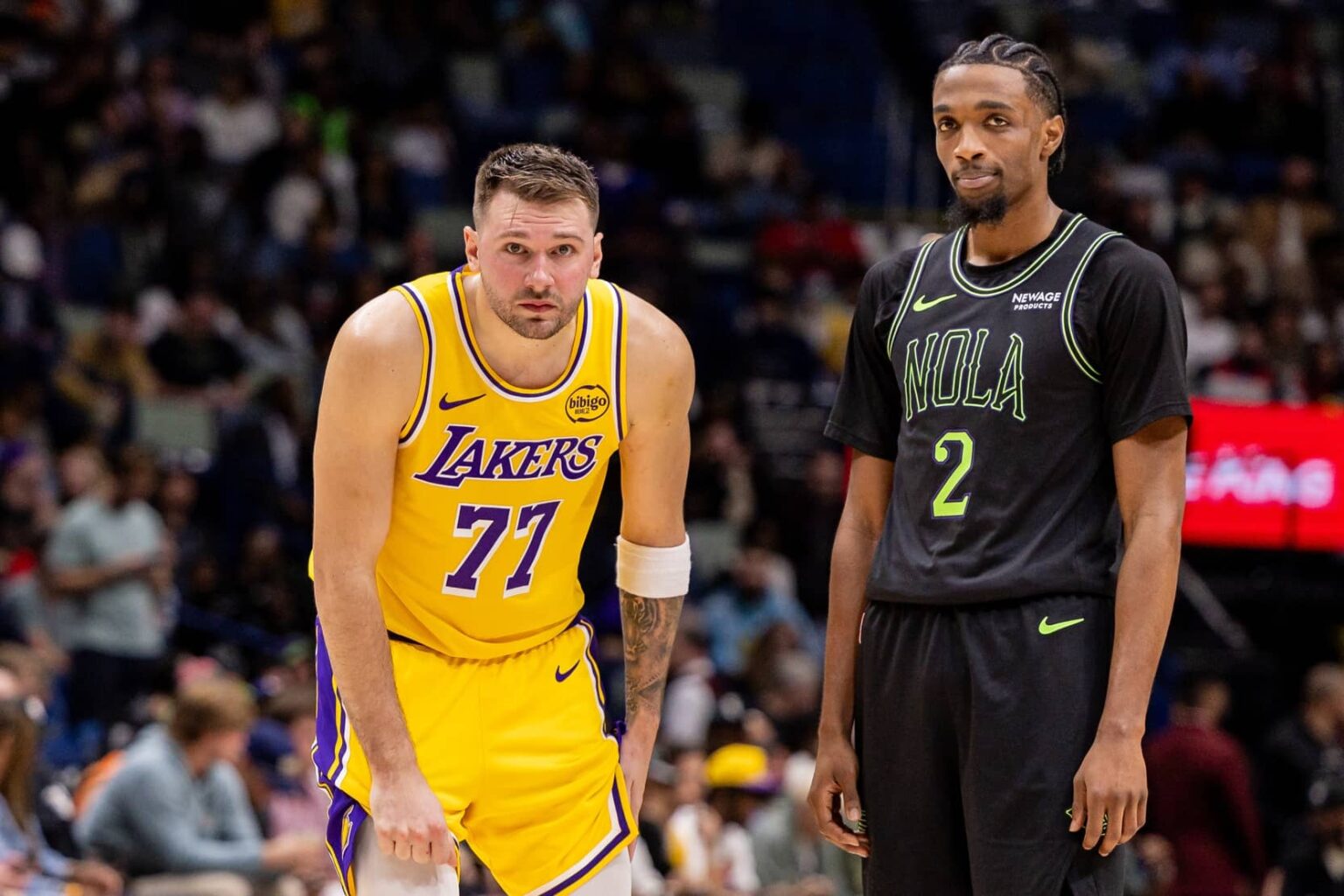
The irony is that Jones’ return did not lead to a signature performance. In the Pelicans’ 111-103 loss to the Lakers, he struggled badly. Jones finished with just three points and three rebounds while shooting 1-9 from the field and 1-6 from three. It was the kind of outing that usually reinforces why teams prefer easing players back rather than rushing them into marquee matchups.
That context makes the decision even more curious. If Jones was not ready to contribute meaningfully, why return specifically for that game? Around the league, there is a belief that Jones wanted to show up against a team heavily linked to him in trade discussions. The Lakers have been monitoring the wing market all season, and Jones is viewed internally by many teams as one of the cleanest defensive fits available.
Jones’ value does not come from scoring. He is averaging just 9.5 points, 3.6 rebounds, and 2.3 assists while shooting 39.4% from the field and 33.3% from three. Offensively, he is limited. Defensively, he is elite. Jones averages 1.6 steals per game, 3.4 deflections, and recovers roughly half of all loose balls he contests. He guards multiple positions, blows up actions before they develop, and consistently takes on the toughest perimeter assignment.
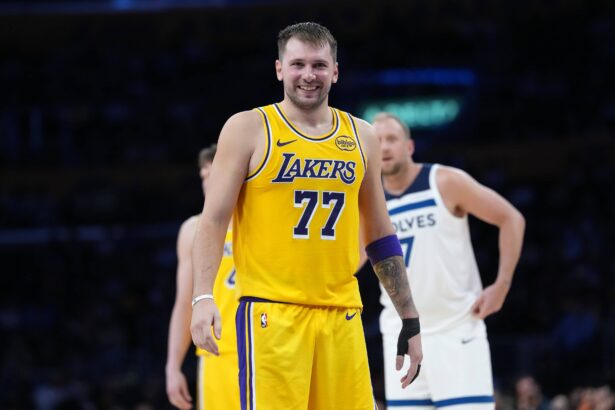
That skill set is exactly what the Lakers need. With Luka Doncic, LeBron James, and Austin Reaves carrying the offense, the Lakers are desperate for long, disciplined defenders who do not need the ball to impact games. Jones fits that mold almost perfectly, which explains why his name continues to circulate in league chatter.
The problem is price. The Pelicans are reportedly asking for two first-round picks in any Jones deal. That is a nonstarter for the Lakers, who simply do not have that level of draft capital available. Their most realistic path involves player-based packages, with Rui Hachimura often mentioned as the outgoing piece that could make sense financially and stylistically.
From New Orleans’ perspective, Jones remains one of their most valuable trade assets. From the Lakers’ side, he is one of the best-fitting wings on the market. That overlap creates speculation, but not necessarily a deal. Jones playing through injury against the Lakers may not have moved negotiations forward, but it did remind everyone why his name keeps coming up.
Even in a rough night, the attention was there. And once again, the Lakers found themselves at the center of a league-wide habit that refuses to go away.