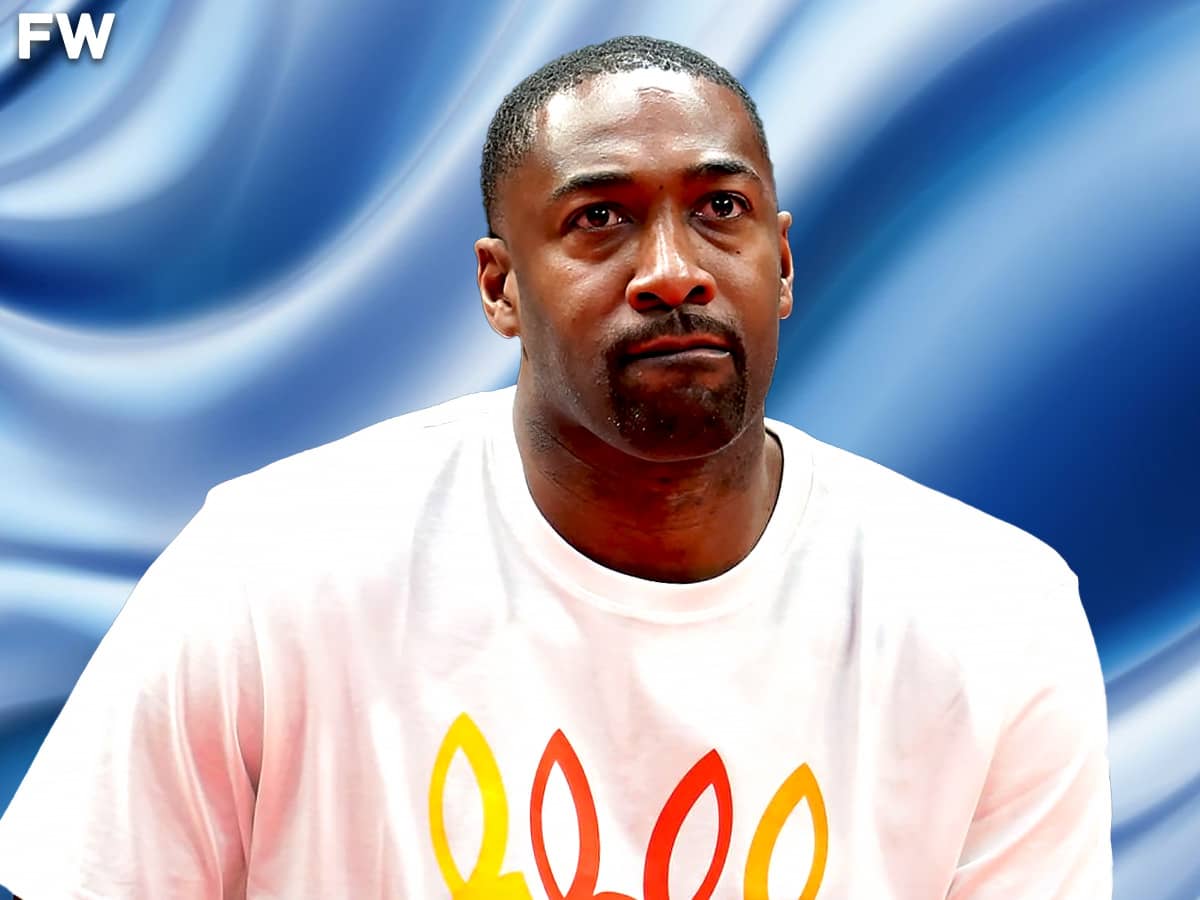
Gilbert Arenas did not hold back when reacting to reports about cost-cutting under new Portland Trail Blazers owner Tom Dundon. His message was direct. If these decisions continue, Portland risks damaging its reputation across the league.
“You’re going to have the next generation of talent begging not to come to Portland. Agents are going to refuse that their players get drafted there. If this is real and it’s getting out, you’re talking about not giving a masseuse a room? That’s improving your team! You pay for it, but you can’t pay the extra $250 to $500 for her to have a room a night? I don’t understand why companies and business people find the cheapest things to get rid of that are so important.”
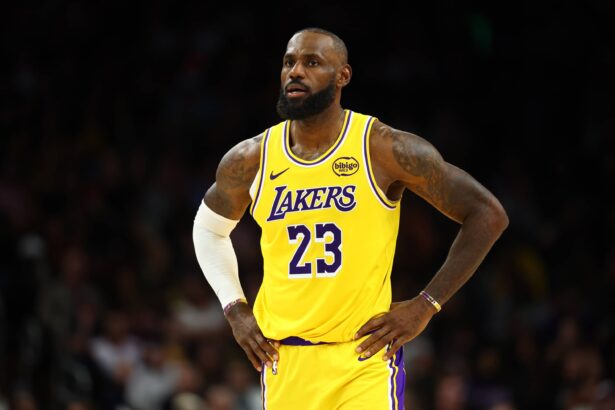
“I’m sorry that I’m going to say it because I don’t want nobody to lose their job; how many individual coaches do you need on the roster? I was looking at the Laker bench; there’s more coaches than players on there! It’s like they took half the s*** up. If y’all don’t get y’all non-worthy asses in the back somewhere! You got seven coaches, and then you got 15 in the back row looking like a damn Wu-Tang show!”
“How many iPads you need? The f*** you need an iPad for when they put it on a jumbotron? Like, you don’t think that we need to review some s***? I don’t need six people… it looks like my house when I was raising my kids. Everybody got an iPad; entertain yourself! That’s what it looks like now. So trying to go cheap on things that are actually needed, when you can cut costs everywhere else.”
Reports indicate that Portland did not travel its two-way players during the playoffs. Around the league, that is standard practice. Even if those players are ineligible to play, teams still include them to build culture and continuity. Portland chose otherwise.
There were also reports of staff being asked to check out of hotels early to avoid late fees. In another case, a team masseuse reportedly was not provided a room. These are not headline expenses, but they impact preparation and recovery. Arenas pointed directly at that point. Cutting small but essential resources hurts performance.
He questioned the logic clearly. Spending millions on roster construction while saving a few hundred dollars on support staff sends the wrong message. Players notice details like this. Agents notice even faster. If word spreads that Portland operates below league standards, it affects draft positioning indirectly.
Another major concern involves coaching investment. Reports suggest Dundon does not want to exceed roughly $1.5 million annually for a head coach. That figure sits well below current NBA norms. Top assistants earn similar salaries. Established head coaches command significantly more. That creates two problems.
First, it limits the candidate pool. Proven coaches will not accept below-market deals without long-term security or elite roster upside. Second, it signals priorities. Coaching remains one of the biggest competitive advantages in the league. Undervaluing it creates a structural disadvantage.
Arenas also pointed out a contradiction. Teams often carry large coaching staffs and multiple analysts. While some of that can be trimmed, cutting core performance resources instead of excess layers feels misplaced. His criticism was not about spending less. It was about spending smart.
Dundon still has time to adjust. Early ownership phases often involve cost evaluations. But the NBA operates differently from traditional business environments. Marginal gains in player care, recovery, and support often decide playoff outcomes.
Arenas’ warning should not be ignored. If Portland continues down this path, the risk is not immediate collapse. The real danger is long-term erosion. Talent may still arrive, but keeping it becomes harder. Attracting elite talent becomes even harder.
In a league driven by relationships and reputation, small decisions build a big picture. Right now, that picture is starting to concern people around the NBA.