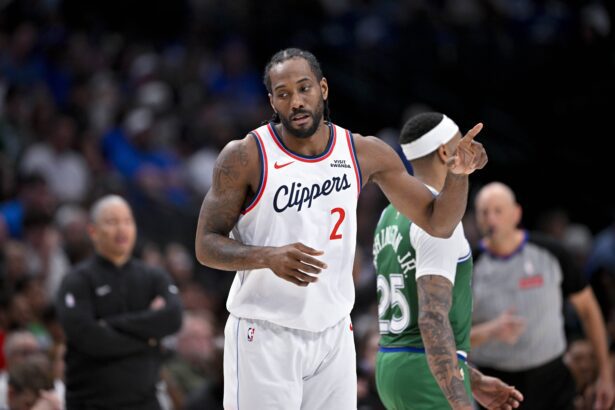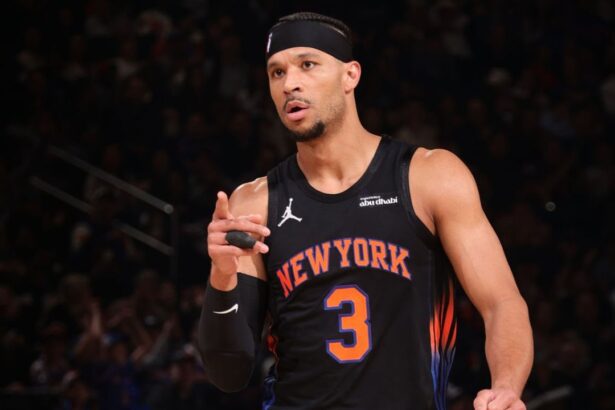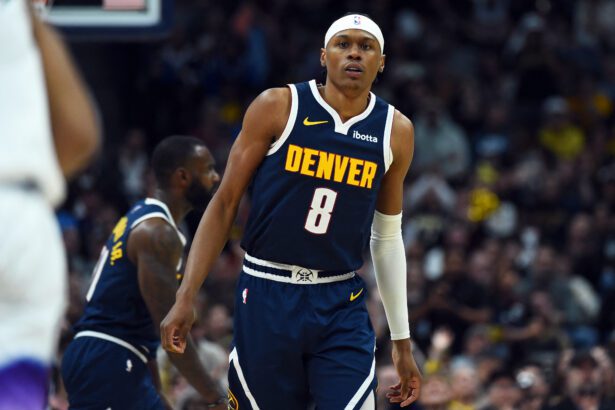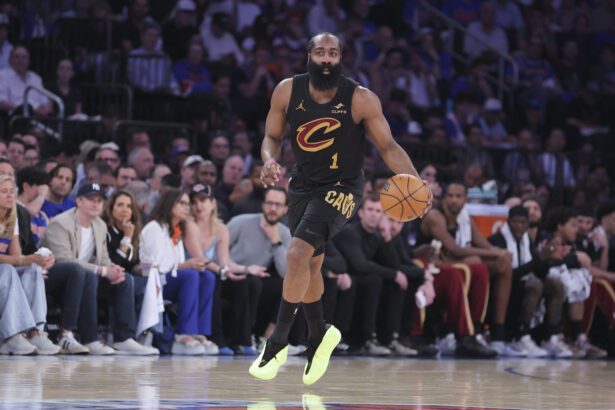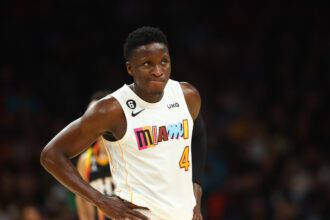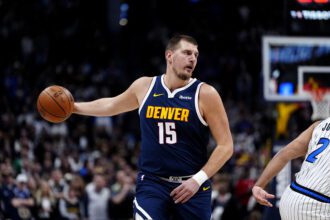
The Los Angeles Lakers are 18-7, and they keep finding ways to win, but the roster still screams for one thing every time the game gets tight: a real 3-and-D stopper who can survive on an island and still knock down open threes.
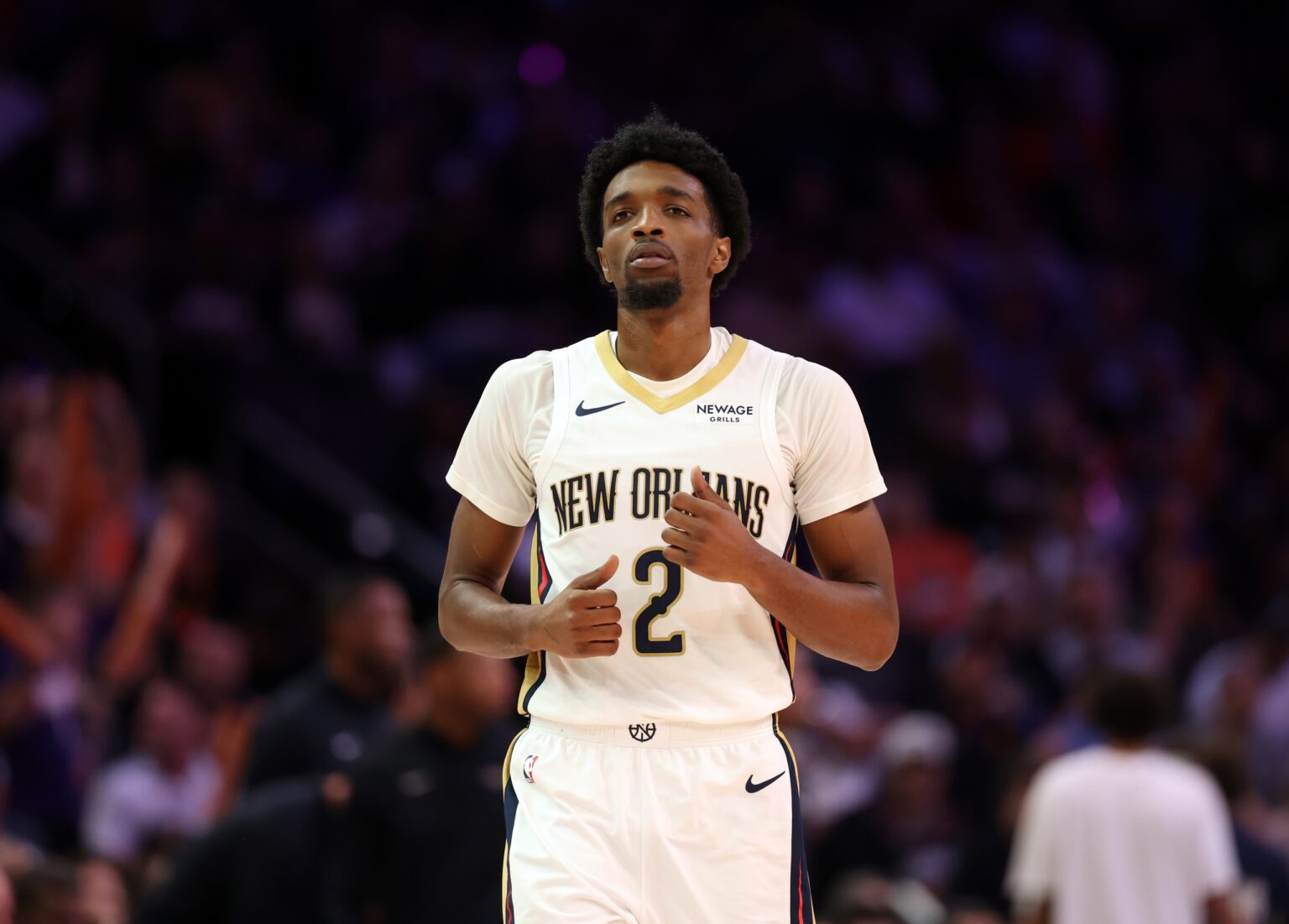
That’s why Herb Jones keeps popping up in the conversation, because he’s basically the dream fix. The problem is the price. Marc Stein’s latest read is that Jones sits in a “beyond the Lakers’ current trade means” tier, which is a polite way of saying the Pelicans would ask for a haul and the Lakers don’t have the assets to play that game midseason.
And honestly, it tracks. Jones is the kind of wing every contender wants, so there’s no reason for the Pelicans to discount him just because the Lakers made a call.
The bigger issue is that the need isn’t going away. The Lakers have been winning, but their defense has still been leaky, as they’re sitting at a 116.7 defensive rating, which ranks 21st, and that’s exactly why JJ Redick has already talked about rotation changes.
So if Jones is truly out of range, the Lakers have to shop the next aisle over. Stein also noted the Lakers “would naturally like to be in the 3-and-D market,” and that the market is limited, with Sacramento Kings guard Keon Ellis among the names headlining it.
That’s the lane here. Not the perfect answer, but a realistic answer the Lakers can actually get without nuking the roster.
1. Keon Ellis
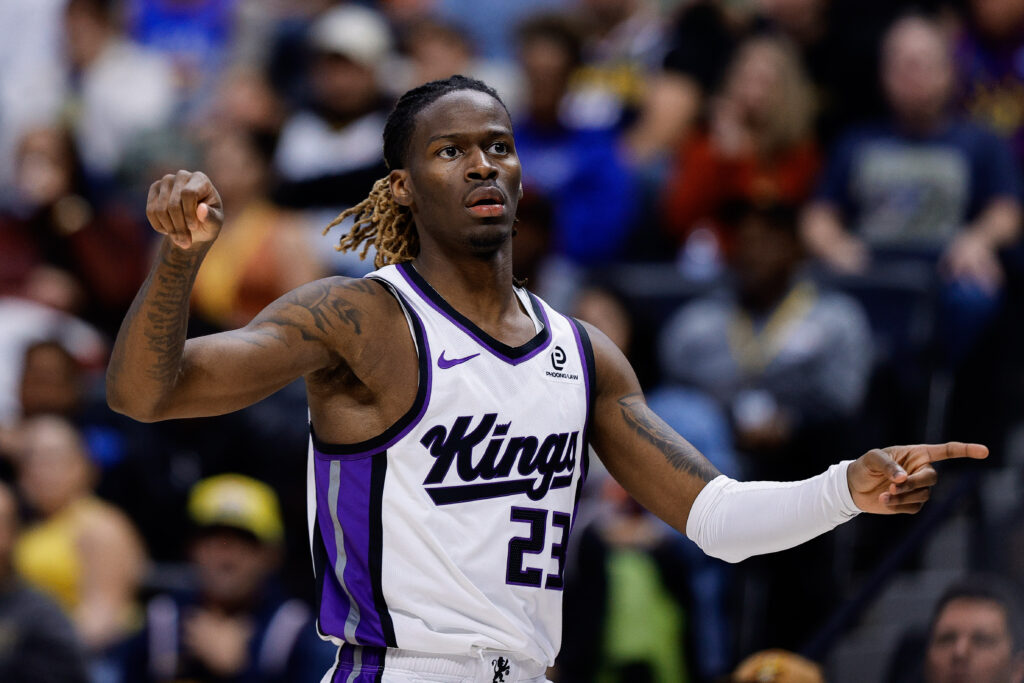
Los Angeles Lakers Receive: Keon Ellis
Sacramento Kings Receive: Jaxson Hayes, 2032 second-round pick
The Lakers are sitting 4th in the West, but this is exactly the type of “good team problem” that still gets you bounced in May: you can’t have enough real perimeter defense when the matchups get nasty.
Keon Ellis is the kind of low-usage, high-impact guard that playoff teams steal every year. He’s only at 5.3 points in 17.0 minutes, but the shooting and the chaos are real, with 37.0% from three and 1.2 steals per game. If the Lakers want a guard who can chase, switch, and not panic when the ball swings to him in the corner, this is the archetype.
From a mechanics standpoint, it’s clean. Ellis makes $2.3 million in 2025-26, so this isn’t some cap gymnastics puzzle. Hayes is at $3.4 million, so the money is still in the “easy matching” range for most teams.
And Hayes, production-wise, is basically a replaceable role big, with 5.5 points, 4.2 rebounds, and 74.2% from the field.
The real question is why the Sacramento Kings even pick up the phone. The record says it all, 6-20, near the bottom of the West. That’s the profile of a team that should be listening on everyone who isn’t a core piece. A second-rounder in 2032 is far out, but it’s still an asset, and Hayes at least gives them a vertical athlete they can plug into minutes without overthinking it.
If I’m the Lakers’ GM, I’m doing this yesterday. Ellis isn’t a savior, but he is a legit “make the other team work” defender who doesn’t mess up your spacing.
2. Andrew Wiggins
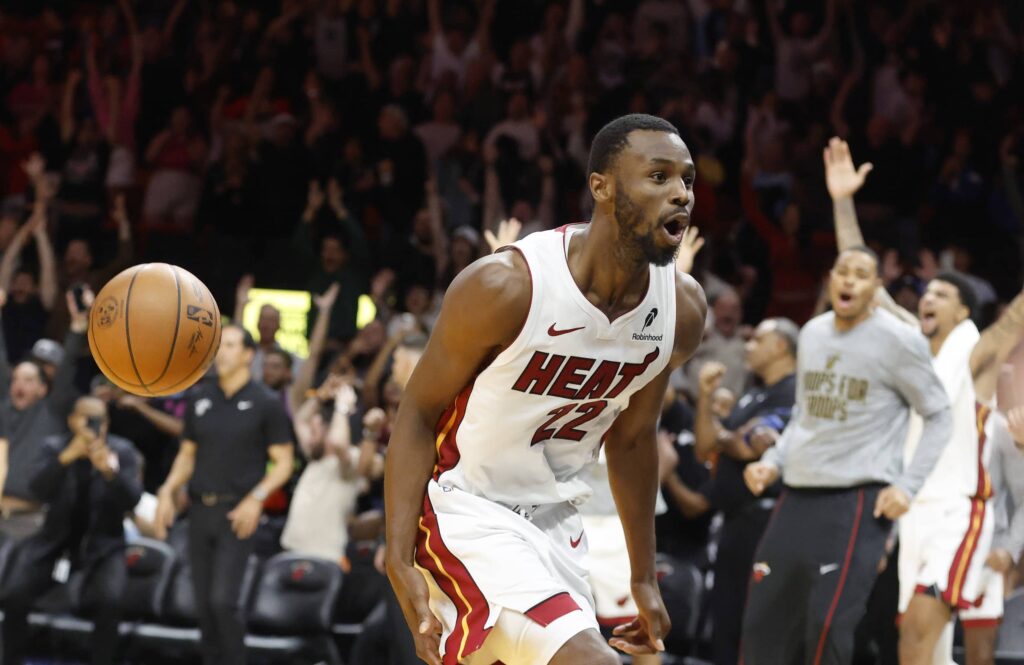
Los Angeles Lakers Receive: Andrew Wiggins
Miami Heat Receive: Rui Hachimura, Jarred Vanderbilt, 2031 first-round pick
This is the one that actually looks and feels like a win-now move. Andrew Wiggins is giving the Miami Heat 16.9 points, 4.9 rebounds, and 2.9 assists while shooting 48.7% from the field and 37.9% from three. That’s a real two-way wing season, not an empty-calories line.
The Lakers are already in the top mix, but if you’re serious about a deep run, you want another wing who can defend up a position, score without needing plays drawn, and survive the playoff possession-to-possession grind. Wiggins checks those boxes way more cleanly than trying to duct-tape the rotation every night.
The outgoing package is actually believable. Rui Hachimura is producing 13.3 points on 53.2% shooting, so you’re not dumping him, you’re flipping him as a real piece. Vanderbilt is still a defense-first role player, and he’s at 4.4 points and 5.3 rebounds in 17.2 minutes. Add a 2031 first-round pick, and suddenly the Heat have depth, a pick, and flexibility to reshape the wing rotation.
Money-wise, it lines up. Wiggins is at $28.2 million in 2025-26. Hachimura is at $18.2M and Vanderbilt is at $11.5M, which basically lands you right in Wiggins territory.
The Heat are 14-11 and 6th in the East, so they’re not “blow it up” bad, but this kind of deal is the classic retool: turn one big contract into multiple playable bodies plus a real pick.
If I’m the Lakers, this is the swing. Wiggins isn’t perfect, but he’s the exact brand of wing you need when the postseason stops being cute and starts being violent.
3. Kentavious Caldwell-Pope
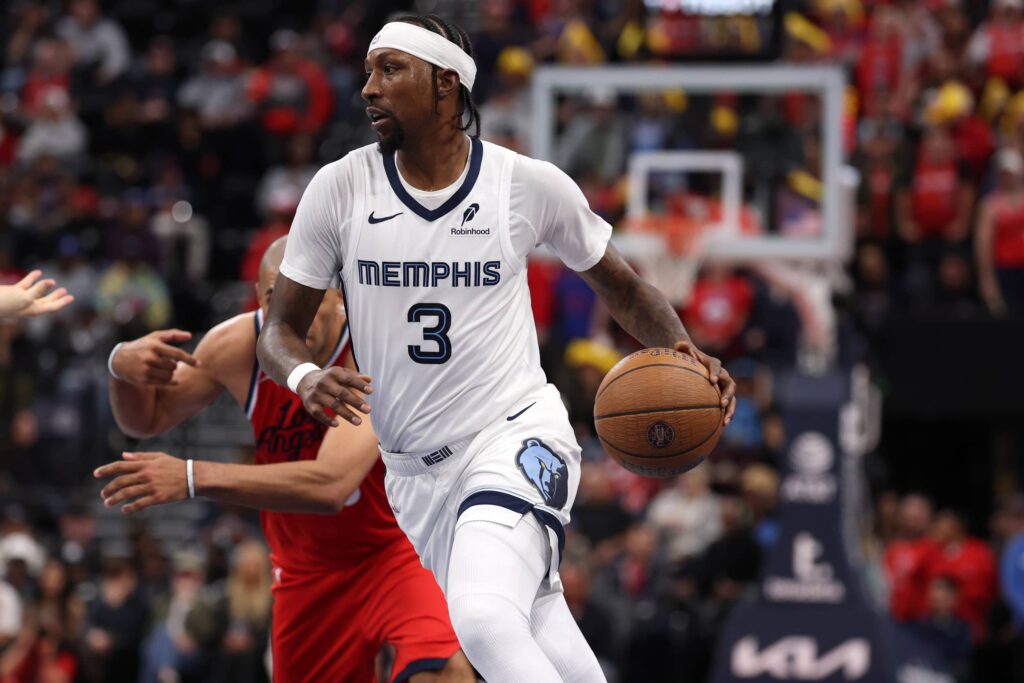
Los Angeles Lakers Receive: Kentavious Caldwell-Pope
Memphis Grizzlies Receive: Maxi Kleber, Gabe Vincent, 2028 first-round pick (swap pick)
The Lakers have got a very obvious problem for a team with real playoff dreams: they need more perimeter resistance that doesn’t kill the offense.
Kentavious Caldwell-Pope is the kind of plug-and-play guy contenders chase. He’s at 7.6 points, 2.3 rebounds, and 3.1 assists, and he’s hitting 34.6% from three in 21.9 minutes per game.
The shooting hasn’t been pretty, and 38.2% from the field is rough, but the role is what matters. He’s a low-maintenance defender who can run lanes, hit spot-ups, and take the annoying matchup so your stars don’t have to fight every possession.
This is also the kind of deal the Grizzlies at least listen to, because their season has been choppy. They’re 11-14 and 9th in the West, and they’ve been juggling injuries, including Zach Edey going down with an ankle stress reaction. If you’re not sure you’re a real threat right now, grabbing a future first and two usable contracts starts to make sense.
Kleber and Vincent are basically the salary and roster grease here. Kleber is only giving the Lakers 1.8 points and 1.8 rebounds, and Vincent is at 4.7 points on 35.0% from the field. So yeah, the pick is the real prize.
Would I pay a first for this version of KCP? It’s steep. But if the Lakers are serious about upgrading their defense without messing up the spacing, this is the type of move that actually translates in the playoffs.
4. Jonathan Isaac
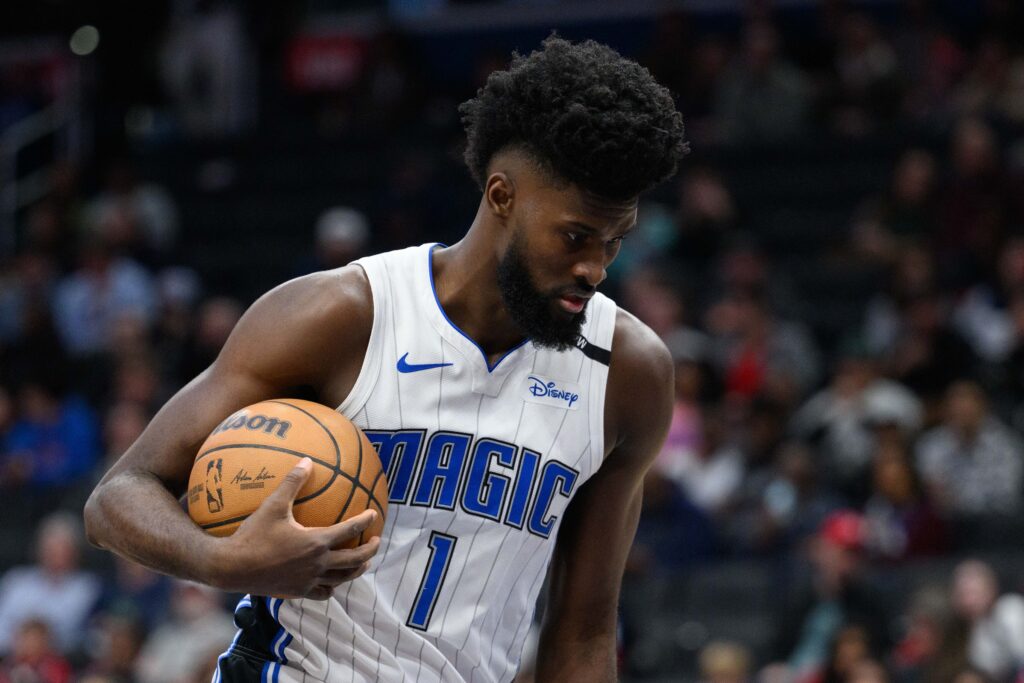
Los Angeles Lakers Receive: Jonathan Isaac, Noah Penda
Orlando Magic Receive: Jake LaRavia, Gabe Vincent, 2026 first-round pick (swap pick)
This is the swing for a defensive cheat code, with the big warning label attached.
Jonathan Isaac is the kind of defender who can change your matchups overnight, even if he’s not playing starter minutes. He’s at 2.9 points and 3.2 rebounds in just 10.0 minutes per game, plus 0.4 steals and 0.5 blocks. That line screams one thing: he’s out there to break plays, not to score.
Penda is the sweetener. He’s a 20-year-old wing who’s giving the Magic 3.6 points, 3.2 rebounds, and 1.1 assists on 48.6% from the field, basically a developmental piece you can stash in the rotation on the right nights.
For the Magic, the logic is simple: they’re 15-11 and sitting 5th in the East, but a first-round pick is real value, and LaRavia has been a legit rotation wing at 8.5 points and 3.7 rebounds on 46.0% shooting. Add Vincent as another guard body, and suddenly, the Magic turn two low-minute pieces into depth plus a premium asset.
From the Lakers’ side, this is about upside. If Isaac’s body holds up, he becomes the type of defender you can throw at anyone when the game turns into a fistfight. If it doesn’t, you basically paid a first for 12 minutes a night. That’s the gamble.
5. Ochai Agbaji
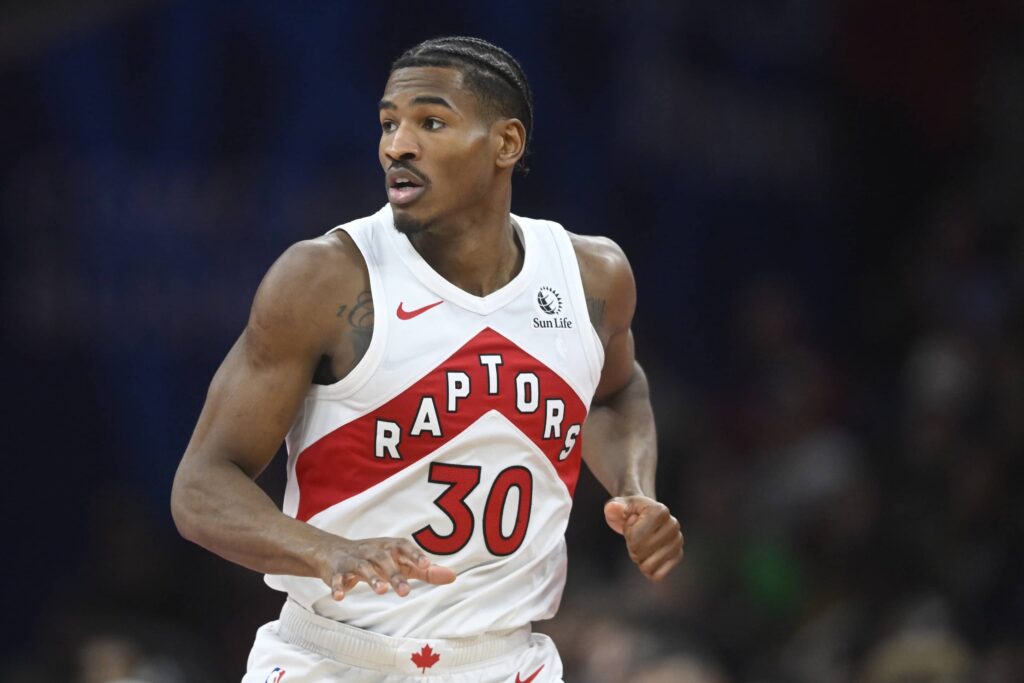
Los Angeles Lakers Receive: Ochai Agbaji
Toronto Raptors Receive: Jake LaRavia, 2026 first-round pick (swap pick)
The Lakers roster still needs more wings who can defend without asking for touches. That’s the entire logic behind a buy-low play like Ochai Agbaji.
The production this season is modest. He’s at 3.4 points, 2.1 rebounds, and 0.7 assists while shooting 38.5% from the field, and the three-ball has been brutal so far at 9.5%. The reason the Lakers would still care is the larger sample. He’s a 35.5% career three-point shooter, so the bet is that a cleaner role and better looks pull him back to normal.
The money is easy. Agbaji makes $6.3 million this year. Jake LaRavia is at $6.0M, so the swap is basically even financially. LaRavia has actually been useful, averaging 8.9 points and 3.8 rebounds while shooting 33.3% from three, so this isn’t a throwaway contract.
The part that makes me pause is the first. The Raptors are 15-11 and playing like a real playoff team, so they’re not desperate, and getting a first for a wing who hasn’t popped this year is a win for them. From the Lakers’ side, that’s paying for the archetype and the upside, not the current stat line. If they’re truly convinced Agbaji’s jumper rebounds, it’s defensible. If not, it’s the type of overpay that comes back to haunt you.
6. Naji Marshall
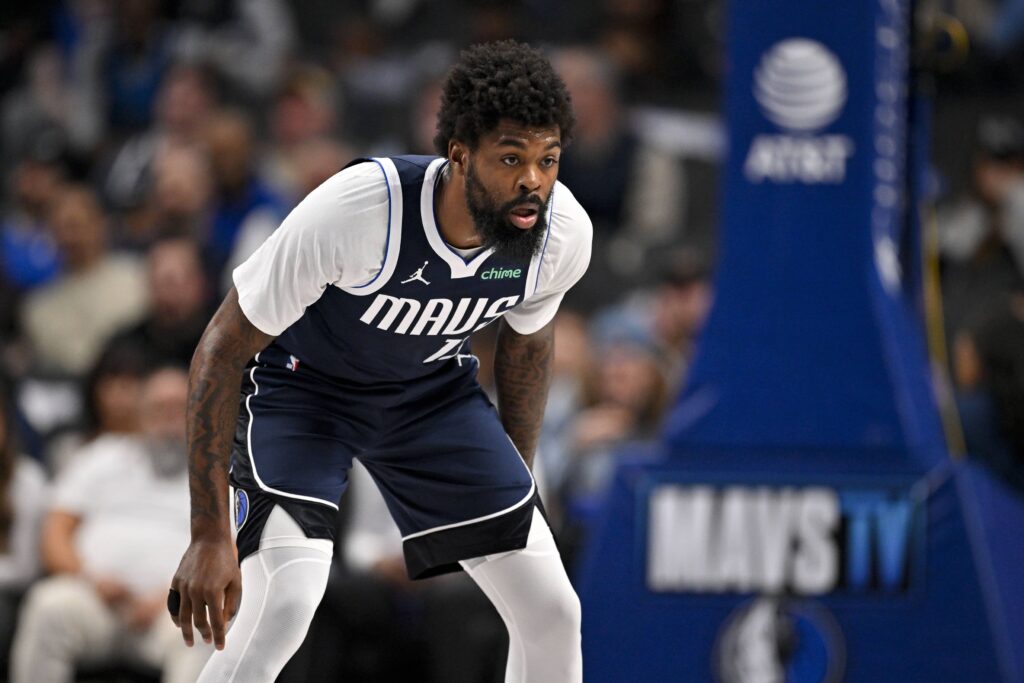
Los Angeles Lakers Receive: Naji Marshall
Dallas Mavericks Receive: Jake LaRavia, Jaxson Hayes, 2032 second-round pick
This is the one I actually like, because Naji Marshall is already playing the exact role the Lakers keep chasing. He’s at 12.7 points, 4.8 rebounds, and 2.6 assists, shooting 52.3% from the field and 31.3% from three.
That’s not a pure sniper, but it is a real wing who can attack closeouts, defend multiple spots, and survive when the game turns ugly.
He’s also on a clean contract. Marshall makes $9.0 million in 2025-26, which is basically the sweet spot salary for trades. LaRavia plus Hayes at $3.4M gets you right there.
The Dallas Mavericks are 10-16, and with the roster banged up, there’s a real argument for turning one mid-sized contract into two playable bodies plus a future pick. LaRavia gives them a wing who can score a bit and rebound, and Hayes gives them a live body at center, even if he’s mostly a rim runner.
For the Lakers, this is a pure playoff play. Marshall is the type of wing you can trust in a seven-game series, and that’s the whole point of shopping in the 3-and-D aisle in the first place.