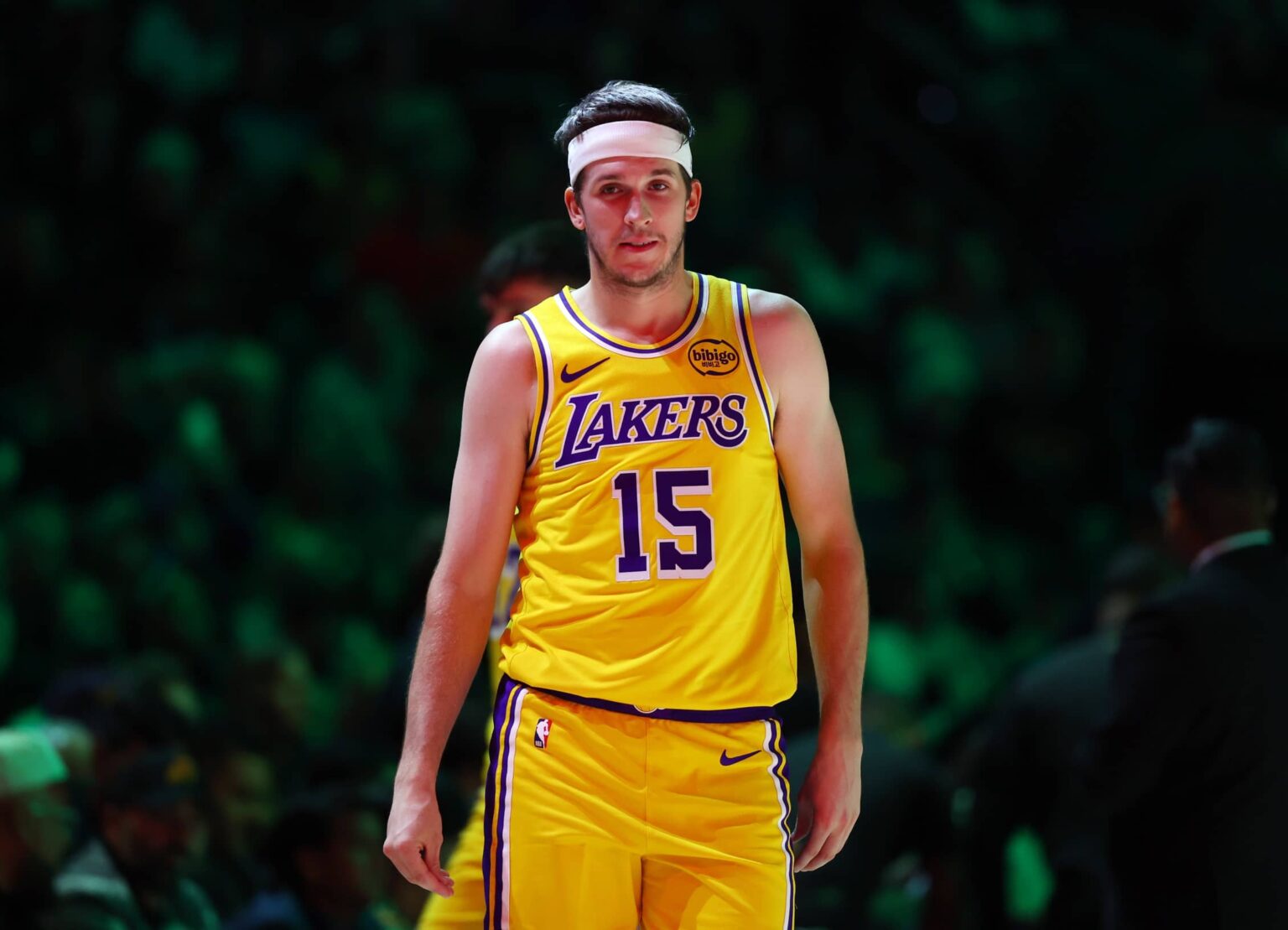
The Utah Jazz are quietly positioning themselves to be one of the most aggressive teams in the offseason, and Austin Reaves is emerging as a prime target. On the latest episode of his podcast, Kevin O’Connor stated plainly that the Utah Jazz ‘are going to be a team with big interest in Reaves once free agency opens. That comment immediately caught league attention, not just because of Reaves’ rising profile, but because of how cleanly Utah’s situation lines up with his market.
“I think the Utah Jazz are going to be a team that has big interest in Austin Reaves this summer. There are going to be teams that make a big max offer for Reaves, and he’s going to have that choice. So the Lakers, like, Rich Paul’s not saying it, but I’m sure Rich Paul has that same exact information about where Reaves could go this offseason.”
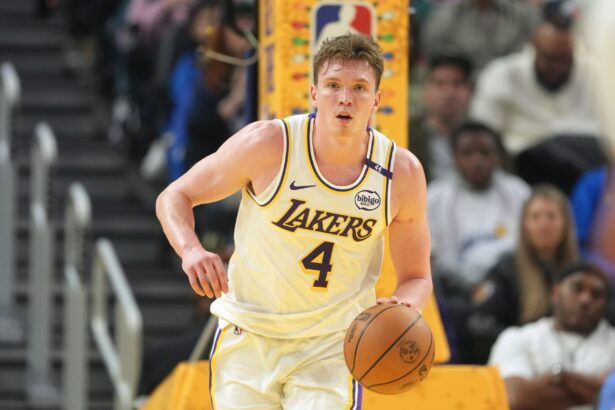
Reaves is set to become an unrestricted free agent this summer and is expected to command massive interest across the league. He is coming off a breakout season in Los Angeles, averaging 26.6 points, 5.2 rebounds, and 6.3 assists while carrying significant offensive responsibility next to Luka Doncic and LeBron James. At 27, he has proven he can scale his game, handle pressure, and function as a primary or secondary creator. That profile is exactly what rebuilding and retooling teams covet.
Utah, in particular, makes a lot of sense. The Jazz have structured their books around flexibility, loading up on expiring contracts and avoiding long-term commitments that would clog future cap space. That approach has clearly been intentional. The franchise wants to be a serious player this summer, and Reaves fits both their timeline and their needs. Utah lacks a true perimeter engine who can score at all three levels, run offense late in games, and stabilize younger players. Reaves checks every box.
There is also a strategic layer to this interest. If the Jazz use cap space to sign Reaves outright, they can then exceed the cap to re-sign Walker Kessler, effectively stacking talent without sacrificing flexibility. That is a clean, modern roster-building approach, and one that could accelerate Utah’s transition from fringe lottery team to legitimate playoff threat.
The situation became interesting recently when Rich Paul publicly floated a hypothetical trade involving Reaves on his podcast, suggesting the Lakers should consider moving him for Jaren Jackson Jr. Paul framed it as a basketball discussion, but the timing was disastrous. Reaves is in a contract year, and any public narrative that casts him as expendable directly affects leverage. That did not sit well with Reaves’ camp.
According to ESPN, one of Reaves’ agents, Reggie Berry, confronted Paul in person during halftime of a Lakers game, speaking with him for several minutes near half court. That kind of confrontation almost never happens publicly. Agents handle disputes privately unless something has crossed a serious line. In this case, Reaves’ representation clearly felt Paul’s comments were interfering with their client’s market at a critical moment.
The incident forced LeBron James to publicly distance himself from Paul’s remarks, making it clear that Paul was speaking only for himself. While that may have calmed locker room speculation, it did little to undo the broader ripple effects. Around the league, teams took note. When an agent as powerful as Paul starts openly discussing the trade value of a player he does not represent, it signals instability, whether intended or not.
Rich Paul’s comments were meant to spark debate. Instead, they may have accelerated it. Reaves’ camp made it clear they will protect his value aggressively. Meanwhile, teams like Utah are watching closely, ready to strike if the door opens even an inch.
What once felt unthinkable now feels plausible. And the Jazz are waiting.