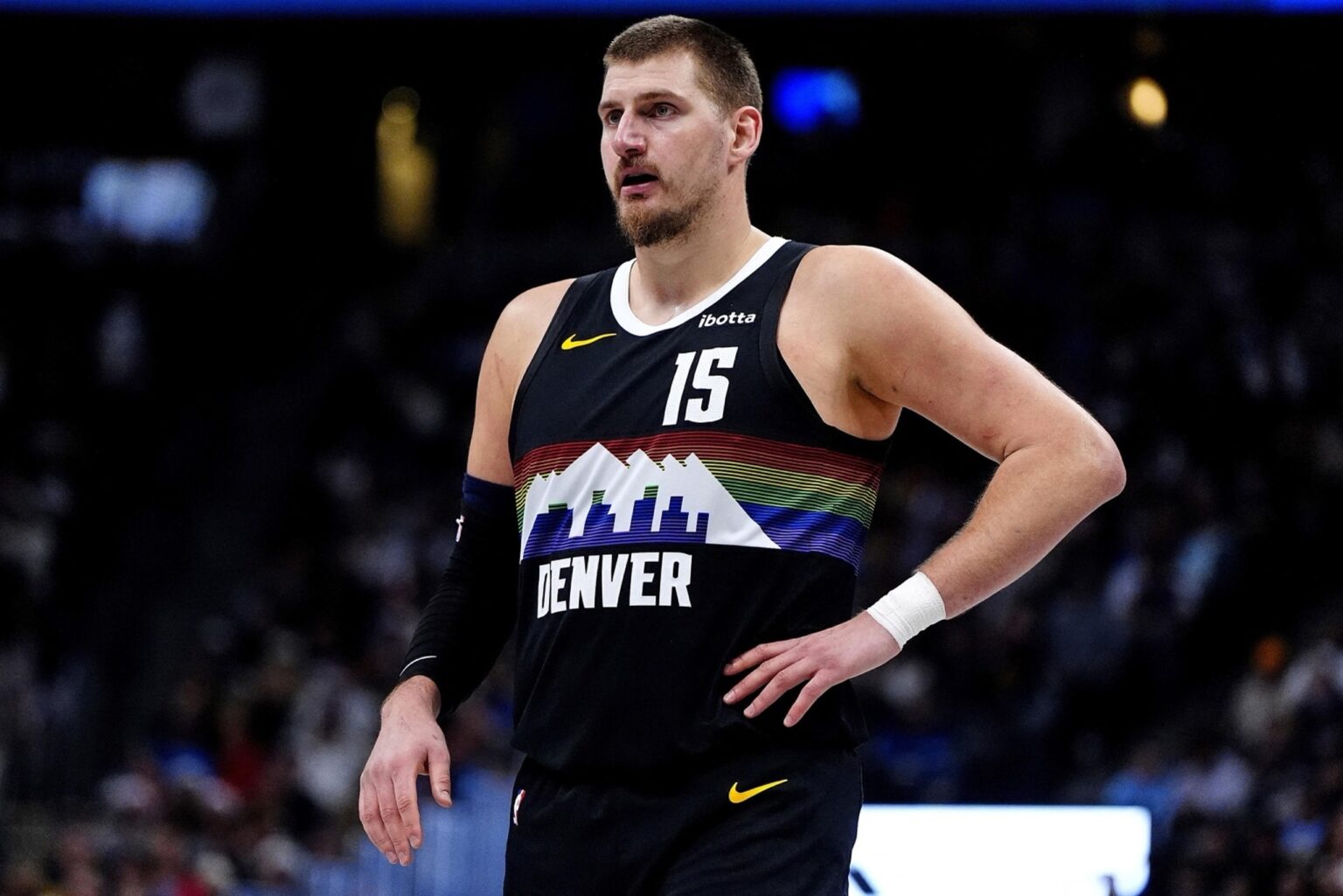
Nikola Jokic put up numbers that usually guarantee wins, but the Memphis Grizzlies found a way to flip the script, and head coach Tuomas Iisalo made it clear that the turnovers were not random. They were the result of a deliberate plan executed over two games.
“All the credit goes to the guys. I thought we’ve had a couple of good game plans going into both of the games. That’s why I think he’s had those big turnover numbers in the games. We’ve been able to wear him down with full court pressure, with a little bit smaller units, but still really active.”
“And it’s not been just the guy on the ball. It’s been also the other guy shrinking the floor, being very active. And he’s an amazing offensive player, so there’s not one thing you can do. But the worst thing is if he knows exactly what’s coming. So I like the way our guys kept him guessing today. Just really hard work.”
Jokic finished the last two matchups against the Grizzlies, averaging 27.5 points, 14.5 rebounds, and 10.0 assists while shooting over 52.8% from the field and 50.0% from three. Those are MVP-level numbers. Yet the detail that decided both games sat elsewhere. 19 turnovers across two games. Nine in the first meeting, 10 in the second. That is 9.5 per game, an extreme number for a player who usually controls every possession.
Iisalo pointed directly at the defensive approach. The Grizzlies applied full-court pressure, something most teams avoid against Jokic because of his passing vision. Instead of sitting back, Memphis forced him to work from the moment he touched the ball. Every catch came with resistance. Every outlet pass had a body nearby.
The second layer mattered even more. Memphis did not rely on one defender. They shrunk the floor. Help defenders stay active, cutting off angles before Jokic could exploit them. Passing lanes disappeared quickly, and Jokic had to hold the ball longer than usual. That delay is where mistakes crept in.
The Grizzlies also leaned into smaller lineups. That sounds risky against a dominant big, but the trade-off worked. Smaller players brought quicker hands and more movement, which disrupted Jokic’s rhythm. Instead of operating at his usual pace, he was reacting to pressure. That shift changes everything for a player whose biggest strength is control.
Even in the 122-116 win for the Denver Nuggets in the first game, the warning signs were there. Jokic had 26 points, 15 rebounds, and 11 assists, but the nine turnovers kept Memphis within reach. In the second game, a 125-118 loss, the same pattern repeated. Strong scoring efficiency with 29 points, 14 rebounds, and nine assists, but ten turnovers that stalled key possessions.
This ties into a broader issue for Denver right now. The team has gone 7-8 since the All-Star break and has dropped to sixth in the Western Conference with a 42-28 record. Jokic himself is averaging 28.2 points, 12.6 rebounds, and 10.5 assists this season, but his turnovers have climbed to a career-high 3.9 per game. Memphis simply amplified that weakness.
What makes this approach effective is unpredictability. Iisalo mentioned that the worst outcome against Jokic is letting him know what is coming. Memphis avoided that. They mixed pressure, rotated quickly, and forced decisions under stress. Jokic still produced, but he never looked fully comfortable dictating the game.