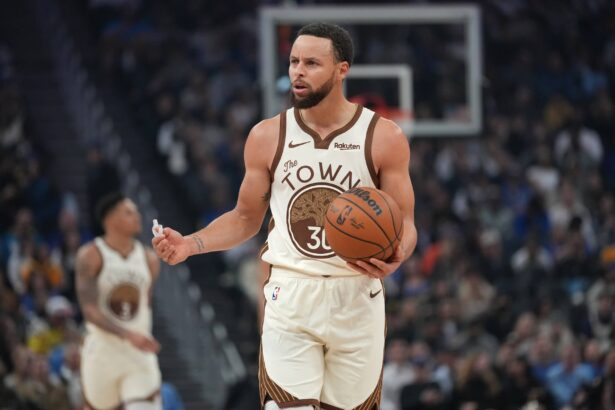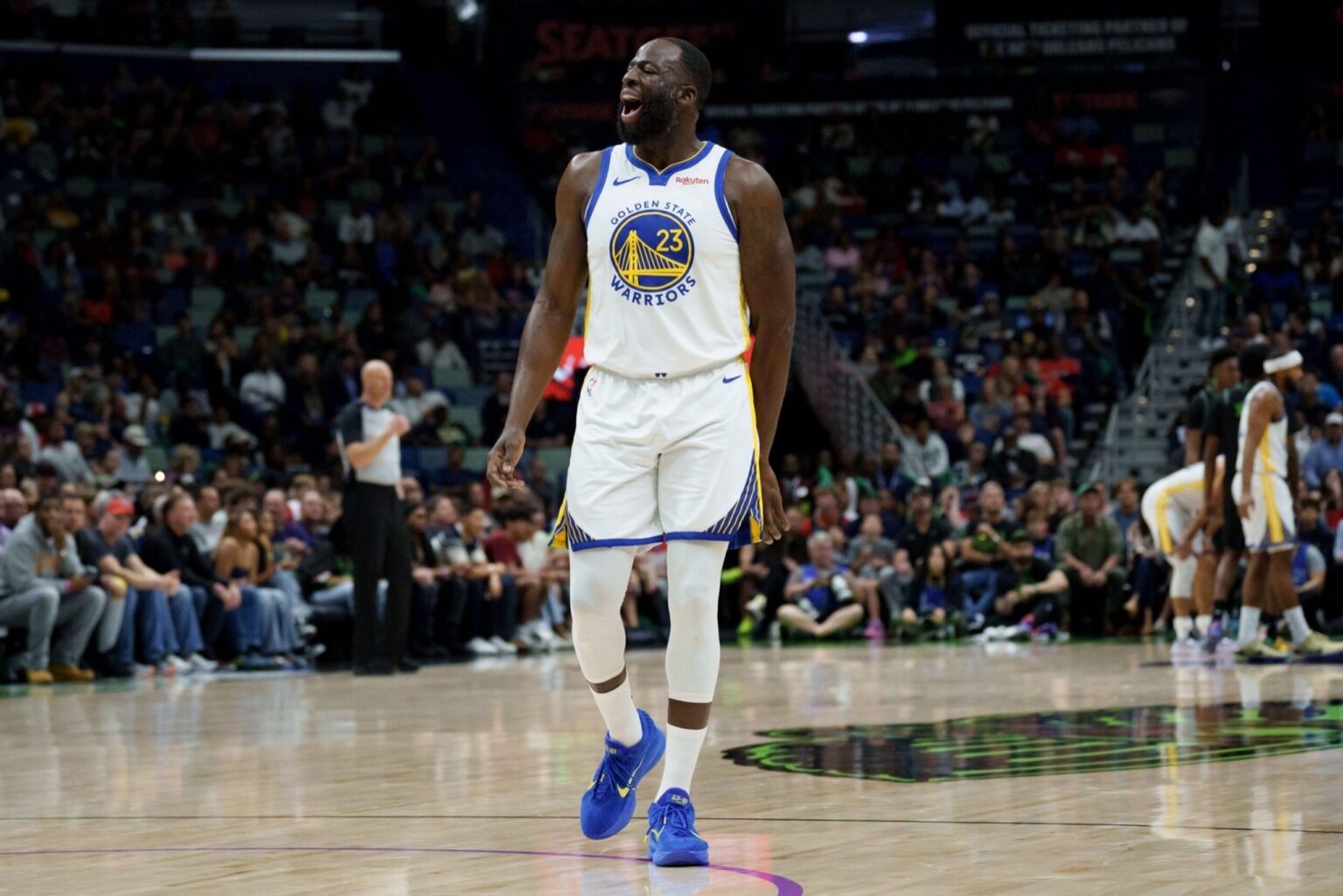
The Golden State Warriors are confronting a reality that once felt unimaginable during their championship peak. During a recent episode of The Draymond Green Show, Draymond Green spoke candidly about where the franchise stands, echoing a growing sentiment inside the organization that the dynasty era is no longer what it once was.
“It’s true, dynasties don’t last forever,” Green said. “What you do is you try to prolong them as long as you can, you try to build on them as much as you can. He didn’t say ‘we’re a dynasty that faded,’ he said we are a fading dynasty. Guess what, Steph is in year 17. I’m in year 14. Klay Thompson, who’s gone, would be in year 15. Steve Kerr is in his 12th year of coaching and he didn’t start with us from the beginning. We’ve been at it for a while. He’s not throwing salt. It’s true, but it’s our jobs as the ones inside the dynasty to prolong it as long as we’re given the opportunity. How much more can we do? That’s the goal. That’s our mission.”
Green’s comments followed a similar acknowledgment from head coach Steve Kerr, who recently addressed the idea directly. Kerr admitted the Warriors are no longer the version that once overwhelmed the league night after night, openly stating that the team understands it is a fading dynasty. Rather than framing it as disrespect or surrender, Kerr described it as realism, an understanding shared internally even if it remains difficult to accept publicly.
From 2015 through 2022, Golden State defined an era, winning four championships and revolutionizing how the game was played. The core of Stephen Curry, Klay Thompson, Green, and Kerr built a system rooted in movement, spacing, and defensive versatility that overwhelmed opponents. At their peak, particularly during the 2017 and 2018 seasons with Kevin Durant, the Warriors were widely viewed as one of the most dominant teams in NBA history, combining star power with cohesion and institutional continuity.
Since that 2022 title, however, the success has steadily waned. Injuries, roster turnover, and salary cap constraints gradually chipped away at the margins that once made Golden State untouchable. As younger teams rose and the league adapted to the Warriors’ style, the advantage narrowed. What was once an automatic contender slowly became a team fighting for postseason relevance. Klay Thompson’s departure in 2024 only added to the challenge.
Today, the Warriors exist in a space that feels unfamiliar. Sitting eighth in the Western Conference at 16-16, they are no longer perennial title favorites. Flashes of the old brilliance still appear, usually driven by Curry’s shooting or Green’s defensive instincts, yet consistency has been elusive. The margin for error is smaller, the roster thinner, and the nights of simply overwhelming opponents have become increasingly rare.
Still, the acknowledgment of decline does not mean surrender. Green made it clear that the internal goal remains extending the window as long as possible, even if the definition of success has changed. For the Warriors, the challenge now is balancing honesty with ambition. The dynasty may be fading, but the desire to compete, adjust, and extract every remaining ounce from this era remains firmly intact.