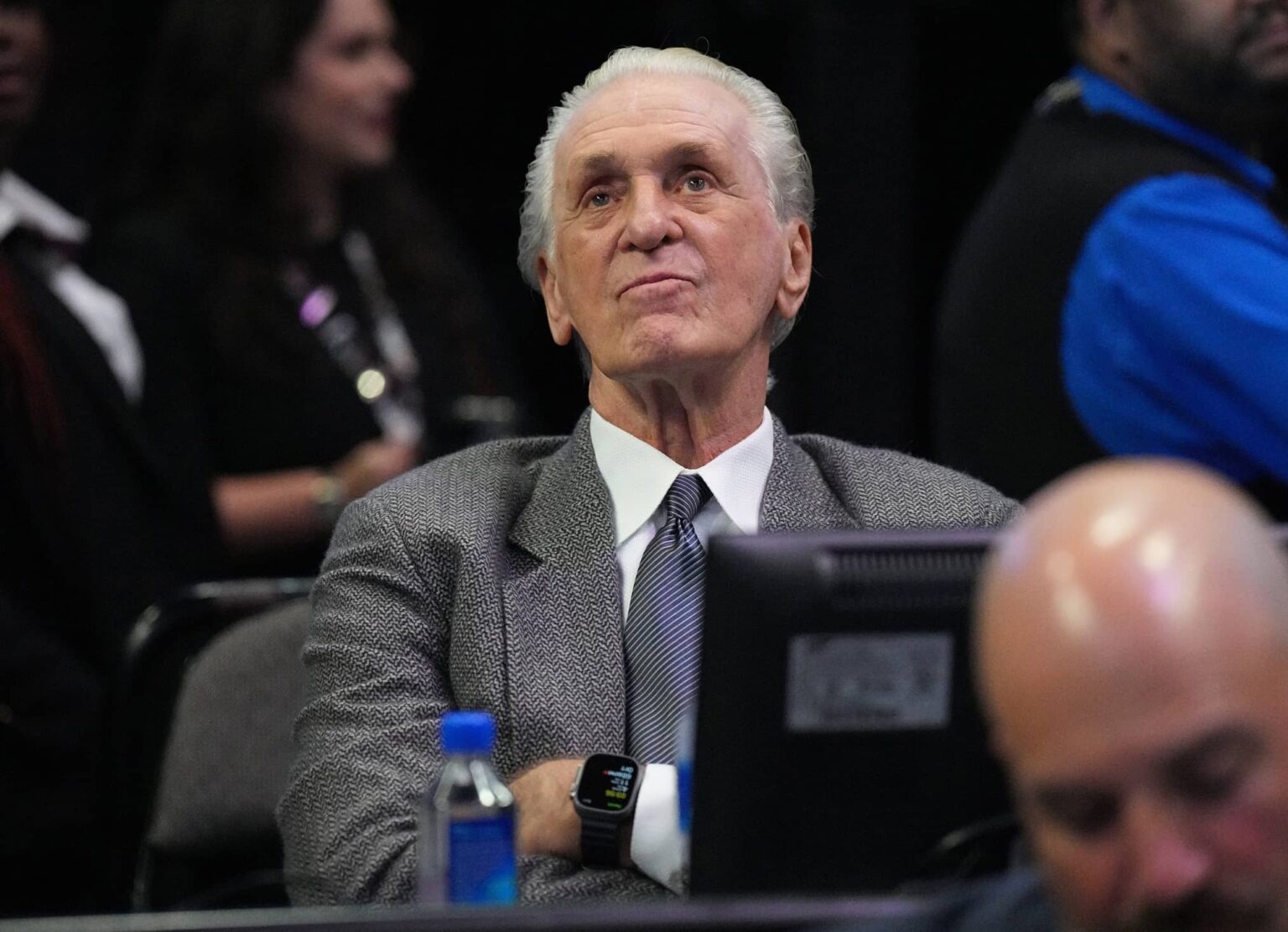
Pat Riley did not hold back when assessing the Miami Heat season, making it clear that he sees progress even after moving on from Jimmy Butler. Speaking to the media, Riley pointed to the numbers and framed the year as a step forward, even if the results did not meet expectations across the league.
“So over the last 10 years, we’ve had one 50-win season. We won 48, we won 46, 44, whatever it is. When you look back at what we did with Jimmy in that trade, winning 37 games last year for a lot of reasons, and then winning six more games this year, that’s an improvement.”
“You have to look at the little things, even though it’s not good enough for a lot of people. So we did improve from that standpoint. Now, incrementally, can we get up to that 50-win mark?”
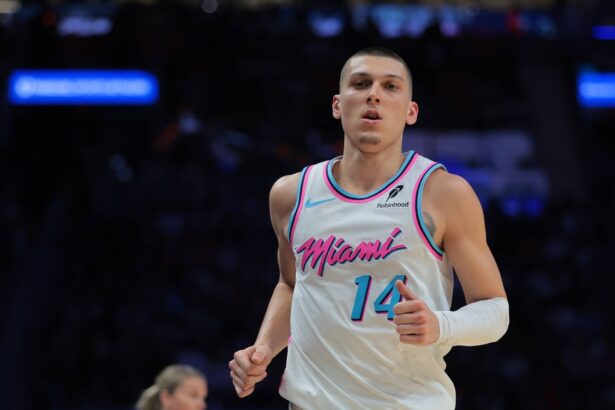
Riley’s argument is simple. Miami won 37 games last season. This year, they won 43. That six-game jump, in his view, represents real improvement. He stressed that growth does not always come in dramatic leaps, and sometimes the foundation is built through smaller gains. From a pure record standpoint, he is right. The Heat finished 43-39, a better mark than the previous year’s 37-45.
Yet the context around those numbers tells a more complicated story. The Heat were eliminated in the play-in tournament by the Charlotte Hornets, ending their season without a playoff appearance. The year before, despite winning fewer games, Miami fought through the play-in and reached the postseason as the eighth seed. The difference lies in the ceiling. One team scraped into the playoffs and competed. The other improved in wins but failed to advance when it mattered.
That contrast brings Butler’s impact into sharper focus. During his six seasons in Miami, Butler led the franchise through multiple deep runs. In 2019-20, the Heat reached the NBA Finals. In 2021-22, they came within one win of another Finals appearance. In 2022-23, they produced one of the most surprising playoff runs in league history, advancing from the eighth seed to the Finals again.
Across that stretch in six seasons, Butler averaged 21.0 points, 6.0 rebounds, and 5.7 assists in 326 games, anchoring the team on both ends.
Those results did not always show up in regular-season records. Miami often hovered in the mid-40 win range. But the postseason ceiling was elite. That is the gap Riley now has to address. The current version of the Heat shows total regular-season progress but lacks the proven ability to elevate in the playoffs.
Riley made another point clear during his press conference. He is not stepping away. Riley stated directly that he will not retire, resign, or step aside, and he did not apologize for the team being in the play-in tier. That stance signals confidence in the organization’s direction, but it also raises pressure. If this path continues, the expectations will shift from patience to urgency.
Meanwhile, Butler’s career has taken a different turn. After joining the Golden State Warriors, he helped stabilize their roster and push them into playoff relevance before going down this season with an ACL injury, which could keep him out next season as well. In 68 games, he averaged 19.1 points, 5.5 rebounds, and 5.3 assists.
That is why Riley’s comments will draw mixed reactions. The numbers show improvement. But the results suggest regression in the competitive format. For a franchise built on championship standards, the difference matters.
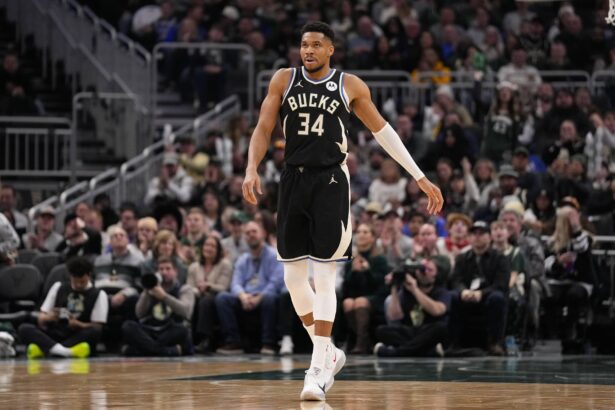
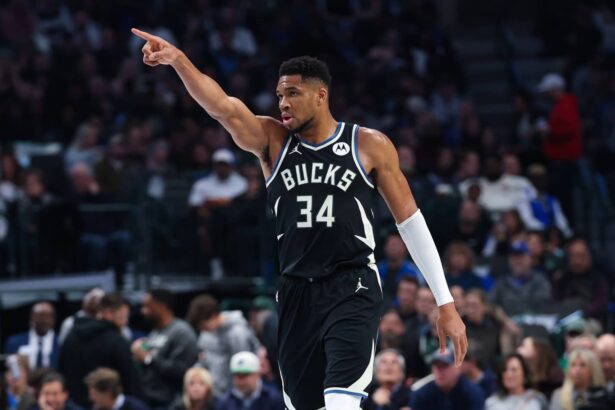
Looking ahead, Miami is expected to pursue a major move. Names like Giannis Antetokounmpo have already been linked to the team, and Riley’s history shows he rarely stays passive for long. The Heat understands its position. Incremental growth will not satisfy long-term goals.
Riley’s message reflects belief in the process. The challenge now is proving that this version of the Heat can move beyond small improvements and return to true contention.